
Are you ready to revolutionize your cooking experience? If you’ve ever felt the frustration of uneven heating or the dread of scrubbing stubborn stains from your stovetop, an induction cooktop might just be your new best friend.
Imagine cooking with precision, speed, and safety—all while keeping your kitchen cooler and cleaner. Sounds like a dream, right? But here’s the catch: mastering an induction cooktop requires a bit of a learning curve. Don’t worry, though; we’ve got you covered.
In this guide, you’ll discover the secrets to unlocking the full potential of your induction cooktop. From selecting the right cookware to mastering temperature control, you’ll be whipping up culinary masterpieces in no time. Ready to elevate your cooking game? Let’s dive in!
Choosing Compatible Cookware
Choosing the right cookware is key for cooking on an induction cooktop. Not all pots and pans work well with this technology. The cooktop uses magnetic fields to heat the cookware directly. This means the cookware must have magnetic properties to work properly. Using the correct cookware improves cooking speed and saves energy. It also protects the cooktop surface from damage.
Magnetic Materials Needed
Induction cooktops require cookware made from magnetic materials. These materials allow the cooktop to generate heat efficiently. Common magnetic materials include:
- Cast iron
- Magnetic stainless steel
- Enamel-coated steel
Aluminum, copper, and glass usually do not work unless they have a magnetic base. Test your cookware with a magnet. If the magnet sticks firmly, the cookware is compatible.
Best Cookware Types
Some cookware types perform better on induction cooktops. Cast iron heats evenly and retains heat well. It is ideal for slow cooking and frying. Magnetic stainless steel is durable and lightweight. It heats quickly and cleans easily. Cookware with a flat magnetic base works best. Avoid warped or uneven bottoms. They reduce contact and heat efficiency.
Cookware Size And Shape
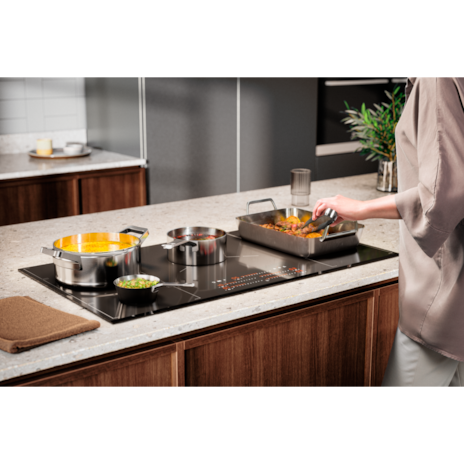
Choose cookware size that matches the cooktop zone. Small pots on large zones waste energy. Large pans on small zones heat unevenly. The shape matters too. Flat-bottomed cookware ensures full contact with the cooktop. Round or curved bottoms may cause poor heat transfer. Using the right size and shape helps cook food evenly and saves energy.
Credit: www.electrolux.co.th
Setting Up Your Induction Cooktop
Setting up your induction cooktop correctly can make a big difference in how well it performs and how safe it is to use. Taking a little time to position it right, understand the power settings, and learn about its safety features helps you cook more confidently and efficiently. Let’s dive into the essentials you need to know before you start cooking.
Placement And Surface Tips
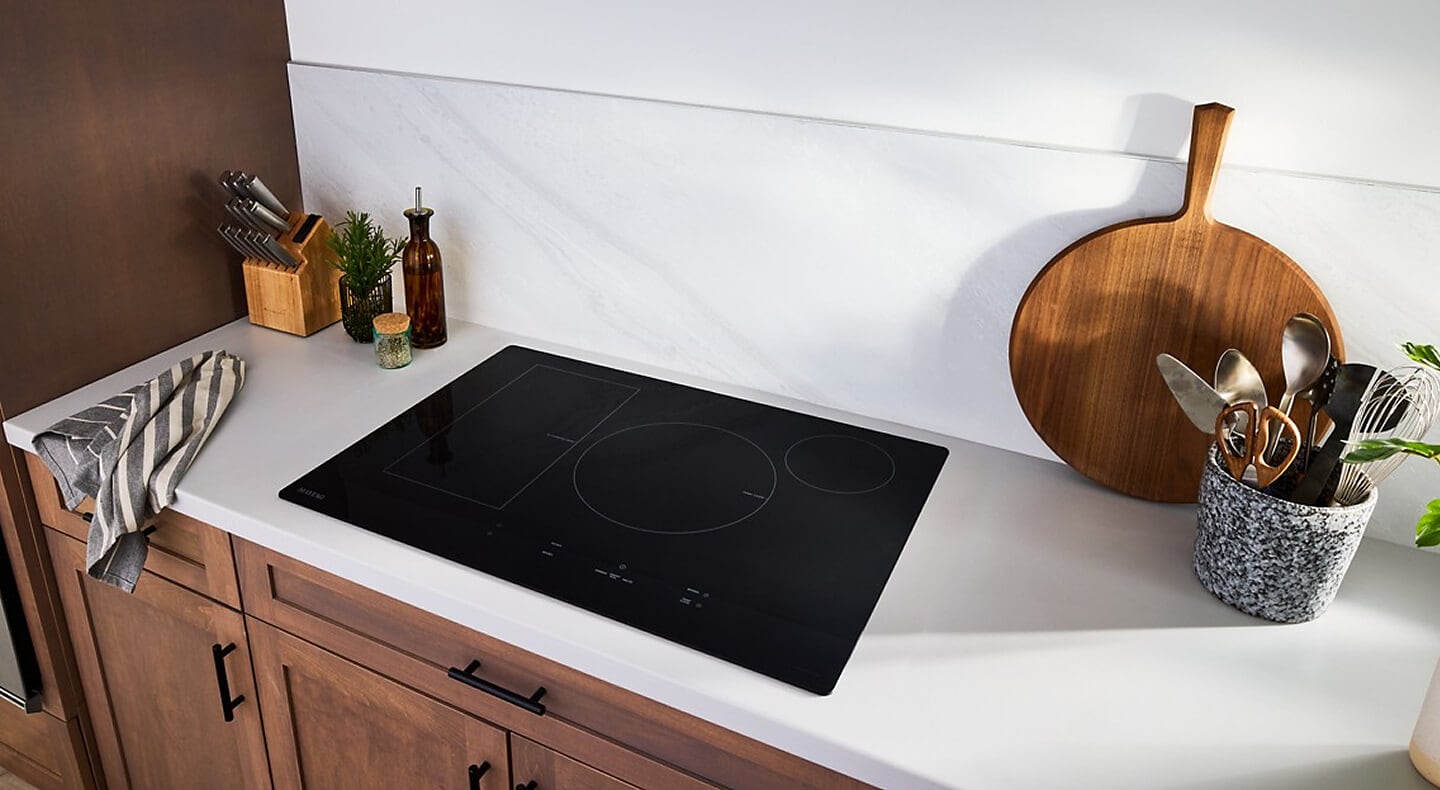
Place your induction cooktop on a flat, stable surface that can handle heat and weight. Avoid putting it near water sources or flammable materials to reduce risks. Make sure there’s enough space around the cooktop for ventilation and easy access to controls.
Think about your kitchen workflow. Is the cooktop near your prep area or sink? Arranging it close to where you usually cook saves time and effort. Also, keep the surface clean and dry before you start cooking to prevent slipping or damage.
Power Settings Explained
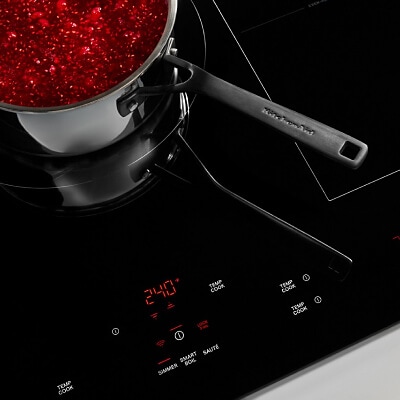
Induction cooktops usually have multiple power levels, often ranging from low simmer to high boil. The lower settings are perfect for melting chocolate or keeping food warm without burning. Higher settings bring water to a boil quickly, saving time when you’re in a rush.
One surprising tip: use medium power to cook delicate dishes evenly. High heat isn’t always better; sometimes it just burns the outside while leaving the inside raw. Experiment with different settings to find what works best for your favorite recipes.
Safety Features To Know
Most induction cooktops come with built-in safety features like auto shut-off, child locks, and overheat protection. These are designed to prevent accidents even if you get distracted. The cooktop senses when there’s no pot or if the pot isn’t induction-compatible and will automatically stop heating.
Have you ever left a burner on by mistake? With induction, the surface remains cool to the touch except where the pot contacts it, reducing burn risks. Understanding these safety features lets you cook with peace of mind, especially if you have kids or pets around.
Cooking Techniques For Induction
Cooking on an induction cooktop offers precise control and fast heating. It uses magnetic energy to heat pots directly, not the cooktop surface. This technology changes how you approach cooking techniques. Understanding how to adjust heat, simmer, boil, sear, and fry can improve your dishes.
Adjusting Heat Quickly
Induction cooktops respond to heat changes almost immediately. You can raise or lower the temperature in seconds. This helps prevent overcooking or burning food. For example, lower the heat right after boiling to keep a gentle simmer. You don’t need to wait for the burner to cool down. This fast reaction saves time and energy.
Simmering And Boiling Tips
Simmering on induction is easy to control. Start by bringing water or broth to a boil at high heat. Then reduce the heat to low for a steady simmer. Use a lid to keep heat and moisture inside. This keeps flavors rich and food tender. Avoid setting the heat too low or the liquid may stop bubbling.
Searing And Frying Tricks
Induction cooktops reach high temperatures quickly, perfect for searing. Preheat your pan for 1-2 minutes before adding oil. Use oils with a high smoke point like canola or peanut oil. Place meat or vegetables on the hot pan without crowding. Let food develop a brown crust before flipping. For frying, maintain medium-high heat and adjust as needed to avoid burning.
Credit: www.maytag.com
Maintaining Your Cooktop
Maintaining your induction cooktop is essential to keep it working efficiently and looking great. Regular care not only extends its life but also ensures your cooking remains safe and enjoyable. Let’s dive into practical ways you can keep your cooktop in top shape without much hassle.
Cleaning Methods
Cleaning your induction cooktop after every use prevents stains and buildup that can affect performance. Use a soft cloth or sponge with warm, soapy water for daily cleaning. Avoid abrasive cleaners or scrubbing pads that can scratch the surface.
For tougher stains, try a dedicated ceramic cooktop cleaner or a paste made from baking soda and water. Apply gently and wipe away with a damp cloth. Remember, cleaning while the cooktop is slightly warm (not hot) helps loosen grime without risking burns.
Preventing Scratches And Damage
Scratches are one of the biggest enemies of induction cooktops. Always use cookware with smooth, flat bottoms to avoid damaging the glass surface. Avoid sliding pots and pans across the cooktop; instead, lift them when moving.
Be cautious with heavy or rough cookware, as dropping or dragging can cause cracks or chips. Placing a silicone mat nearby to set down hot pans can protect the cooktop from accidental damage. Have you checked if your cookware is induction compatible and gentle on surfaces?
Troubleshooting Common Issues
If your cooktop doesn’t heat, first check that your cookware is induction-compatible. The cooktop senses magnetic materials, so non-magnetic pots won’t work properly. Sometimes, resetting the cooktop by switching off the power for a few minutes solves minor glitches.
Overheating can cause the cooktop to shut off unexpectedly. Ensure vents aren’t blocked and keep the area around the cooktop clear for proper airflow. If error codes appear, consult your manual—they often indicate specific problems like sensor faults or power issues.
Time-saving Tips
Saving time in the kitchen is a priority for many home cooks, and an induction cooktop can be a powerful ally in this effort. Its unique technology allows you to cook faster and more efficiently, freeing up your time for other tasks. Let’s explore some practical tips that help you make the most of your induction cooktop and speed up your cooking process.
Using Precise Temperature Control
One of the biggest advantages of an induction cooktop is its ability to maintain exact temperatures. This precision means you can avoid the guessing game of adjusting heat settings, which often wastes time and energy.
For instance, when simmering sauces or melting chocolate, you can set the temperature to a specific level and trust it to stay steady. This control reduces the risk of burning or undercooking, so you won’t have to stop and restart your cooking.
Multi-tasking With Induction
Have you noticed how induction cooktops heat up almost instantly? This feature allows you to switch between dishes quickly without waiting for burners to cool down or heat up.
You can boil water for pasta while sautéing vegetables at the same time, managing multiple pots with ease. The rapid response times let you jump from one cooking task to another, cutting down the overall meal prep time.
Energy Efficiency Benefits
Induction cooktops use energy more efficiently than traditional electric or gas stoves. The heat goes directly into the pan, which means less wasted energy and faster cooking times.
This efficiency doesn’t just save you money on your utility bill—it also speeds up cooking. Less time waiting for pots to heat up or food to cook means you get your meals on the table quicker without compromising quality.
Credit: www.kitchenaid.com
Frequently Asked Questions
What Cookware Works Best With Induction Cooktops?
Induction cooktops require magnetic cookware like cast iron or stainless steel. Avoid aluminum or glass unless they have a magnetic base. Use a magnet to test your pots; if it sticks, it works well on induction.
How Do I Clean An Induction Cooktop Safely?
Allow the cooktop to cool before cleaning. Use a soft cloth with mild detergent or a specialized induction cooktop cleaner. Avoid abrasive pads or harsh chemicals to prevent scratches and maintain the surface’s shine.
Can I Use Induction Cooktops For All Cooking Styles?
Yes, induction cooktops support various cooking methods like boiling, simmering, frying, and sautéing. They offer precise temperature control, making them suitable for delicate sauces or high-heat searing.
Why Does My Induction Cooktop Beep Or Not Heat?
Beeping often signals incompatible cookware or improper placement. Ensure your pot is induction-compatible and centered on the cooking zone. Also, check if the cooktop is clean and free from debris.
Conclusion
Cooking with an induction cooktop is simple and fast. It heats food quickly and uses less energy. Choose cookware that works well with induction for best results. Keep the cooktop clean to maintain its performance. Enjoy precise temperature control for better cooking results.
Small steps make cooking easier and more fun. Try different recipes to see how induction helps. Cooking this way saves time and effort. Give it a try and notice the difference yourself.