Is your grow tent getting too hot and putting your plants at risk? You’re not alone.
Keeping the right temperature inside your grow tent is crucial for healthy, thriving plants. If your tent feels more like a sauna than a garden, it’s time to take action. You’ll discover simple, effective ways to cool your grow tent and create the perfect environment for your plants to flourish.
Ready to learn how to protect your plants and boost your harvest? Let’s dive in.
Choosing The Right Location
Finding the best spot for your grow tent helps keep it cool. The right location lowers heat and improves plant health.
Consider where you place the tent carefully. Small changes can make a big difference in temperature.
Avoid Direct Sunlight
Direct sunlight heats the grow tent quickly. It raises the temperature inside and stresses your plants.
Place the tent where sunlight does not shine on it. This helps keep the temperature steady and cool.
Select A Well-ventilated Area
Good airflow removes hot air from the grow tent. It brings in fresh, cooler air to lower the heat.
Choose a space with natural ventilation or use fans to improve air movement around the tent.
- Near windows or vents
- Avoid tight corners or enclosed spaces
- Keep air moving with fans if needed
Consider Ambient Room Temperature
The grow tent’s temperature depends on the room around it. Cooler rooms help keep the tent cool too.
Place the tent in a room that stays cool during the day. Avoid rooms with heaters or appliances that add heat.
Ventilation Strategies
Cooling a grow tent is important for healthy plants. Good ventilation helps control temperature and air quality.
There are several ways to improve airflow inside the tent. Using fans, ducting, and passive options work well together.
Intake And Exhaust Fans
Intake fans bring fresh air into the grow tent. Exhaust fans remove hot air and keep the space cool.
Place intake fans near the bottom of the tent. Exhaust fans should go at the top to pull warm air out.
- Use a fan with enough power for your tent size
- Keep fans running all the time for steady airflow
- Adjust fan speed to control temperature
Using Ducting For Airflow
Ducting helps move air in and out of the tent more efficiently. It connects fans to vents or filters.
Use flexible ducting to fit your space. Keep ducts as short and straight as possible for better airflow.
- Use duct clamps to secure connections
- Insulate ducting to reduce heat gain
- Clean ducts regularly to avoid blockages
Passive Ventilation Options
Passive ventilation uses natural airflow without fans. It relies on vents or openings in the tent.
Position vents low for cool air intake and high for warm air exit. This creates a natural airflow cycle.
- Use mesh vents to keep pests out
- Open vents during cooler times of day
- Combine passive vents with fans for best results
Cooling Devices For Grow Tents
Keeping your grow tent cool is important for plant health. Many devices help maintain the right temperature.
In this guide, we will explore different devices that can help cool your grow tent effectively.
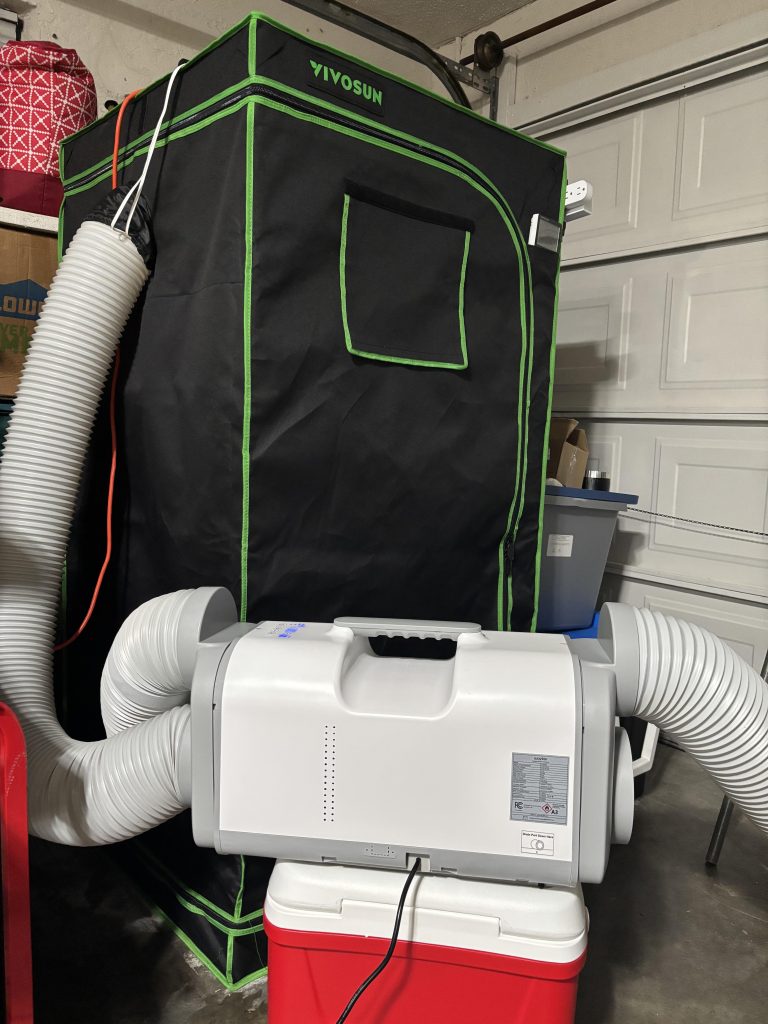
Portable Air Conditioners
Portable air conditioners are efficient for cooling small spaces. They are easy to install and use.
These devices come with adjustable settings. You can control the temperature to suit your plants’ needs.
- Requires a power source
- Adjustable temperature control
- Good for larger grow tents
Evaporative Coolers
Evaporative coolers use water to cool the air. They are energy efficient and cost-effective.
These coolers work best in dry climates. They add moisture to the air while reducing heat.
- Needs regular water refilling
- Best for dry environments
- Low energy consumption
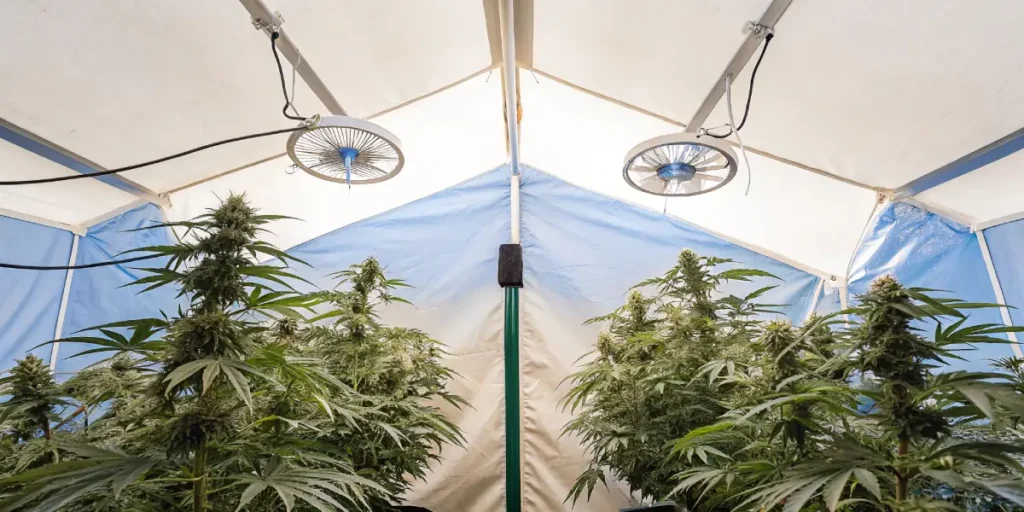
Using Clip Fans And Oscillators
Clip fans and oscillators circulate air in the grow tent. They help keep the temperature even.
These fans are small and easy to attach. They can be positioned to target specific areas.
- Easy to install
- Low energy use
- Helps prevent hot spots
Credit: blimburnseeds.com
Light Management
Cooling a grow tent is important to keep plants healthy. Light adds heat, so managing it helps control temperature. Adjusting your light setup can lower heat inside the tent.
This guide focuses on how to manage light to cool your grow tent. It covers switching to LED lights, changing light schedules, and reducing light intensity.
Switching To Led Lights
LED lights produce less heat than traditional bulbs. They use less power and still provide enough light for plants. Switching to LEDs helps reduce the grow tent temperature.
- LEDs use less electricity, which means less heat.
- They last longer than other lights.
- LEDs come in different colors for plant growth needs.
- They create less risk of burning plants.
Adjusting Light Schedules
Changing when and how long lights are on can lower heat. Plants need light to grow, but lights off times let the tent cool down.
| Light Schedule | Effect on Temperature |
| 12 hours on / 12 hours off | Moderate heat, good cooling time |
| 10 hours on / 14 hours off | Less heat, longer cooling period |
| 14 hours on / 10 hours off | More heat, less cooling time |
Reducing Light Intensity
Lowering light power cuts heat inside the tent. You can reduce intensity without hurting plants by adjusting settings or moving lights away.
Ways to reduce light intensity:
- Dim the lights if your system allows it.
- Raise lights farther from the plants.
- Use reflectors to spread light more evenly.
- Replace bulbs with lower wattage options.
Humidity Control
Controlling humidity inside a grow tent is important for plant health. Too much moisture can cause mold and pests. Too little humidity can slow plant growth.
Keeping the right humidity helps cool the grow tent. It creates a better environment for plants to grow strong and healthy.
Using Dehumidifiers
Dehumidifiers remove excess moisture from the air. They help keep humidity at a safe level inside the tent. This stops mold and mildew from growing.
Choose a dehumidifier that fits your tent size. Place it near the air outlet for best results. Clean the filter often to keep it working well.
- Pick the right size for your tent
- Place near exhaust fan or air outlet
- Empty the water tank regularly
- Clean or replace filters as needed
Balancing Humidity And Temperature
Humidity and temperature affect each other inside a grow tent. High humidity can make the tent feel hotter. Low humidity can cool the air but hurt plants.
Use fans and ventilation to keep air moving. This helps balance humidity and temperature. Monitor both with a hygrometer and thermometer for best results.
- Use exhaust and intake fans
- Keep air circulating with oscillating fans
- Check humidity and temperature daily
- Adjust fans or dehumidifier as needed

Credit: canadagrowsupplies.com
Insulation And Reflective Materials
Keeping a grow tent cool is important for healthy plants. Using insulation and reflective materials helps control temperature.
These materials reduce heat buildup and improve airflow. They work by blocking heat or reflecting light and heat away.
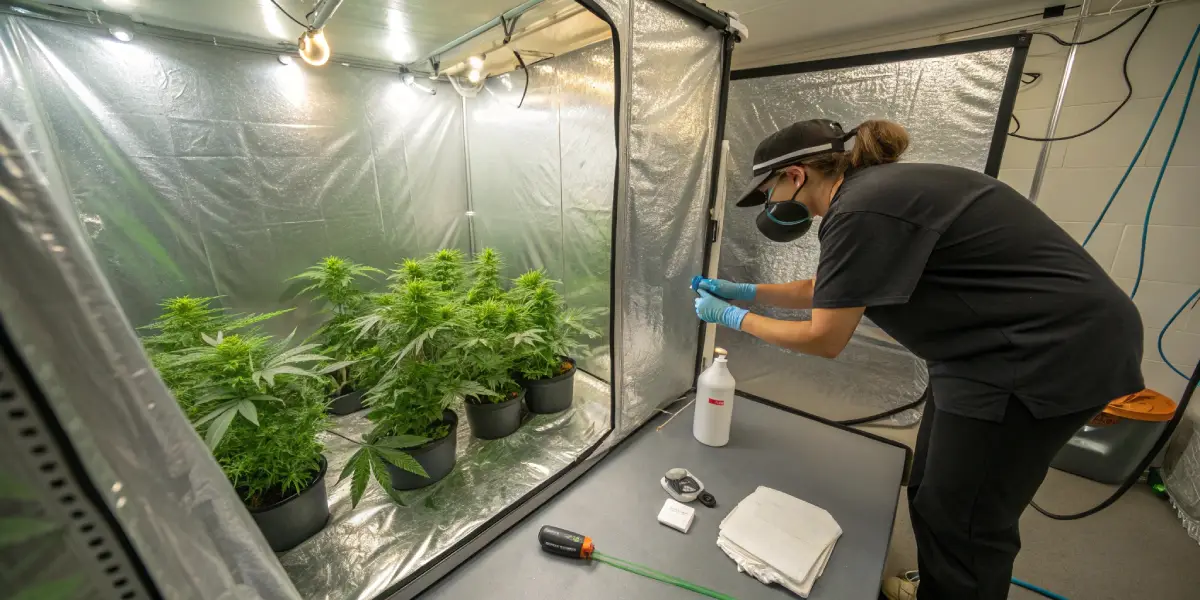
Using Reflective Mylar
Reflective Mylar is a shiny material that bounces light and heat away from the tent walls. It helps keep the inside cooler.
Covering the inside walls with Mylar improves light use and lowers heat. It also protects plants from hot spots.
- Buy Mylar sheets or rolls made for grow tents
- Attach Mylar smoothly to walls without wrinkles
- Reflects light evenly to avoid heat buildup
- Helps maintain stable temperatures inside the tent
Insulating Tent Walls
Insulating the tent walls slows heat from entering or leaving. This keeps the tent cooler during hot days.
Use foam board or reflective bubble insulation to add a layer between the tent and outside air. This helps block heat.
- Measure walls before buying insulation materials
- Cut insulation panels to fit tent walls
- Attach insulation with tape or clips inside the tent
- Combine insulation with Mylar for best cooling effect
Monitoring Temperature
Keeping the right temperature in your grow tent is important for healthy plants. Monitoring temperature helps you adjust cooling methods quickly.
Use tools to track both temperature and humidity. These measurements guide you to keep a stable environment inside the tent.
Thermometers And Hygrometers
Thermometers measure the air temperature, and hygrometers check humidity levels. Both are simple devices to use in your grow tent.
- Place thermometers at plant canopy level to get accurate readings.
- Check hygrometers regularly to avoid too much moisture or dryness.
- Use digital versions for easier reading and better precision.
- Keep devices away from direct light and fans for correct data.
Automated Climate Controllers
Automated climate controllers manage temperature and humidity by adjusting fans, heaters, or humidifiers. They keep conditions steady without constant manual checks.
| Feature | Description | Benefit |
| Temperature Sensor | Measures air temperature inside the tent | Maintains ideal heat levels automatically |
| Humidity Sensor | Monitors moisture in the air | Prevents mold and dryness |
| Control Outputs | Connects to fans, heaters, and humidifiers | Adjusts devices based on sensor data |
| Alerts | Notifies grower if conditions go outside set range | Allows quick response to problems |
Credit: blimburnseeds.com
Frequently Asked Questions
How Can I Lower Temperature Inside A Grow Tent?
Use exhaust fans and intake vents to improve airflow. Add oscillating fans to circulate air. Install an air conditioner or evaporative cooler for better temperature control.
What Role Does Ventilation Play In Cooling Grow Tents?
Ventilation removes hot, stale air and replaces it with fresh, cooler air. Proper airflow prevents heat buildup and maintains ideal growing conditions.
Can Led Grow Lights Reduce Heat In Grow Tents?
Yes, LED lights produce less heat compared to traditional HID lights. Using LEDs helps lower the overall temperature inside the grow tent.
How Does Reflective Material Help Cool A Grow Tent?
Reflective materials like Mylar reflect heat away from the tent walls. This reduces heat absorption and keeps the grow tent cooler.
Conclusion
Keeping your grow tent cool helps plants stay healthy and grow well. Use fans and ventilation to move hot air outside. Place a small air conditioner or cooling device if needed. Avoid direct sunlight on the tent to reduce heat.
Watch the temperature daily and adjust cooling tools as needed. A cool tent means better plant growth and higher yields. Stay patient and consistent with your cooling methods. Your plants will thank you with strong, healthy growth.