
Feeling trapped in a hot, stuffy tent can ruin your outdoor adventure fast. You want to relax and enjoy nature, not sweat through your clothes all day.
But what if there was a simple way to keep your tent cool and comfortable, even when the sun is blazing? You’ll discover easy, practical tips that will transform your tent into a cool haven. Keep reading, and you’ll learn how to stay refreshed and make your camping experience truly enjoyable.
Choose The Right Tent
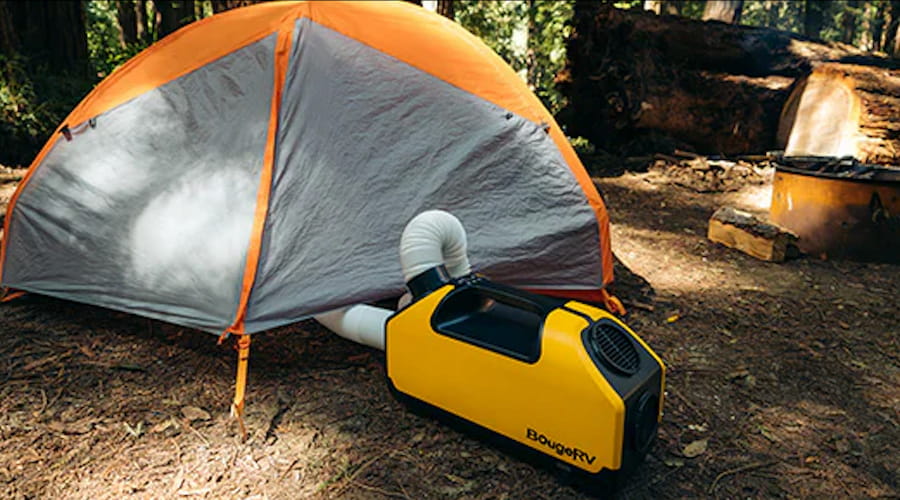
Choosing the right tent helps keep you cool during hot days. Some tents are better at blocking heat and allowing air flow.
Think about the color, ventilation, and size of the tent before you buy. These factors affect how cool the tent will stay.
Opt For Light Colors
Light colors reflect sunlight and heat. Dark colors absorb heat and make the tent hot inside.
Choose tents in white, beige, or light gray. These colors help keep the inside cooler.
Select Well-ventilated Designs
Tents with good ventilation let hot air escape. This helps air flow and cools the tent.
Look for tents with mesh windows, vents, or doors you can open. These features improve air circulation.
- Mesh panels block bugs but allow air
- Roof vents let hot air rise and exit
- Multiple doors create cross breeze
Consider Tent Size And Shape
Bigger tents with higher ceilings feel cooler. They allow hot air to rise above you.
Round or dome shapes help air move inside. Avoid tents that are too small or low.
- Larger floor space spreads heat
- Higher ceilings improve air flow
- Shapes that promote air movement keep cool
Credit: www.ecoflow.com
Pick The Best Campsite
Choosing the right spot for your tent helps keep it cool during hot days. The place you pick can change how warm or cool you feel inside.
Look for natural features and conditions that lower temperature. This makes your camping more comfortable and safe.
Find Shady Spots
Shade blocks direct sunlight and lowers heat. Trees, large bushes, or rock formations can give good shade.
- Set up your tent under leafy trees.
- Avoid open areas with no cover.
- Check if shade lasts most of the day.
Avoid Heat-trapping Surfaces
Some surfaces get very hot and send heat to your tent. Avoid these spots to stay cooler.
| Surface Type | Heat Effect |
| Concrete or asphalt | High heat reflection |
| Dry rocks | Absorb and radiate heat |
| Grass or dirt | Stay cooler and breathable |
Use Natural Wind Flow
Wind cools the tent by moving warm air away. Find spots where the wind flows freely but is not too strong.
Tips to use natural wind flow:
- Set the tent facing the breeze.
- Avoid valleys with still air.
- Use ridges or open plains for better airflow.
Set Up For Maximum Airflow
Keeping your tent cool is important for a comfortable camping experience. Proper airflow helps reduce heat inside the tent. Setting up your tent right can make a big difference.
Use simple techniques to improve air circulation. This will help keep the inside of your tent cooler and fresher.
Open All Vents And Doors
Open every vent and door on your tent to allow air to flow freely. This helps hot air escape and fresh air enter. The more openings you create, the better the airflow.
- Open front and back doors fully
- Unzip all side vents
- Leave windows open if your tent has them
- Use guy lines to keep doors propped open
Use Mesh Screens
Mesh screens keep bugs out while letting air flow through. Use tents with mesh panels or add mesh screens to doors and windows. This way, you get fresh air without unwanted insects.
| Benefit | Details |
| Airflow | Mesh allows breeze to pass through |
| Bug Protection | Keeps mosquitoes and flies outside |
| Visibility | See outside without opening tent fully |
| Light | Let natural light in while closed |
Elevate The Tent Floor
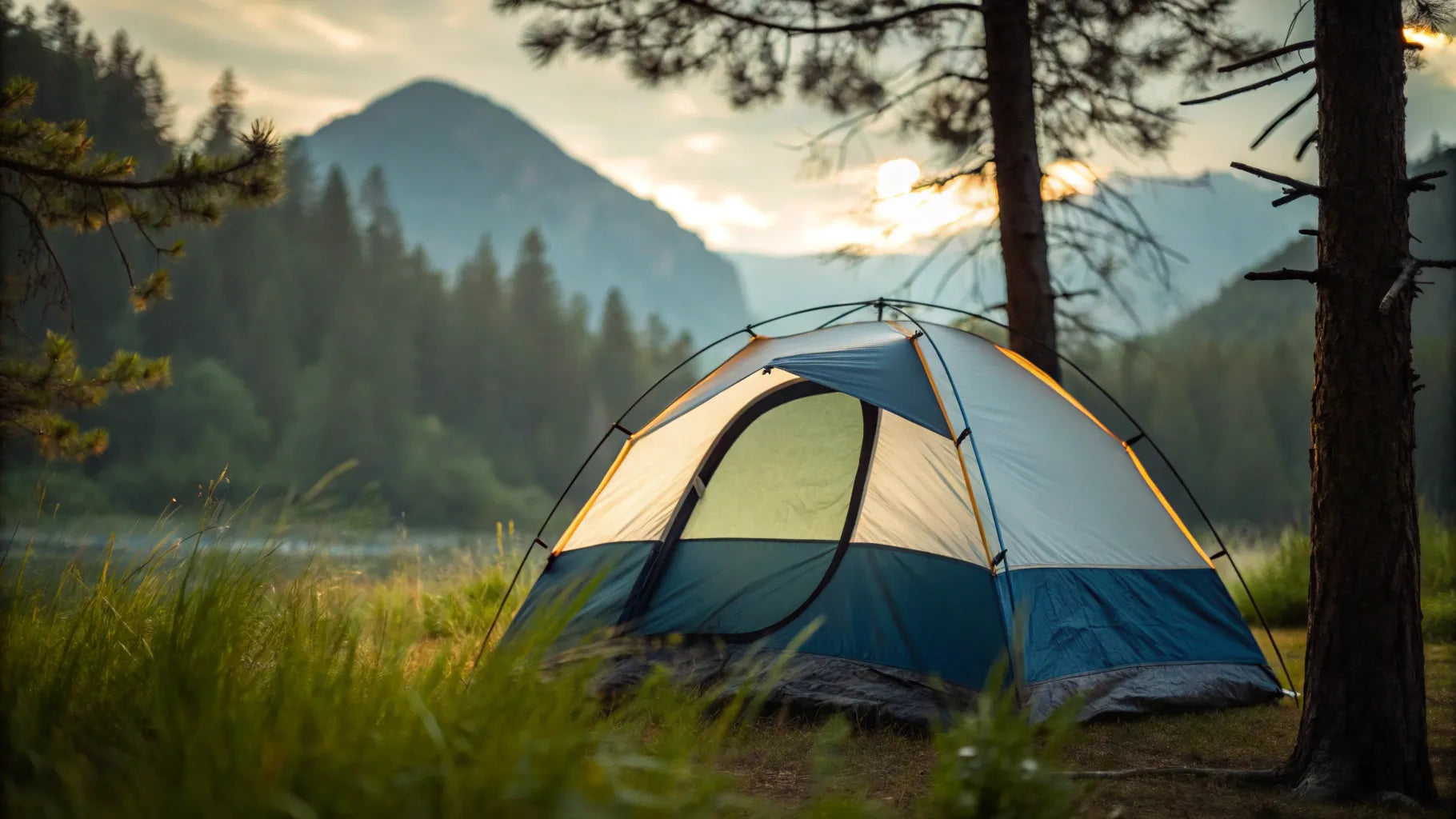
Raising the tent floor slightly off the ground lets air flow underneath. This stops heat from building up under the tent. Use objects like small boards or a camping cot to lift the floor.
- Place a ground tarp under the tent
- Use a camping cot inside the tent
- Set the tent on a wooden platform if possible
- Keep the floor dry to avoid heat retention
Credit: www.battlbox.com
Use Cooling Accessories
Keeping a tent cool makes camping more enjoyable. Cooling accessories help lower the temperature inside the tent. They are easy to use and can make a big difference.
Different accessories work best in different situations. You can combine several to get the best cooling effect. Here are some popular options to consider.
Portable Fans And Misters
Portable fans move air inside your tent, creating a breeze that cools you down. Battery-operated fans are convenient because they do not need power outlets. Misters spray a fine mist of water that evaporates quickly, lowering the air temperature.
- Use battery or USB-powered fans for easy setup.
- Place misters near tent openings for best airflow.
- Combine fans and misters for faster cooling.
- Keep extra batteries or power banks handy.
Cooling Towels And Pads
Cooling towels stay wet and feel cold on your skin. They help lower your body temperature quickly. Cooling pads go under you inside the tent. They absorb heat and keep the sleeping area cooler.
| Accessory | Use | Benefit |
| Cooling Towel | Wear on neck or head | Instant skin cooling |
| Cooling Pad | Place under sleeping bag | Reduces heat from ground |
| Both | Use together | Full body cooling |
Reflective Tarps And Rainflies
Reflective tarps and rainflies block sunlight from hitting your tent. They reflect heat away and keep the tent cooler. Setting up these covers above your tent creates shade and lowers temperature inside.
- Choose light-colored or reflective material.
- Set tarp at least a few feet above tent.
- Ensure good air circulation under tarp.
- Secure tarp well to prevent wind damage.
Manage Heat Inside The Tent
Keeping a tent cool makes camping more comfortable. Heat can build up quickly inside a tent on warm days. Simple steps can help lower the temperature inside your tent.
Focus on reducing heat sources, blocking sunlight, and staying cool yourself. These tips help you manage heat well during your trip.
Limit Heat-generating Devices
Devices like lanterns, stoves, and electronics create extra heat in tents. Use them sparingly to keep the air cooler.
- Turn off lights and electronics when not needed
- Cook outside the tent to avoid heat buildup
- Choose battery-powered lanterns over fuel lamps
- Avoid charging many devices inside the tent
Avoid Direct Sunlight Exposure
Sunlight heats tents quickly. Set up your tent in shaded areas to reduce heat inside.
| Shade Type | Benefits |
| Tree shade | Blocks sunlight and cools air around tent |
| Natural landforms | Provides wind protection and shade |
| Canopy or tarp | Creates extra shade over tent |
Hydrate And Wear Breathable Clothing
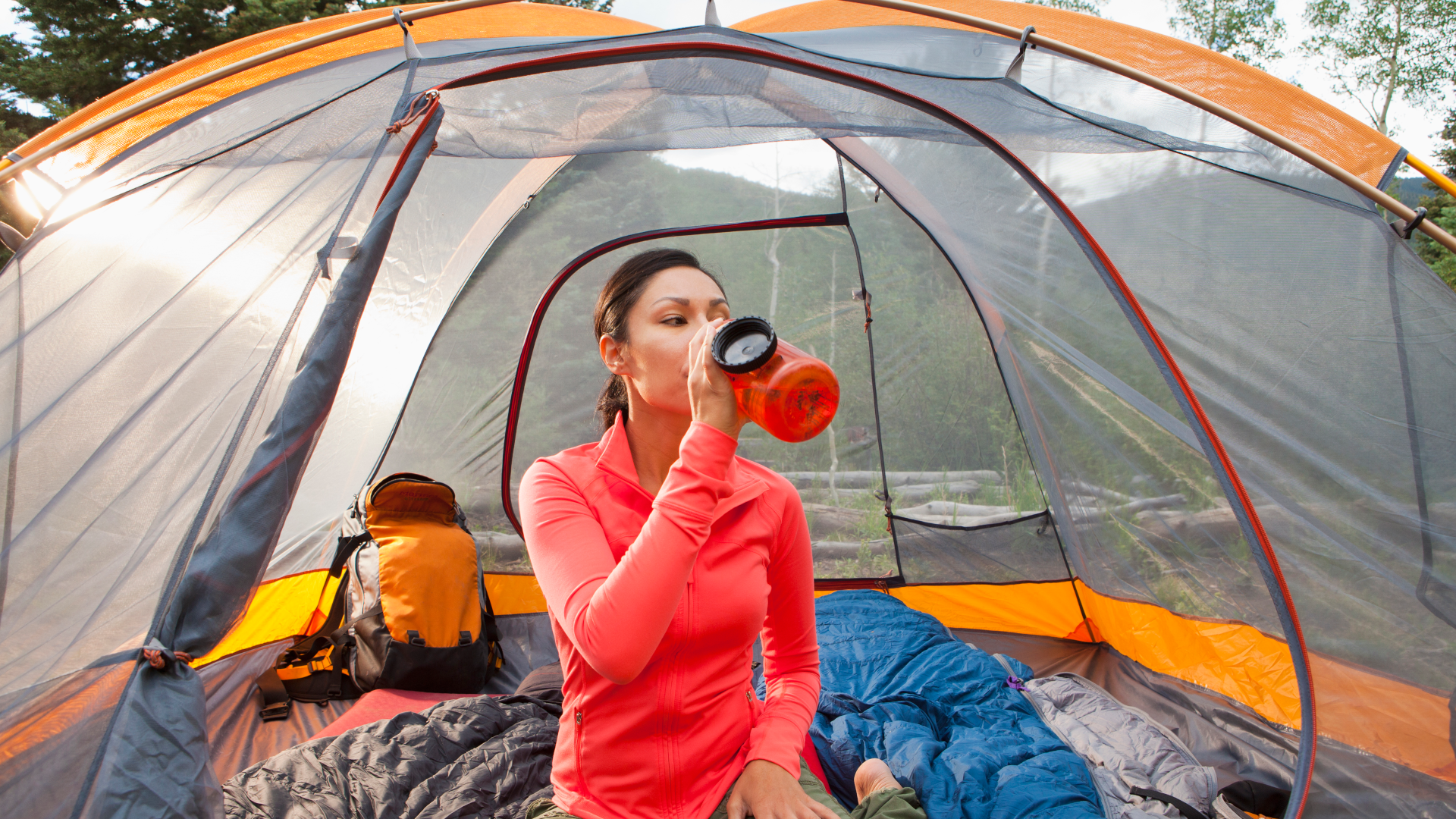
Drinking water helps your body stay cool. Wearing light, breathable clothes lets sweat evaporate, cooling you down.
- Drink water often, even if you do not feel thirsty
- Wear loose clothes made of cotton or moisture-wicking fabric
- Avoid dark colors that absorb heat
- Use hats or bandanas to protect your head from sun
Credit: www.t3.com
Additional Tips For Comfort
Keeping your tent cool can make your outdoor stay much more pleasant. Small changes can lower heat and improve airflow.
Here are some simple ways to boost comfort inside your tent during warm weather.
Set Up A Shade Canopy
Place a shade canopy above or near your tent. This blocks direct sunlight and lowers the temperature inside. Use light-colored fabric for better reflection.
- Choose a spot with natural shade if possible.
- Secure the canopy well to avoid it blowing away.
- Keep the canopy a few feet above the tent for air circulation.
Create Cross Breezes
Open tent doors or windows on opposite sides. This lets air flow through and cool the tent. Use a fan if natural wind is weak.
| Tip | How It Helps |
|---|---|
| Open front and back doors | Allows air to move straight through tent |
| Use mesh windows | Keeps bugs out while letting air in |
| Place fan near tent entrance | Boosts airflow on still days |
Use Ground Insulation
Lay down a ground cloth or foam pad under your tent floor. This stops heat from the ground warming your tent. It also adds comfort when sitting or lying down.
- Choose reflective ground covers to bounce heat away.
- Use thick foam pads to create a barrier from warm earth.
- Ensure the insulation covers the entire tent floor for best effect.
Frequently Asked Questions
How Can I Keep My Tent Cool In Hot Weather?
Use reflective tarps, open windows for airflow, and camp in shaded areas. Avoid direct sunlight to reduce heat inside the tent.
What Materials Help Cool A Tent Effectively?
Light-colored, breathable fabrics like cotton and mesh improve ventilation and reflect heat. Avoid dark, non-breathable materials that trap heat.
Does Tent Ventilation Really Reduce Heat Inside?
Yes, proper ventilation allows hot air to escape and fresh air to enter. This lowers temperature and reduces condensation inside the tent.
Can Using A Fan Help Cool A Tent?
Yes, battery-operated fans increase airflow and comfort inside the tent. Position fans near vents or doorways for best effect.
Conclusion
Keeping your tent cool makes camping much more fun. Use shade, ventilation, and light-colored fabrics to reduce heat. A small fan or damp cloth can help lower the temperature inside. Remember to camp near water or trees for natural cooling.
Stay safe by avoiding direct sunlight during the hottest hours. These simple tips make your outdoor stay comfortable and enjoyable. Enjoy your time outdoors without feeling too hot. Cool tents mean better sleep and happier adventures.