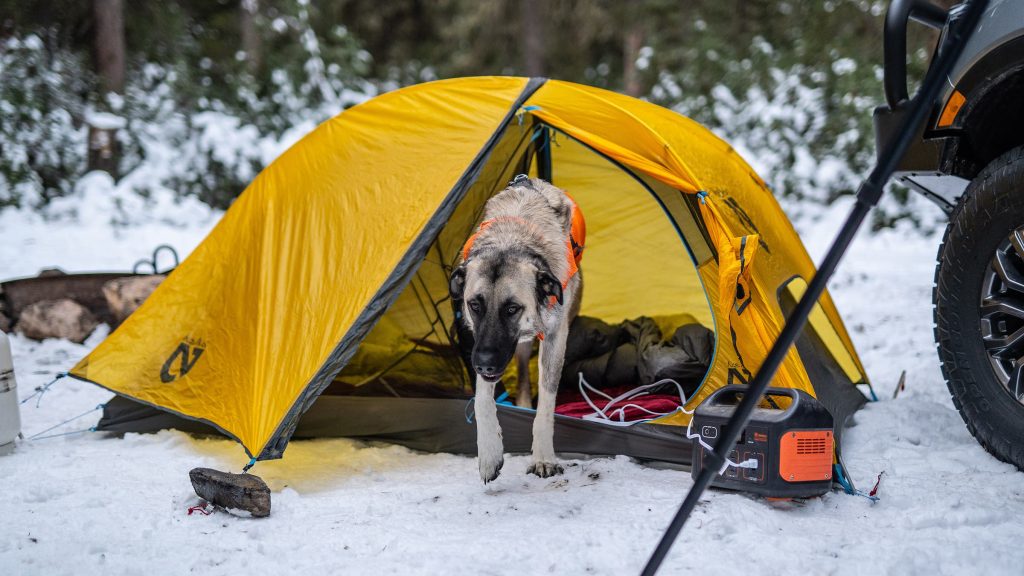
Are you tired of feeling like a sauna every time you step inside your tent? When the heat climbs, your camping trip can quickly turn uncomfortable.
But what if you could keep your tent cool and refreshing, even on the hottest days? With the right electrical solutions, you can transform your tent into a cool haven. Keep reading to discover simple, effective ways to beat the heat and enjoy your outdoor adventures without breaking a sweat.
Your comfort is just a few steps away.
Choosing The Right Cooling Equipment
Keeping a tent cool with electricity needs the right tools. You must pick cooling equipment that fits your tent size and power source.
This guide covers three main types of electric cooling devices for tents. Learn how each works and what suits your needs best.
Portable Air Conditioners
Portable air conditioners cool air by removing heat and moisture. They need a power outlet and a way to vent hot air outside the tent.
- Best for large tents with electrical access
- Requires venting through a window or tent flap
- Offers strong, adjustable cooling
- Consumes more electricity than fans or coolers
Evaporative Coolers
Evaporative coolers use water evaporation to lower air temperature. They work best in dry climates and need a water supply.
| Feature | Details |
|---|---|
| Power Use | Low to moderate |
| Water Needed | Yes, regular refills |
| Cooling Effect | Moderate, adds humidity |
| Best Climate | Dry and hot |
Fans And Ventilators
Fans move air to increase comfort by speeding up sweat evaporation. Ventilators help exchange hot indoor air for cooler outside air.
- Use ceiling or floor fans inside the tent
- Portable fans can be battery or electric powered
- Ventilators need openings for air exchange
- They use less power than air conditioners
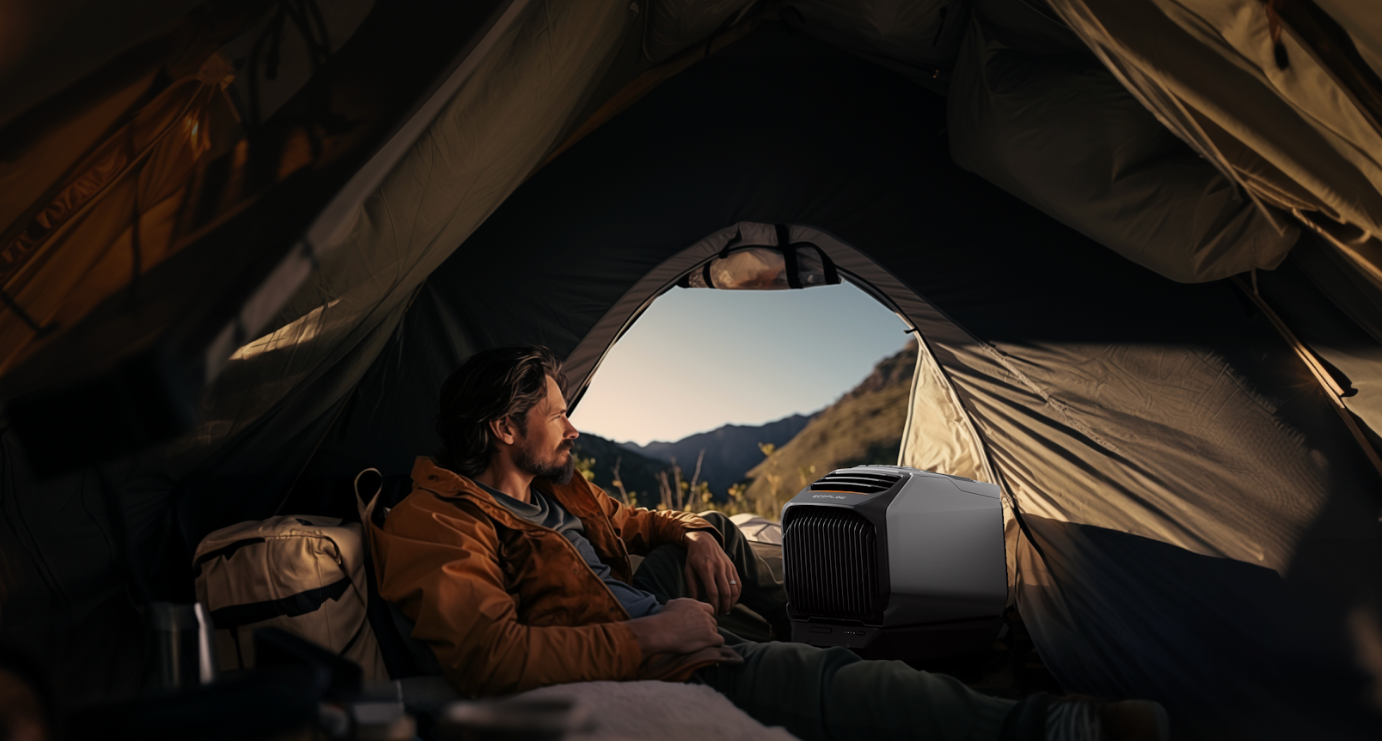
Credit: www.ecoflow.com
Setting Up Power Sources
To cool a tent with electricity, you need a reliable power source. This power runs fans or air coolers inside the tent. Choosing the right power source depends on your location and needs.
Here are three common options to supply power for cooling your tent: portable generators, solar power, and battery packs with inverters.
Using Portable Generators
Portable generators provide strong and steady power. They are good for camping trips where no other power is available. You can plug in fans or air conditioners to keep the tent cool.
Generators run on gasoline or propane. They make some noise but give reliable electricity for many hours.
- Choose a generator with enough watts for your cooling device
- Keep the generator outside the tent for safety
- Use fuel safely and store it properly
Solar Power Options
Solar panels use sunlight to create electricity. You can set up panels during the day to charge batteries. These batteries then run cooling devices inside the tent.
Solar power is quiet and clean. It works best in sunny places and during daytime camping.
- Use portable solar panels that are easy to carry
- Connect panels to a battery to store power
- Check the solar panel wattage to meet your cooling needs
Battery Packs And Inverters
Battery packs store electrical energy you can use anytime. An inverter changes battery power to run devices needing AC power. This setup works well for small fans or coolers.
They are quiet and easy to carry. Charge the batteries before your trip or use solar panels to recharge them.
- Pick battery packs with enough capacity for your devices
- Use an inverter that matches the power rating of your cooler or fan
- Keep battery packs charged for longer use
Optimizing Tent Ventilation
Keeping a tent cool with electricity needs good airflow. Proper ventilation moves hot air out and fresh air in. This lowers the temperature inside the tent.
Use fans and vents smartly. This helps air flow better and keeps the space comfortable during hot days.
Positioning Fans For Airflow
Place fans where air can move freely. Point one fan to blow fresh air inside. Put another fan opposite to push warm air out. This creates a flow of air inside the tent.
- Set a fan at the tent entrance facing inward.
- Place another fan near a vent or window facing outward.
- Elevate fans slightly to move warm air away from floor level.
- Avoid blocking fans with gear or fabric.
Creating Cross Ventilation
Cross ventilation uses openings on opposite sides of the tent. This lets air flow straight through. It works best with electric fans and natural wind.
| Vent Location | Effect on Airflow |
|---|---|
| Opposite sides | Strong, straight airflow |
| Adjacent sides | Moderate airflow, some circulation |
| Same side | Poor airflow, little cooling |
Open vents or windows on opposite sides. Use fans to push air through one side and pull it from the other. This cools the tent faster.
Using Tent Windows And Vents
Windows and vents help fresh air enter and hot air leave. Keep them open if the weather allows. Use mesh screens to keep bugs out.
- Open windows on the shaded side of the tent.
- Use vents near the top to let hot air escape.
- Keep vents clear of obstructions for better airflow.
- Close vents if rain or strong wind comes.
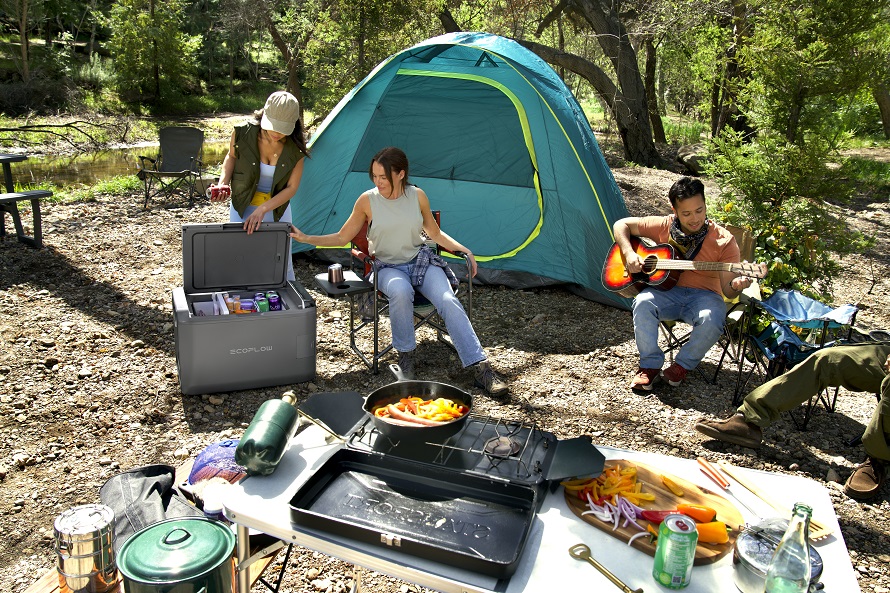
Credit: www.ecoflow.com
Improving Insulation And Shade
Keeping a tent cool with electricity starts by reducing heat inside it. Insulation and shade help lower the need for electric cooling. These methods block heat from entering the tent.
Using reflective materials, shade structures, and ground insulation can make a big difference. These simple steps improve comfort and reduce electric use.
Reflective Tent Covers
Reflective tent covers bounce sunlight away from the tent. They reduce heat buildup by reflecting light and heat instead of absorbing it. These covers fit over the tent roof and walls.
Choose covers made from materials like aluminized fabric or reflective polyethylene. These materials stay cool and protect the tent from direct sun.
Shade Structures And Tarps
Shade structures and tarps block sunlight before it reaches the tent. Placing them above or around the tent lowers the temperature inside. These can be easy to set up and move.
- Use a tarp stretched above the tent to create shade.
- Set up a shade sail or canopy nearby.
- Place the tent under trees or natural shade if possible.
- Leave space between the tarp and tent for air flow.
- Choose light-colored tarps to reflect sunlight.
Ground Insulation Techniques
Insulating the ground stops heat from rising into the tent. Adding a barrier between the earth and the tent floor keeps the inside cooler.
| Material | Description | Benefit |
|---|---|---|
| Foam Pads | Lightweight closed-cell foam sheets | Blocks heat and moisture from the ground |
| Reflective Blankets | Mylar or aluminum-coated sheets | Reflects heat away from the tent floor |
| Insulating Rugs | Thick woven or synthetic rugs | Provides a soft barrier and reduces heat transfer |
| Plastic Groundsheet | Waterproof polyethylene sheet | Prevents moisture and some heat from entering |
Safety Tips For Electrical Cooling
Cooling a tent with electricity can make camping more comfortable. It is important to use electrical devices safely to avoid accidents.
Always follow safety rules to protect yourself and your gear from damage or injury.
Managing Cables And Connections
Keep cables organized to prevent tripping and damage. Use cable ties or clips to secure wires away from walkways.
Check all connections before use to ensure plugs and sockets fit well. Loose connections can cause sparks or fires.
- Use heavy-duty extension cords rated for outdoor use
- Avoid running cables under rugs or tents where they can overheat
- Keep cables dry and away from water sources
Preventing Overloads
Do not plug too many devices into one outlet. Overloading circuits can cause power failures or fires.
Check the power ratings of your devices and use a power strip with a built-in circuit breaker for protection.
- Limit the number of devices on one power source
- Use electrical equipment with proper wattage ratings
- Turn off devices when not in use to reduce load
Weatherproofing Electrical Gear
Protect all electrical gear from rain and moisture. Use covers or waterproof boxes to keep equipment safe.
Place electrical devices off the ground to avoid water contact during wet weather or flooding.
- Use waterproof extension cords and plugs made for outdoor use
- Cover outlets with weatherproof covers or enclosures
- Inspect gear regularly for signs of water damage

Credit: www.reddit.com
Maintenance And Troubleshooting
Cooling a tent with electricity requires regular maintenance. It ensures efficient performance and longevity. Troubleshooting common issues can prevent inconvenience during camping trips.
Understanding how to maintain and troubleshoot your tent cooling system is essential. It keeps your camping experience comfortable and stress-free.
Cleaning Filters And Fans
Regular cleaning of filters and fans is crucial. It enhances the cooling system’s performance. Dirty filters and fans can hinder airflow and cooling efficiency.
- Remove filters gently and rinse them with water.
- Dry filters completely before reinstalling them.
- Use a soft brush to clean fan blades.
- Ensure no debris is blocking the fan.
Checking Power Supply
A stable power supply is vital for a tent cooling system. Check connections and voltage regularly. This prevents sudden power failures during use.
Ensure the power cords are not damaged.
Use a voltmeter to check voltage levels.
Keep power sources away from water and moisture.
Handling Common Issues
Addressing common issues promptly can save time and money. Knowing the solutions to typical problems helps in maintaining the system effectively.
| Issue | Solution |
| No airflow | Check if the fan is obstructed. |
| Low cooling | Clean filters and check power supply. |
| Unusual noise | Tighten loose screws on the fan. |
Frequently Asked Questions
How Can I Cool A Tent Using Electricity Safely?
Use battery-powered fans or portable air conditioners designed for outdoor use. Avoid overloading electrical outlets and keep cords dry. Always follow manufacturer guidelines to prevent hazards and ensure efficient cooling.
What Electric Devices Are Best For Cooling Tents?
Portable rechargeable fans and compact air conditioners work well. They consume less power and are easy to carry. Choose devices with adjustable speeds for better temperature control inside your tent.
Can I Use A Generator To Power Tent Cooling?
Yes, a portable generator can power fans or small air conditioners. Make sure it’s placed outside the tent to avoid carbon monoxide poisoning. Use surge protectors to protect your devices.
How Do I Minimize Electricity Use While Cooling A Tent?
Use energy-efficient fans or AC units with low wattage. Close tent flaps to keep cool air inside. Use reflective tarps outside to reduce heat buildup and lower power consumption.
Conclusion
Cooling a tent with electricity makes camping more comfortable. Small fans and portable air conditioners help reduce heat inside. Always check power sources and safety before use. Ventilation matters too, so keep airflow steady. Staying cool means enjoying your outdoor time better.
Try these easy tips to beat the heat. Camping should feel fresh, even on hot days. Simple tools can make a big difference. Stay safe, stay cool, and enjoy your adventure.