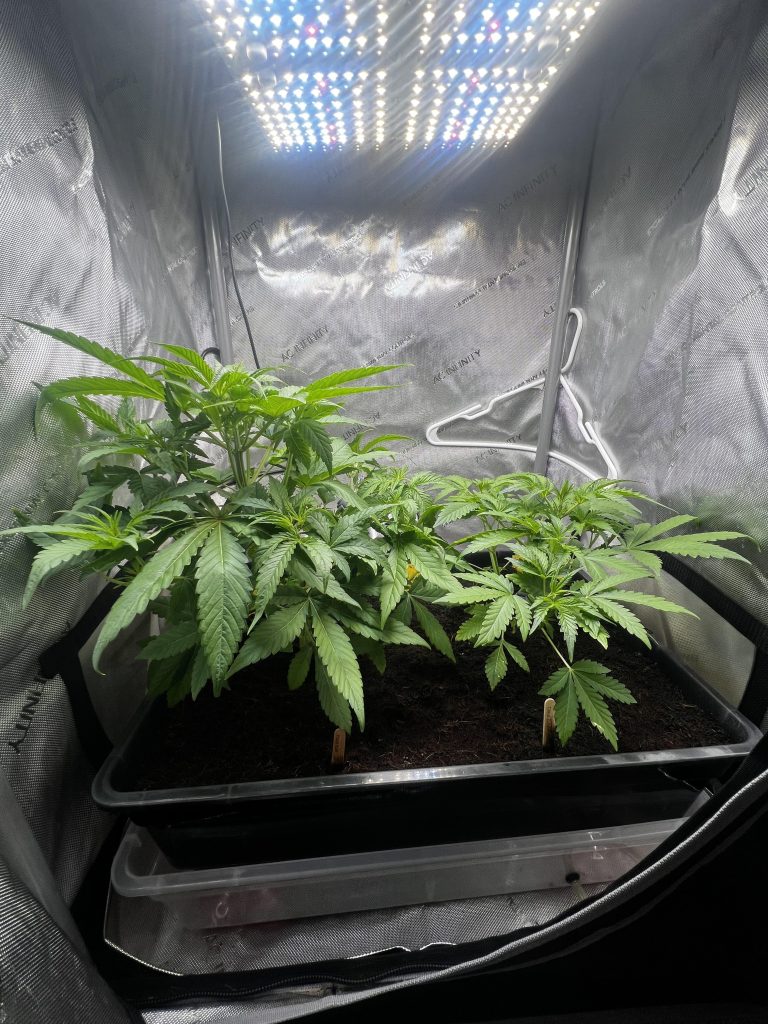
Is your grow tent getting too hot? High temperatures can harm your plants and slow their growth.
You want to keep your plants healthy and thriving, but managing the heat inside a grow tent can be tricky. What if you could easily cool down your grow tent without spending a fortune or making complicated changes? You’ll discover simple, effective ways to lower the temperature and create the perfect environment for your plants.
Keep reading to learn how to protect your plants and boost your harvest like a pro.

Credit: www.reddit.com
Choosing The Right Location
Cooling your grow tent starts with picking the best spot. The location can affect temperature and airflow inside the tent.
Choose a place that helps keep your plants cool without extra effort. This makes growing easier and more efficient.
Avoid Direct Sunlight
Direct sunlight heats the grow tent quickly. This can cause high temperatures that harm your plants.
- Place the tent away from windows with strong sun rays
- Use curtains or blinds to block sunlight if needed
- Keep the tent in shaded or indoor areas with less light
Select A Well-ventilated Area
Good airflow helps remove heat and brings fresh air to plants. Choose a space where air moves freely around the tent.
| Ventilation Tip | Reason |
| Place near open windows or vents | Allows hot air to escape |
| Use a fan in the room | Keeps air circulating |
| Avoid cramped corners | Prevents heat buildup |
Ventilation Strategies
Keeping your grow tent cool is important for healthy plant growth. Proper ventilation can help manage the temperature and humidity levels inside the tent.
Learn how to install the right systems to ensure your plants thrive in a controlled environment.
Installing Exhaust Fans
Exhaust fans remove hot air from your grow tent. They help maintain a cooler atmosphere for your plants.
- Choose a fan size based on your tent’s volume.
- Install the fan at the top of the tent where hot air gathers.
- Ensure the fan is securely mounted to prevent vibrations.
Using Intake Vents
Intake vents allow fresh air to enter the tent. This helps replace the hot air removed by exhaust fans.
Place intake vents low in the tent where cooler air is available. Ensure that the vents are unobstructed for optimal airflow.
Setting Up Oscillating Fans
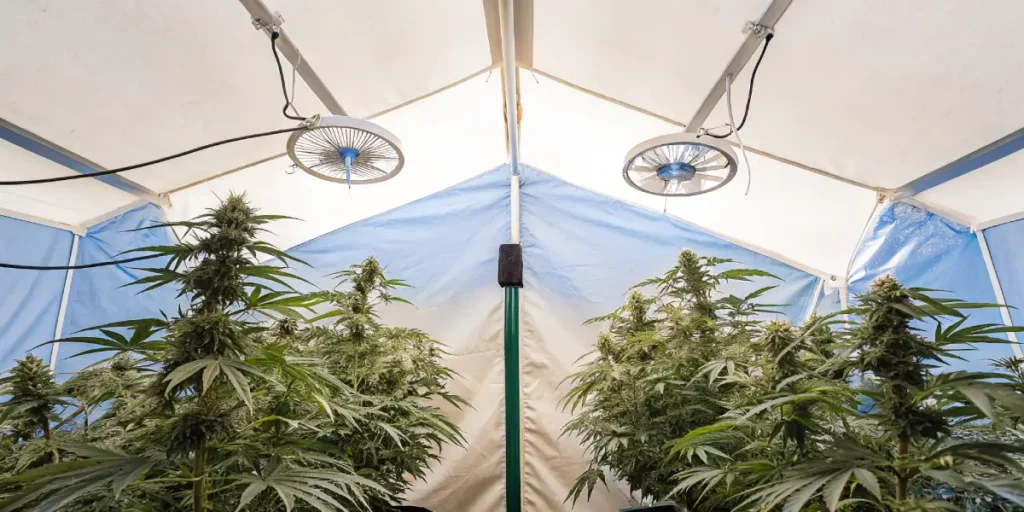
Oscillating fans circulate air within the tent. They help distribute air evenly around the plants.
| Fan Type | Placement |
| Clip-on Fan | Attach to tent poles |
| Standing Fan | Place on the floor |
| Wall-mounted Fan | Fixed to tent walls |
Cooling Equipment Options
Keeping your grow tent cool is important for healthy plant growth. Using the right cooling equipment helps control temperature. It prevents heat stress and improves air quality inside the tent.
This guide covers three main cooling methods. Each option works differently to lower the temperature. Choose the best one based on your space and budget.
Using Air Conditioners
Air conditioners cool the grow tent by removing warm air and adding cold air. They keep temperatures steady and reduce humidity. Portable or window units are common choices for tents.
Air conditioners need proper ventilation to work well. Make sure to place the exhaust hose outside the grow area. Regular maintenance helps keep the unit efficient.
Implementing Evaporative Coolers
Evaporative coolers lower temperature by adding moisture to the air. They work best in dry climates. These coolers use less energy than air conditioners but increase humidity.
- Use in areas with low humidity
- Place near an air intake for better airflow
- Keep water tanks filled and clean
- Monitor humidity to avoid excess moisture
Employing Portable Fans
Portable fans move air inside the grow tent. They do not cool the air but help with air circulation. Fans reduce hot spots and increase evaporation from plant leaves.
| Fan Type | Best Use | Energy Use |
| Oscillating Fan | Even air distribution | Low |
| Inline Fan | Ventilation and exhaust | Medium |
| Clip-On Fan | Targeted airflow | Low |
Controlling Humidity Levels
Keeping humidity at the right level helps plants stay healthy. Too much moisture can cause mold and pests. Too little can dry out your plants.
Controlling humidity is key to cooling down your grow tent. You can use tools and techniques to keep it balanced.
Using Dehumidifiers
Dehumidifiers remove excess moisture from the air. They help keep the humidity in your grow tent at a safe level. This prevents mold and mildew.
- Choose a dehumidifier sized for your tent.
- Place it where air flows well.
- Empty the water tank regularly.
- Set the desired humidity level on the device.
- Keep vents open for better air circulation.
Balancing Temperature And Humidity
Temperature and humidity affect each other. Warm air holds more moisture, so higher heat can raise humidity. Cooling the air lowers humidity.
| Temperature (°F) | Ideal Humidity (%) |
|---|---|
| 65 – 75 | 50 – 60 |
| 75 – 85 | 40 – 50 |
| 85 – 95 | 30 – 40 |
Use fans and vents to keep air moving. Cooler air reduces humidity naturally. Measure both temperature and humidity often to keep balance.
Lighting Adjustments
Lighting creates heat inside a grow tent. This can raise the temperature too high for plants.
Adjusting your lighting setup helps keep the tent cool and plants healthy.
Switching To Led Lights
LED lights produce less heat than traditional bulbs. This reduces the temperature inside the tent.
They also use less electricity and last longer, which makes them more efficient for growing.
- LEDs run cooler than HID or fluorescent lights
- They save energy and reduce heat buildup
- Better light spectrum for plant growth
Reducing Light Intensity And Duration
Lowering light intensity helps reduce heat output. Use dimmers or move lights farther from plants.
Shortening light hours also cuts down heat. Adjust your timer to give plants cooler rest periods.
- Dim lights to reduce heat without hurting plants
- Increase distance between lights and plants
- Set timers for fewer hours of light per day
- Give plants time to cool during dark hours
Insulation And Reflective Materials
Keeping your grow tent cool is important for healthy plants. Insulation and reflective materials help control temperature inside the tent. These materials reduce heat buildup and reflect light effectively.
Using the right insulation and reflective materials can make your grow tent cooler and more energy-efficient. Let’s look at two key methods to keep your tent cool.
Using Thermal Insulation
Thermal insulation slows down heat transfer from outside to inside the grow tent. It helps keep the inside temperature stable, especially in hot weather. Common insulation materials include foam boards, bubble wrap, and insulated panels.
- Use foam boards on walls to block heat.
- Wrap vents and ducts with insulation sleeves.
- Place reflective bubble wrap inside walls to trap cool air.
- Seal gaps and openings to stop warm air from entering.
Applying Reflective Foil
Reflective foil reflects light and heat away from your grow tent. It improves light distribution inside and stops heat from building up. Many growers line the tent walls with reflective foil for better cooling.
| Reflective Foil Type | Key Feature | Best Use |
| Mylar Foil | High reflectivity (up to 90%) | Wall lining and floor cover |
| Aluminum Foil | Good heat reflection | Small areas or vents |
| Reflective Bubble Wrap | Reflects light and insulates | Walls and ceiling insulation |
Monitoring Temperature
Keeping the right temperature inside a grow tent is very important. It helps plants stay healthy and grow well.
Using tools to check and control temperature can make this task easier. Let’s look at two key ways to monitor temperature.
Using Thermometers And Hygrometers
Thermometers measure heat, and hygrometers measure moisture in the air. Both help you understand your grow tent’s climate.
- Place a thermometer inside the tent to track temperature.
- Use a hygrometer to check humidity levels.
- Check these devices daily to keep conditions stable.
- Adjust fans or vents based on the readings you get.
Automating Temperature Control
Automation can keep the tent temperature steady without constant manual checks. Devices can turn fans or heaters on and off as needed.
| Device | Function | Benefit |
| Thermostat | Controls temperature | Keeps temperature stable |
| Timer | Runs devices on schedule | Prevents overheating |
| Humidity controller | Adjusts moisture levels | Protects plants from dryness |
Credit: blimburnseeds.com

Credit: www.reddit.com
Frequently Asked Questions
How Can I Lower Temperature In A Grow Tent?
Use exhaust fans to expel hot air and intake fans for fresh air. Place fans strategically for airflow. Keep lights off during hot hours to reduce heat buildup inside the tent.
What Role Does Ventilation Play In Cooling Grow Tents?
Proper ventilation removes excess heat and maintains fresh air circulation. It prevents humidity buildup and keeps plants healthy. Using inline fans and venting systems ensures consistent temperature control.
Can Reflective Materials Help Cool Down A Grow Tent?
Yes, reflective materials like Mylar reflect light and reduce heat absorption. They keep tent walls cooler by bouncing heat away. This improves light efficiency and prevents overheating.
Is Air Conditioning Necessary For Grow Tent Cooling?
Air conditioning is helpful but not always necessary. Efficient ventilation and fans often suffice. Use AC if ambient temperatures are extremely high or during heat waves for better control.
Conclusion
Keeping your grow tent cool helps plants grow strong and healthy. Use fans and vents to move air well. Place your lights away from plants to lower heat. Check temperature often and adjust as needed. Small changes can make a big difference.
A cool tent means better growth and higher yields. Stay patient and watch your plants thrive. Cooling your grow tent is simple with these tips. You can do it!