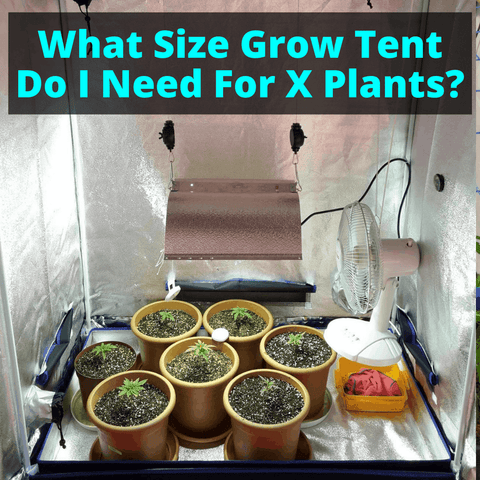
Is your grow tent getting too hot? If your plants are struggling because of high temperatures, you’re not alone.
Keeping your grow tent cool is essential for healthy, thriving plants. But how do you manage the heat without breaking the bank or making things complicated? In this guide, you’ll discover simple, effective ways to lower the temperature inside your grow tent.
By the end, you’ll know exactly what steps to take to create the perfect environment for your plants. Ready to keep your grow tent cool and your plants happy? Let’s dive in.
Choosing The Right Tent Location
Picking the right place for your grow tent helps keep plants healthy. It controls temperature and airflow.
Think about sunlight, ventilation, and cool spots in your home. These affect how well your plants grow.
Avoid Direct Sunlight
Direct sunlight can raise the temperature inside the tent too much. This can stress your plants.
Choose a spot that stays shaded most of the day. This keeps the tent cooler and protects plants.
Select Well-ventilated Areas
Good airflow lowers heat and humidity inside the tent. It also prevents mold and pests.
- Place the tent near windows or vents
- Use fans to improve air movement
- Keep doors or openings clear for air flow
Consider Basement Or Cooler Rooms
Basements and cooler rooms keep the tent temperature steady. This helps plants grow without heat stress.
| Location | Temperature | Airflow |
| Basement | Cool and stable | Moderate |
| Living Room | Warmer | Variable |
| Garage | Can be hot or cold | Depends on ventilation |
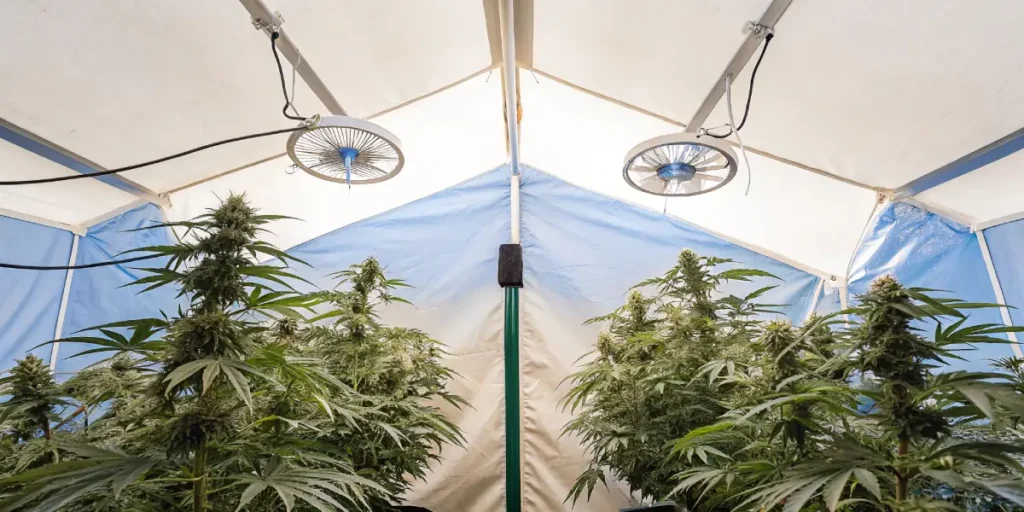
Credit: blimburnseeds.com
Ventilation Techniques
Keeping your grow tent cool is important for healthy plants. Good ventilation helps control temperature and air quality.
Using fans and vents can move hot air out and bring fresh air in. This keeps the environment balanced.
Using Exhaust Fans
Exhaust fans pull hot air out of the grow tent. This lowers the temperature inside the tent.
Place the fan near the top since hot air rises. Make sure it is strong enough for your tent size.
- Choose a fan with proper airflow (CFM) for your tent
- Install the fan at the top of the tent
- Use a duct to direct hot air outside
- Turn the fan on during the light cycle to remove heat
Installing Intake Vents
Intake vents bring fresh air into the grow tent. This replaces the hot air pushed out by the exhaust fan.
Place intake vents near the bottom of the tent for cooler air. Passive vents work without power, but active vents use fans.
- Install vents low to let cool air enter
- Use mesh covers to keep pests out
- Keep vents open during the light cycle
- Consider using intake fans for better airflow
Setting Up Oscillating Fans
Oscillating fans move air inside the grow tent. This helps prevent hot spots and strengthens plant stems.
Place these fans so they gently blow air over the plants. Avoid strong winds that may damage leaves.
- Set fans to oscillate slowly across the plants
- Position fans above or beside plants
- Keep airflow gentle and steady
- Run fans continuously for best results
Cooling Devices For Grow Tents
Keeping your grow tent cool is important for healthy plant growth. There are different devices you can use to lower the temperature inside your tent.
Choosing the right cooling device helps maintain the ideal environment for your plants. Below are some effective options to consider.
Portable Air Conditioners
Portable air conditioners are a powerful option for cooling grow tents. They can quickly reduce the temperature and maintain a stable climate.
- Easy to move and position
- Can cool large areas effectively
- Requires a power source and proper ventilation
Evaporative Coolers
Evaporative coolers use water to cool the air. They are energy efficient and work best in dry climates. These coolers are a good choice for small to medium grow tents.
| Feature | Benefit |
| Energy Usage | Low |
| Best for | Dry Climates |
| Size | Compact |
Using Ice Packs And Frozen Bottles
Ice packs and frozen bottles are a simple way to cool your grow tent. They are cost-effective and easy to use. Place them around the tent to lower the temperature.

Credit: emeraldharvest.co
Temperature Monitoring Tools
Keeping the right temperature inside a grow tent is very important. Plants need a good climate to grow well.
Using the right tools helps you check and control temperature and humidity easily.
Digital Thermometers
Digital thermometers show the exact temperature inside your grow tent. They are easy to read and very accurate.
- Some come with large screens for clear viewing.
- Many have alarms that warn if temperature is too high or low.
- Wireless options let you check temperature from a distance.
Hygrometers For Humidity Control
Hygrometers measure the humidity level in the air. Plants need the right moisture to stay healthy.
| Humidity Level | Plant Effect |
| Too Low | Leaves dry out and plants weaken |
| Ideal (40%-60%) | Plants grow strong and healthy |
| Too High | Risk of mold and fungus |
Automated Climate Controllers
Automated climate controllers manage temperature and humidity for you. They link sensors with fans and heaters.
Benefits of automated controllers:
- Keep conditions steady without manual checks
- Save energy by using devices only when needed
- Set alerts for quick action if problems occur
Lighting Choices To Reduce Heat
Choosing the right lighting can help keep your grow tent cool. Lights often produce heat, which affects plant growth. Using proper lighting can reduce heat buildup inside the tent.
This guide covers three key areas: LED versus HID lights, adjusting light cycles, and using reflective materials to manage heat effectively.
Led Vs Hid Lights
LED lights use less electricity and produce less heat than HID lights. HID lights, like metal halide and high-pressure sodium lamps, generate more heat. This makes LED lights a better choice to keep your grow tent cool.
| Light Type | Heat Produced | Energy Use |
| LED | Low | Low |
| HID | High | High |
Adjusting Light Cycles
Changing light cycles can help reduce heat inside the grow tent. Turning lights off during the hottest parts of the day lowers temperature and gives plants a cool period.
- Set lights to run during cooler hours, like early morning or night.
- Use timers to control lighting periods automatically.
- Shorten light periods if heat becomes too high.
Using Reflective Materials
Reflective materials help spread light evenly and reduce hot spots. They also keep heat away from plants by reflecting light rather than absorbing it.
| Material | Reflectivity | Heat Resistance |
|---|---|---|
| Mylar | High (85-95%) | Good |
| White Paint | Moderate (70-85%) | Moderate |
| Aluminum Foil | Moderate (60-75%) | Low |

Credit: www.reddit.com
Insulation And Tent Modifications
Keeping a grow tent cool is important for plant health. Insulating your tent and making small changes can help lower the temperature inside.
This guide covers key ways to improve insulation and modify your tent to keep it cool and efficient.
Heat-reflective Covers
Heat-reflective covers block heat from entering the tent. They reflect sunlight and other heat sources away from the tent walls.
These covers can be placed on the outside or inside of the tent. They help keep the tent cooler during hot days.
Sealing Air Leaks
Air leaks allow warm air to enter and cool air to escape. Sealing these leaks stops unwanted heat from coming in.
- Use weather stripping around zippers and openings
- Seal gaps with duct tape or silicone sealant
- Check corners and seams for small holes
- Ensure ventilation ports have proper covers
Adding Insulation Layers
Adding insulation layers slows heat transfer through the tent walls. This helps keep the inside temperature stable.
| Insulation Material | Benefits | Use Tips |
| Reflective Foil | Blocks radiant heat | Place on tent walls |
| Foam Boards | Good thermal barrier | Cut to fit tent frame |
| Bubble Wrap | Traps air for insulation | Wrap around poles or walls |
| Insulating Blankets | Easy to install | Hang inside tent |
Watering And Humidity Management
Keeping the right watering and humidity levels is key for cooling a grow tent. Proper care helps plants grow healthy and stops heat build-up.
This guide explains how humidity affects temperature, watering tips, and using dehumidifiers to keep your grow tent cool.
Impact Of Humidity On Temperature
Humidity changes how heat feels inside the grow tent. High humidity makes the air feel warmer and harder to cool.
When humidity rises, plants and soil release less water vapor. This reduces natural cooling and raises the temperature.
Proper Watering Techniques
Water plants carefully to avoid adding too much moisture to the air. Overwatering raises humidity and heat.
Water in the morning or early afternoon. This lets excess water evaporate before night, keeping humidity steady.
- Use well-draining soil to stop water buildup
- Water only when soil feels dry to the touch
- Avoid spraying leaves to reduce moisture in the air
- Check soil moisture with a meter for accuracy
Using Dehumidifiers
Dehumidifiers remove extra moisture from the grow tent air. This lowers humidity and helps keep temperature down.
Place the dehumidifier near the tent’s air outlet for best airflow. Empty the water tank regularly to keep it working well.
- Choose a dehumidifier sized for your tent’s volume
- Monitor humidity with a hygrometer to adjust settings
- Use dehumidifiers with auto shut-off for safety
- Combine with fans to improve air circulation
Frequently Asked Questions
How Can I Reduce Heat In My Grow Tent Effectively?
Use ventilation fans and carbon filters to improve airflow. Add an exhaust fan to remove hot air. Consider an air conditioner for extreme heat. Reflective tent walls help distribute light and reduce heat spots.
What Is The Best Fan Setup For Cooling A Grow Tent?
Install an intake fan to bring fresh air inside. Use an exhaust fan to expel warm air. Oscillating fans inside circulate air evenly. Position fans to avoid direct wind on plants but ensure good airflow.
How Does Light Type Affect Grow Tent Temperature?
LED lights generate less heat than HID bulbs. Using LEDs reduces cooling needs and electricity costs. High-intensity lights raise tent temperature significantly. Choose energy-efficient lights to maintain lower temperatures.
Can I Use Air Conditioning To Cool A Grow Tent?
Yes, portable or window AC units can control tent heat. They offer precise temperature control but increase electricity use. Ensure the AC size matches your tent volume. Proper insulation improves AC efficiency.
Conclusion
Keeping your grow tent cool helps plants grow healthy and strong. Use fans, vents, and air conditioners to control the heat. Watch the temperature daily to avoid problems. Proper cooling also prevents mold and pests. Simple steps can make a big difference in your garden.
Stay consistent and adjust tools as needed. Your plants will thank you with better growth and yield. Cooling your grow tent is key for a successful indoor garden. Easy to do, worth the effort.