Is your tent turning into a sauna every time you camp? You’re not alone.
When the heat rises, staying cool inside your tent can feel impossible. But what if you could enjoy fresh, cool air without breaking a sweat? This guide will show you simple, effective ways to keep your tent comfortable and cool, no matter how hot it gets outside.
Keep reading—you’ll discover easy tips that make your camping experience much more enjoyable.
Credit: www.t3.com
Choosing The Right Tent Location
Picking the right spot for your tent helps keep it cool. A good location makes your camping more comfortable.
Think about where the sun hits and how the wind blows. These factors affect the temperature inside your tent.
Find Natural Shade
Look for trees or large rocks that block the sun. Shade helps keep your tent cooler during the day.
Avoid open areas with no cover. Direct sunlight makes your tent hot and uncomfortable.
- Set up your tent under tree branches
- Use bushes or tall grass for extra shade
- Check the sun’s path to find the best spot
Avoid Low-lying Areas
Low spots can collect cold air at night and trap heat during the day. This makes your tent feel stuffy.
Choose higher ground to improve air flow. This keeps your tent cooler and fresher.
- Steer clear of valleys or ditches
- Pick flat or slightly elevated ground
- Watch for water puddles or damp soil
Consider Wind Direction
Set your tent where the wind can blow through. A light breeze cools the tent inside.
Avoid spots blocked by hills or thick trees. These block air flow and trap heat.
- Face the tent door toward the wind
- Check local wind patterns before camping
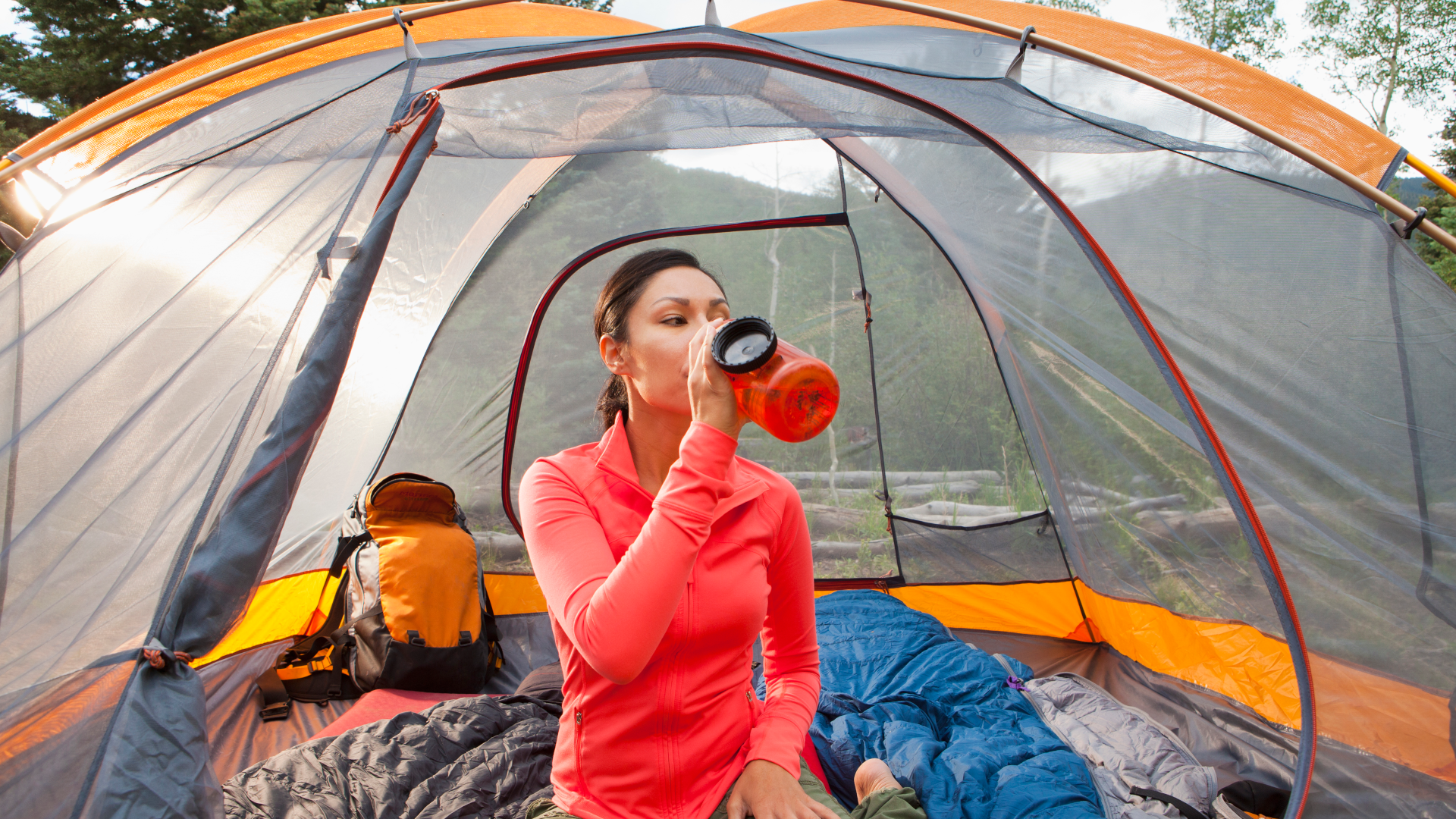
- Use mesh windows to let air circulate
Credit: www.inkl.com
Optimal Tent Setup
Setting up your tent correctly helps keep it cool inside. This makes your camping trip more comfortable. You can use simple methods to reduce heat.
This guide covers three ways to keep your tent cool. Learn about reflective tarps, ventilation, and elevating your tent.
Use A Reflective Tarp
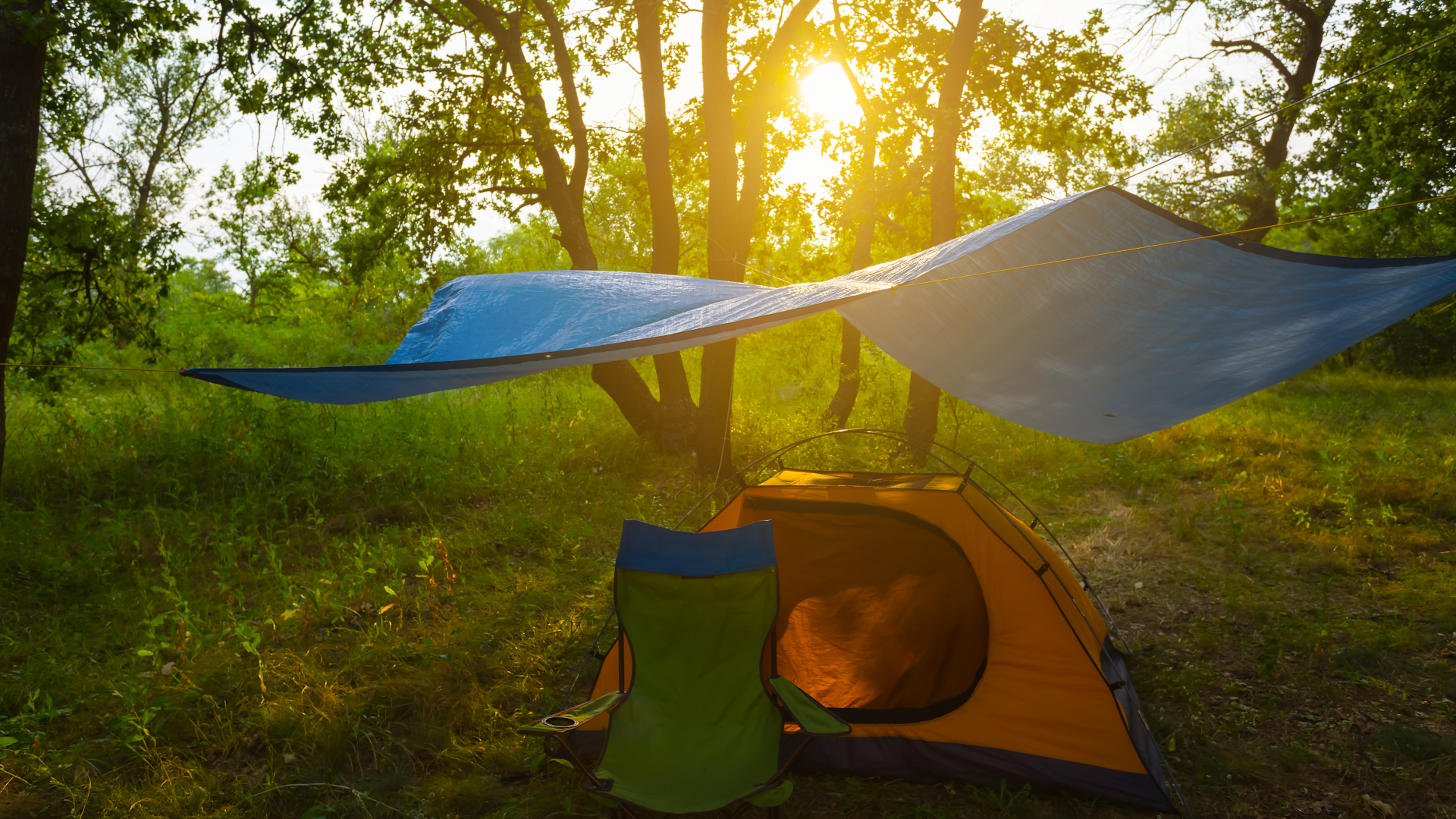
A reflective tarp blocks sunlight and lowers tent temperature. Place it above your tent to reflect heat away. This stops the tent from getting too hot.
- Choose a tarp with a shiny, reflective surface
- Secure the tarp with ropes or poles above the tent
- Leave space between tarp and tent for air circulation
- Make sure the tarp covers the entire tent roof
Proper Ventilation Techniques
Good airflow inside your tent removes warm air and brings in cool air. Ventilation lowers humidity and heat buildup.
| Ventilation Method | How It Helps |
| Open tent windows and doors | Allows fresh air to flow inside |
| Use mesh panels | Keeps bugs out but lets air in |
| Create cross ventilation | Air enters from one side and exits the other |
| Use vented rain fly | Prevents heat buildup under fly |
Elevate The Tent
Raising your tent above the ground improves airflow underneath. This helps cool the tent floor and inside.
Ways to elevate your tent:
- Set up on a raised platform or deck
- Use tent cots or elevated sleeping pads
- Place tent on flat rocks or wooden pallets
- Keep ground under tent clear for air circulation
Cooling Accessories And Gadgets
Keeping your tent cool makes camping more comfortable. There are many tools to help with this. Some use power, and others rely on clever designs.
In this guide, we explore popular cooling gadgets. These include battery-powered fans, portable air conditioners, and cooling towels and mats.
Battery-powered Fans
Battery-powered fans are easy to use inside tents. They need no cords and can run for hours. These fans move air to help sweat evaporate from your skin.
- Rechargeable or replaceable batteries
- Compact and lightweight designs
- Some models include clip mounts
- Multiple speed settings for comfort
- Quiet operation for nighttime use
Portable Air Conditioners
Portable air conditioners cool tents by removing heat and moisture. They often require a power source like a generator or battery pack. These devices work best in tents with vents or windows.
| Feature | Benefit |
| Size | Small and fits in most tents |
| Power Source | Battery or generator powered |
| Cooling Method | Removes heat and humidity |
| Setup | Needs venting for hot air |
| Noise Level | Varies by model |
Cooling Towels And Mats
Cooling towels and mats use water evaporation to lower temperature. Towels become cool when wet and placed on skin. Mats provide a cool surface to sit or lie on.
Tips for using cooling towels and mats:
- Wet with cold water before use
- Wring out excess water to avoid dripping
- Place towels around neck or forehead
- Set mats on tent floor or sleeping area
- Rewet as needed to stay cool
Efficient Use Of Water
Keeping a tent cool can be a challenge in hot weather. Using water wisely helps lower the temperature inside your tent.
Water cools the air and surfaces by evaporation. Efficient water use saves resources and keeps you comfortable.
Create A Diy Mist System
A mist system sprays tiny water droplets to cool the air around your tent. You can make one with simple parts.
Use a small pump and fine nozzles to create a light mist. Place the system near your tent’s entrance or shade.
- Use a low-pressure water pump
- Attach mist nozzles or micro-sprayers
- Connect to a water source or tank
- Run the system during the hottest parts of the day
Hydration Strategies
Stay hydrated to help your body handle heat. Drink water regularly, even if you don’t feel thirsty.
Use water efficiently by carrying a refillable bottle. Drink small amounts often to keep cool and alert.
- Carry a reusable water bottle
- Drink water every 30 minutes
- Avoid sugary or caffeinated drinks
- Eat water-rich foods like fruits
Water-soaked Fabrics
Wet fabrics cool air through evaporation. Hang damp towels or sheets inside or outside your tent.
Replace or re-wet fabrics when they dry. This method uses little water but cools the air well.
- Soak towels or cloths in cool water
- Hang them near tent openings
- Use a fan to increase evaporation
- Keep fabrics damp for best cooling
Time Management For Cooler Temperatures
Managing your time well can help keep your tent cool. Plan your activities around cooler parts of the day.
Knowing when to do certain tasks helps you avoid heat and stay comfortable inside your tent.
Early Morning And Late Afternoon Activities
The early morning and late afternoon are the coolest times outside. Use these hours for active tasks in your tent.
Set up your tent, cook meals, or organize gear during these cooler times to avoid heat.
- Wake up early to prepare breakfast and pack up
- Do chores like cleaning or arranging your space
- Enjoy outdoor activities before the heat builds
- In the late afternoon, plan for dinner or light tasks
Midday Rest Strategies
Midday is often the hottest time. Rest inside your tent to stay cool and avoid heat stress.
Use this time to relax, nap, or read. Close tent flaps to block the sun and keep air moving.
- Close windows and flaps to block direct sun
- Use a battery-powered fan or natural breeze for airflow
- Drink plenty of water to stay hydrated
- Avoid heavy activity during this time
Clothing And Gear For Staying Cool
Keeping cool in a tent is easier with the right clothing and gear. Choosing the right fabrics and accessories helps your body stay comfortable. This guide covers simple tips to stay cool while camping.
Wearing breathable clothes and protecting yourself from the sun are key. Light colors and wide-brimmed hats make a big difference. Read on to learn how to pick the best options.
Breathable Fabrics
Breathable fabrics let air flow through your clothes. This helps sweat evaporate and cools your skin. Cotton, linen, and moisture-wicking synthetic fabrics work well.
- Cotton is soft and allows air to pass through easily.
- Linen dries quickly and feels cool on hot days.
- Moisture-wicking fabrics pull sweat away from your skin.
- Avoid heavy or non-breathable materials like polyester or nylon.
Light Colors
Light-colored clothing reflects sunlight instead of absorbing it. This keeps you cooler in the sun. Colors like white, beige, and pastels work best for hot weather.
| Color | Effect |
| White | Reflects most sunlight, stays very cool |
| Beige | Reflects sunlight well, hides dirt |
| Pastel Blue | Reflects sunlight, adds a cool tone |
| Black | Absorbs sunlight, gets hot quickly |
Wide-brimmed Hats
Wide-brimmed hats protect your face and neck from direct sunlight. This reduces heat and lowers sunburn risk. Choose hats with breathable material to stay comfortable.
- Look for hats with a brim at least 3 inches wide.
- Pick hats made of breathable fabrics like straw or mesh.
- Use hats with ventilation holes or panels for airflow.
- Consider a chin strap to keep hats in place on windy days.
Natural Cooling Techniques
Keeping your tent cool can make outdoor trips more comfortable. Using nature’s elements helps reduce heat inside your tent. These simple techniques do not need electricity or fans.
This guide shares easy ways to cool your tent naturally. You will learn how trees and wind can help you stay cool during warm days.
Harness The Power Of Trees
Planting or setting up your tent near trees gives shade and cools the area around your tent. Trees block sunlight and lower the temperature by releasing moisture through their leaves.
- Choose a spot under large leafy trees.
- Avoid placing tents in open areas with direct sun.
- Keep some distance from trees to avoid falling branches.
- Use tree shade during the hottest hours of the day.
Create A Wind Tunnel Effect
Positioning your tent to catch the wind helps cool it down. A wind tunnel effect moves air through the tent, carrying heat away.
| Tip | Description |
|---|---|
| Find a narrow space | Look for gaps between hills or trees to funnel the wind. |
| Open tent flaps | Keep doors and windows open on opposite sides to let air flow. |
| Align tent entrance | Face the entrance toward the prevailing wind direction. |
| Use mesh panels | Keep mesh screens on tents to allow airflow but keep bugs out. |
Credit: www.t3.com
Frequently Asked Questions
How Can I Keep My Tent Cool During Summer?
Use shade, ventilate well, and avoid direct sunlight. Open windows and doors for airflow. Use reflective tarps outside to block heat.
What Materials Help Cool A Tent Effectively?
Light-colored, breathable fabrics reflect sunlight and allow air circulation. Avoid dark or heavy materials that trap heat inside the tent.
Does Using A Fan Inside A Tent Help Cool It?
Yes, battery-powered fans improve airflow and reduce heat buildup. Place the fan near an open window or door for best results.
Can Wet Towels Cool Down A Tent Interior?
Yes, hanging damp towels inside helps cool air through evaporation. Ensure good ventilation to enhance the cooling effect naturally.
Conclusion
Keeping your tent cool makes camping more fun and safe. Use shade and open vents to let air flow. Choose light-colored tents to reflect sunlight. Bring a portable fan or wet cloth for extra cooling. Stay hydrated and rest during the hottest times.
These simple steps help you enjoy your outdoor stay. Cool tents mean better sleep and energy for adventures. Try these tips on your next trip for comfort and ease.