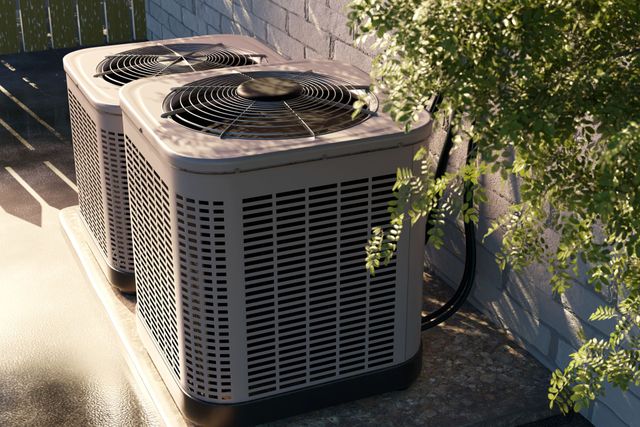
Is your air conditioner making your home feel less comfortable instead of more? If your AC is oversized, it might be the hidden reason behind uneven cooling, high energy bills, and annoying humidity.
You might think a bigger unit means better cooling, but that’s not always true. Understanding how to correct an oversized air conditioner can save you money and bring back the perfect indoor climate you deserve. Keep reading to discover simple, effective ways to fix this common problem and enjoy your home’s cool comfort again.
Signs Of An Oversized Ac
Short cyclinghappens when the AC turns on and off quickly. It stops before cooling the whole room. This wastes energy and wears out the system fast.
Uneven coolingmeans some rooms feel cold while others stay warm. An oversized AC cools one area too much and misses others.
High energy bills appear because the AC uses more power than needed. It runs often but does not cool the house evenly or properly.

Credit: www.reddit.com
Why Size Matters
Oversized air conditionersuse more energy than needed. They cool rooms too fast, causing the system to turn on and off often. This wastes electricity and raises energy bills.
Fast cooling means the air does not get enough time to remove moisture. Rooms feel cold but uncomfortable and damp. This affects your comfort at home or work.
Turning on and off frequently causes extra wear and tearon the unit. Parts may break sooner, leading to costly repairs or replacement.
Assessing Your Current System
Measure the cooling capacityof your air conditioner in BTUs (British Thermal Units). This shows how much heat your AC can remove per hour. A unit too big cools your home too fast but does not remove enough humidity.
Check your home sizeby calculating the square feet of the area needing cooling. Also, assess how well your home is insulated. Poor insulation means you need a stronger unit, but oversized units waste energy.
Consider professional HVAC auditsto get accurate advice. Experts use tools to measure airflow, insulation, and temperature variations. Their report helps you choose the right AC size for your home’s needs.
Expert Fixes For Oversized Ac
Installing variable speed compressorshelps the air conditioner run at different speeds. This saves energy and keeps rooms cooler without turning on full power all the time. It reduces short cycling, which happens when the AC turns on and off too often.
Adding zoned cooling systemslets you control the temperature in different parts of your home. It stops some rooms from getting too cold or too hot. This makes the AC work more efficiently and uses less energy.
Using smart thermostatsallows for better temperature control. These devices learn your schedule and adjust the cooling automatically. They can lower energy bills by avoiding unnecessary cooling when no one is home.
Improving Airflow And Insulation
Sealing duct leaks stops cold air from escaping. This makes the air conditioner work better and saves energy. Use duct tape or mastic sealant to close gaps and holes. Check all duct joints carefully.
Upgrading insulation keeps your home cooler and warmer. Add thicker insulation in walls, attic, and floors. Good insulation reduces the load on the air conditioner. It also lowers electricity bills.
Optimizing vent placement improves airflow in every room. Place vents away from furniture and curtains. Make sure vents are not blocked. This helps air move freely and cool rooms evenly.

Credit: coastalhomeservicesinc.com
Maintenance Tips To Boost Efficiency
Replacing the air filter regularly keeps the system clean. A clean filterhelps air flow well and saves energy. Dirty filters block air and make the AC work harder.
Coils and fans must be cleaned to remove dust and dirt. Clean parts cool betterand last longer. Dust slows down the AC and raises bills.
| Task | Why It Matters | How Often |
|---|---|---|
| Filter Replacement | Keeps air clean and system efficient | Every 1-3 months |
| Cleaning Coils and Fans | Removes dust to improve cooling | At least once a year |
| Professional Tune-Ups | Checks system for issues and improves lifespan | Once a year |
Regular tune-ups by a professional find problems early. They keep the AC running smoothlyand help avoid big repairs.
When To Consider A Replacement
Repair costs can add up fast. Sometimes, fixing an oversized air conditioner is more expensive than buying a new one. Check the price of parts and labor before deciding. If repairs cost more than half the price of a new unit, replacement might be better.
Choosing the right AC size is key. An oversized unit cools too fast and turns on and off a lot. This wastes energy and wears out parts. A properly sized air conditioner runs steadily and keeps rooms comfortable.
| AC Size (Tons) | Area Covered (Square Feet) |
|---|---|
| 1 | 400 – 600 |
| 1.5 | 600 – 900 |
| 2 | 900 – 1,200 |
| 3 | 1,200 – 1,800 |
Energy Star rated models use less electricity. They save money and help the environment. Look for this label when buying a replacement. It means the AC is tested for efficiency and performance.

Credit: www.911-ac.com
Frequently Asked Questions
How Do I Know If My Ac Is Oversized?
An oversized AC cools your space too quickly and shuts off often. It causes humidity issues and uneven cooling. Check if your unit cycles on and off frequently or leaves the room feeling clammy.
What Problems Does An Oversized Ac Cause?
Oversized AC units waste energy, increase electricity bills, and reduce comfort. They cool too fast but don’t remove humidity properly. This leads to poor indoor air quality and potential mold growth.
Can I Fix An Oversized Air Conditioner Myself?
Minor fixes like adjusting the thermostat or using a dehumidifier can help temporarily. However, resizing or replacing the AC requires professional assessment and installation for best results.
Does An Oversized Ac Affect Energy Efficiency?
Yes, oversized AC units use more energy due to frequent cycling. This inefficiency increases power consumption and utility costs, reducing overall system lifespan.
Conclusion
Fixing an oversized air conditioner is crucial for comfort. It saves energy and reduces costs. Start by assessing the unit’s size compared to the room. Consult professionals for a precise evaluation. Consider replacing with a smaller, efficient model if needed.
Regular maintenance helps ensure optimal performance. Seal windows and doors to prevent air leaks. Invest in proper insulation. This keeps the temperature stable. Remember, a correctly sized unit cools efficiently. It promotes a comfortable living environment. Make wise choices for long-term benefits.
Stay cool and comfortable all year round.