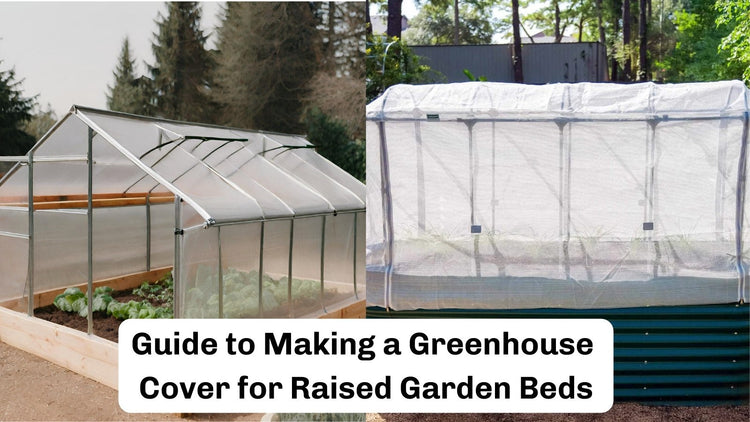
If you have a raised garden bed, you know how important it is to protect your plants from harsh weather, pests, and weeds. But how do you cover it effectively without harming your plants or making your garden look messy?
You’re about to discover simple and smart ways to cover your raised garden bed that save time, keep your plants healthy, and boost your harvest. Keep reading, and you’ll learn easy steps to protect your garden all year round.
Choosing The Right Cover
Covering a raised garden bed helps protect plants from weather and pests. The right cover keeps your plants healthy.
Choose covers based on materials, weather, and pest needs. This guide will help you decide.
Materials For Garden Bed Covers
Different materials suit different garden needs. Some covers let air and light in, while others block cold or pests.
- Plastic sheets keep warmth and moisture inside.
- Shade cloth blocks strong sun but lets air flow.
- Row covers made from fabric protect from insects.
- Glass or clear plastic can create a mini greenhouse.
Weather Considerations
Think about your local weather when picking a cover. Some covers work better in cold climates, others in hot ones.
Covers should protect plants from frost, heavy rain, or strong sun. They also need to allow proper air circulation.
- Use plastic covers in cold months to keep heat.
- Shade cloth works well in hot summer to prevent sunburn.
- Ensure covers can handle wind and rain without damage.
- Ventilation helps avoid mold and overheating.
Pest Protection Options
Pests can harm plants in raised beds. Covers help keep bugs and animals away.
Choose covers that block pests but still let light and water through. Some covers act as a physical barrier.
- Fine mesh row covers stop insects like aphids and caterpillars.
- Netting can protect from birds and larger animals.
- Use covers that fit tightly to stop pests from entering.
- Check covers regularly to repair holes or gaps.

Credit: www.amazon.com
Preparing The Garden Bed
Preparing your raised garden bed is important for healthy plant growth. This process helps create a good environment for your plants.
Focus on cleaning, checking soil moisture, and supporting plant growth before covering the bed.
Cleaning And Clearing Debris
Remove dead leaves, old plants, and weeds from the garden bed. This prevents pests and diseases.
- Pull out weeds and roots
- Clear fallen leaves and sticks
- Dispose of any rotting plants
- Check corners and edges carefully
Checking Soil Moisture
Soil moisture affects seed germination and root health. Check moisture before covering the bed.
| Soil Condition | Action Needed |
| Too Dry | Water the soil lightly before covering |
| Too Wet | Let soil dry for a day or two |
| Ideal Moisture | Proceed with covering the bed |
Supporting Plant Growth
Use supports like stakes or cages for tall or climbing plants. This helps them grow straight and strong.
Here are common supports used in raised garden beds:
- Wooden stakes
- Metal cages
- Trellises
- Ties or clips
Covering Techniques
Covering a raised garden bed helps protect your plants. Different techniques suit different needs and climates.
Learn how to use row covers, tunnels, hoops, and shade cloths effectively.
Using Row Covers
Row covers are lightweight and protect plants from pests and frost. They let in sunlight and rain.
Place them directly over the plants or support them with stakes. Secure the edges with stones or soil to prevent them from blowing away.
- Use in early spring and late fall
- Protects from insects
- Allows water and light through
Installing Tunnels And Hoops
Tunnels and hoops create a mini greenhouse effect. They help regulate temperature and humidity.
Use metal or plastic hoops to support plastic sheeting. Ensure the covering is secure to withstand wind and rain.
- Great for extending the growing season
- Protects against harsh weather
- Adjustable for different plant heights
Applying Shade Cloths
Shade cloths reduce sunlight intensity and prevent overheating. They are useful in hot climates.
Attach them to a frame above the garden bed. Choose different shade percentages based on plant needs.
- Reduces heat stress on plants
- Available in various shade levels
- Easy to install and remove

Credit: www.amazon.com
Securing The Cover
Covering a raised garden bed protects plants from pests and weather. Securing the cover keeps it in place and prevents damage. This guide explains easy ways to anchor and remove covers safely.
Use strong methods to hold the cover tight. Loose covers can blow away or hurt your plants. Read on to learn how to secure your garden bed cover well.
Anchoring Methods
Anchors stop covers from moving or flying off. Choose anchors that fit your garden bed size and cover type. Heavy objects or fasteners work best.
- Use garden staples or U-shaped pins along edges
- Place bricks or stones on the cover corners
- Attach ropes or bungee cords to bed frame hooks
- Drive stakes through cover edges into the soil
Preventing Wind Damage
Wind can lift or tear covers. Use tight fits and strong anchors to stop this. Check covers regularly for loose spots.
| Tip | Reason |
| Secure edges firmly | Prevents wind from getting under cover |
| Use windbreaks | Reduces wind speed near garden bed |
| Choose durable materials | Resists tears and wear from wind |
| Inspect often | Fixes small problems before damage grows |
Easy Removal Tips
Remove covers without hurting plants or cover material. Handle carefully and follow these tips for quick and safe removal.
- Loosen anchors gently before lifting cover
- Fold cover neatly to avoid wrinkles and tears
- Store cover in a dry place to prevent mold
- Mark anchor spots for easy reattachment
Maintaining Covered Beds
Covering raised garden beds helps protect plants from harsh weather. It also extends the growing season. Proper care keeps plants healthy under covers.
Maintaining covered beds means checking conditions often. You need to watch temperature, water plants well, and adjust for seasons.
Monitoring Temperature And Humidity
Temperature can rise quickly under covers. High heat may harm plants. Check daily to keep conditions safe.
Humidity stays higher under covers. Too much moisture causes mold and disease. Use vents or open covers to control humidity.
- Use a thermometer to track temperature
- Check humidity with a hygrometer
- Open covers on warm days for airflow
- Close covers at night to keep warmth
Watering Under Covers
Plants under covers still need water. Water less often because covers keep soil moist longer. Check soil before watering.
Use gentle watering to avoid damaging covers. Water early in the day to reduce moisture buildup at night.
- Feel soil to check moisture level
- Water only when soil feels dry
- Use a watering can or drip system
- Avoid watering late in the evening
Seasonal Adjustments
Change how you use covers as seasons change. Use covers more in cold months to keep plants warm. Remove or open covers in warm months to prevent overheating.
Check plants often during season changes. Adjust covers to give plants the best growing conditions.
- Close covers tightly in winter
- Open covers partially in spring and fall
- Remove covers in summer if too hot
- Watch weather to decide cover use

Credit: www.amazon.com
Frequently Asked Questions
How Do I Cover A Raised Garden Bed For Winter?
Cover your raised garden bed with mulch, straw, or frost cloth. These protect plants from cold temperatures and moisture loss. Remove covers in early spring to allow sunlight and air circulation for healthy growth.
What Materials Are Best For Covering Raised Garden Beds?
Use breathable fabrics like garden fleece or row covers to shield plants. Plastic sheeting works for frost protection but reduces airflow. Mulch and straw are natural options that also improve soil health.
Can I Use Plastic To Cover Raised Garden Beds?
Yes, plastic sheeting can protect beds from frost and pests. Ensure you remove it during warm days to prevent overheating and mold. Use breathable options for long-term coverage to maintain healthy soil and plants.
When Should I Cover My Raised Garden Bed?
Cover beds before the first frost or during extreme heat. Early coverage helps protect plants from temperature stress and pests. Remove covers when weather stabilizes to allow airflow and sunlight.
Conclusion
Covering a raised garden bed keeps plants safe and soil healthy. Choose the right cover for your climate and plants. Simple materials like plastic or fabric work well. Secure the cover firmly to avoid wind damage. Check your plants often to prevent moisture buildup.
Protecting your garden helps plants grow strong and yields more. Try different covers to find what suits your garden best. Small steps can make a big difference in your garden’s success. Start covering your raised bed today and enjoy healthy plants.