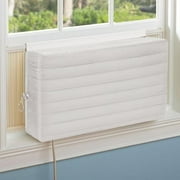
When winter comes, your window air conditioner needs a little extra care. Leaving it uncovered can let cold air sneak into your home and cause damage to the unit.
But how do you cover your window air conditioner the right way? You might worry about moisture buildup, pests, or wasting money on the wrong materials. Don’t worry—this guide will show you simple, effective steps to protect your AC during the cold months.
Keep reading to learn how to save energy, prevent damage, and get your unit ready for next summer. Your home and wallet will thank you!
Why Cover Your Window Ac
Covering your window air conditioner during winter keeps it safe from harsh weather. It helps protect the unit from snow, ice, and cold winds.
A covered AC unit stays clean and ready to use when summer returns. This simple step saves money and effort later.
Preventing Damage
Winter weather can cause rust and cracks in your AC unit. Water from rain or snow can freeze inside and harm the parts.
A cover stops moisture from getting in. It also blocks leaves, dirt, and debris that can cause damage.
- Keeps water out to avoid rust
- Blocks dirt and debris from entering
- Prevents ice buildup on the unit
Energy Efficiency
Covering the AC helps keep cold air out of your home. It adds extra insulation around the unit.
This reduces drafts and helps keep your house warmer. It lowers heating costs during cold months.
- Stops cold air from leaking inside
- Improves home insulation
- Helps save on heating bills
Extending Unit Lifespan
Protecting your AC from winter damage helps it last longer. Less wear and tear means fewer repairs over time.
A covered unit stays in better shape, so it works well for many years. This protects your investment.
- Prevents rust and mechanical issues
- Reduces the need for costly fixes
- Keeps the unit working longer
Choosing The Right Cover
Covering your window air conditioner during winter protects it from cold and dirt. Picking the right cover helps keep the unit safe and ready for summer.
Different covers offer different levels of protection. You should think about materials and features before buying or making one.
Materials To Use
Choose materials that block cold air and keep moisture out. Common options include plastic, vinyl, and fabric.
Plastic is cheap and stops water well. Vinyl lasts longer and resists tearing. Fabric covers allow airflow but may not block moisture fully.
- Plastic: waterproof, affordable, less durable
- Vinyl: strong, waterproof, more expensive
- Fabric: breathable, less water protection
Diy Vs Store-bought Covers
DIY covers save money and can fit your unit exactly. Use thick plastic or old shower curtains for a simple cover.
Store-bought covers often have better insulation and fit. They come in standard sizes and may include straps for securing.
- DIY: affordable, customizable, may lack durability
- Store-bought: convenient, insulated, fits well
Waterproof And Insulating Options
Waterproof covers keep rain and snow off your air conditioner. Insulating covers reduce heat loss and prevent freezing.
Look for covers with foam or fleece lining for insulation. Combine waterproof materials with insulation for best winter protection.
- Waterproof: plastic, vinyl, coated fabrics
- Insulating: foam, fleece, bubble wrap layers
- Best covers combine both features
Preparing The Ac Unit
Covering your window air conditioner properly helps protect it from cold weather. Preparing the unit well before winter keeps it safe and ready for next summer.
This guide focuses on cleaning, removing parts, and sealing gaps to protect your AC during the winter months.
Cleaning The Unit
Start by turning off and unplugging the AC. Clean the outside and inside to remove dust and dirt. Use a soft brush or cloth for the vents and coils.
- Remove the front cover and clean with soapy water.
- Vacuum the vents and coils gently.
- Dry all parts completely before reassembling.
- Check the drain hole to ensure it is not blocked.
Removing And Storing Parts
Take off any removable parts that can be stored separately. This prevents damage and makes cleaning easier.
| Part | Action | Storage Tips |
| Front grille | Remove and wash | Keep in a dry place |
| Filters | Take out and clean | Store flat and dry |
| Side panels | Detach if possible | Wrap in cloth to avoid dust |
Sealing Gaps And Openings
Seal all openings around the air conditioner to stop cold air and moisture from entering.
- Use weather stripping around the edges.
- Fill gaps with foam sealant or caulk.
- Cover the entire unit with a fitted plastic cover.
- Secure the cover tightly to avoid wind damage.

Credit: www.amazon.com
Step-by-step Covering Process
Covering your window air conditioner protects it from cold weather and debris. Proper covering helps the unit last longer through winter.
This guide will help you cover your air conditioner with simple steps. Follow them to keep your unit safe and dry.
Measuring The Unit
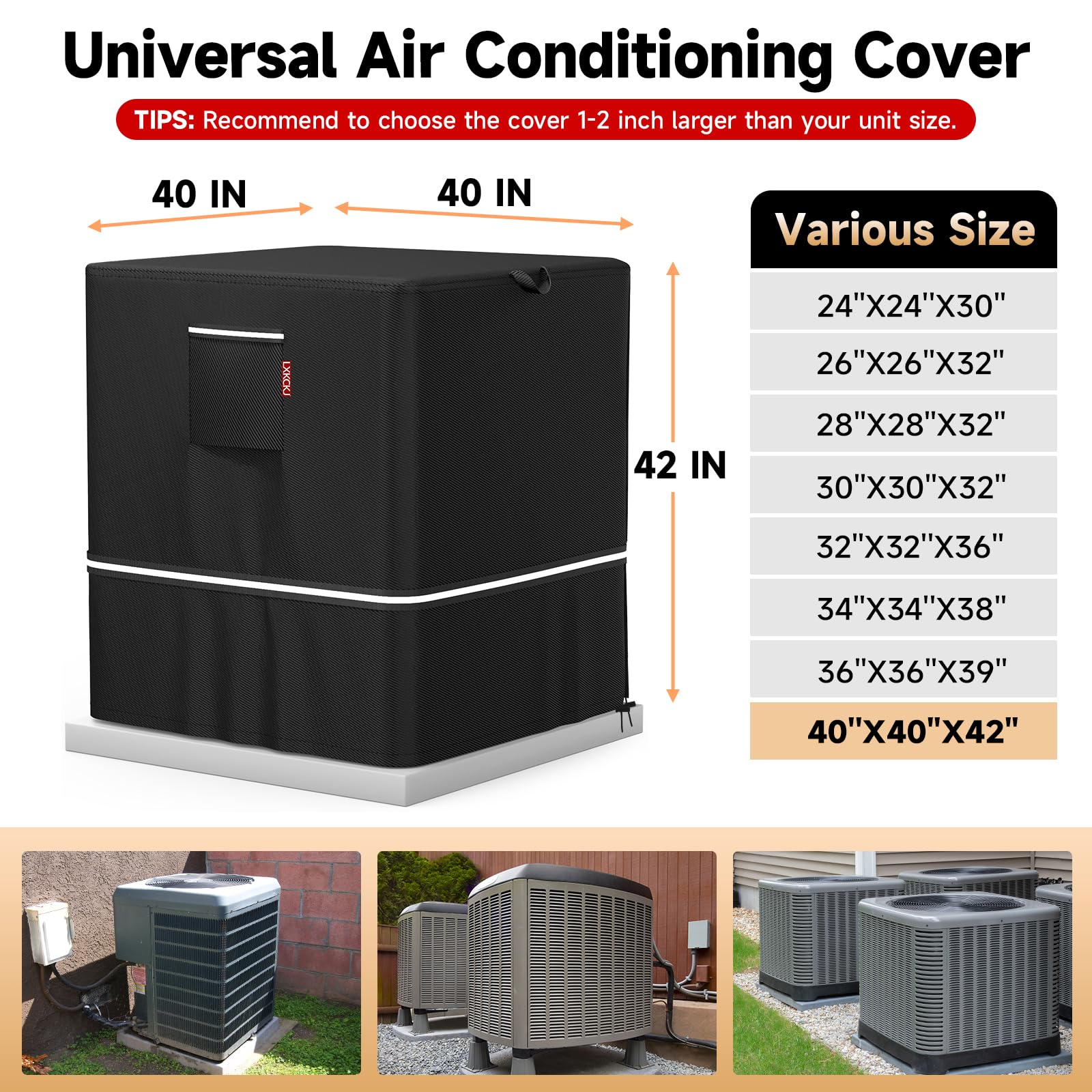
Start by measuring the height, width, and depth of your air conditioner. Use a tape measure for accurate results.
Write down the numbers so you can buy or cut a cover that fits well. A snug fit keeps out cold air and moisture.
Fitting The Cover Securely
Place the cover over the air conditioner carefully. Make sure it covers all sides without leaving gaps.
Adjust the cover so it fits tightly. Loose covers can let in cold air and water.
Securing With Tape Or Straps
Use waterproof tape or strong straps to keep the cover in place. Wrap them around the unit and cover edges.
Check that the cover stays tight and does not blow off in wind. Replace or tighten the tape or straps if needed.
- Use duct tape for a strong hold
- Choose adjustable straps for easy removal
- Seal all edges to block moisture
Additional Winter Care Tips
Covering your window air conditioner for winter is only the first step. Proper care keeps it safe from damage and ready for next summer.
Follow these tips to protect your unit during cold months and extend its life.
Checking For Moisture
Moisture can cause rust and mold inside the air conditioner. Check the unit often to catch any dampness early.
- Look under and around the unit for water or ice buildup.
- Open the cover to inspect the inside if you notice moisture.
- Use a dry cloth to wipe away any damp spots.
- Ensure the cover fits tightly to keep rain and snow out.
Regular Inspections
Inspect your air conditioner regularly during winter to spot problems early. This keeps your unit in good shape for the next season.
| Inspection Task | Frequency |
| Check cover fit | Monthly |
| Look for cracks or tears in cover | Monthly |
| Inspect unit for rust or damage | Every 2 months |
| Remove debris around the unit | Monthly |
Removing The Cover In Spring
Take off the cover as soon as temperatures rise. This helps prevent mold and prepares your air conditioner for use.
- Remove the cover on a dry, mild day.
- Clean the air conditioner before reinstalling it.
- Check the unit for any winter damage.
- Store the cover in a dry place for next winter.
Credit: www.amazon.ca

Credit: daoseal.com
Frequently Asked Questions
How Do I Prepare My Window Ac For Winter?
First, unplug and remove the unit carefully. Clean it thoroughly and dry completely. Cover it with an insulated air conditioner cover to prevent dust and moisture damage.
What Materials Are Best For Covering Window Ac Units?
Use insulated, waterproof covers designed for window AC units. Heavy-duty plastic or vinyl with foam insulation works well to block cold air and moisture during winter.
Can I Leave My Window Ac In The Window All Winter?
Yes, if properly covered and sealed. Remove and store it indoors for better protection, but covering it well in place is also acceptable to avoid drafts and damage.
How Do I Seal Gaps Around A Window Ac Unit?
Use weatherstripping or foam insulation tape around the edges. This prevents cold air leaks, improves energy efficiency, and keeps out moisture during the winter months.
Conclusion
Protecting your window air conditioner in winter is essential. It prolongs its life. Start by cleaning the unit thoroughly. This removes any dirt or debris. Use a sturdy cover to shield it. This prevents moisture and cold air from causing damage.
Ensure the cover fits well. This keeps out unwanted elements. Check on the unit periodically. This ensures the cover stays secure. Proper covering saves you money on repairs. Your air conditioner will be ready for summer use. Taking these steps ensures efficient performance.
Enjoy peace of mind knowing your unit is protected.