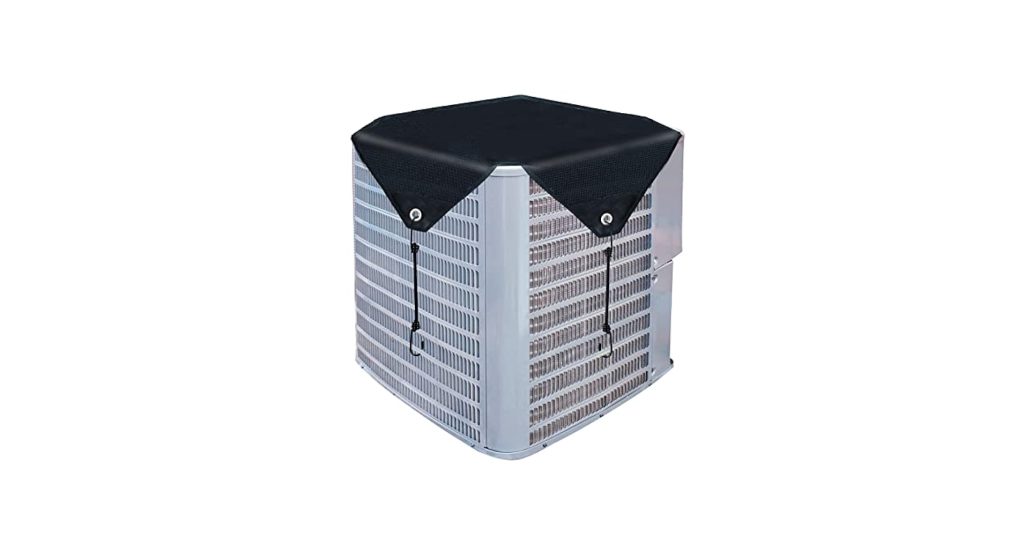
Your air conditioner works hard all summer, but when winter comes, it needs protection too. Covering your AC unit properly can save it from harsh weather, dust, and damage.
If you don’t cover it right, you might face costly repairs or a shorter lifespan for your unit. In this post, you’ll learn simple, effective ways to cover your air conditioner for winter. By following these tips, you’ll keep your AC safe and ready to cool your home again when warm weather returns.
Keep reading to find out how easy it is to protect your investment this winter.

Credit: daoseal.com
Why Covering Matters
Covering an air conditioner during winter helps protect it from harsh weather. Cold temperatures, snow, and rain can cause rust and damage. A cover keeps out moisture and dirt, which can harm the unit.
It also prevents debris like leaves and twigs from clogging the system. This keeps the air conditioner clean and ready for use in spring.
Using a cover can improve energy efficiency. It stops cold air from entering the unit, which helps keep your home warmer. This can reduce heating costs during winter.
- Protectsagainst snow and rain
- Preventsrust and damage
- Keepsdebris out
- Improvesenergy efficiency
- Reducesheating costs
Choosing The Right Cover
Choosing the right coverhelps protect the air conditioner from dirt and moisture. Covers come in different materials. Some are plastic, which blocks water but can trap moisture inside. Others are fabric, allowing air to flow and preventing mold. Look for covers that balance water resistanceand breathability.
Size and fitare very important. A cover too small won’t protect well. Too big can let water and debris get inside. Measure the unit carefully. Find a cover that fits snugly but is easy to remove.
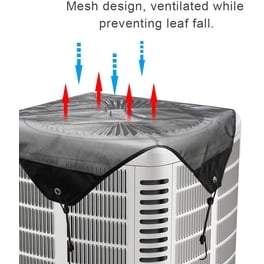
Breathabilitylets moisture escape. This stops mold and rust. Covers with ventilation holes or breathable fabric work best. Avoid fully sealed plastic covers because they can trap moisture.
Preparing The Ac Unit
Clean the unitby removing dust and dirt from the outside and inside parts. Use a soft brush or cloth for gentle cleaning. This helps the AC last longer and work better next summer.
Check for repairsby looking closely at wires, fins, and coils. Fix any damage or rust found. Small repairs now prevent big problems later.
Clear away debrislike leaves, sticks, and dirt around the unit. Keep the area clean to stop pests and moisture from causing harm during winter.
Step-by-step Covering Guide
Secure the cover tightly over the air conditioner to keep out wind and debris. Use strong straps or ropes to hold the cover in place. Make sure the cover fits well and does not flap in the wind. Check for any gaps where cold air can get in.
Prevent moisture build-up by allowing some air flow under the cover. Do not seal the unit completely airtight. Moisture trapped inside can cause rust and damage. Use a cover that is breathable or has vents to avoid water pooling.
Extra insulation can protect the air conditioner from freezing temperatures. Wrap foam boards or blankets around the unit before putting on the cover. This helps keep the unit warmer and safe from frost. Remove insulation in spring to allow proper use.
Common Mistakes To Avoid
Covering the air conditioner while it is wetcan cause rust and damage. Always make sure the unit is completely drybefore covering it.
Using plastic sheeting may seem like a good idea, but it can trap moisture inside. This leads to mold growthand corrosion. Instead, use a cover designed for air conditioners that allows moisture to escape.
Ignoring airflow needs is a big mistake. The air conditioner still needs some air to prevent mold and damage. Make sure the cover does not block all airflow and allows the unit to breathe.
Credit: www.walmart.com
Alternative Winter Protection Tips
Tarps and shrink wrapsprotect your air conditioner from snow and ice. Use a tarp to cover the unit loosely to avoid trapping moisture. Shrink wraps create a tight seal and keep out cold air better. Both options stop debris from entering the unit.
Protective enclosuresare small boxes or covers built around the air conditioner. These enclosures block wind and prevent ice buildup. They also keep animals away from wiring and parts. Choose weatherproof materials for the best protection.
Professional maintenancehelps prepare the air conditioner for winter. Experts clean the unit and check for damages. Scheduling a tune-up prevents costly repairs in spring. This care keeps your system working longer and more efficiently.
When To Remove The Cover
Remove the cover once the weather feels warm enough. Look for daytime temperatures above 60°F (15°C). Night temperatures should stay above freezing. This helps avoid damage from cold air and moisture buildup.
Signs of warmer weather include:
- Plants start to bloom
- Birds return and sing
- Snow melts completely
Leaving the cover on too long can cause mold growth. Moisture trapped inside the cover creates a perfect place for mold and mildew. Remove the cover to let the AC dry out well.
Before using the AC again, check the unit carefully. Clean any dirt or debris. Make sure the fan and coils are dry. This will help your AC run smoothly and safelyall summer.

Credit: www.amazon.com
Frequently Asked Questions
How Do I Prepare My Air Conditioner For Winter?
Clean the unit and remove debris. Cover it with a breathable, waterproof cover. This protects from snow, ice, and dirt during winter.
What Type Of Cover Is Best For Ac Units?
Use a breathable, waterproof cover designed for AC units. Avoid plastic sheets that trap moisture and cause rust or mold.
Should I Cover The Entire Air Conditioner?
Cover the top and sides, leaving some airflow. Fully sealing can trap moisture, leading to rust and damage during winter months.
When Is The Best Time To Cover The Air Conditioner?
Cover your AC after the last fall use and before the first snow. This timing prevents damage from early winter weather.
Conclusion
Protecting your air conditioner in winter saves it from damage. Use a proper cover that fits well and keeps out moisture. Avoid blocking airflow to prevent mold and rust. Clean the unit before covering for best results. Check the cover regularly during cold months.
Taking these steps helps your AC last longer and work better. Simple care now avoids costly repairs later. Stay prepared and keep your air conditioner safe all winter.