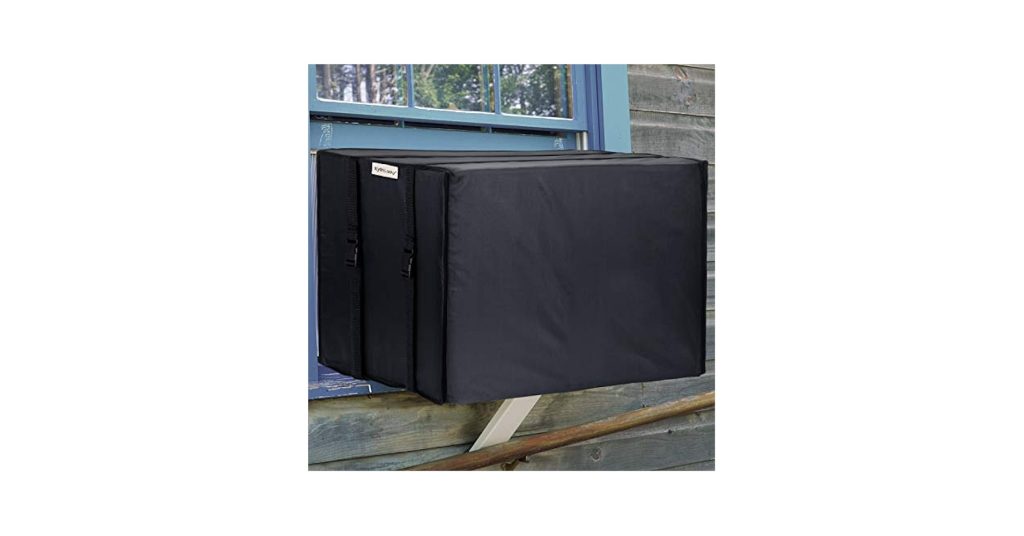
When winter arrives, your air conditioner needs special care to stay safe and last longer. Covering your AC unit properly can protect it from cold weather, snow, and debris.
But how do you do it right without causing damage? You’ll learn simple, effective steps to cover your air conditioner for winter. Follow these tips to keep your unit in great shape and avoid costly repairs when warmer days come back.
Keep reading—you’ll thank yourself come spring!
Why Covering Matters
Covering your air conditionerduring winter helps protect it from harsh weather. Cold winds and snow can cause damage to the unit’s parts, reducing its life. A cover acts as a shield against these elements.
Debris builduplike leaves and dirt can block the air conditioner. This buildup may cause problems when you start the unit in spring. Covering keeps the unit clean and clear.
Moisturecan cause rust and mold inside the air conditioner. A good cover stops water from getting in. This helps avoid costly repairs and keeps the unit safe.
Choosing The Right Cover
Choosing the right cover for your air conditioner is key to protecting it during winter. Different material optionsoffer various benefits. Some covers are made from plastic, which is waterproof but may trap moisture inside. Others use fabric, which is breathable and helps avoid mold or rust.
Size and fit are very important. A cover that is too small won’t protect well. One that is too big may let cold air and debris in. Measure your unit carefully and pick a cover that fits snugly but allows some airflow.
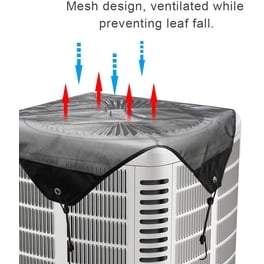
Breathable covers let moisture escape, reducing the chance of damage. Waterproof covers keep rain and snow out but can trap condensation. Choose based on your climate and how much moisture your unit faces.
Preparation Before Covering
Before covering an air conditioner, it is important to clean the unitthoroughly. Remove dirt, leaves, and debris from the coils and fins. This helps prevent damage during winter.
Next, check the unit for any repairsneeded. Look for loose parts, rust, or broken pieces. Fixing these issues now saves money later.
Make sure the unit has proper drainage. Clear any blocked drain holes or pipes. This stops water from freezing and causing damage during cold months.

Credit: www.amazon.com
Step-by-step Covering Process
Choose a cover that fits your air conditioner snugly. Secure it using strong straps or bungee cords around the unit. Make sure the cover is tight to keep out snow and rain. Avoid covering vents or blocking airflow. Air must flow freely to prevent moisture buildup inside. Use breathable covers to allow air circulation while keeping moisture out. Add extra insulation like foam boards or blankets around the unit for better protection. Do not cover the bottom of the unit; leave space for drainage. Check the cover regularly to ensure it stays in place during winter storms.
Maintenance During Winter
Regularly checking the coverhelps keep the air conditioner safe. Look for tears or holes that let water in. Fix small rips quickly to stop damage. Make sure the cover fits tightly and stays in place during wind or storms.
Dealing with snow and iceis important to avoid heavy weight on the cover. Gently remove extra snow to prevent bending or breaking the cover. Ice can cause cracks, so do not let it build up. Use a soft broom or brush to clear the surface without hurting the unit.
When to remove the coverdepends on the weather. Take it off before warm days come back, usually in early spring. Removing the cover too late can cause mold or rust. Keep an eye on the temperature to know the best time for removal.
Credit: www.walmart.com
Common Mistakes To Avoid
Plastic sheeting alonedoes not protect the air conditioner well. It traps moistureinside, causing rustand damage. Use a cover made for winter or a breathable material to keep moisture out.
Never cover the unit while it is wet. Water inside can freeze and crack parts. Always make sure the unit is drybefore covering it for winter.
Ignoring the manufacturer’s recommendationscan lead to problems. Each air conditioner may need a different type of cover or care. Read the manual to know how to protect your specific unit correctly.

Credit: daoseal.com
Frequently Asked Questions
How Do I Prepare My Air Conditioner For Winter?
Clean the unit thoroughly and remove debris. Cover it with a breathable, waterproof cover to protect against moisture and dirt. Ensure the cover fits snugly to prevent cold air and pests from entering.
What Materials Are Best For Ac Winter Covers?
Use a durable, waterproof, and breathable material like heavy-duty plastic or vinyl. Avoid non-breathable covers, as they trap moisture and cause rust or mold buildup during winter.
Should I Cover The Entire Air Conditioner Unit?
Yes, covering the entire unit protects it from snow, ice, and debris. Ensure the cover seals the top and sides but allows ventilation to prevent moisture buildup.
When Is The Best Time To Cover My Ac For Winter?
Cover your air conditioner after the last cooling use in fall. Ideally, cover it before the first frost to protect the unit throughout the cold months.
Conclusion
Covering your air conditioner for winter protects it from cold damage. Use a breathable cover to avoid moisture buildup. Make sure the unit is clean and dry before covering. Secure the cover tightly to keep out debris and pests. Check the cover occasionally during winter for any issues.
Taking these steps helps your air conditioner last longer. Prepare now, so your unit stays safe and ready for summer. Simple care makes a big difference in protecting your AC.