When winter arrives, your air conditioner might seem like the last thing on your mind. But did you know that covering your AC unit properly during the cold months can save you money and extend its life?
If you’re wondering how to protect your outdoor air conditioner from snow, ice, and freezing winds, you’re in the right place. You’ll discover simple, effective ways to cover your AC this winter—keeping it safe and ready to cool your home when summer returns.
Keep reading to learn the easy steps that can make a big difference for your unit and your wallet.

Credit: airmgnthvac.com
Why Cover Your Air Conditioner
Covering your air conditioner in winter helps keep it safe. Cold weather can harm the unit if left exposed.
Using a cover protects the air conditioner from winter elements. This saves money on repairs and keeps it working well.
Preventing Damage From Snow And Ice
Snow and ice can build up on the air conditioner. This causes parts to break or get stuck.
A cover stops snow and ice from piling up on the unit. It helps keep the air conditioner dry and clear.
- Prevents heavy snow from bending parts
- Stops ice from freezing moving pieces
- Reduces chance of cracks from cold
Avoiding Rust And Corrosion
Water from rain and melting snow can cause rust. Rust weakens metal parts and causes damage.
A cover blocks moisture from reaching the air conditioner. This keeps the metal strong and rust-free.
- Prevents water from sitting on metal
- Reduces metal corrosion over time
- Keeps unit looking new longer
Protecting Electrical Components
Electrical parts in the air conditioner can get damaged by moisture. This causes short circuits or failures.
Covering the unit shields electrical parts from snow and rain. It helps keep your air conditioner safe and working.
- Stops water from reaching wires and controls
- Prevents electrical shorts and faults
- Extends life of electrical components
Choosing The Right Cover
Covering your air conditioner in winter protects it from harsh weather. Picking the right cover is essential to ensure durability and efficiency.
Consider the material, fit, and breathability when selecting a cover. These factors help keep your AC unit in good condition during the cold months.
Materials To Look For
The material of the cover plays a vital role in protection. It should be durable and weather-resistant.
- Polyester: Known for its strength and water resistance.
- Vinyl: Offers excellent protection against snow and rain.
- Canvas: Provides heavy-duty protection with breathability.
Custom Vs. Universal Covers
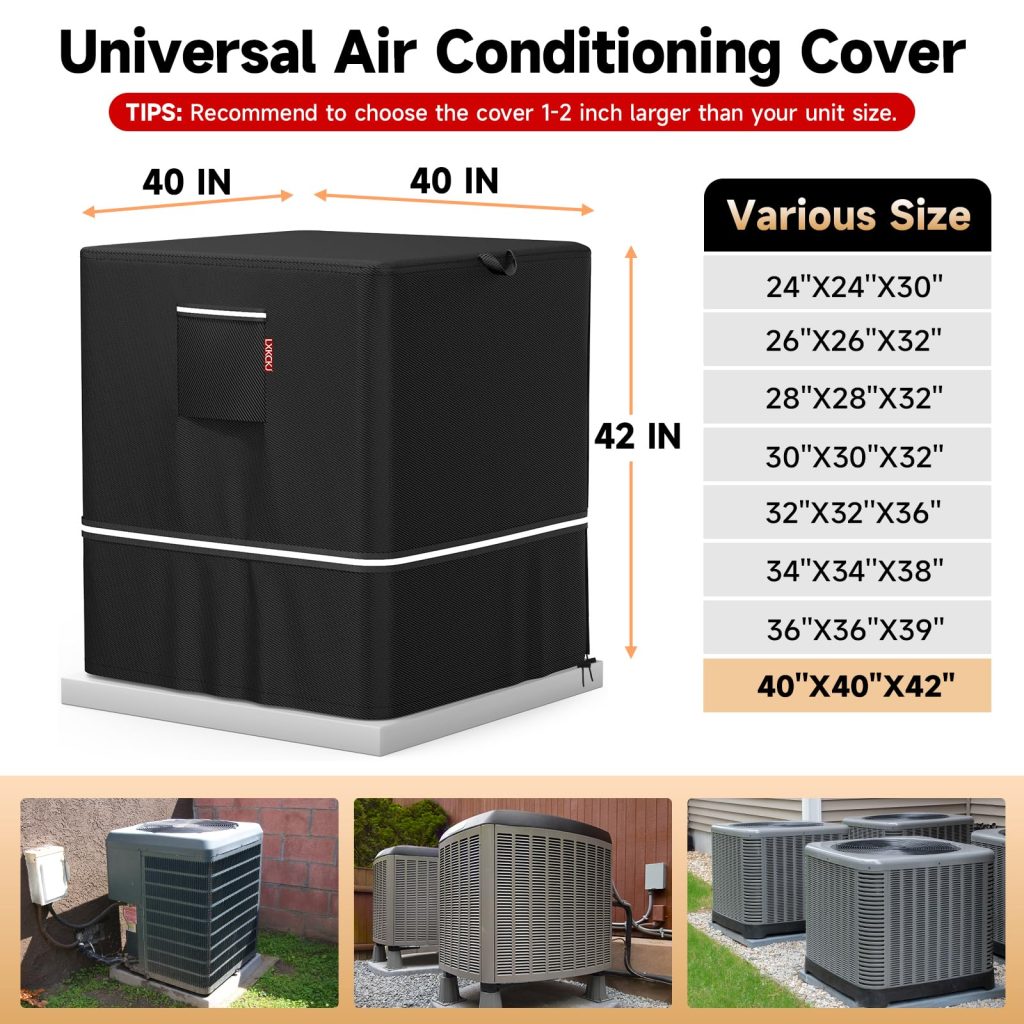
Custom covers fit your AC unit perfectly, while universal covers are more flexible in sizing. Both have their benefits.
| Type | Advantages |
| Custom | Perfect fit, tailored for specific models |
| Universal | Flexible, fits various unit sizes |
Breathability And Ventilation
Breathability is key to preventing moisture buildup. Proper ventilation keeps the unit dry and rust-free.
Preparing The Unit For Winter
Covering your air conditioner in winter helps protect it from weather damage. Proper preparation keeps the unit safe and ready for next summer.
Follow simple steps to clean, inspect, and secure your air conditioner before covering it.
Cleaning The Air Conditioner
Start by cleaning the unit to remove dirt and debris. This stops mold and rust from forming during winter.
- Turn off the power to the air conditioner
- Remove leaves and twigs from around the unit
- Use a soft brush to clean the fins gently
- Wash the unit with a garden hose and mild detergent
- Let the unit dry completely before covering it
Inspecting For Damage
Check your air conditioner for signs of wear or damage. Fixing issues early prevents bigger problems later.
| Part | What to Check | Action Needed |
|---|---|---|
| Fins | Bent or damaged fins | Straighten or replace if needed |
| Wiring | Frayed or exposed wires | Repair or call a professional |
| Drainage | Clogged or blocked drain holes | Clear to avoid water buildup |
Securing Loose Parts
Loose parts can cause noise and damage during winter storms. Secure them before covering the unit.
- Tighten screws and bolts on the unit
- Check that the fan blades are secure
- Fasten any loose covers or panels
- Use weather-resistant tape for small gaps

Credit: www.amazon.ca
Step-by-step Covering Process
Covering your air conditioner in winter helps protect it from snow and cold. This guide shows you how to do it safely and correctly.
Follow each step carefully to keep your air conditioner safe during the cold months.
Gathering Necessary Tools
Before you start, get all tools ready. This makes the process quick and easy.
- Waterproof air conditioner cover
- Measuring tape
- Soft cloth or brush for cleaning
- Zip ties or bungee cords
- Scissors
Positioning The Cover
First, clean the air conditioner gently with a cloth. Remove leaves and dirt. This protects the unit and the cover.
Next, place the cover over the unit. Make sure it fits well and covers all sides. The cover should not be tight or too loose.
Sealing And Securing The Cover
Use zip ties or bungee cords to secure the cover. Wrap them around the base of the air conditioner to hold the cover in place.
| Securing Tool | Purpose | Tip |
| Zip Ties | Hold cover tightly | Cut excess length |
| Bungee Cords | Provide stretch and hold | Do not overstretch |
| Adhesive Tape | Seal small openings | Use weatherproof tape |
Common Mistakes To Avoid
Covering your air conditioner in winter helps protect it from snow and debris. Doing it wrong can cause damage. Avoid these common mistakes to keep your unit safe.
Understanding what not to do is as important as knowing how to cover your air conditioner properly. Learn the errors that many people make.
Using Plastic Tarps Incorrectly
Plastic tarps can trap moisture inside your air conditioner. This causes rust and mold growth. Avoid sealing the unit tightly with plastic sheets.
Use breathable covers made for air conditioners. If you use plastic, leave gaps for air to flow. This stops moisture buildup and keeps the unit dry.
- Do not wrap the unit tightly with plastic
- Choose covers that allow air circulation
- Leave openings or vents when using plastic
Covering While Wet
Covering your air conditioner when it is wet traps water inside. This leads to rust and damage. Always let the unit dry before covering it.
Check for rain or snow before covering. Use a dry cloth to wipe off any moisture. This helps keep your air conditioner in good shape all winter.
- Do not cover right after rain or snow
- Dry the unit before putting on a cover
- Cover only when the air conditioner is fully dry
Ignoring Ventilation Needs
Air conditioners need airflow even in winter. Blocking ventilation can cause mold and rust. Make sure your cover lets air move freely around the unit.
Use covers with vents or mesh sides. Avoid using solid covers that seal the unit completely. Proper ventilation keeps the air conditioner safe and dry.
- Choose covers with built-in ventilation
- Do not seal the unit completely
- Check vents often to keep them clear
Maintaining Your Covered Air Conditioner
Covering your air conditioner in winter protects it from harsh weather. Proper maintenance keeps it working well for spring.
Regular care helps avoid damage and costly repairs. Follow simple steps to maintain your covered unit during cold months.
Regular Inspections During Winter
Check your air conditioner cover every few weeks. Look for tears or loose edges that let in moisture.
- Inspect the cover for holes or cracks.
- Make sure the cover fits tightly around the unit.
- Secure any loose straps or ties to prevent wind damage.
- Clear any debris that may collect on or under the cover.
Removing Snow Buildup
Snow can put pressure on the cover and damage your air conditioner. Remove snow carefully to avoid tears.
Use a soft broom or brush to clear snow gently. Avoid sharp tools that can puncture the cover.
Preparing For Spring Use
Before spring, remove the cover and clean the unit. Check for any damage that needs repair.
| Task | What to Do |
| Remove Cover | Take off carefully to avoid damage |
| Clean Unit | Remove dirt, leaves, and debris |
| Inspect for Damage | Look for rust, cracks, or loose parts |
| Test Operation | Turn on unit to ensure it works well |

Credit: www.amazon.ca
Frequently Asked Questions
How To Cover An Air Conditioner In Winter Properly?
Use a breathable, waterproof cover to protect your AC. Avoid plastic sheets to prevent moisture buildup and rust damage. Ensure the cover fits snugly but allows air circulation to keep the unit dry and in good condition during winter.
Should I Cover My Air Conditioner Unit In Winter?
Yes, covering your AC unit protects it from snow, ice, and debris. It prevents damage and extends its lifespan. Proper covering helps maintain efficiency and reduces repair costs when the warmer season returns.
What Materials Are Best For Covering An Ac In Winter?
Use a waterproof, breathable fabric cover specifically designed for AC units. Avoid plastic tarps that trap moisture. Covers made from heavy-duty polyester or vinyl with ventilation features work best to keep your AC dry and protected.
Can Covering My Ac Unit Save Energy In Winter?
Covering your AC doesn’t directly save energy, but it protects the unit. A well-protected unit avoids damage and costly repairs, indirectly saving energy and money when you use it again in warm months.
Conclusion
Covering your air conditioner in winter keeps it safe from snow and ice. Use a breathable cover to avoid moisture build-up. Always clean and dry the unit before covering it. Check the cover regularly for damage or wear. This simple step helps your air conditioner last longer.
Save money on repairs and enjoy peace of mind. Protect your investment with proper winter care. Easy and effective. Ready for next season.