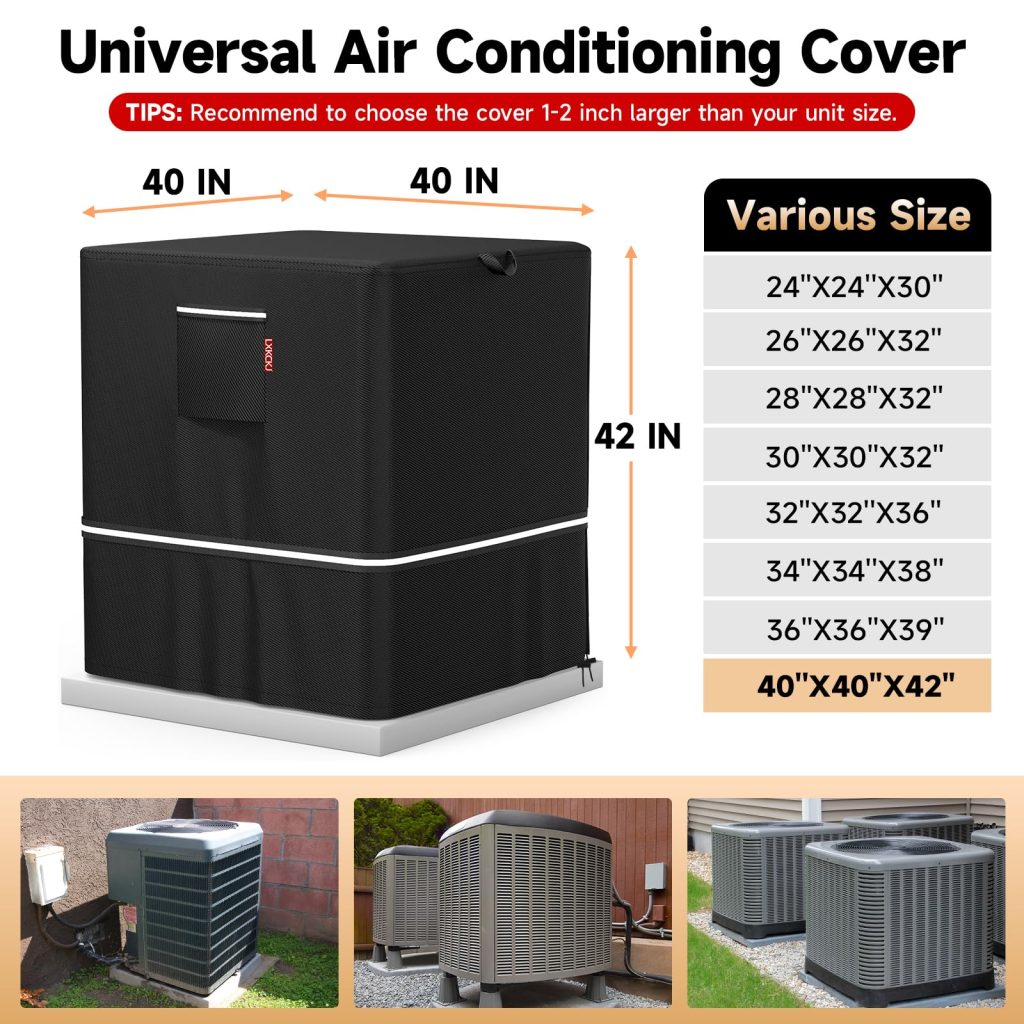
When winter arrives, your window air conditioner needs more than just being turned off. If you want to protect your unit from harsh weather and save on energy bills, you have to cover it properly.
But how do you do that without causing damage or wasting time? You’ll discover simple, effective ways to cover your window air conditioner for winter. By following these easy steps, you’ll keep your AC safe and ready for next summer.
Keep reading to learn how to do it right—and avoid costly mistakes.
Why Cover Your Window Ac
Covering your window ACprotects it from dirt, dust, and moisture. This helps prevent damagecaused by winter weather. Snow and rain can harm the unit’s parts if left exposed. A cover stops water from getting inside and freezing.
Energy efficiencyimproves when the unit is covered. Gaps and cracks let cold air in, which wastes heat inside your home. A cover seals these openings and keeps warm air from escaping. This can lower your heating bills during winter.
Extending the unit’s lifespanis another benefit. Protecting the AC from harsh weather reduces wear and tear. Less damage means fewer repairs and longer use. Taking care of your AC now saves money later.

Credit: www.amazon.ca
Choosing The Right Cover
Choosing the right cover helps protect your window air conditioner from cold weather. Covers come in different types. Some are simple plastic sheets, while others have soft padding for extra protection. A good cover keeps out dust, dirt, and moisture during winter.
Material matters. Heavy-duty plastic and vinyl covers block water and wind well. Fabric covers allow air to flow but still keep the unit clean. Some covers have insulation to protect from freezing temperatures.
Size and fit are very important. A cover that is too small won’t protect the unit well. Too large covers can flap in the wind and let in cold air. Look for covers that fit snugly and have ties or straps to secure them.
| Type of Cover | Material | Key Features |
|---|---|---|
| Plastic Sheet | Heavy-duty plastic | Waterproof, blocks wind |
| Vinyl Cover | Vinyl | Durable, easy to clean |
| Fabric Cover | Breathable fabric | Allows air flow, dust protection |
| Insulated Cover | Plastic or fabric with padding | Protects from freezing |
Preparing The Ac Unit
Start by cleaning the air conditioner. Remove dust and dirt from the outside and inside parts. A clean unit works better and lasts longer.
Next, take out the filters. Wash them gently with warm water and mild soap. Let them dry completely before storing. This stops mold and bad smells.
Check the unit for any damage or repairs. Look for cracks, rust, or loose parts. Fix small problems now to avoid bigger issues later.

Credit: daoseal.com
Step-by-step Covering Process
Gathering materials is the first task. You need a durable plastic cover, tape, scissors, and foam weatherstripping. The cover should fit the air conditioner’s size well. Weatherstripping helps block air gaps. Tape holds everything in place. Make sure all items are clean and dry before use.
Sealing gaps prevents cold air from entering. Use the foam weatherstripping around the edges of the air conditioner. Press it firmly to fill all cracks. Then, apply tape over the weatherstripping. Check carefully for any small openings. Seal those too with extra tape or foam pieces.
Installing the cover protects the unit from winter damage. Place the plastic cover over the air conditioner. Pull it tight so no loose parts can flap in wind. Secure the cover with tape all around the edges. Double-check that the cover is sealed well. This keeps out snow, rain, and cold air.
Tips For Winter Maintenance
Regularly check the air conditioner for any damage or loose parts. Look for cracks or holes in the cover to keep cold air out. Tighten screws or brackets to keep the unit secure. This helps protect the air conditioner during harsh winter weather.
Moisture can cause rust and damage. Use a waterproof cover to keep water away. Avoid sealing the unit too tightly as trapped moisture can cause mold. Place a small vent or leave a gap for air to flow and keep the inside dry.
| When to Remove the Cover | Reason |
|---|---|
| Before spring | To allow the unit to dry and avoid mold |
| Before using the air conditioner | To ensure proper airflow and cooling |
| If the cover is damaged | To replace or repair it for full protection |
Common Mistakes To Avoid
Using inadequate coverscan let moisture enter. Thin plastic can trap water. This causes rust and damage. Choose a cover made for winter use.
Ignoring ventilationleads to mold growth. Air needs to flow around the unit. Covers with vents help keep air moving. This stops moisture build-up inside.
Skipping cleaningbefore covering traps dirt and bugs. Dust and grime can harm the unit. Clean the air conditioner well. This keeps it safe during winter.

Credit: www.amazon.com
Frequently Asked Questions
How Do I Cover A Window Ac For Winter?
To cover a window AC for winter, first turn off and unplug the unit. Clean it thoroughly. Use an insulated cover or plastic wrap to protect it from moisture and debris. Secure the cover tightly to prevent drafts and damage during the cold months.
Why Should I Cover My Window Ac In Winter?
Covering your window AC in winter prevents moisture buildup and debris damage. It also stops cold drafts from entering your home. Proper coverage extends the unit’s lifespan and keeps it ready for use in warmer seasons. This simple step saves repair costs and improves energy efficiency.
What Materials Work Best To Cover Window Ac Units?
The best materials to cover window AC units are insulated covers, plastic wrap, or heavy-duty tarps. These materials block moisture and cold air effectively. Choose covers designed specifically for window ACs for a snug fit. Avoid materials that trap moisture, which can damage the unit.
Can I Leave My Window Ac Uncovered In Winter?
Leaving your window AC uncovered in winter can cause moisture damage and rust. It also allows cold air to enter your home, increasing heating costs. Covering the unit protects it from harsh weather and helps maintain indoor comfort and energy efficiency during winter months.
Conclusion
Protecting your window air conditioner in winter is essential. It prevents damage and extends its life. Covering it properly blocks cold air and moisture. This saves energy and reduces repair costs. Use a weatherproof cover. Ensure it’s the right size.
Secure it tightly to prevent wind damage. Regular maintenance checks help. Keep your air conditioner in top condition. A little effort now means fewer issues later. Enjoy peace of mind and a warmer home. Stay proactive with your appliance care.