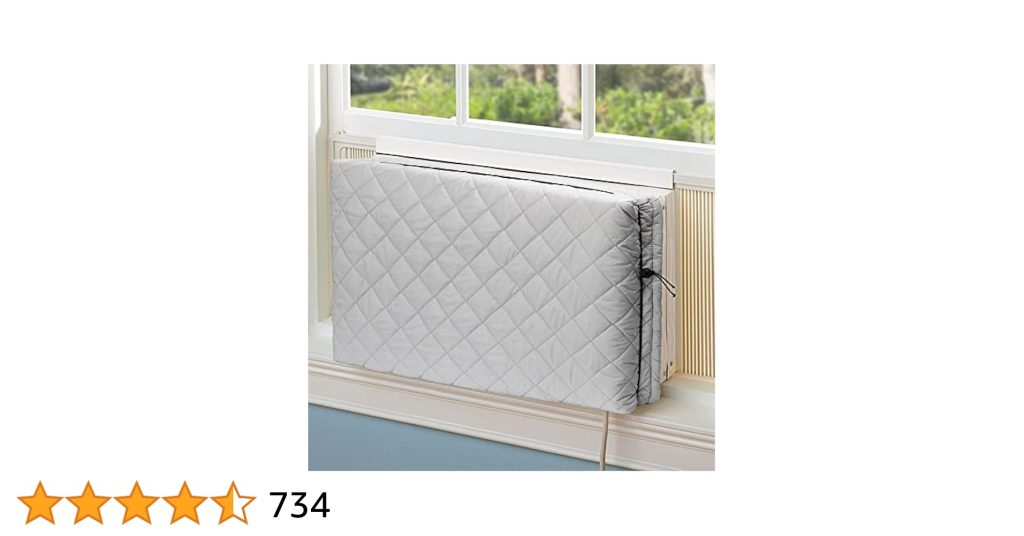
Are you wondering how to cover your window air conditioner the right way? Whether you want to protect it from dust, keep it safe during winter, or simply improve your room’s look, knowing the best way to cover your unit is key.
You’ll discover simple, effective tips that save you time and money, while keeping your air conditioner in top shape. Keep reading to find out how a little care can make a big difference for your cooling system.
Choosing The Right Cover
Choosing the right cover helps protect your window air conditioner from dust and weather. Material optionsinclude plastic, vinyl, and fabric. Plastic covers are cheap but may crack in cold weather. Vinyl covers offer better weather resistanceand last longer. Fabric covers allow air flow but may not block moisture well.
Size and fitmatter a lot. A cover that is too small won’t protect well. One that is too big may let cold air inside. Measure your air conditioner carefully before buying a cover. Look for adjustable or elastic edges for a snug fit.
Weather resistanceis important if your unit faces rain or snow. Choose covers with waterproof or water-resistant materials. Some covers also block UV rays, which helps prevent damage from the sun. Make sure the cover can handle your local weather conditions.

Credit: daoseal.com
Preparing The Air Conditioner
Start by unplugging the air conditioner from the power source. Remove any debrislike leaves, dust, or dirt around the unit. Use a soft brush or cloth to gently clean the exterior and the vents. Avoid using harsh chemicals that may damage the surface.
After cleaning, wipe the unit with a damp cloth to remove leftover dirt. Let the air conditioner dry completelybefore covering it. Moisture trapped inside can cause mold or damage during storage.
- Clear leaves and dirt from vents and grills.
- Use a mild detergent if needed for tough stains.
- Dry the unit outside or in a dry room.
- Ensure no water remains inside or outside the unit.
Covering Techniques
Use a cover made of thick, waterproof material to protect the air conditioner. Secure it tightly around the unit to keep out dust and pests. Avoid loose covers that can blow away in wind.
Keep vents clear to allow air circulation. Cover only the main body, not the vents. This stops moisture from building up inside the unit.
- Use strong tape or straps to hold the cover in place.
- Check the cover regularly for tears or gaps.
- Remove the cover on warm days to let the unit dry.
Maintaining The Cover
Regular checks help spot any damage or dirton the cover. Look for holes, tears, or loose parts. Clean the cover gently to keep it in good shape. This prevents dust and moisture buildup.
Wear and tear happen over time. Fix small holes with tape or patches. Avoid sharp tools near the cover. Handle the cover with care to extend its life.
| Signs to Replace | Reason |
|---|---|
| Large tears or holes | Cannot protect the unit |
| Cover no longer fits | Leaves gaps for dirt and water |
| Material is brittle or faded | Less durable and weak |
Alternative Protection Methods
Tarpsoffer a simple way to protect your window air conditioner. Use a waterproof tarp to cover the unit. Secure it tightly with bungee cords or ropes. This keeps rain, snow, and debris away. Make sure air can still flow to avoid moisture build-up. Check the tarp regularly for holes or loose spots.
Building a small shelter can shield the air conditioner from harsh weather. Use wood or plastic panels to create a cover above and around the unit. Leave space for ventilation. This protects against snow and heavy rain. It also reduces wear and tear from wind and sun.
Storing the air conditioner indoors is best for long-term protection. Clean the unit first. Wrap it in a plastic bag or cover to keep dust off. Place it in a dry, cool place like a basement or garage. This prevents rust and damage during off-season months.

Credit: www.intheknow.com

Credit: www.walmart.com
Frequently Asked Questions
How Do I Cover A Window Air Conditioner In Winter?
Use a breathable, waterproof cover to protect from snow and moisture. Avoid plastic sheets that trap condensation and cause rust.
Can I Cover My Air Conditioner With Plastic Wrap?
Plastic wrap can trap moisture and cause damage. Use a fitted, vented cover instead for proper airflow and protection.
When Should I Cover My Window Air Conditioner?
Cover it after the cooling season ends and the unit is fully cleaned and dry to prevent mold and damage.
Does Covering An Air Conditioner Improve Energy Efficiency?
Yes, covering prevents cold air leaks and drafts, which helps maintain indoor temperature and reduces heating costs in winter.
Conclusion
Covering your window air conditioner protects it during cold months. Use the right materials to keep out dust and moisture. A proper cover helps prevent damage and extends the unit’s life. Remember to remove the cover before using the air conditioner again.
Simple steps make your AC last longer and work better. Taking care of your unit saves money and hassle later. Easy and effective protection is worth the effort. Keep your air conditioner safe all year round.