Have you ever forgotten to water your plants and watched them wilt? What if your plants could take care of themselves, even when you’re busy or away?
Creating self-watering planters is the secret to keeping your greenery healthy with less effort. Imagine saving time, reducing water waste, and having thriving plants that don’t demand constant attention. In this guide, you’ll learn simple steps to make your own self-watering planter that fits your lifestyle perfectly.
Ready to make plant care easier and more rewarding? Let’s dive in!
Benefits Of Self Watering Planters
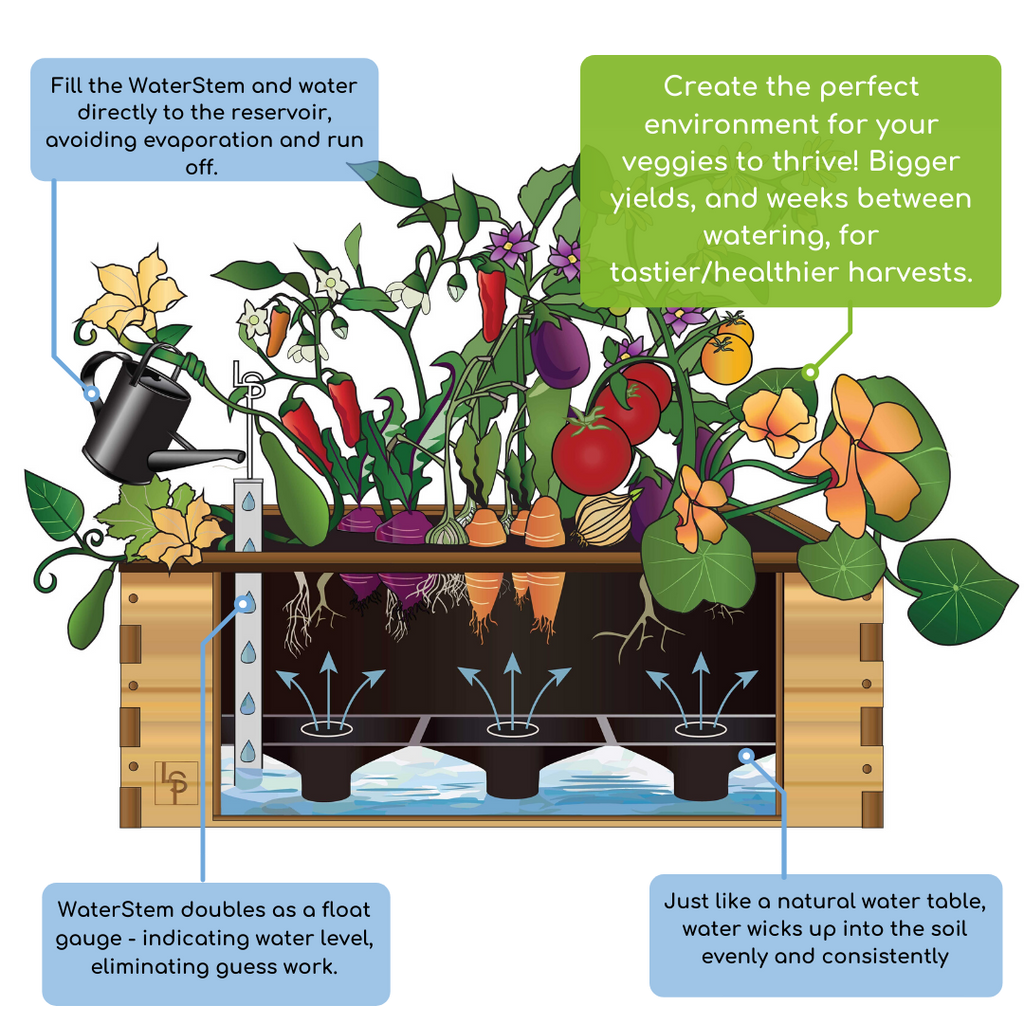
Self watering planters help plants get water without daily care. They store water in a reservoir. This system lets plants drink water as needed.
These planters make gardening easier for beginners and busy people. They reduce the chance of over or underwatering plants.
Saves Time And Effort
Self watering planters reduce how often you water plants. You fill the water reservoir once in a while. This saves time and effort in daily watering.
Promotes Healthier Plant Growth
These planters provide steady moisture to plant roots. This helps plants grow stronger and reduces stress from dry soil.
- Consistent water supply prevents root damage
- Plants avoid drying out or sitting in too much water
- Improves nutrient absorption in the soil
Conserves Water
Self watering planters use water efficiently. The water in the reservoir goes directly to the roots. This cuts down water waste from evaporation or runoff.
| Benefit | How It Helps |
| Water Saving | Reduces water loss by targeting roots |
| Less Frequent Watering | Holds water for days or weeks |
| Healthier Roots | Prevents root rot and dryness |
Ideal For Indoor And Outdoor Use
Self watering planters work well inside homes and outside in gardens. They keep plants hydrated in dry or hot conditions.
They are perfect for:
- Busy people with little time for plant care
- Vacationers who leave plants unattended
- Areas with irregular rainfall

Credit: medium.com
Materials Needed
Creating self watering planters is simple and fun. You only need a few basic materials.
These materials help your plants get water on their own, saving time and effort.
Containers For The Planter
You need two containers: one for holding water and one for soil and plants. The top container should have holes for roots.
- Plastic pots or recycled containers
- Small buckets or jars
- Containers that fit inside each other
Wicking Material
The wick moves water from the bottom container to the soil. It keeps soil moist without overwatering.
- Cotton rope or thick yarn
- Strip of old cloth or fabric
- Wicking tape designed for plants
Water Reservoir
The water reservoir holds water for the planter. It should be leak-proof and easy to refill.
- Plastic containers with lids
- Old water bottles or jars
- Recycled food containers
Soil And Plants
Use good quality potting soil that drains well. Choose plants that like consistent moisture.
- Potting mix for indoor or outdoor plants
- Herbs like basil, mint, or parsley
- Small flowers or houseplants
Tools And Accessories
You need some tools to make holes and assemble the planter parts. These help with easy setup.
- Drill or sharp knife for making holes
- Scissors to cut the wick
- Measuring cup for water
Choosing The Right Container
Choosing the right container is key for a self watering planter. The container holds water and supports plant roots. It must suit the plant’s needs and your space.
Not all containers work well for self watering planters. You need to think about size, material, and drainage. These factors affect how well your plants grow.
Container Size And Shape
Pick a container that fits your plant’s root system. Small plants need small containers. Big plants need larger containers to hold more water and soil.
- Choose deeper containers for plants with long roots
- Wide containers work well for spreading plants
- Use compact containers for small herbs or succulents
- Avoid containers that are too small to hold enough water
Material Matters
Container material affects water retention and durability. Some materials keep soil moist longer. Others dry out fast or break easily.
| Material | Water Retention | Durability |
| Plastic | High | Good |
| Ceramic | Moderate | Fragile |
| Terracotta | Low | Moderate |
| Metal | Low | High |
Drainage And Water Reservoir
Drainage keeps plants healthy by avoiding water buildup. A self watering planter needs a water reservoir below the soil. The container must allow water to reach the roots without flooding them.
Good container features for drainage and reservoir:
- A separate water chamber below the soil
- Wicking materials or tubes to draw water up
- Drain holes with covers to control water flow
- Easy access to refill water reservoir

Credit: www.lifespacegardens.com
Step-by-step Assembly
Creating a self-watering planter helps your plants stay hydrated longer. This guide breaks down the assembly into clear steps.
Follow each step carefully to build a planter that saves time and water.
Preparing The Reservoir
The reservoir holds water for your plants to absorb. Start by choosing a container that fits under your planter.
Clean the container well to avoid mold or bacteria growth. Ensure it has no cracks or leaks.
- Select a plastic or glass container
- Wash it with soap and water
- Check for holes or damage
- Dry it completely before use
Creating The Wick System
The wick draws water from the reservoir to the soil. You can use cotton rope or a thick fabric strip for the wick.
Cut the wick to a length that reaches from the reservoir into the planter’s soil area.
- Choose a natural fiber wick like cotton
- Cut it long enough to reach water and soil
- Test absorbency by soaking it in water
Assembling The Planter
Place the reservoir under the planter container. Insert the wick so one end touches water inside the reservoir.
Thread the other wick end into the soil area through a hole or gap in the planter base.
- Put the reservoir on a stable surface
- Place the planter above the reservoir
- Feed the wick through a hole at the base
- Make sure wick end dips in water
Adding Soil And Plants
Fill the planter with potting soil around the wick. The wick should stay in contact with the soil for water flow.
Plant your seeds or seedlings gently in the soil. Water lightly to settle the soil around roots.
- Fill planter with good quality potting soil
- Keep wick surrounded by soil
- Plant your chosen plants carefully
- Water soil lightly after planting
Tips For Plant Selection
Choosing the right plants is key for self watering planters. Not all plants work well with this system.
Pick plants that like steady moisture and can thrive with less frequent watering.
Select Plants That Like Consistent Moisture
Self watering planters keep soil moist for a long time. Plants that prefer dry soil may not do well.
Choose plants that enjoy steady moisture without sitting in water.
- Herbs like basil and mint
- Vegetables such as lettuce and spinach
- Flowering plants like begonias and impatiens
Consider Plant Size And Root Growth
Self watering planters have limited space for roots. Pick plants that do not grow very large.
Plants with shallow roots work best because they fit well and absorb water properly.
- Small herbs and leafy greens
- Compact flowers and succulents
- Avoid large shrubs or deep-rooted plants
Choose Plants That Tolerate Humidity
The water reservoir can increase humidity around the plant. Some plants handle humidity better.
Pick plants that thrive in moist air to avoid mold or leaf problems.
- Ferns and peace lilies
- Spider plants and pothos
- Avoid plants that prefer dry air like cacti
Match Plants To Light Conditions
Know how much light your planter will get. Some plants need full sun, others like shade.
Choose plants based on the light to keep them healthy and growing well.
- Full sun: tomatoes, peppers, marigolds
- Partial shade: lettuce, spinach, ferns
- Shade: begonias, impatiens, peace lilies

Credit: amysmartgirls.com
Maintaining Your Planter
Keeping your self watering planter in good shape helps your plants grow strong. Regular care prevents problems and keeps water flowing well.
Check your planter often to catch issues early. Proper maintenance saves time and keeps plants healthy.
Refilling The Water Reservoir
Always refill the water reservoir before it runs dry. This ensures plants get enough water without stress.
Use clean water to avoid dirt or algae build-up. Check the reservoir level every few days, especially in warm weather.
- Fill the reservoir through the designated opening
- Use a watering can or funnel for easy pouring
- Do not overfill to avoid leaks
- Refill more often in hot, dry conditions
Cleaning And Troubleshooting
Clean the planter regularly to prevent blockages and mold. Remove old soil and rinse parts with water.
If water does not flow well, check for clogs in the wick or reservoir. Clear any dirt or roots blocking the system.
- Empty the reservoir and soil before cleaning
- Use a soft brush to scrub parts gently
- Check the wick for damage or dirt
- Replace any broken parts promptly
- Test water flow after cleaning to ensure it works
Creative Design Ideas
Creating self-watering planters can save time and water. They keep plants healthy by giving water steadily.
Use creative designs to make your planters both useful and beautiful. You can use many materials and shapes.
Upcycled Container Planters
Use old containers like jars, bottles, or cans to make self-watering planters. Cut holes for water and soil layers.
- Cut the container in half to create two parts.
- Use the top part upside down as a funnel for soil.
- Fill the bottom part with water for the reservoir.
- Place a wick or fabric strip to connect soil and water.
- Plant your seeds in the soil part.
Tiered Vertical Planters
Tall tiered planters save space and look modern. They use gravity to share water from top to bottom.
Design Tips for Tiered Planters:
- Stack pots with holes for water flow.
- Add a water tank at the top.
- Use a drip system or wicks between levels.
- Choose light materials like plastic or wood.
Decorative Ceramic Self-watering Pots
Ceramic pots look nice and keep soil moist. Use a double-pot system with a water reservoir below.
| Feature | Benefit |
| Porous ceramic | Allows slow water release |
| Inner pot with holes | Holds soil and plants |
| Outer pot | Stores water reservoir |
| Wick or capillary mat | Connects water to soil |
Smart Tech Self-watering Systems
Use sensors and small pumps for automatic watering. These systems keep plants perfectly moist.
- Soil moisture sensors detect dryness.
- Micro pumps move water from the reservoir.
- LED indicators show water status.
- Use solar power for outdoor planters.
- Control watering with a smartphone app.
Frequently Asked Questions
What Materials Are Needed For A Self-watering Planter?
To create a self-watering planter, you’ll need a container, a reservoir, a wick, and potting soil. Use a plastic bottle or a pot with a water reservoir. Ensure there’s a wick to draw water from the reservoir into the soil, keeping plants hydrated.
How Does A Self-watering Planter Work?
A self-watering planter uses a reservoir system to provide consistent moisture. The wick transfers water from the reservoir to the soil. This ensures the plants receive the right amount of water without overwatering. It’s an efficient way to maintain plant health with minimal maintenance.
Can I Use Any Plants In Self-watering Planters?
Yes, but choose plants that thrive in consistent moisture. Herbs, vegetables, and some houseplants are ideal for self-watering planters. Avoid plants that prefer dry conditions, like succulents. Ensure the planter size matches the plant’s root system for optimal growth and health.
How Often Should I Refill The Water Reservoir?
Refill the reservoir when the water level is low. This usually happens every one to two weeks. The frequency depends on the plant type, climate, and container size. Regularly check the water level to ensure plants remain hydrated and healthy.
Conclusion
Creating self-watering planters helps keep plants healthy and saves time. These planters provide water steadily without daily care. You can make them easily with simple materials at home. They work well for busy people or those new to gardening. Try building one and watch your plants grow strong.
Enjoy a greener space with less effort every day. Simple steps lead to better plant care and happier gardens. Give it a try and see the difference yourself.