Cutting a board at an angle might sound tricky, but with the right steps, you can do it easily and accurately. Whether you’re working on a DIY project or fixing something around your home, knowing how to make angled cuts will save you time and frustration.
In this guide, you’ll discover simple tips and clear instructions to help you master angled cuts like a pro. By the end, you’ll feel confident handling your tools and creating perfect cuts every time. Ready to get started? Let’s dive in!

Credit: sawmillcreek.org
Choosing The Right Tools
Cutting a board at an angle needs the right tools for accuracy and safety. Using proper tools helps you make clean and precise cuts.
Before starting, gather all tools to avoid interruptions and errors during your work.
Types Of Saws For Angled Cuts
Different saws can make angled cuts. Choose one based on the cut angle and wood size.
- Miter Saw:Ideal for precise angled cuts and quick adjustments.
- Circular Saw:Good for long boards but needs a guide for accuracy.
- Handsaw:Best for small cuts or when power tools are not available.
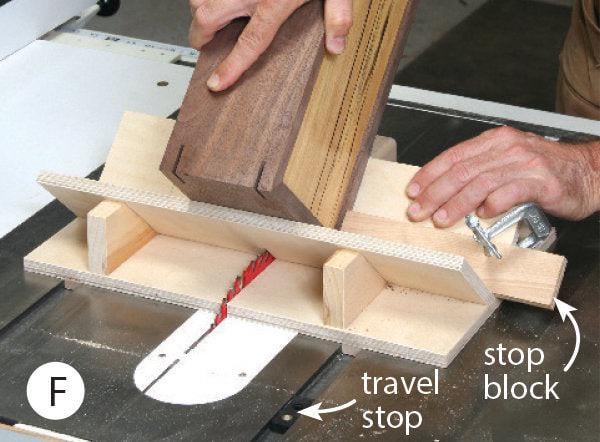
- Table Saw:Useful for repeated angled cuts with steady control.
Essential Measuring Tools
Measure angles and lengths carefully to get the right cut every time. Use these measuring tools for accuracy.
| Tool | Purpose |
| Protractor | Measures exact angles on the board. |
| Tape Measure | Measures length and distance for cuts. |
| Speed Square | Marks 90 and 45-degree angles quickly. |
| Combination Square | Helps mark straight and angled lines. |
Safety Equipment To Use
Protect yourself when cutting boards. Use safety gear to prevent injuries.
- Safety glasses to protect your eyes from sawdust and chips.
- Hearing protection to reduce noise from power tools.
- Work gloves to protect your hands from splinters and cuts.
- Dust mask to avoid inhaling sawdust particles.
Preparing The Board
Cutting a board at an angle needs careful preparation. You must mark the angles right and keep the board steady. This helps make clean, safe cuts every time.
Start by understanding the angle you want. Then secure the board so it does not move. These steps make your work easier and the results better.
Marking Accurate Angles
Marking the angle clearly guides your saw. Use tools like a protractor or angle finder to get the exact measurement. Draw the line with a sharp pencil for precision.
- Place the protractor on the board edge.
- Find the desired angle and mark the point.
- Connect the points with a straight edge.
- Double-check the angle before cutting.
Securing The Board Properly
Hold the board firmly to avoid slips. Use clamps or a workbench to keep it still. Safety comes first to prevent accidents and mistakes.
| Method | Tip |
| Clamps | Tighten well but avoid crushing the board |
| Workbench | Use non-slip pads for extra grip |
| Support blocks | Place under the board to keep it level |
Setting Up The Saw
Cutting a board at an angle requires careful saw setup. Proper setup ensures a clean and precise cut.
Before cutting, check the saw’s angle and blade condition. This keeps your work safe and accurate.
Adjusting The Saw Angle
Set the saw angle to match the cut you need. Most saws have a built-in angle guide or bevel scale.
Loosen the angle adjustment knob or lever. Tilt the saw blade to the desired angle and tighten the knob securely.
- Check the angle scale for accuracy
- Use a protractor if needed for exact angles
- Make small adjustments and test on scrap wood
Checking Blade Sharpness
A sharp blade cuts cleanly and safely. Dull blades cause rough cuts and can be dangerous.
Inspect the blade teeth for chips or dull edges. Replace or sharpen the blade if it looks worn.
- Look for missing or damaged teeth
- Test blade on scrap wood for smoothness
- Clean blade to remove pitch buildup
Cutting Techniques
Cutting a board at an angle takes careful technique. You must work slowly to get a clean edge.
Using the right tools and following safety steps helps you cut well and avoid mistakes.
Starting The Cut Smoothly
Begin your cut by marking the angle clearly on the board. Use a pencil and a protractor or angle guide.
Set your saw to the correct angle before you start cutting. This helps you avoid rough edges.
- Clamp the board firmly to keep it steady.
- Position the saw blade on the mark before turning it on.
- Start the saw slowly to avoid splintering the wood.
- Keep your hands away from the blade.
Maintaining Control During Cutting
Hold the saw firmly with both hands. This gives you better control over the cut.
Move the saw at a steady pace. Rushing can cause the saw to slip or the cut to be uneven.
- Keep your body balanced and your feet steady.
- Follow the marked line closely for accuracy.
- Use smooth, even pressure on the saw.
- Check your progress often to stay on track.
Common Mistakes To Avoid
Cutting a board at an angle is a useful skill in woodworking. Many beginners make simple mistakes that cause poor results.
Knowing what to avoid helps you make clean and precise angled cuts every time.
Misaligned Measurements
Measuring incorrectly is a common error. If your measurements are off, the angle will not fit properly.
Double-check your marks before cutting. Use a protractor or angle finder for accuracy.
- Measure twice, cut once
- Mark the cut line clearly with a pencil
- Use a reliable angle guide tool
- Check the board’s edges for straightness
Rushing The Cut
Cutting too fast leads to mistakes and rough edges. Take your time to keep control of the saw.
Slow, steady cutting reduces splintering and keeps the angle precise.
- Secure the board firmly before cutting
- Use smooth and even pressure on the saw
- Pause if you feel the saw slipping or binding
- Wear safety gear and focus on the task

Credit: www.familyhandyman.com
Finishing Touches
Cutting a board at an angle is only part of the process. The final steps help make the cut look clean and precise.
Paying attention to small details improves the overall quality of your work. These finishing touches make your project stronger and neater.
Sanding The Edges
Sanding smooths rough edges and removes splinters from the cut. It also helps the board fit better with other pieces.
Use fine-grit sandpaper to gently rub along the angled edge. Move the sandpaper in the same direction as the cut.
- Start with medium grit to remove big splinters
- Finish with fine grit for a smooth surface
- Check for any uneven spots and sand again
- Wear a mask to avoid breathing dust
Checking The Angle Accuracy
After cutting and sanding, check if the angle is correct. This step ensures your pieces will fit together properly.
Use a protractor or angle finder to measure the cut edge. Compare it to the desired angle from your plan.
- Place the tool flat against the cut edge
- Read the angle measurement carefully
- Make small adjustments if needed by sanding
- Repeat the check to confirm accuracy
Tips For Complex Angles
Cutting boards at complex angles can be tricky. It needs careful measurement and steady hands.
Using the right tools helps you make precise cuts and avoid mistakes.
Using A Miter Box
A miter box guides your saw to cut boards at specific angles. It is good for common angles like 45° or 90°.
Place the board inside the miter box and align the saw with the angle slots. Saw slowly for a clean cut.
- Secure the board tightly to stop it from moving
- Use the correct saw for your miter box
- Double-check the angle before cutting
- Practice on scrap wood if needed
Employing A Digital Angle Finder
A digital angle finder helps measure exact angles on your board or tool. It shows the angle on a digital screen.
Use it to set your saw blade or mark the board before cutting. This tool is good for unusual or precise angles.
- Turn on the angle finder and calibrate it to zero
- Place it on the board or saw to get the angle
- Adjust your tool or mark the board using the reading
- Check the angle again after setting
Credit: www.lumberjocks.com
Frequently Asked Questions
How Do You Cut A Board At An Angle?
To cut a board at an angle, use a miter saw or a circular saw. Adjust the saw’s angle to your desired degree. Secure the board firmly and make a slow, steady cut. Always wear safety gear when operating power tools.
What Tools Are Needed For Angled Cuts?
For angled cuts, you need a miter saw, circular saw, or a jigsaw. A protractor or angle finder helps to measure angles accurately. Clamps can secure the board in place, ensuring precision and safety during the cut.
Can A Hand Saw Cut A Board At An Angle?
Yes, a hand saw can cut a board at an angle. Use a miter box to guide the saw and maintain accuracy. Mark your angle clearly on the board before cutting. Ensure the board is secured to prevent movement during the process.
What Is The Best Saw For Cutting Angles?
A miter saw is the best tool for cutting angles. It offers precise adjustments and clean cuts for various angles. Its versatility and ease of use make it ideal for both novice and experienced woodworkers handling angled projects.
Conclusion
Cutting a board at an angle is easier than it seems. Start by measuring and marking your angle clearly. Use the right tools to make clean, precise cuts. Take your time and stay safe while working. Practice will help you gain confidence and improve your skills.
Soon, angled cuts will become a simple part of your projects. Keep these tips in mind, and your woodworking will look sharper and more professional.