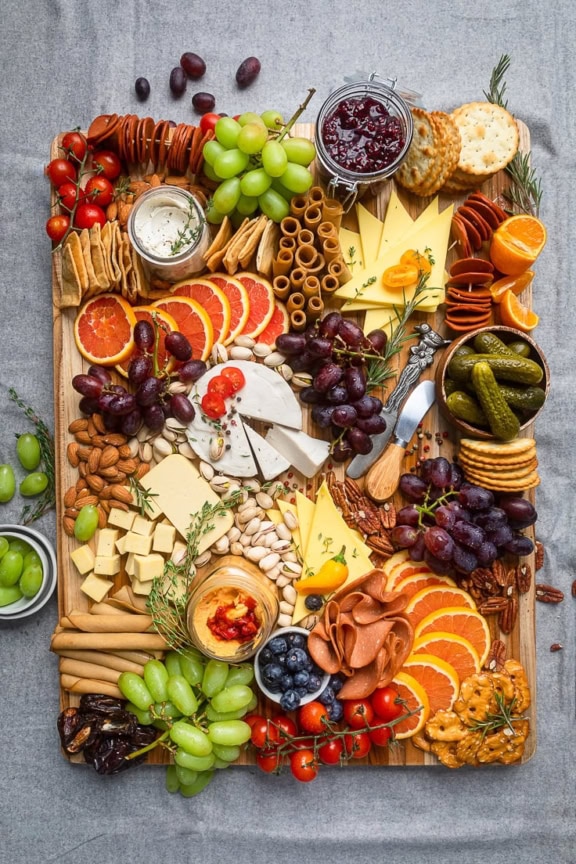
If you want your charcuterie board to look as good as it tastes, cutting block cheese the right way is key. You might think slicing cheese is simple, but the way you cut it can change the whole experience.
Whether you’re hosting a party or just enjoying a snack, the perfect cheese slices can make your board inviting and easy to enjoy. You’ll learn simple tips and tricks to cut block cheese like a pro. Keep reading to discover how small changes in your technique can turn your charcuterie board into a stunning centerpiece that everyone will love.

Credit: www.ourhomemadeeasy.com
Choosing The Right Cheese
Picking the right cheese is key for a tasty charcuterie board. The cheese should look good and taste great with other foods.
Block cheeses are easy to cut and arrange. They give your board a nice variety of shapes and flavors.
Types Of Block Cheese For Boards
Choose cheeses that hold their shape when cut. Popular block cheeses include cheddar, gouda, and manchego.
- Cheddar: sharp and firm, good for slicing or cubes
- Gouda: smooth and creamy, cuts well in slices
- Manchego: nutty flavor, firm texture
- Monterey Jack: mild, soft, easy to cut
- Swiss: mild and slightly sweet, with holes
Texture And Flavor Considerations
Think about texture and flavor to balance your board. Mix soft and hard cheeses for variety.
- Hard cheeses add crunch and strong flavor
- Soft cheeses offer creaminess and mild taste
- Sharp cheeses give a bold flavor punch
- Mild cheeses help balance intense flavors
- Consider salty, nutty, or sweet notes
Select cheeses that complement meats, fruits, and crackers. This makes your board more enjoyable.
Essential Tools For Cutting
Cutting block cheese properly makes your charcuterie board look great. Using the right tools helps you slice cheese neatly and safely.
In this guide, learn about the best knives and extra tools you need for cutting cheese blocks.
Best Knives To Use
Choose knives that cut cheese smoothly without crumbling it. A sharp blade is important for clean cuts.
- Chef’s knife: Good for firm and semi-hard cheeses.
- Cheese wire: Best for soft cheeses and crumbly types.
- Paring knife: Useful for small or detailed cuts.
- Cheese plane: Makes thin, even slices easily.
Additional Cutting Accessories
Extra tools help keep cheese pieces neat and make serving easier. Some accessories also protect your fingers.
| Accessory | Use | Benefit |
| Cutting board | Base for slicing | Protects surfaces and keeps cheese stable |
| Cheese fork | Hold cheese steady | Prevents slipping while cutting |
| Cheese slicer | Make thin slices | Uniform pieces for presentation |
| Gloves | Grip and hygiene | Keeps hands clean and safe |
Preparing The Cheese
Cutting block cheese for a charcuterie board needs care and attention. Proper preparation makes the cheese look good and taste fresh.
This guide covers chilling, handling, and removing rind or crust before cutting cheese.
Chilling And Handling Tips
Keep the cheese cold before cutting. Cold cheese is firm and easier to slice cleanly. Handle cheese with clean hands or use gloves to avoid contamination.
- Store cheese in the fridge until 10-15 minutes before cutting.
- Use a sharp knife to avoid crumbling.
- Cut on a clean, flat surface like a wooden board.
- Do not press too hard to keep the shape intact.
- Wipe the knife between cuts to prevent sticking.
Removing Rind And Crust
Some cheeses have rinds or crusts that you may want to remove for a smoother bite. Removing rind depends on the cheese type and personal preference.
| Cheese Type | Rind Type | Remove or Keep? |
| Cheddar | Natural or wax | Remove wax, natural rind is optional |
| Gouda | Wax | Remove wax before serving |
| Brie | White mold rind | Keep rind for flavor |
| Parmesan | Hard natural | Remove tough outer layer |
Cutting Techniques
Cutting block cheese properly makes your charcuterie board look neat and tasty. Good cutting helps guests pick cheese easily.
Different cuts suit different cheeses and presentation styles. Use the right technique to match your board’s look.
Slicing For Presentation
Slicing cheese creates thin, even pieces that look elegant. It works well for semi-soft and hard cheeses.
Use a sharp knife or cheese slicer. Cut straight slices or angled ones for variety.
- Cut slices about 1/8 to 1/4 inch thick
- Keep slices uniform for a clean look
- Arrange slices overlapping or in a fan shape
Cubing And Chunking
Cubing means cutting cheese into small squares. Chunking means making bigger, irregular pieces.
Both cuts are easy to eat and fit well with nuts and fruits on the board.
- Cube cheese for firm types like cheddar or gouda
- Cut chunks from softer cheeses like feta or blue cheese
- Use cubes for casual, easy-grab boards
- Chunk pieces add a rustic look
Creating Decorative Shapes
Cutting cheese into shapes adds fun and style. Use small cookie cutters or knives for this.
Shapes like stars, hearts, or triangles make the board more inviting. This works best with firm cheese blocks.
- Use cookie cutters for uniform shapes
- Cut triangles by slicing cheese into wedges
- Make curls or ribbons with a vegetable peeler
- Decorative shapes suit party or holiday boards
Arranging Cheese On The Board
Cutting block cheese for a charcuterie board is just the start. Arranging the cheese well makes the board look inviting. Good placement helps guests enjoy every bite.
Think about sizes, shapes, and how the cheese pairs with meats and other items. A balanced board looks nice and tastes great.
Balancing Sizes And Shapes
Use different cheese sizes and shapes to add interest. Cut some pieces into slices, cubes, or wedges. Mix large and small chunks for variety.
This helps guests pick the size they want. It also makes the board look full and neat. Avoid all pieces looking the same.
- Slice some cheeses thinly for easy tasting
- Cube firmer cheeses for easy picking
- Cut soft cheeses into wedges or small rounds
- Mix big chunks with small pieces for variety
Pairing With Charcuterie Elements
Place cheese near meats and other board items that taste good together. This helps guests try different flavor mixes easily. Match mild cheeses with strong meats or spicy items.
Group crackers, nuts, and fruits close to cheeses they pair well with. This keeps the board organized and tasty. Try to balance flavors and textures around the board.
- Soft cheeses go well with sweet fruits and honey
- Hard cheeses pair nicely with cured meats
- Strong cheeses match salty or spicy charcuterie
- Crackers and nuts add crunch near all cheeses

Credit: ainttooproudtomeg.com
Maintaining Freshness
Cutting block cheese properly helps keep it fresh longer. Storing cheese right after cutting stops it from drying out or spoiling. This guide shares easy tips to keep your cheese fresh and tasty for your charcuterie board.
Storage Tips After Cutting
After cutting block cheese, proper storage is key. Wrap cheese well to keep moisture in and air out. Use wax paper or parchment first, then cover with plastic wrap or place in an airtight container.
- Wrap cheese in wax or parchment paper.
- Seal wrapped cheese in plastic wrap or airtight container.
- Keep cheese in the fridge’s vegetable drawer or cheese drawer.
- Do not freeze cheese; it changes texture and taste.
- Check cheese regularly for mold or dryness.
Serving Temperature Advice
Serving cheese at the right temperature brings out its flavor. Cold cheese tastes dull, while warm cheese can become oily. Let your block cheese sit at room temperature before serving.
| Cheese Type | Ideal Serving Temperature |
| Hard Cheese (Cheddar, Parmesan) | 65°F (18°C) |
| Semi-Hard Cheese (Gouda, Havarti) | 60°F (16°C) |
| Soft Cheese (Brie, Camembert) | 55°F (13°C) |

Credit: cabotcreamery.com
Frequently Asked Questions
How To Slice Block Cheese Evenly?
To slice block cheese evenly, use a sharp cheese knife. Start by cutting the block into manageable pieces. Then, slice each piece with a steady hand and even pressure. For uniform thickness, consider using a cheese slicer. Always ensure your knife is clean for the best results.
What Tools Are Best For Cutting Cheese?
The best tools for cutting cheese include a sharp cheese knife, a wire cheese slicer, and a cheese plane. Each tool is suited for different cheese textures. A sharp knife is versatile, while a wire slicer provides clean cuts. Choose tools based on cheese type and desired slice thickness.
Can You Use A Regular Knife For Cheese?
Yes, a regular knife can cut cheese, but it’s not ideal. A sharp cheese knife is better suited for clean and precise cuts. Regular knives might stick or crumble the cheese. For the best presentation, use tools designed for cheese slicing.
This ensures smooth and attractive cheese pieces.
How To Prevent Cheese From Sticking To The Knife?
To prevent cheese from sticking, use a knife dipped in warm water. Wipe the blade between cuts. Alternatively, apply a light coat of cooking spray to the blade. This reduces friction and sticking. A wire cheese slicer also helps in achieving smooth, non-sticky cuts.
Conclusion
Cutting block cheese for your charcuterie board is simple and fun. Use a sharp knife and cut even slices or cubes. Keep your cuts clean to show the cheese nicely. Arrange pieces with other snacks for a tasty look. With practice, your board will look inviting and delicious.
Enjoy sharing your cheese with friends and family. A well-cut cheese makes any gathering better. Try different cheeses and shapes for variety. Your charcuterie board will impress every time.