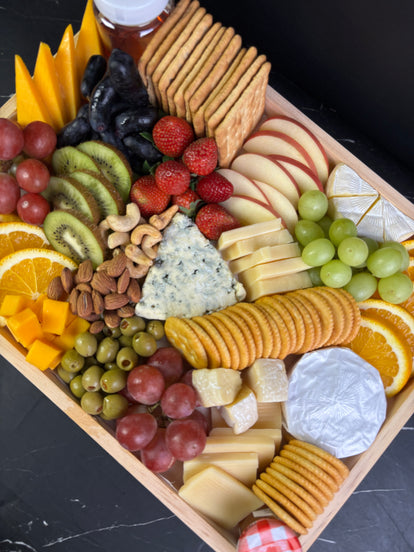
If you love creating beautiful charcuterie boards, you know that how you cut your cheese can make all the difference. Blue cheese, with its unique texture and strong flavor, can be tricky to slice just right.
But don’t worry—you’re about to learn simple tips to cut blue cheese perfectly every time. By the end of this article, you’ll impress your guests with a stunning board that looks as good as it tastes. Ready to take your cheese skills up a notch?
Let’s get started!

Credit: themodernproper.com
Choosing The Right Blue Cheese
Blue cheese adds bold flavor to any charcuterie board. Picking the right type makes a big difference. Think about taste and texture before you buy.
Some blue cheeses are creamy and mild. Others have a strong, sharp taste. Knowing these differences helps you choose one that fits your board.
Types Of Blue Cheese
Blue cheese comes in many varieties. Each has unique flavors and textures. Some popular types include Roquefort, Gorgonzola, and Stilton.
- Roquefort:Made from sheep’s milk, it has a strong, tangy flavor.
- Gorgonzola:Creamy and mild, it comes in sweet and sharp versions.
- Stilton:Crumbly texture with a rich, slightly nutty taste.
- Danish Blue:Soft and creamy, with a salty bite.
Texture And Flavor Considerations
| Texture | Flavor |
| Creamy | Mild and smooth |
| Crumbly | Rich and nutty |
| Firm | Sharp and tangy |
| Soft | Salty and bold |
Soft and creamy blue cheeses are easy to cut and spread. Crumbly types break into chunks nicely. Firm cheeses need a sharp knife for clean slices.
Choose a cheese that matches your taste preference. Consider how it will pair with fruits, nuts, and meats on your board.
Tools For Cutting Blue Cheese
Cutting blue cheese requires the right tools to keep its shape and texture. Using proper utensils helps you serve clean slices without crumbling.
Choosing the correct knife or wire can make your charcuterie board look neat and inviting. Let’s look at the best tools for the job.
Best Knives And Utensils
A sharp knife with a thin blade works well for blue cheese. It can cut through creamy and crumbly textures smoothly. Some knives have holes to stop the cheese from sticking.
- Use a cheese knife with holes to reduce sticking.
- Try a thin-bladed paring knife for small pieces.
- A butter knife can work for soft blue cheese.
- Clean the knife between cuts to keep slices tidy.
Using Cheese Wire
Cheese wire is a great tool for cutting blue cheese. It allows smooth slicing without crushing the cheese. Cheese wires come with handles or as simple loops.
| Type of Cheese Wire | Best Use | Advantage |
| Handle Cheese Wire | Large blocks of blue cheese | Better grip and control |
| Loop Cheese Wire | Smaller pieces or soft cheese | Easy to use and clean |
| Replacement Wire | For worn-out handles | Keeps tools sharp and safe |
Preparing Blue Cheese For Cutting
Blue cheese is a flavorful addition to any charcuterie board. Cutting it properly helps keep its texture and taste.
Preparing blue cheese before cutting makes it easier to slice and serve. This guide helps you handle it the right way.
Optimal Temperature
Blue cheese tastes best when it is cool but not too cold. Take it out of the fridge 20 minutes before cutting.
This allows the cheese to soften slightly. Softer cheese is easier to cut and has a better flavor.
- Keep cheese at about 60°F (15°C) before cutting
- Do not leave cheese out for more than 2 hours
- Return unused cheese to the fridge quickly
Handling And Storing
Handle blue cheese gently to keep its shape and texture. Use a clean knife to cut it into pieces.
Store leftover blue cheese properly to keep it fresh. Wrap it in wax paper or parchment paper before refrigerating.
- Use a soft cheese knife or a thin-bladed knife
- Wrap cheese in breathable paper, not plastic wrap
- Store cheese in the vegetable drawer or cheese drawer
- Check cheese regularly for unwanted mold or dryness
Cutting Techniques For Blue Cheese
Blue cheese has a unique texture and strong flavor. Cutting it correctly helps keep its shape and taste. It also makes serving easier on a charcuterie board.
Different cutting methods fit different presentation styles. Choose slicing, cubing, or crumbled style based on your board’s look.
Slicing
Slicing blue cheese creates long, thin pieces. This method works well for soft to semi-firm blue cheeses. Use a clean, sharp knife for smooth cuts.
- Start by cutting the cheese into a block or wedge.
- Hold the cheese firmly to avoid crumbling.
- Make straight, even slices about ¼ inch thick.
- Clean the knife between cuts for neat slices.
Cubing
Cubing is perfect for firmer blue cheeses. Cubes are easy to pick up with fingers or toothpicks. Cut cubes evenly for a tidy look.
| Cube Size | Use |
| 1 inch | Snack size, easy to eat |
| ½ inch | For salads or toppings |
| 2 inch | For sharing on boards |
Crumbled Style
Crumbled blue cheese adds texture and bursts of flavor. This style suits soft or aged blue cheese. Use clean hands or a fork to crumble.
- Break the cheese into small pieces with your fingers.
- Use a fork to gently crumble cheese over dishes.
- Keep crumbles bite-sized for easy eating.
- Place crumbles in a small bowl or scattered on the board.
Arranging Blue Cheese On Charcuterie Board
Blue cheese adds a bold flavor to any charcuterie board. Its creamy texture and sharp taste create a nice contrast with other items. Properly arranging blue cheese helps guests enjoy its unique qualities.
Cutting the cheese into bite-sized pieces or wedges makes it easy to pick. Place the blue cheese where it can stand out but also blend well with other flavors on the board.
Pairing With Meats And Fruits
Blue cheese pairs well with certain meats and fruits. These combinations bring out the best flavors and balance the sharpness of the cheese.
- Prosciutto: Its salty and sweet taste complements blue cheese.
- Soppressata: Spicy and flavorful, it balances the creaminess of the cheese.
- Green apples: Crisp and tart, they cut through the richness.
- Pears: Sweet and soft, they add a gentle contrast.
- Figs: Their natural sweetness pairs well with blue cheese’s tang.
Presentation Tips
| Tip | Detail |
|---|---|
| Cut Style | Use wedges or small chunks for easy serving. |
| Placement | Place near fruits and nuts to invite mixing of flavors. |
| Labeling | Use small tags to identify blue cheese for guests. |
| Serving Tools | Provide a cheese knife or spreader for easy handling. |

Credit: entertainingwithbeth.com
Maintaining Blue Cheese Freshness
Blue cheese adds a sharp, creamy flavor to a charcuterie board. Keeping it fresh after cutting is important for taste and safety.
Proper storage and handling help keep the cheese from drying out or spoiling too soon.
Storage After Cutting
After cutting blue cheese, wrap it carefully to preserve moisture and prevent odors from mixing with other foods.
- Use wax paper or parchment paper to cover the cheese surface first.
- Wrap the paper-covered cheese loosely with plastic wrap or place it in a sealed container.
- Keep the cheese in the refrigerator’s vegetable drawer or a cool spot around 35-40°F (2-4°C).
- Check the cheese daily for any signs of mold different from its natural blue veins.
- Rewrap with fresh paper if the original wrapping becomes damp or sticky.
Avoiding Overexposure
Blue cheese can lose flavor and texture when exposed to air or light for too long.
| Cause | Effect on Blue Cheese | How to Prevent |
| Air Exposure | Drying and hardening | Wrap tightly and store in sealed containers |
| Light Exposure | Flavor loss and discoloration | Store in dark areas of the fridge |
| Heat | Melting and spoilage | Keep cheese in the coolest fridge sections |

Credit: spinachtiger.com
Frequently Asked Questions
How Do You Prepare Blue Cheese For A Charcuterie Board?
Start by chilling the blue cheese for easier slicing. Use a sharp knife to cut it into wedges. Arrange the pieces on the board with complementary items like fruits and nuts. Ensure the cheese maintains its shape and texture for a visually appealing presentation.
What Knife Is Best For Cutting Blue Cheese?
A cheese wire or a sharp, thin-bladed knife works best. These tools prevent crumbling and maintain the cheese’s integrity. Always cut slowly and gently to keep the cheese intact. Cleaning the knife between cuts helps achieve smooth slices.
How Should Blue Cheese Be Stored Before Serving?
Store blue cheese in the refrigerator wrapped in wax paper or cheese paper. This allows it to breathe while maintaining freshness. Remove it from the fridge 30 minutes before serving. This step enhances its flavor and texture for the charcuterie board.
Can Blue Cheese Be Paired With Fruits?
Yes, blue cheese pairs excellently with fruits like pears, figs, and apples. The sweet and juicy nature of these fruits complements the cheese’s sharp, tangy flavor. Including these fruits on your charcuterie board enhances the overall taste experience.
Conclusion
Cutting blue cheese properly makes your charcuterie board look inviting. Use a clean, sharp knife for neat slices. Keep pieces bite-sized for easy tasting. Serve cheese at room temperature for best flavor. Arranging cheese with crackers and fruits adds variety.
Enjoy the rich, tangy taste with friends and family. Simple steps create a beautiful, tasty spread everyone will love.