
If you’re an avid angler, you know that cutting braided fishing line the right way can make all the difference in your fishing experience. But it’s not always as simple as it sounds.
Using the wrong tools or technique can fray the line, weaken your setup, or even cost you a big catch. You’ll discover easy, effective tips to cut your braided line cleanly and safely. Keep reading to learn how to protect your gear and improve your fishing success every time you cast.

Credit: www.reddit.com
Choosing The Right Tools
Cutting braided fishing line needs the right tools. The tool you pick affects the cut quality. Using proper gear makes the job easier and cleaner.
Some tools work better than others. It is important to know which tools to use and which to avoid. This guide covers the best options for cutting braided line.
Best Scissors And Clippers
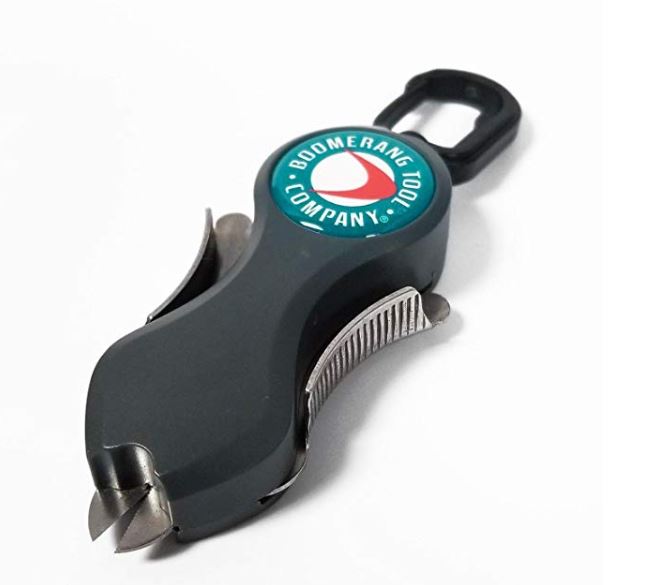
Scissors and clippers are popular for cutting braided line. Look for sharp, strong blades that can handle the tough fibers. Stainless steel scissors resist rust and stay sharp longer.
- Use scissors with sharp, pointed tips for precision cuts.
- Clippers with spring action reduce hand fatigue.
- Choose tools with comfortable grips for better control.
- Avoid plastic scissors as they can dull quickly.
Using A Sharp Knife
A sharp knife can cut braided line cleanly. A utility knife or a craft knife works well. Cut on a safe surface and hold the line tightly.
| Knife Type | Advantages | Safety Tips |
|---|---|---|
| Utility Knife | Very sharp, easy to replace blades | Use a cutting mat, cut away from body |
| Craft Knife | Precision cutting, good for small lines | Keep fingers clear, store safely |
| Fishing Line Cutter Knife | Specially designed for fishing lines | Keep blade clean, sharpen regularly |
Avoiding Dull Tools
Dull tools cause frayed or uneven cuts. They make cutting harder and can damage the line. Always check tool sharpness before cutting.
- Sharpen blades regularly using a sharpening stone or tool.
- Replace scissors or clippers if they no longer cut cleanly.
- Clean blades after use to prevent rust and buildup.
- Store tools in a dry place to keep them sharp longer.
Credit: www.beadinggem.com
Preparing The Line
Cutting braided fishing line needs care to keep the line strong. Preparing the line before cutting makes your fishing experience better.
This guide covers how to get the line ready by securing, measuring, and stopping frays.
Securing The Line
Hold the braided line tightly to keep it from moving. Use a clamp or your fingers to stop the line from slipping while cutting.
- Use a small clamp or vise
- Wrap the line around a solid object
- Hold firmly with your fingers
- Keep steady to avoid uneven cuts
Measuring And Marking
Measure the length of line you need before cutting. Mark the exact spot to cut for better accuracy.
| Tool | Purpose |
| Ruler or Tape Measure | Measure line length |
| Permanent Marker | Mark cutting point |
| Masking Tape | Wrap to hold line and mark spot |
Preventing Frays
Braided line can fray after cutting. Use these methods to stop frays and keep the line strong.
- Wrap tape tightly around the cut area before cutting
- Use sharp scissors or a line cutter
- Seal the ends with heat carefully (if safe for your line type)
- Check for loose fibers and trim them
Cutting Techniques
Cutting braided fishing line requires precision. Different methods help achieve clean cuts. Let’s explore some effective techniques.
Straight Cut Method
Use sharp scissors for straight cuts. Hold the line taut. This method ensures clean and smooth edges.
- Ensure scissors are sharp
- Hold the line tight
- Cut quickly for best results
Angle Cut Method
Angle cuts prevent fraying. Position scissors at an angle. This method helps when tying knots.
- Hold line at an angle
- Cut with sharp scissors
- Check for clean edges
Using Heat For Sealing
Heat seals the ends of the line. Use a lighter or match carefully. This prevents unraveling.
- Lightly heat the cut end
- Press the end to seal
- Avoid burning the line

Credit: www.youtube.com
Maintaining Your Tools
Cutting braided fishing line needs the right tools in top shape. Keeping your tools clean and sharp makes cutting easier and safer. Good care helps your tools last longer and work better.
Below are tips on cleaning, storing, and knowing when to replace your fishing line cutters and scissors.
Cleaning And Sharpening
Remove dirt and salt after every use. Rinse tools with fresh water and dry completely. This stops rust and keeps edges sharp. Use a sharpening stone or fine file to sharpen blades carefully. Sharp blades cut braided line cleanly without fraying.
Storage Tips
- Store tools in a dry, cool place to avoid rust.
- Use protective covers or cases for blades and cutters.
- Keep tools away from heavy items to prevent damage.
- Regularly oil moving parts to keep them smooth.
When To Replace Tools
| Sign | Reason | Action |
| Dull blades | Cannot cut line cleanly | Sharpen or replace blade |
| Rust spots | Weakens tool strength | Clean thoroughly or replace |
| Loose handles | Unsafe to use | Tighten or replace tool |
| Broken parts | Tool unusable | Replace immediately |
Common Mistakes To Avoid
Cutting braided fishing line may seem easy but making mistakes can weaken the line. These mistakes cause frayed ends and reduce strength.
Knowing what to avoid helps keep your fishing line strong and ready. Here are some common errors to watch out for.
Cutting With Dull Blades
Dull blades crush the braided line instead of cutting cleanly. This damages the fibers and causes fraying.
Always use sharp scissors or line cutters made for braided line. Replace blades often to keep cuts clean and easy.
Ignoring Line Type
Different braided lines have different thickness and fiber types. Using the wrong tool can damage the line.
Check your line type before cutting. Use cutters or scissors that match the line’s thickness and material.
Rushing The Cut
Cutting too fast can cause uneven cuts and frayed ends. The line may slip or bend during quick cuts.
Take your time to hold the line steady and make a smooth, clean cut. This keeps the line strong and neat.
Frequently Asked Questions
How Do You Cut Braided Fishing Line Cleanly?
Use sharp scissors or a fine-toothed blade to cut braided fishing line. Hold the line taut and cut swiftly to avoid fraying. Clean cuts prevent damage and ensure better knot tying.
What Tools Work Best For Cutting Braided Fishing Line?
Sharp fishing scissors, nail clippers, or a utility knife work best. Avoid dull tools as they can fray or damage the line. Always use tools designed for precision cutting.
Can I Use Regular Scissors To Cut Braided Line?
Regular scissors may work but often cause fraying. For clean cuts, use sharp or specialized fishing scissors. Clean cuts improve knot strength and line durability.
How To Prevent Fraying When Cutting Braided Fishing Line?
Use sharp tools and cut the line tightly stretched. Applying a small amount of heat or nail polish to the cut end can seal fibers. This prevents fraying and extends line life.
Conclusion
Cutting braided fishing line is simple with the right tools and steps. Use sharp scissors or a line cutter for a clean cut. Avoid fraying by cutting slowly and carefully. Remember to secure the line before cutting to keep it steady.
Practice a few times to feel confident. This skill helps keep your fishing gear in good shape. Enjoy smoother fishing trips with properly cut braided line. Keep these tips handy for your next outing.