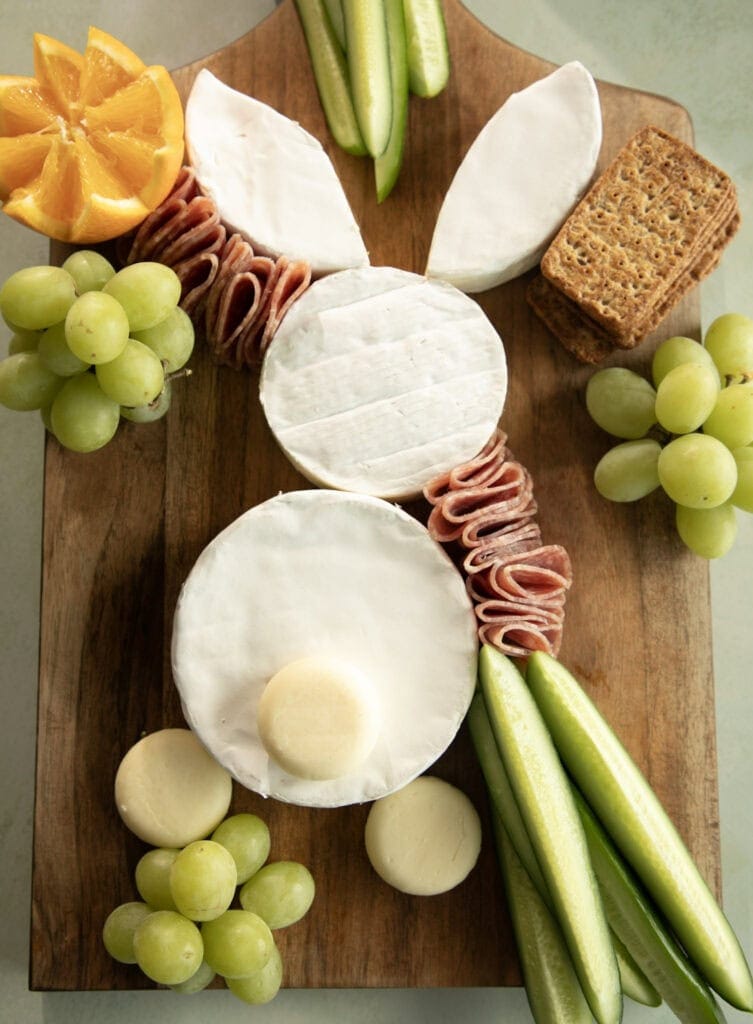
If you want your charcuterie board to look as good as it tastes, knowing how to cut Brie the right way is a must. You might think slicing cheese is simple, but the way you cut Brie can change everything—from the presentation to the flavor experience.
Imagine serving perfectly shaped pieces that make your guests eager to dig in. You’ll discover easy tips and tricks to cut Brie like a pro, making your board stand out every time. Ready to impress? Let’s get started!

Credit: www.cucinabyelena.com
Choosing The Right Brie
Brie is a soft cheese that adds creaminess to any charcuterie board. Picking the right Brie makes cutting and serving easier. The texture and taste vary by type and freshness.
Knowing how to select Brie helps you create a better cheese board. This guide covers Brie types, freshness, and temperature tips.
Types Of Brie
Brie comes in different varieties. Each type has a unique taste and texture. Some are mild, while others have a stronger flavor.
- Double or triple cream Brie: Rich and creamy with extra fat
- Traditional Brie: Soft with a mild, buttery flavor
- Flavored Brie: Infused with herbs, spices, or fruit
- Raw milk Brie: Made from unpasteurized milk for stronger taste
Selecting Fresh Brie
Fresh Brie has a white, edible rind that looks clean and smooth. Avoid Brie with cracks or dark spots on the rind. The cheese inside should be soft but not runny.
Smell the Brie if possible. It should have a mild, fresh scent. A strong or sour smell means the cheese is past its prime.
Optimal Brie Temperature
Brie tastes best at room temperature. Cold Brie is hard to cut and has less flavor. Let the cheese sit out for 30-60 minutes before serving.
- Remove Brie from the fridge before cutting
- Keep Brie at room temperature for a better texture
- Do not leave Brie out for more than two hours
Tools For Cutting Brie
Cutting brie cheese correctly makes your charcuterie board look great. The right tools help you cut smooth pieces without breaking the cheese.
Soft cheeses like brie need careful handling. Using proper cutting tools gives clean slices and keeps the cheese shape.
Best Knives To Use
A sharp, thin knife works well for cutting brie. It cuts through the soft cheese without squishing it. A cheese knife with holes also helps reduce sticking.
Use a knife with a smooth edge or a small serrated blade. Avoid large or heavy knives that can crush the cheese.
- Thin-blade chef’s knife
- Soft cheese knife with holes
- Small serrated knife
Using Wire Cheese Cutters
Wire cutters are great for soft cheese like brie. The thin wire slices through easily without sticking or tearing the cheese.
Hold the brie steady and pull the wire down smoothly. This gives you clean wedges or slices with little effort.
- Easy to clean and use
- Gives smooth, even cuts
- Prevents cheese from sticking
Alternative Cutting Tools
If you don’t have a knife or wire cutter, try a dental floss string. Make sure it’s unflavored and clean to avoid taste issues.
You can also use a thin spatula or a vegetable peeler to cut or serve brie in small pieces for your board.
- Unflavored dental floss for slicing
- Thin spatula for serving small pieces
- Vegetable peeler for thin slices
Preparing Brie For Slicing
Brie is a soft cheese that looks great on a charcuterie board. Cutting it properly helps keep its shape and texture.
Before slicing Brie, you need to prepare it well. This makes cutting easier and the cheese more enjoyable.
Removing Packaging
Start by taking the Brie out of its wrapping carefully. Remove any plastic or foil without damaging the cheese.
Check if there is a paper liner under the packaging. Peel it off gently to avoid breaking the Brie.
Softening Brie Slightly
Take the Brie out of the fridge about 15 minutes before slicing. This softens it and makes cutting smoother.
Cold Brie can crumble or stick to the knife. Softening it helps keep clean slices and good texture.
Stabilizing The Cheese
Place the Brie on a flat cutting board. Use a damp cloth under the board to stop it from sliding.
Hold the Brie firmly but gently with one hand. This keeps it steady while you slice with the other hand.

Credit: theheartylife.org
Cutting Techniques
Cutting Brie properly makes your charcuterie board look neat and inviting. Different cuts bring out varied textures and flavors.
Use the right technique to match the serving style and guest preferences. This guide covers common Brie cutting methods.
Wedge Slices
Cut Brie into wedge slices by slicing from the center outward. This shape shows off the creamy inside with the rind around the edges.
- Place the Brie wheel on a cutting board.
- Use a sharp knife to cut straight down from the center.
- Continue cutting wedges evenly around the wheel.
- Serve wedges with crackers or bread.
Cube Or Block Cuts
Cubes or blocks offer easy bite-sized pieces for sharing. This cut works well for firm Brie that holds its shape.
| Step | Action |
|---|---|
| 1 | Chill Brie slightly to firm it up. |
| 2 | Trim the rind if preferred. |
| 3 | Cut the Brie into even cubes or blocks. |
| 4 | Arrange cubes on the board for easy picking. |
Thin Slices For Tasting
Thin slices highlight Brie’s delicate flavor. This style suits tasting flights or small plates.
To cut thin slices:
- Use a long, thin knife.
- Cut slowly and evenly across the Brie.
- Keep slices about 1/8 inch thick.
- Serve slices on small tasting spoons or plates.
Arranging Brie On The Board
Brie is a soft cheese with a creamy texture and mild flavor. Cutting and arranging it nicely makes your charcuterie board look inviting.
Place the Brie in a spot where it is easy to reach. This helps guests serve themselves without trouble.
Balancing With Other Cheeses
Brie pairs well with cheeses that have different textures and flavors. This balance keeps the board interesting and tasty.
Include hard cheeses like cheddar or gouda. Add blue cheese or goat cheese for strong flavors.
- Soft Brie contrasts with hard cheeses
- Mix mild and sharp cheeses
- Use different colors for visual appeal
Pairing With Charcuterie
Brie goes well with many types of charcuterie. Choose meats that are mild or slightly spicy to match Brie’s creaminess.
Arrange slices of prosciutto, salami, or ham near the Brie. Keep the pieces small so guests can combine flavors easily.
- Prosciutto offers a salty, light flavor
- Salami adds a spicy kick
- Ham provides a sweet, savory taste
Adding Garnishes And Accents
Garnishes add color and texture around the Brie. Fresh fruits, nuts, and herbs make the board look fresh and tasty.
Use grapes, figs, or apple slices. Add almonds or walnuts for crunch. Sprinkle fresh rosemary or thyme for aroma.
- Fruits add sweetness and color
- Nuts give a crunchy texture
- Herbs offer fresh scent and look

Credit: www.skiptomylou.org
Tips For Serving Brie
Brie is a soft cheese with a creamy texture and mild flavor. Serving it well helps guests enjoy its full taste.
Here are some tips to keep Brie fresh, serve it at the right temperature, and pair it with tasty spreads and fruits.
Maintaining Freshness
Brie is delicate and can spoil quickly if not stored properly. Keep these tips in mind to preserve its freshness.
- Store Brie in its original packaging or wrap in wax paper.
- Keep it in the refrigerator at a temperature between 35°F and 45°F (2°C to 7°C).
- Avoid using plastic wrap directly on the cheese to prevent moisture buildup.
- Allow Brie to breathe by placing it in a loosely covered container.
- Use Brie within 5 to 7 days after opening for best taste.
Serving Temperature
Brie tastes best when served slightly warm. Cold cheese loses flavor and creamy texture.
| Temperature | Effect on Brie |
| Refrigerated (35°F / 2°C) | Firm texture, muted flavor |
| Room temperature (65°F / 18°C) | Creamy texture, full flavor |
| Too warm (above 75°F / 24°C) | Overly soft, oily texture |
Take Brie out of the fridge 30 to 60 minutes before serving. This helps bring out its creamy texture and rich taste.
Complementary Spreads And Fruits
Brie pairs well with sweet and savory spreads and fresh fruits. These add flavor and balance.
- Honey or fruit preserves add sweetness.
- Fig jam complements Brie’s creaminess.
- Fresh grapes and apple slices add crispness.
- Walnuts and almonds provide a crunchy texture.
- Mustard or chutney adds a tangy contrast.
Frequently Asked Questions
How To Properly Cut Brie Cheese?
To cut brie for a charcuterie board, use a sharp knife. Start from the center and cut outward in wedges. This ensures even portions. Always cut through the rind as well. Serve the slices with the rind intact for the best flavor and presentation.
Should Brie Be Cold Before Cutting?
Yes, chill brie before cutting for cleaner slices. Cold brie is firmer, making it easier to handle. Once cut, allow it to come to room temperature. This enhances its creamy texture and rich flavor, which is ideal for serving.
Is It Necessary To Remove Brie Rind?
No, the rind on brie is edible and flavorful. It adds texture and a slightly tangy taste. Most cheese enthusiasts recommend leaving the rind on. Including the rind on your charcuterie board enriches the tasting experience.
How Do You Cut Brie Without Sticking?
To prevent sticking, chill the brie and use a sharp, non-serrated knife. Wipe the knife clean between cuts. This method ensures smooth, clean slices. You can also lightly oil the knife to further reduce sticking.
Conclusion
Cutting Brie for your charcuterie board is simple and fun. Use a sharp knife to make clean, even slices. Keep the rind on to add flavor and texture. Arrange the pieces nicely for a beautiful display. This way, everyone can enjoy the soft, creamy cheese easily.
A well-cut Brie makes your board look inviting and tasty. Try these tips next time you prepare your charcuterie spread. Enjoy sharing delicious moments with friends and family.