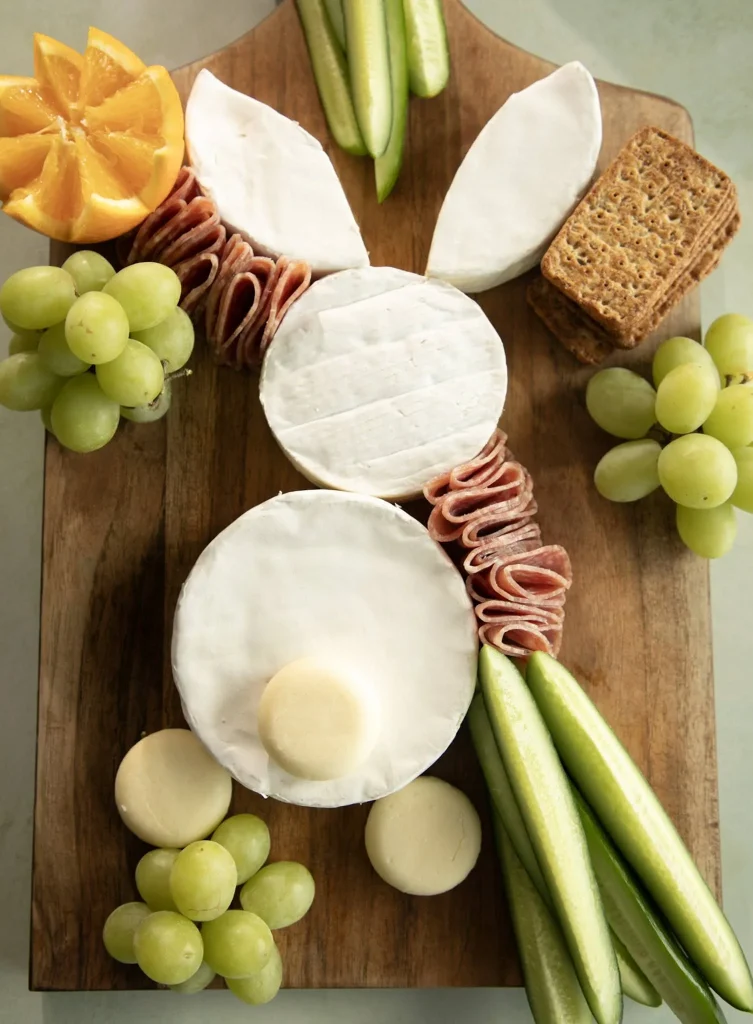
If you love cheese boards, you know that cutting Brie the right way makes all the difference. You want every slice to look inviting and taste just right.
But how do you cut Brie so it stays creamy and beautiful on your board? You’ll discover simple tips and tricks to slice your Brie perfectly every time. Keep reading to make your cheese board the star of any gathering.

Credit: hipfoodiemom.com
Choosing The Right Brie
Brie is a soft cheese that adds creaminess to any cheese board. Picking the right Brie can make your board more enjoyable. Consider the type, freshness, and size for the best experience.
Knowing what to look for helps you select Brie that looks good and tastes great. This guide covers the key points to help you choose wisely.
Types Of Brie
Brie cheese comes in different varieties. Each type has unique flavors and textures. You can find Brie made from cow’s milk, goat’s milk, or mixed milk.
- Cow’s Milk Brie:The most common type, creamy with a mild flavor.
- Goat’s Milk Brie:Tangier taste and often lighter in color.
- Double or Triple Cream Brie:Richer with higher fat content for extra creaminess.
- Flavored Brie:Includes herbs, spices, or fruit added for variety.
Freshness And Texture
Fresh Brie has a soft, smooth texture and a white rind. Avoid Brie with cracks or dryness on the surface. The cheese should feel slightly springy when pressed gently.
| Freshness Indicator | What to Look For |
|---|---|
| Rind | White and firm, no cracks or brown spots |
| Cheese | Soft, creamy, and slightly springy |
| Smell | Mild and pleasant, no sour or ammonia odor |
Optimal Size For Serving
Choose a Brie size that fits your guest number and serving style. Smaller wheels are great for intimate gatherings. Larger wheels suit bigger parties and sharing.
- 4 to 8 ounces for 2 to 4 people
- 8 to 12 ounces for 5 to 8 people
- 12 ounces or more for large groups
Tools For Cutting Brie
Cutting Brie cheese correctly helps keep its soft texture intact. Using the right tools makes serving easier and cleaner.
Choosing the proper knife or cutting tool preserves the cheese’s shape and enhances your cheese board presentation.
Best Knives To Use
A cheese knife with a thin blade works well for Brie. Its sharp edge cuts through soft cheese smoothly.
Knives with holes in the blade prevent the cheese from sticking. A narrow blade helps keep the Brie from crumbling.
- Thin, sharp cheese knives
- Knives with holes in the blade
- Narrow-bladed knives for soft cheese
Alternative Cutting Tools
A wire cheese cutter is a good alternative. It slices Brie cleanly without squashing it.
Some people use a dental floss or thin string to cut soft cheeses. This method keeps the cheese neat and tidy.
- Wire cheese cutters
- Dental floss or thin string
- Plastic cheese slicers
Maintaining Sharpness
Keep your knives sharp for smooth Brie cuts. Dull knives can crush the cheese and ruin its texture.
Clean knives after each use to avoid cheese buildup. Regularly hone your knife with a sharpening steel or stone.
- Clean knives immediately after cutting
- Use a sharpening steel to hone edges
- Sharpen blades with a stone when needed
Preparing Brie For Cutting
Brie is a soft cheese that tastes best when cut properly. Preparing it right makes your cheese board look and taste great.
Before cutting Brie, you need to handle it carefully. This helps keep its texture and flavor perfect for serving.
Allowing Brie To Reach Room Temperature
Cold Brie is hard and does not cut well. Let it sit out for about 30 to 60 minutes before cutting.
Room temperature Brie is softer and creamier. This makes it easier to slice and enjoy.
Removing The Rind Or Keeping It
The white rind on Brie is edible and adds flavor. You can choose to keep or remove it based on your taste.
- Keep the rind:It adds a slightly earthy taste and a nice texture contrast.
- Remove the rind:Use a knife to gently peel it off if you prefer only the creamy inside.
Many people serve Brie with the rind on to keep its shape and flavor intact.
Setting Up The Cutting Surface
Use a clean, flat surface to cut Brie safely and neatly. A wooden or plastic cutting board works best.
| Item | Purpose |
|---|---|
| Sharp knife | To cut smooth slices without squishing the cheese |
| Cutting board | Provides a stable surface for easy cutting |
| Paper towels | To clean the knife between cuts for neat slices |
Cleaning your knife after each cut keeps the Brie slices clean and attractive on your board.
Cutting Techniques
Cutting Brie cheese correctly helps it look nice on your cheese board. Different cuts suit different serving styles and occasions.
Using the right cutting technique also makes Brie easier to eat and share with others.
Wedge Slices For Sharing
Cutting Brie into wedge slices is the most common way to share it. This keeps the rind intact and makes each piece easy to hold.
Start by cutting the Brie in half. Then cut each half into smaller wedges. This way, everyone gets a nice portion.
- Use a sharp knife for clean cuts
- Cut from the center to the edge
- Keep the rind on each wedge
- Serve wedges on a cheese board with crackers or bread
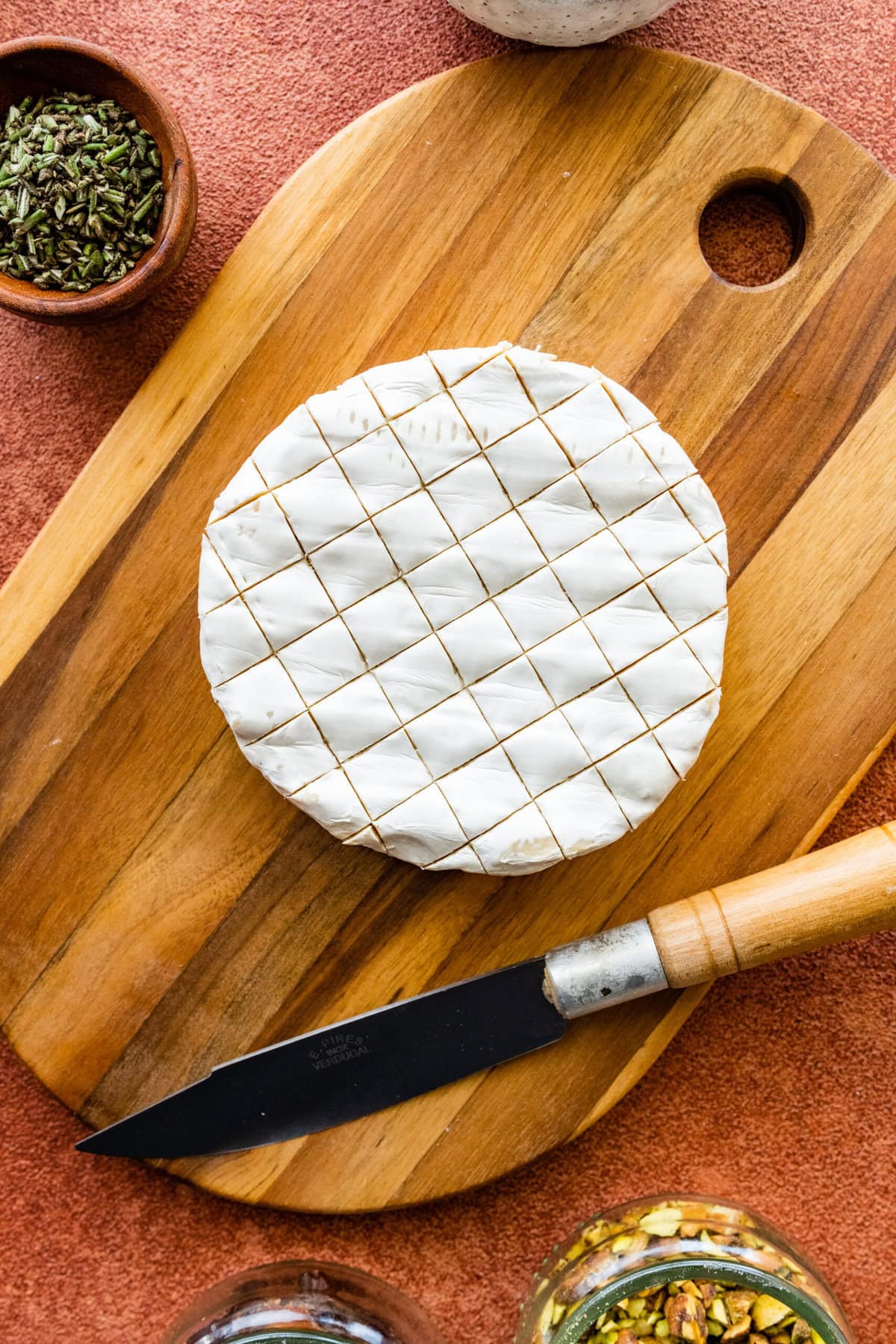
Square Or Rectangle Cuts
Square or rectangle cuts work well for smaller Brie pieces or baked Brie. These shapes are easy to pick up with fingers or forks.
Cut Brie into strips first. Then cut across the strips to make squares or rectangles. This style looks tidy on a cheese board.
- Chill the Brie for firmer texture
- Slice gently to avoid crushing
- Place squares evenly on the board
Creative Shapes For Presentation
Creative shapes add visual interest to your cheese board. Use cookie cutters or small knives to make stars, hearts, or other shapes.
These shapes make Brie fun to eat and can match themes for parties or events.
- Chill Brie so it is easier to cut
- Use simple shapes for easy cutting
- Arrange shaped pieces with other cheeses and fruits
Serving Tips For Brie
Brie is a soft cheese with a creamy texture and mild flavor. Serving it right helps guests enjoy its taste and texture.
Cutting Brie correctly makes it easy to share and keeps the cheese looking nice on your board.
Pairing With Accompaniments
Brie tastes great with sweet and savory sides. Choose items that balance its creaminess.
- Fresh fruits like grapes, apples, and pears add sweetness.
- Nuts such as almonds or walnuts add crunch.
- Honey or fruit jam pairs well with Brie’s mild flavor.
- Crackers or baguette slices provide a nice base.
- Charcuterie like prosciutto or salami complements the cheese.
Arranging On The Cheese Board
Place Brie in the center or corner of the board. Leave room to cut and serve.
Cut Brie into small wedges or slices for easy picking. Keep the rind on for flavor and appearance.
- Use a soft cheese knife or a thin-bladed knife to cut.
- Cut from the center outward to keep wedges neat.
- Arrange accompaniments around Brie in groups.
- Keep items separate to highlight each flavor.
Storing Leftovers Properly
Store Brie in the fridge to keep it fresh. Wrap it gently to prevent drying out.
Use wax paper or parchment paper first, then wrap in plastic wrap or place in an airtight container.
- Keep Brie away from strong-smelling foods.
- Use leftovers within 5 days for best taste.
- Bring Brie to room temperature before serving again.
Credit: www.cucinabyelena.com

Credit: domestikatedlife.com
Frequently Asked Questions
How Do You Properly Cut Brie Cheese?
To cut Brie, start by slicing it when it’s cold. Use a sharp knife to make even wedges. Avoid cutting the rind off completely; it adds flavor and texture. Aim for small, manageable pieces that fit well on your cheese board, ensuring an aesthetically pleasing presentation.
Should Brie Be Served With Or Without Rind?
Brie can be served with the rind intact, as it’s edible and flavorful. The rind complements the creamy interior, offering a contrasting texture. However, some may prefer removing it. It’s a matter of personal preference, and both options are acceptable for a cheese board presentation.
Can You Eat Brie Cold Or Warm?
Brie can be enjoyed both cold and warm. When served cold, it retains a firmer texture, making it easier to cut. Warming Brie enhances its creamy texture and flavor, making it more spreadable. Either way, it pairs well with fruits, nuts, and crackers on a cheese board.
What Knife Is Best For Cutting Brie?
A sharp, thin-bladed knife is ideal for cutting Brie. A cheese knife with holes in the blade helps prevent sticking. The thin blade ensures clean cuts, maintaining the cheese’s shape. For best results, chill the Brie before slicing to ensure precise cuts without squishing the cheese.
Conclusion
Cutting Brie for a cheese board is simple and fun. Use a sharp knife to make clean cuts. Slice wedges to keep the rind on each piece. This helps the cheese hold its shape and taste great. Serve Brie at room temperature for the best flavor.
A well-cut Brie looks inviting and tastes delicious. Enjoy your cheese board with friends and family. Small tips make a big difference in presentation and flavor. Try these easy steps next time you prepare Brie.