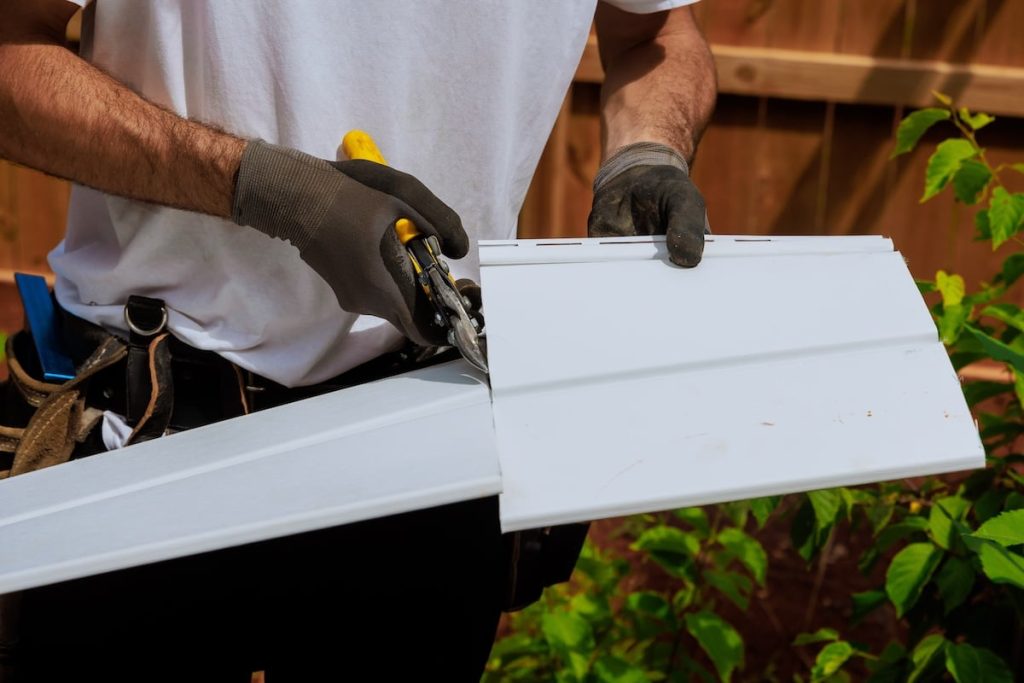
If you’re planning to install or repair cement board siding, knowing how to cut it properly is key to a clean, professional finish. Cutting cement board might seem tricky at first, but with the right tools and simple techniques, you can do it yourself without hassle.
Imagine saving time and money by handling this step on your own. In this guide, you’ll discover easy, effective methods to cut cement board siding safely and accurately. Keep reading, and you’ll gain the confidence to tackle your siding project like a pro.
Essential Tools And Materials
Cutting cement board siding needs the right tools and materials. Using these helps you work safely and accurately.
This guide covers the key tools and materials you need to cut cement board siding properly.
Measuring Tape
A measuring tape helps you mark exact cutting lines. Accurate measurements make your cuts clean and fit well.
Choose a tape that is at least 25 feet long. This length works well for most siding projects.
Pencil Or Chalk
Use a pencil or chalk to mark the siding before cutting. These marks guide your saw or scoring tool.
Chalk works well on dusty surfaces and shows clearly on cement boards.
Circular Saw With A Carbide-tipped Blade
A circular saw with a carbide-tipped blade cuts cement board smoothly. It makes fast, straight cuts.
Use a blade designed for masonry or cement board to avoid damage and get a clean cut.
Straightedge Or T-square
A straightedge or T-square helps draw straight cutting lines. It keeps your cuts even and accurate.
Metal straightedges are best because they do not bend during marking.
Safety Gear
Wear safety gear like gloves, goggles, and a dust mask. Cement board dust can irritate skin and lungs.
Protect your eyes and hands to avoid injury while cutting.
Clamps
Use clamps to hold the cement board steady while cutting. This prevents slipping and ensures safety.
Clamps also help keep your cutting line straight and precise.
Utility Knife
A utility knife can score the cement board for thin cuts or small adjustments. It is useful for trimming edges.
Make several passes with the knife to score deeply before snapping the board.
Safety Precautions
Cutting cement board siding can create dust and debris that may harm your health. Taking safety steps helps protect you during the work.
Use the right tools and wear safety gear to avoid injuries. Follow these safety tips before you start cutting cement board siding.
Wear Protective Gear
Always wear safety gear to protect your eyes, lungs, and skin. Cement board dust can irritate your body.
- Wear safety goggles to protect your eyes
- Use a dust mask or respirator to avoid breathing dust
- Wear gloves to protect your hands from sharp edges
- Use long sleeves and pants to protect your skin
Work In A Well-ventilated Area
Cut cement board siding outside or in a place with good airflow. This reduces the amount of dust in the air.
Avoid working in small, closed rooms. Dust can build up quickly and cause breathing problems.
Use The Right Tools
Choose tools made for cutting cement board siding. Using the wrong tool can cause accidents and poor cuts.
- Use a carbide-tipped scoring knife for straight cuts
- Use a circular saw with a diamond blade for larger cuts
- Keep tools sharp and in good condition
Keep Your Work Area Clean
Clean dust and debris often while cutting. A messy area can cause slips and falls.
Use a vacuum with a HEPA filter to remove dust safely. Avoid sweeping dust into the air.
Handle Cement Board Carefully
Cement boards can be heavy and sharp. Lift and carry them with care to avoid cuts and strains.
- Lift with your legs, not your back
- Ask for help if the board is too heavy
- Place boards on a stable surface before cutting
Choosing The Right Type Of Cement Board
Selecting the right cement board is important for siding projects.
Different boards suit different needs. Knowing these helps you cut and install properly.
Fiber Cement Boards
Fiber cement boards mix cement with cellulose fibers. They are strong and weather-resistant.
These boards are good for outdoor siding and resist rot and insects.
Glass Mat Cement Boards
Glass mat boards use cement with glass fiber mats inside. They are lighter and easier to handle.
These boards are moisture resistant and good for wet areas.
Comparing Cement Board Types
| Type | Weight | Water Resistance | Best Use |
| Fiber Cement | Heavy | High | Exterior siding |
| Glass Mat Cement | Light | Very High | Wet areas, exterior |
Consider Thickness And Size
Cement boards come in various thicknesses, usually from 1/4 inch to 1/2 inch.
- Thicker boards offer more strength and durability.
- Thinner boards are easier to cut and handle.
- Choose size based on your project needs.
Preparing The Work Area
Cutting cement board siding needs a clean and safe space. Preparing the work area helps you work faster and avoid accidents.
Make sure you have enough room for tools and boards. Clear away any clutter before starting your project.
Clear And Level The Surface
Choose a flat, sturdy surface to work on. Remove dirt, rocks, or debris that could cause uneven cuts or slips.
Gather Safety Equipment
Protect yourself by wearing the right safety gear. Cement board dust can irritate your eyes and lungs.
- Wear safety goggles to protect your eyes
- Use a dust mask to avoid breathing in dust
- Wear gloves to protect your hands from sharp edges
- Use ear protection if you use power tools
Set Up Good Lighting
Work in a well-lit area. Good lighting helps you see your measurements and cutting lines clearly.
Organize Tools And Materials
Keep all your tools and materials within reach. An organized area saves time and reduces stress during cutting.
| Tool | Purpose | Placement |
|---|---|---|
| Measuring tape | Mark cutting lines | Near work surface |
| Carbide-tipped scoring knife | Score cement board | On tool bench or table |
| Straight edge or ruler | Guide scoring knife | Next to measuring tape |
| Power saw with diamond blade | Cut through board | On stable stand or workbench |
| Clamps | Hold board steady | Within arm’s reach |
Measuring And Marking The Cut Lines
Cutting cement board siding requires precise measuring and marking. This ensures clean cuts and proper fit.
Accurate lines help avoid waste and make installation easier. Use the right tools for best results.
Gather The Right Tools
Before measuring, collect tools like a tape measure, pencil, straightedge, and square. These help mark straight and exact lines.
- Tape measure for accurate lengths
- Pencil or chalk for marking
- Straightedge or ruler for straight lines
- Carpenter’s square for right angles
Measure Twice, Mark Once
Measure the length and width needed for the siding piece. Double-check each measurement to avoid errors.
Use the carpenter’s square to keep lines square to the edges. Mark lightly to adjust if needed.
Marking The Cut Lines Clearly
Use a sharp pencil or chalk line to mark the cut lines. Clear lines guide the saw for a clean cut.
| Tool | Best Marking Type |
|---|---|
| Pencil | Fine, precise lines for detailed cuts |
| Chalk line | Long straight lines on large boards |
| Marker | Visible lines but less precise |
Mark both sides of the board if possible. This helps keep the cut straight and balanced.
Credit: bestexteriorsinc.com
Cutting Techniques
Cutting cement board siding needs care and the right tools. Using correct methods helps make clean cuts. It also keeps the board intact and safe.
This guide covers three ways to cut cement board siding. These include scoring and snapping, using a circular saw, and employing a jigsaw. Each method suits different needs and tools.
Scoring And Snapping Method
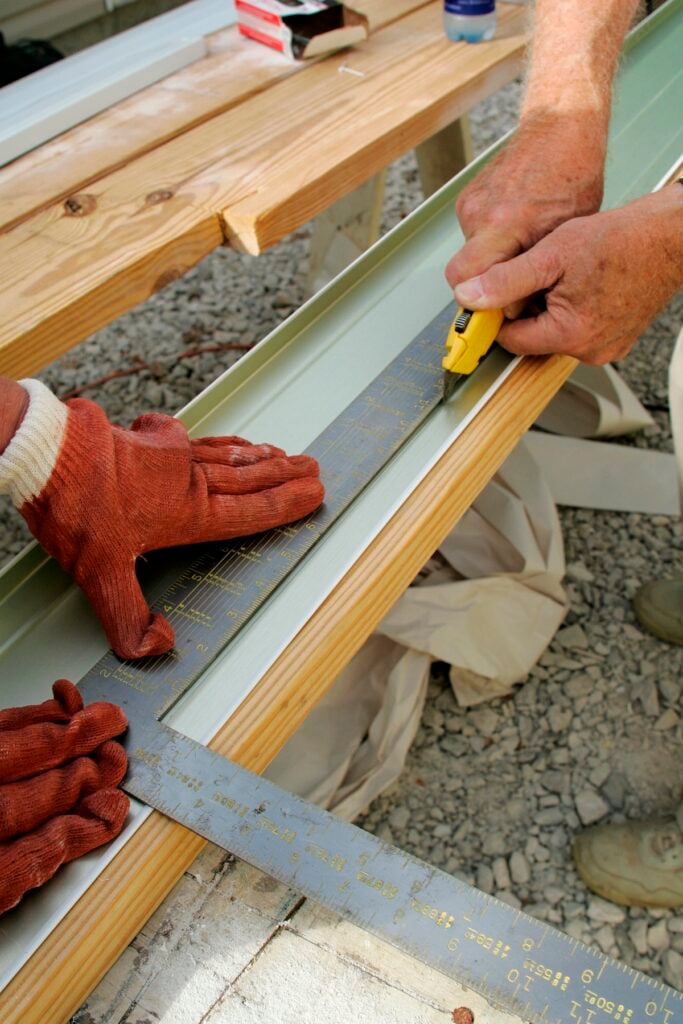
This method works well for straight cuts. It uses a utility knife to score the board deeply. Then, you snap the board along the scored line to break it cleanly.
- Mark the cutting line on the board.
- Use a straightedge to guide the utility knife.
- Score the line with firm, repeated cuts.
- Place the board over a sharp edge.
- Snap the board downwards to break along the line.
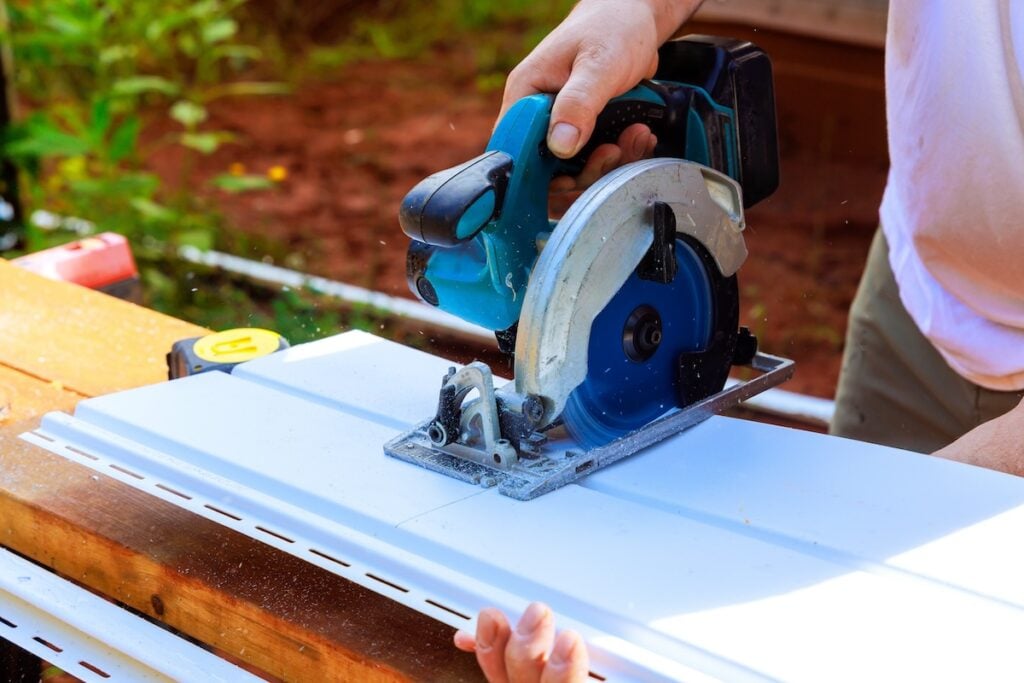
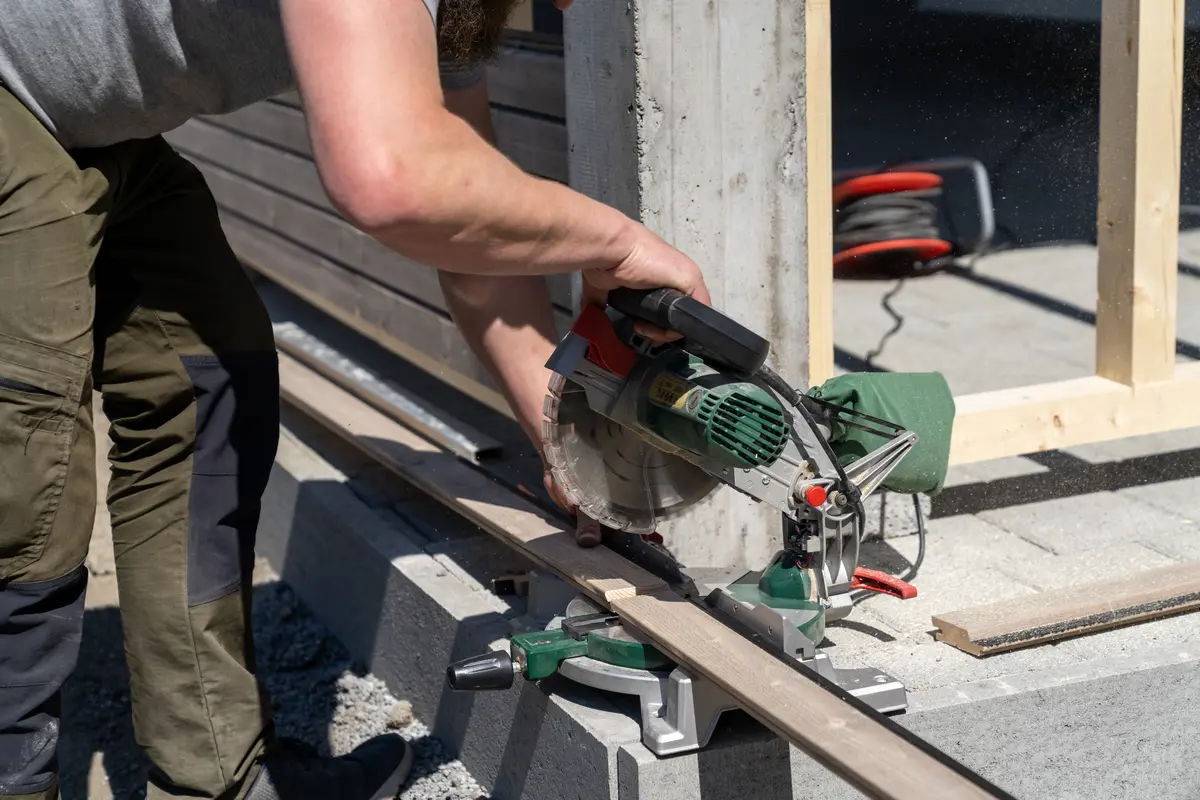
Using A Circular Saw
A circular saw cuts quickly and works for straight lines. Use a diamond or carbide-tipped blade. Always wear safety gear due to dust and debris.
| Tip | Reason |
| Use a blade designed for cement board | Improves cutting speed and blade life |
| Set saw depth just over board thickness | Prevents cutting into the surface below |
| Wear dust mask and eye protection | Protects from harmful dust and particles |
| Cut slowly and steadily | Reduces chipping and improves accuracy |
Employing A Jigsaw
A jigsaw helps make curved or irregular cuts. Use a fine-toothed blade made for masonry or cement board. Keep the board secure to avoid movement.
Follow these tips when cutting with a jigsaw:
- Clamp the board firmly to a workbench.
- Use a slow speed to reduce dust and heat.
- Guide the jigsaw smoothly along the marked line.
- Wear eye and ear protection for safety.
Handling Curved Or Intricate Cuts
Cutting curved or detailed shapes in cement board siding can be tricky. You need the right tools and techniques to get clean results.
This guide shows how to handle complex cuts safely and accurately.
Choosing The Right Tools
Use tools that give you control and precision for curves or small shapes. A jigsaw with a carbide blade is best for curved cuts. You can also use a rotary tool with a diamond cutting bit for very fine details.
Marking Your Cut Lines
Draw clear, visible lines on the cement board using a pencil or chalk. Use a flexible curve ruler or template to trace smooth curves. Make sure your markings are accurate before cutting.
Making The Cut
Cut slowly and steadily along your marked line. Let the tool do the work without forcing it. For tight curves, move the blade gently and keep the board stable.
- Secure the board firmly to prevent movement
- Use a low speed setting on your saw for better control
- Wear a dust mask and safety glasses to protect yourself
- Take breaks to check your progress and adjust if needed
Smoothing Edges After Cutting
After cutting, smooth rough edges using a sanding block or diamond hand pad. This step helps the siding fit better and reduces the chance of damage during installation.
| Tool | Purpose | Tip |
| Jigsaw with carbide blade | Cutting curves | Use slow, steady speed |
| Rotary tool with diamond bit | Fine detailed cuts | Wear safety gear |
| Sanding block | Smooth edges | Use light pressure |
Credit: veteranscontractingllc.com
Smoothing Edges And Finishing Touches
After cutting cement board siding, the edges can be rough and sharp. Smoothing these edges is important for safety and for a clean appearance. Finishing touches help protect the siding and improve the overall look.
This guide explains how to smooth edges and add finishing touches to cement board siding for a professional result.
Sanding The Edges
Use a sanding block or an angle grinder with a sanding disc to smooth rough edges. Sand gently to avoid damaging the board surface. Always wear a mask to protect from dust.
Sealing Cut Edges
Sealing cut edges prevents moisture from entering the board. Use a quality exterior primer or sealant. Apply it evenly and let it dry completely before installation.
Cleaning And Preparing Surface
Remove dust and debris from sanding with a damp cloth. Make sure the surface is dry before applying any paint or sealant.
Tools And Materials For Finishing
- Sanding block or electric sander
- Angle grinder with sanding disc
- Dust mask and safety glasses
- Exterior primer or sealant
- Clean cloths or brushes
Tips For A Smooth Finish
Tip 1:Always sand in one direction for a uniform edge.
Tip 2:Use a fine-grit sandpaper for the last sanding pass.
Tip 3:Apply two coats of sealant for better protection.
Installing The Cement Board
Installing cement board siding requires care and the right tools. This guide helps you place the boards correctly on your wall.
Follow simple steps to ensure a strong and lasting installation. Proper fastening and spacing are key for best results.
Preparing The Wall Surface
Check the wall for any damage or moisture. Make sure it is clean and dry before you start installing the cement board.
Cutting The Cement Board
Use a carbide-tipped scoring knife or a circular saw with a diamond blade. Score the board and snap it along the line for a clean cut.
Fastening The Cement Board
Attach the cement board to the wall studs using corrosion-resistant screws or nails. Space fasteners evenly for secure mounting.
- Place fasteners every 8 inches on the edges
- Place fasteners every 12 inches in the field
- Drive fasteners flush with the board surface
- Avoid over-driving to prevent damage
Leaving Expansion Gaps
Leave a small gap between boards to allow for expansion. This gap helps prevent cracking or buckling over time.
| Gap Location | Recommended Width |
| Between boards | 1/8 inch |
| At corners | 1/4 inch |
| At openings (windows, doors) | 1/4 inch |
Credit: bestexteriorsinc.com
Maintenance Tips
Taking care of cement board siding helps it last longer. Proper maintenance keeps your siding looking good.
Regular checks and cleaning prevent damage and costly repairs. Follow these tips to maintain your siding well.
Inspect For Damage Regularly
Look for cracks, chips, or loose panels every few months. Early detection stops small problems from growing.
Clean The Siding Carefully
Use a soft brush and mild detergent to clean your siding. Avoid pressure washers that can harm the surface.
- Rinse with clean water after washing
- Remove dirt and mildew gently
- Clean at least once a year
Protect From Water Damage
Seal joints and edges to stop water from seeping in. Proper caulking keeps moisture away and prevents rot.
Repaint When Needed
Repaint your cement board siding every 5 to 10 years. Paint protects the siding and keeps it looking fresh.
| Maintenance Task | Frequency |
| Inspect for damage | Every 3-6 months |
| Clean siding | Annually |
| Seal joints | As needed |
| Repaint siding | Every 5-10 years |
Frequently Asked Questions
How Do I Safely Cut Cement Board Siding?
Use a carbide-tipped scoring knife or a circular saw with a diamond blade. Wear safety goggles and a dust mask to protect from dust and debris. Score the board first, then snap it along the scored line for clean cuts.
What Tools Are Best For Cutting Cement Board Siding?
A carbide-tipped scoring knife, circular saw with diamond blade, or an angle grinder work best. These tools ensure precise cuts and reduce dust. Avoid standard wood blades, as they wear out quickly on cement material.
Can I Cut Cement Board Siding Without Creating Dust?
Using a wet saw or a circular saw with a water attachment minimizes dust. Score and snap methods also reduce dust compared to dry cutting. Always wear protective gear to prevent inhaling any fine particles.
How Thick Is Typical Cement Board Siding?
Cement board siding is usually ¼ inch to ½ inch thick. This thickness allows durability while remaining manageable for cutting and installation. Thickness may vary by brand and siding style.
Conclusion
Cutting cement board siding is easier than it seems. Use the right tools and measure carefully. Score the board, then snap it cleanly. Take safety steps like wearing gloves and goggles. Work slowly to avoid mistakes or damage. Practice on scrap pieces if needed.
Following these tips helps you finish your siding project well. Now, you are ready to handle cement board siding confidently.