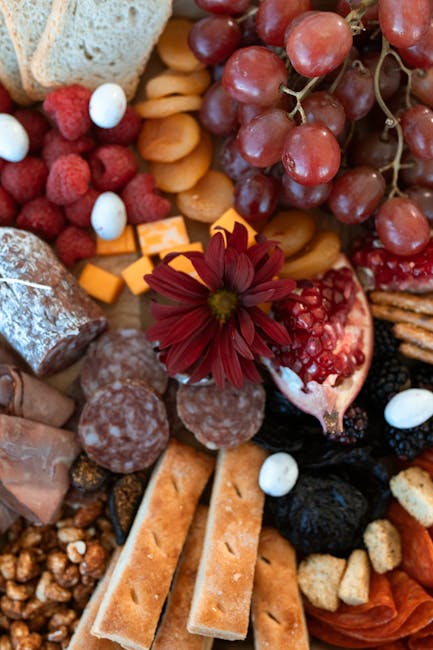
Creating the perfect charcuterie board starts with one key element: how you cut your cheese. The way you slice or cube your cheese can change the entire look and taste experience of your board.
You want every bite to be easy to pick up, visually inviting, and full of flavor. If you’ve ever struggled with crumbly cheese or uneven pieces, this guide is for you. Keep reading, and you’ll discover simple techniques that will make your cheese the star of your next gathering.
Your guests will notice the difference—and so will you.

Credit: www.chefdenise.com
Choosing The Right Cheese
Picking the right cheese is key for a tasty charcuterie board. Different cheeses bring unique flavors and textures.
Knowing how to cut cheese helps your board look inviting and easy to enjoy.
Hard Vs Soft Cheese
Hard cheeses are firm and easy to slice thin or into cubes. Soft cheeses are creamy and spreadable.
Cut hard cheese into small blocks or thin slices. For soft cheese, use a cheese knife to cut wedges or serve with a spreader.
- Hard cheese: Cheddar, Parmesan, Gouda
- Soft cheese: Brie, Camembert, Goat cheese
Flavor Pairings
Cheese flavors range from mild to strong. Pair strong cheeses with sweet or mild foods to balance taste.
Mix different flavors on your board for variety. Mild cheeses go well with fruits and nuts.
- Strong cheese: Pair with honey or dried fruits
- Mild cheese: Pair with fresh fruits or crackers
- Blue cheese: Pair with nuts and sweet jams
Texture Considerations
Texture changes how cheese feels in the mouth. Firm cheeses give a chewy bite. Soft cheeses feel smooth and creamy.
Include a mix of textures to make your board interesting and satisfying to eat.
- Hard cheeses: Firm and crumbly
- Semi-soft cheeses: Smooth and slightly springy
- Soft cheeses: Creamy and spreadable
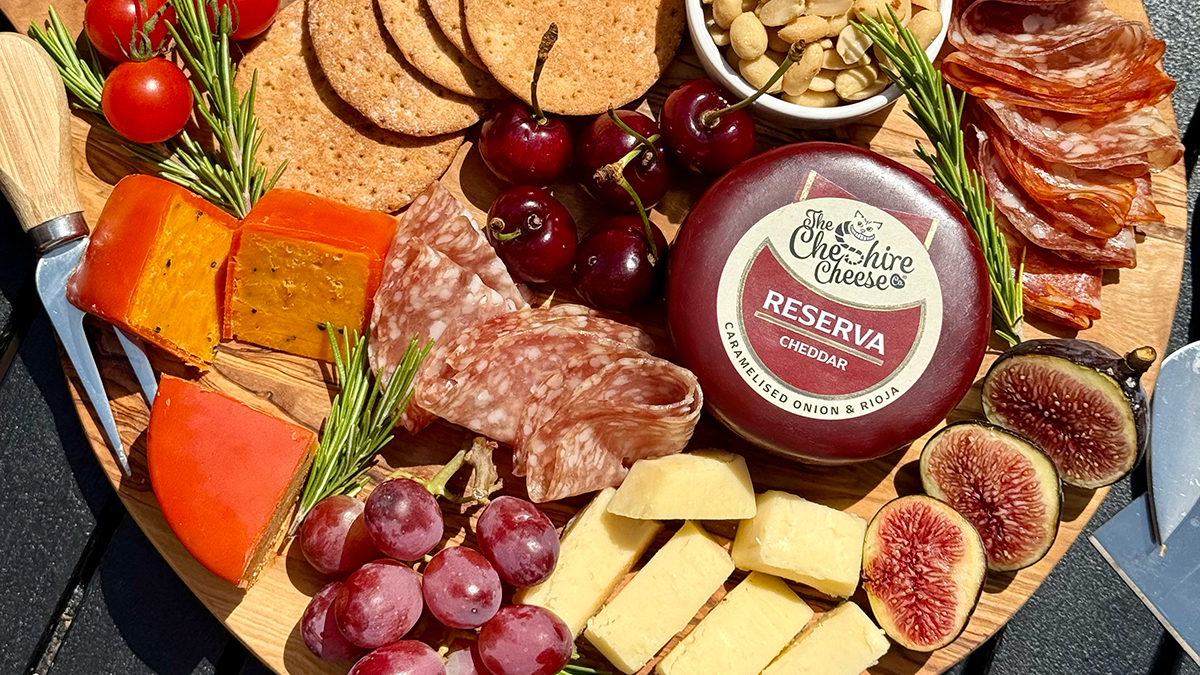
Credit: www.cheshirecheesecompany.co.uk
Essential Tools For Cutting
Cutting cheese well makes your charcuterie board look neat. Using the right tools helps you cut cheese easily and safely. Different cheeses need different knives or cutters.
Below are some tools to help you cut cheese for your board. Each tool has a special use. Knowing which one to pick saves time and gives a better look.
Types Of Cheese Knives
Cheese knives come in many shapes. Each is good for a certain cheese type. A soft cheese knife has holes to stop cheese from sticking. A hard cheese knife is strong to cut firm cheese.
- Soft Cheese Knife:Has holes to reduce sticking on soft cheeses like Brie.
- Hard Cheese Knife:Thick blade for slicing hard cheeses like Parmesan.
- Cheese Fork:Used to hold cheese while cutting or to serve slices.
- Spreader Knife:Good for spreading soft cheeses on bread or crackers.
Using Wire Cutters
Wire cutters make clean cuts on soft and semi-soft cheeses. They glide through without crushing the cheese. The thin wire helps keep the shape of the slice.
These cutters are easy to use. Just pull the wire down through the cheese. This tool works best for cheeses like fresh mozzarella and goat cheese.
Alternative Tools
You can use other kitchen tools if cheese knives or wire cutters are not available. Some tools cut cheese well but need care to avoid damage or injury.
| Tool | Best For | Notes |
|---|---|---|
| Paring Knife | Small firm cheeses | Use a sharp blade and cut carefully |
| Vegetable Peeler | Thin slices of hard cheese | Good for garnishing the board |
| Cheese Plane | Semi-hard cheeses | Creates thin, even slices |
Cutting Techniques For Hard Cheese
Hard cheeses need special cutting methods. These techniques keep the cheese looking good and easy to eat. Cutting hard cheese correctly helps keep its shape and texture.
Below are common cutting styles used for hard cheese on a charcuterie board. Each style suits different types of cheeses and presentation needs.
Block And Cube Cuts
Block and cube cuts are simple and perfect for firm hard cheeses. Cut the cheese into uniform shapes for easy picking and sharing.
- Start by cutting the cheese into rectangular blocks.
- Slice each block into smaller cubes.
- Keep cubes roughly the same size for a neat look.
- Use a sharp knife to avoid crumbling the cheese.
Thin Slices
Thin slices show off the cheese’s texture and flavor. This style works well with hard cheeses that are not too crumbly.
| Tool | Tip |
|---|---|
| Cheese slicer | Use a wire slicer for even thin slices. |
| Sharp knife | Cut slowly and steadily to keep slices thin. |
| Mandoline | Great for very thin, uniform slices. |
Wedges And Chunks
Wedges and chunks highlight the natural shape of hard cheese. This cut style suits aged cheeses with a firm texture.
- Cut the cheese wheel or block in half.
- Slice each half into wedge shapes, like pie pieces.
- Break larger wedges into bite-sized chunks if desired.
- Use a cheese knife with a pointed tip for clean wedges.
Cutting Techniques For Soft Cheese
Soft cheeses need careful cutting to keep their shape. The right technique helps show their creamy texture. It also makes them easy to serve and enjoy.
This guide covers simple ways to cut soft cheese for your charcuterie board. Learn how to spread, slice, and serve soft cheeses with ease.
Spreading Styles
Soft cheeses like Brie or cream cheese spread well on crackers or bread. Use a small butter knife or a cheese spreader. Cut pieces that are easy to scoop and spread.
- Cut wedges or small slices for easy spreading
- Leave some whole pieces to break apart by hand
- Offer a soft cheese knife for guests to spread smoothly
Slicing Soft Rinds
Soft cheeses with edible rinds need gentle slicing. The rind adds flavor and texture but can be delicate. Use a thin, sharp knife and clean it often.
| Cheese Type | Knife Type | Slicing Tip |
|---|---|---|
| Brie | Thin-bladed knife | Cut into wedges, slice slowly |
| Camelbert | Soft cheese knife | Slice with gentle pressure |
| Camembert | Wire cutter or sharp knife | Clean blade after each slice |
Serving Whole Pieces
Some soft cheeses look best served whole. Guests can cut or scoop what they want. This style keeps the cheese fresh and attractive.
Tips for serving whole soft cheeses:
- Place cheese on a wooden board or small plate
- Provide a small knife or spreader nearby
- Keep cheese cool until serving
Arranging Cheese On The Board
Arranging cheese on a charcuterie board is an art. The right layout makes the board inviting and tasty.
Think about shapes, colors, and textures. This helps create a balanced and attractive display.
Balancing Shapes And Sizes
Mix different shapes to keep the board interesting. Use wedges, cubes, slices, and rounds.
- Place large cheese wedges at corners or sides
- Add small cubes or slices near the center
- Use rounds to fill empty spots
- Cut some cheese into sticks for easy picking
Creating Visual Appeal
Colors and arrangement draw the eye. Place lighter cheeses next to darker ones.
| Cheese Type | Color | Placement Tip |
| Brie | White | Center or corners |
| Cheddar | Orange | Near light cheeses |
| Blue Cheese | Blue/White | Separate from mild cheeses |
| Goat Cheese | White | Scatter in small portions |
Mixing Textures
Use cheeses with different textures to add interest. Soft, hard, creamy, and crumbly cheeses work well together.
- Soft cheeses: Brie, Camembert
- Hard cheeses: Parmesan, Asiago
- Creamy cheeses: Goat cheese, Boursin
- Crumbly cheeses: Feta, Blue cheese

Credit: makeitdairyfree.com
Tips For Serving And Storing
Cutting cheese for a charcuterie board is just the start. Serving and storing cheese right keeps its flavor and texture. These tips help you enjoy cheese at its best.
Learn how to serve cheese at the right temperature, avoid dryness, and store leftovers properly.
Optimal Serving Temperatures
Cheese tastes best when it is not too cold. Let cheese sit out before serving. This brings out its full flavor and creamy texture.
- Soft cheeses: serve at about 60°F (15°C)
- Hard cheeses: serve slightly cooler, around 55°F (13°C)
- Blue cheeses: serve near 50°F (10°C)
- Remove cheese from fridge 30 to 60 minutes before serving
Preventing Dryness
Cheese dries out if left uncovered or cut too early. Keep cheese fresh by following these steps.
| Tip | Reason |
| Cover cheese with wax paper or parchment | Allows cheese to breathe and prevents drying |
| Avoid plastic wrap directly on cheese | Can trap moisture and change flavor |
| Cut cheese just before serving | Keeps edges fresh and moist |
| Use a clean, sharp knife for each cheese | Prevents mixing flavors and maintains texture |
Storing Leftovers
Proper storage extends cheese’s life. Follow these easy tips to keep leftovers tasty.
- Wrap cheese in wax or parchment paper
- Place wrapped cheese in an airtight container
- Store cheese in the vegetable drawer of the fridge
- Keep different cheeses separate to avoid mixing odors
- Use within 5 to 7 days for best quality
Frequently Asked Questions
What Is The Best Way To Cut Cheese?
The best way to cut cheese depends on its type. For soft cheeses, use a cheese wire or knife. Hard cheeses require a sharp knife for clean cuts. Always cut cheese into bite-sized pieces to enhance the charcuterie experience.
How Do You Cut Soft Cheese For A Board?
For soft cheese, use a cheese wire or a soft cheese knife. This helps maintain the cheese’s shape and texture. Slice or spread it into small, manageable portions. This ensures guests can easily serve themselves without making a mess.
Should Cheese Be Sliced Cold Or At Room Temperature?
Cheese should be sliced at room temperature. This preserves its flavor and texture. Cold cheese can be hard and crumbly. Allow cheese to sit at room temperature for 30 minutes before cutting. This ensures smooth and easy slicing.
How Do You Cut Hard Cheese Neatly?
Use a sharp, sturdy knife for hard cheese. Cut it into thin, even slices or small cubes. This makes it easy to handle and enjoy. Apply steady pressure to avoid crumbling. Hard cheeses like cheddar or parmesan can be challenging, so patience is key.
Conclusion
Cutting cheese well makes your charcuterie board look great. Use sharp knives to get clean slices every time. Different cheeses need different cuts for the best taste and texture. Arrange the pieces neatly to invite guests to try them. Remember, simple cuts keep the cheese fresh and easy to eat.
Your effort will shine through in a beautiful, tasty board. Enjoy sharing your creation with friends and family. A little care goes a long way in making a perfect cheese board.