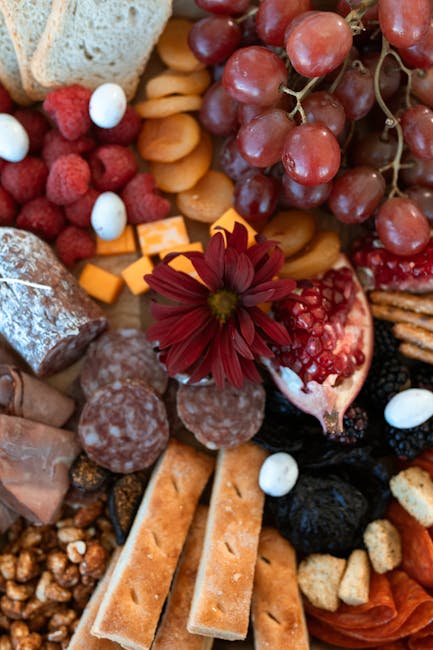
Are you ready to make your charcuterie board look as good as it tastes? How you cut your cheese can change everything—from the texture to the way flavors come alive on your palate.
Whether you’re hosting a party or just treating yourself, knowing the right way to slice and shape your cheese can turn a simple snack into a stunning centerpiece. Keep reading, and you’ll discover easy tips that will make your cheese cutting effortless and impressive every time.
Your guests will notice the difference—and so will you.
Choosing The Right Cheese
Picking the right cheese is key for a tasty charcuterie board. Different cheeses offer unique flavors and textures.
Consider the variety and how each cheese pairs with meats and other board items.
Types Ideal For Charcuterie
Cheeses that work well on charcuterie boards come in many types. Soft, semi-soft, hard, and blue cheeses all add something special.
- Soft cheeses like Brie and Camembert are creamy and mild.
- Semi-soft cheeses such as Havarti or Gouda have a smooth texture.
- Hard cheeses like Parmesan and Manchego add a firm bite and sharp flavor.
- Blue cheeses bring strong and tangy notes that stand out.
Texture And Flavor Considerations
Think about how the cheese feels and tastes. A good board has a balance of textures and flavors.
| Texture | Flavor | Examples |
| Soft and creamy | Mild and buttery | Brie, Cream Cheese |
| Semi-soft | Rich and slightly sweet | Havarti, Gouda |
| Firm and crumbly | Sharp and nutty | Cheddar, Manchego |
| Crumbly and veined | Pungent and tangy | Gorgonzola, Roquefort |
Essential Tools For Cutting Cheese
Cutting cheese for a charcuterie board needs the right tools. These tools help you slice cheese neatly and safely.
Using proper tools also makes your cheese look more appealing to guests. Let’s explore the best knives, wire cutters, and boards.
Knives And Wire Cutters
Different cheeses need different knives. Hard cheeses require strong knives. Soft cheeses work well with wire cutters.
Wire cutters slice soft cheeses cleanly. They prevent cheese from sticking to the blade.
- Cheese knives with holes reduce sticking
- Hard cheese knives have sturdy blades
- Wire cutters make smooth, even slices
Boards And Accessories
A sturdy board provides a stable surface to cut cheese. Wooden or bamboo boards protect your knives well.
Accessories like cheese markers and spreaders improve presentation and ease of serving.
- Choose non-slip wooden or bamboo boards
- Use cheese markers for easy identification
- Include spreaders for soft cheeses
Cutting Techniques By Cheese Type
Cutting cheese for a charcuterie board looks simple but needs care. Different cheeses need different cutting styles. This helps show the cheese’s texture and flavor.
Using the right cutting technique makes the board look nice and helps guests enjoy the cheese.
Soft Cheeses
Soft cheeses are creamy and spread easily. Use a thin knife or cheese spreader to cut them. Cut into small wedges or slices for easy spreading.
- Cut into small wedges if round, like Brie or Camembert
- Slice lengthwise for log-shaped cheeses like goat cheese
- Serve with a small spreader knife
Semi-hard Cheeses
Semi-hard cheeses have a firmer texture but still slice well. Use a sharp knife and cut into even slices or cubes. This style works well for cheeses like Cheddar or Gouda.
- Slice into thin rectangles for easy picking
- Cut cubes for variety and bite-sized pieces
- Arrange slices or cubes neatly on the board
Hard Cheeses
Hard cheeses are dense and crumbly. Use a strong knife or cheese plane. Cut into small chunks or thin shards. This fits cheeses like Parmesan or Asiago.
- Break into shards for a rustic look
- Cut into small chunks for easy tasting
- Use a cheese knife with a pointed tip for precision

Credit: makeitdairyfree.com
Creating Visual Appeal
Cutting cheese for a charcuterie board is about making it look nice. The shapes and sizes you choose help catch the eye.
Good cheese cutting adds texture and variety. This makes the board inviting and fun to explore.
Shapes And Sizes
Use different shapes for each cheese type. This adds interest and helps guests pick their favorites.
Cut hard cheeses into cubes or sticks. Soft cheeses look good in wedges or slices.
- Cubes for firm cheeses like cheddar
- Thin slices for soft cheeses like brie
- Wedges for semi-soft cheeses like gouda
- Small blocks or shards for crumbly cheeses
Arranging For Balance
Place cheese pieces evenly around the board. Balance colors and shapes to create harmony.
Leave space between items for easy picking. Group similar shapes but vary their placement.
- Alternate shapes to avoid uniform areas
- Mix soft and hard cheese zones
- Use small bowls for spreads to break up the layout
- Fill gaps with nuts, fruits, or crackers
Tips For Serving And Storing
Serving cheese at the right temperature brings out its best flavor and texture.
Proper storage keeps cheese fresh and tasty longer. Learn how to serve and store cheese well.
Optimal Serving Temperatures
Cheese tastes best when served slightly below room temperature. Cold cheese can hide flavors.
| Cheese Type | Ideal Serving Temperature |
| Soft Cheeses (Brie, Camembert) | 60-68°F (15-20°C) |
| Semi-Soft Cheeses (Havarti, Munster) | 55-65°F (13-18°C) |
| Hard Cheeses (Cheddar, Parmesan) | 50-60°F (10-15°C) |
| Blue Cheeses (Gorgonzola, Roquefort) | 50-60°F (10-15°C) |
Remove cheese from the fridge 30 to 60 minutes before serving. This lets it soften and release aromas.
Storage To Maintain Freshness
Store cheese properly to keep it fresh and prevent drying or mold growth.
- Wrap cheese in wax paper or parchment paper first.
- Place wrapped cheese in a loose plastic bag or container.
- Keep cheese in the vegetable drawer or a dedicated cheese drawer in your fridge.
- Avoid airtight wrapping to let cheese breathe.
- Check cheese regularly for mold and cut off any affected parts.
Hard cheeses last longer and can be wrapped tighter. Soft cheeses need more air circulation.

Credit: cabotcreamery.com
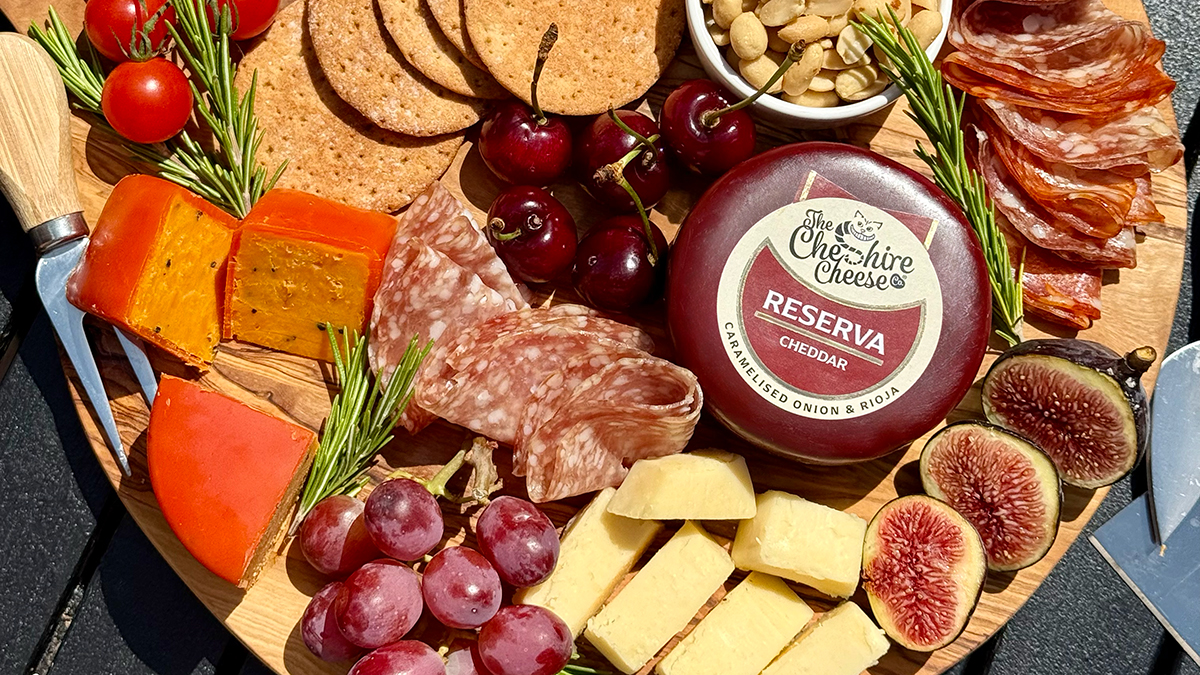
Credit: www.cheshirecheesecompany.co.uk
Frequently Asked Questions
How Do I Cut Cheese For A Charcuterie Board?
Cut cheese into uniform sizes for easy handling. Use a sharp knife for clean slices. Adjust the shapes to complement the cheese type. Soft cheeses work well in wedges, while hard cheeses can be cubed or sliced. Ensure a mix of textures and flavors for a balanced presentation.
What Knife Is Best For Cutting Cheese?
A cheese knife with holes is ideal for soft cheese. It prevents sticking. Use a sharp chef’s knife for hard cheese. A wire cutter works well for semi-soft cheeses. Each tool ensures clean and precise cuts, enhancing the cheese’s presentation and taste.
How To Prevent Cheese From Sticking?
To prevent cheese from sticking, use a knife with holes or a non-stick blade. Rinse the blade with warm water between cuts. This technique ensures clean slices. For softer cheeses, lightly oil the knife. These steps maintain the cheese’s shape and enhance presentation.
Can I Pre-cut Cheese For A Charcuterie Board?
Yes, pre-cutting cheese is convenient and enhances presentation. It allows guests to easily pick pieces. Wrap them in wax paper to prevent drying. Arrange them just before serving. This method saves time and ensures each piece remains fresh and flavorful for the guests.
Conclusion
Cutting cheese for a charcuterie board is simple and fun. Use the right knife to keep slices clean and neat. Cut firm cheeses into cubes or sticks for easy picking. Softer cheeses work best in wedges or spreadable pieces. Arrange the pieces with crackers, meats, and fruits for a lovely display.
Small steps make a big difference in presentation. Enjoy sharing your tasty board with friends and family. Keep practicing to improve your cutting skills every time.