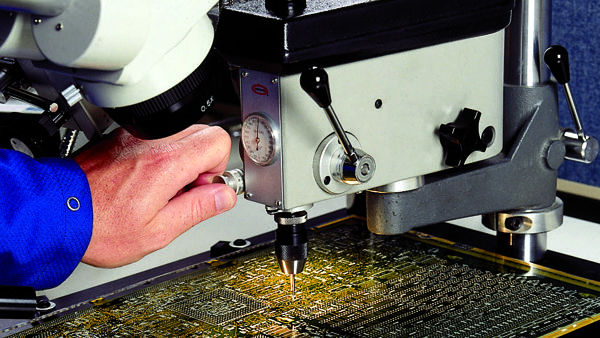
Are you ready to take your electronics projects to the next level? Knowing how to cut a circuit board cleanly and accurately can save you time, money, and frustration.
Whether you’re building a custom gadget or fixing a device, mastering this simple skill puts you in control. In this guide, you’ll discover easy steps and insider tips to cut your circuit boards like a pro, even if you’ve never done it before.
Keep reading, and soon you’ll handle your boards with confidence and precision.

Credit: www.circuitrework.com
Tools For Cutting Circuit Boards
Cutting circuit boards requires the right tools for accuracy and safety. Different tools suit different cutting methods and board types.
Choosing the correct tools helps avoid damage to the board and ensures clean edges. Safety gear protects you during the process.
Manual Cutting Tools
Manual tools are simple and affordable. They are best for small cuts or when precision is needed.
- Coping saw – good for curved cuts on thin boards
- Hacksaw – useful for straight cuts on thicker boards
- Utility knife – ideal for scoring and snapping thin boards
- Diagonal cutters – handy for trimming small sections or edges
Electric Cutting Tools
Electric tools make cutting faster and easier. They suit larger boards and heavier materials.
| Tool | Use | Advantages |
| Rotary tool (Dremel) | Cutting shapes and trimming | Precise and versatile |
| Jigsaw | Making straight or curved cuts | Good for thick boards |
| Band saw | Cutting complex shapes | Clean cuts on thicker boards |
| Table saw | Straight cuts | Fast and accurate |
Safety Equipment
Safety equipment protects you from sharp edges and dust. Always wear safety gear when cutting boards.
- Safety goggles – protect eyes from flying debris
- Dust mask – prevents inhaling harmful dust
- Gloves – protect hands from cuts and splinters
- Ear protection – reduces noise from electric tools
Preparing The Circuit Board
Cutting a circuit board needs careful preparation. It helps you get a clean, accurate cut.
Before cutting, you must mark the cut line and secure the board. These steps keep the board safe and steady.
Marking The Cut Line
Use a ruler and a fine-tipped marker to draw a clear line where you want to cut. Make sure the line is straight.
Double-check the measurements before marking. A precise line helps you avoid mistakes during cutting.
- Use a pencil or permanent marker
- Draw a straight line along the cut area
- Measure twice for accuracy
- Keep the line thin and clear
Securing The Board
Place the circuit board on a flat surface. Use clamps to hold it firmly in place before cutting.
Securing the board stops it from moving. This helps you make a straight and safe cut.
- Use a workbench or sturdy table
- Clamp the board tightly but gently
- Check that the board does not wobble
- Wear safety gear before cutting
Cutting Techniques
Cutting a circuit board properly is important for a good fit and function. Different tools and methods work well for different needs and skills.
We will look at three common ways to cut circuit boards safely and accurately. Each method has its own uses and tips.
Scoring And Snap Method
This method uses a sharp blade to score the board along a straight line. Scoring means making a shallow cut or groove.
After scoring, you bend the board until it snaps along the groove. This works best for thin circuit boards.
- Use a ruler to guide the blade for a straight score.
- Score several times to deepen the groove.
- Wear safety glasses to protect your eyes.
- Bend gently to avoid cracking the board beyond the score.
Using A Rotary Tool
A rotary tool with a cutting disc can cut circuit boards with precision. It is good for curves and small cuts.
Hold the board firmly and move the rotary tool slowly along the cutting line. Keep the tool steady for a clean cut.
- Use a cutting disc made for fiberglass or plastic.
- Wear a mask to avoid breathing dust.
- Work in a well-ventilated area.
- Keep fingers away from the cutting blade.
Employing A Bandsaw
A bandsaw can cut thicker circuit boards quickly and evenly. It is best for straight cuts on larger boards.
Set the bandsaw blade to a fine tooth type to reduce chipping. Guide the board slowly through the blade for control.
- Use clamps to hold the board steady.
- Wear eye and ear protection.
- Check the blade tension before cutting.
- Clean the board edges after cutting to remove rough spots.
Finishing The Edges
After cutting a circuit board, the edges need proper finishing. This step helps protect the board and makes it easier to handle. Smooth edges prevent damage to components and reduce the risk of injury.
Two main tasks finish the edges: sanding for smoothness and removing burrs. Both improve the board’s quality and safety.
Sanding For Smoothness
Sanding removes rough spots and sharp edges on the circuit board. Use fine-grit sandpaper to avoid damaging the board. Sand carefully along the edges until they feel smooth to touch.
- Choose 220 to 400 grit sandpaper
- Sand edges evenly with light pressure
- Check edges often for smoothness
- Use a sanding block for flat edges
- Wear a mask to avoid dust inhalation
Removing Burrs
Burrs are small, sharp pieces left after cutting. They can cause shorts or damage. Remove burrs with a deburring tool or a fine file. Clean the edges again after removing burrs to ensure no loose bits remain.
| Tool | Purpose | Tip |
| Deburring tool | Scrapes burrs off edges | Use gentle strokes |
| Fine file | Files down sharp bits | File in one direction |
| Brush or cloth | Removes dust and debris | Clean edges after finishing |
Common Mistakes To Avoid
Cutting a circuit board can be tricky. Many people make simple mistakes that damage the board or cause injury.
Knowing what to avoid helps you cut safely and cleanly. This guide shows common errors and how to prevent them.
Applying Excessive Force
Pressing too hard can crack or break the circuit board. This ruins the board and wastes your work.
Use steady, light pressure instead. Let your cutting tool do the work without pushing too much.
- Do not push hard with scissors or cutters
- Score the board lightly before snapping
- Use the right tools for clean cuts
Ignoring Safety Precautions
Cutting circuit boards can cause sharp edges and dust. Ignoring safety puts your skin, eyes, and lungs at risk.
Always wear safety glasses and gloves. Work in a well-ventilated area to avoid breathing harmful dust.
- Wear safety goggles to protect your eyes
- Use gloves to avoid cuts from sharp edges
- Keep your workspace clean and ventilated
- Dispose of board scraps safely

Credit: www.youtube.com
Maintaining Your Tools
Cutting circuit boards needs sharp and clean tools. Keeping your tools in good shape helps you work safely and get clean cuts.
Regular care of your blades and storage will make your tools last longer. This saves money and improves your work quality.
Cleaning Blades
After each use, wipe the blade with a soft cloth. Remove any dust, dirt, or residue that may stick to the blade.
If there is sticky residue, use a small amount of rubbing alcohol on the cloth. This will help clean without damaging the blade.
- Wipe blades gently to avoid dulling
- Use rubbing alcohol for tough residue
- Dry blades completely before storing
Proper Storage
Store blades in a dry place to stop rust. Keep them in a case or cover to protect the sharp edges.
Avoid dropping or banging your tools. This can damage the blades and make cutting harder or unsafe.
- Use blade covers or cases
- Keep tools in a dry, cool area
- Handle tools carefully to avoid damage

Credit: makezine.com
Frequently Asked Questions
What Tools Are Needed To Cut Circuit Boards?
To cut circuit boards, you’ll need a rotary tool or a saw. Use a fine-toothed blade for precision. Safety goggles and gloves are essential for protection. A ruler or straight edge helps with accurate measurements. Ensure your workspace is well-lit and clean for best results.
How Do You Safely Cut A Circuit Board?
To safely cut a circuit board, secure it with clamps. Use a rotary tool or saw with a fine blade. Wear safety goggles and gloves to protect yourself. Cut slowly to avoid damaging the board. Make sure to work in a well-ventilated area to avoid inhaling dust.
Can I Use Scissors To Cut A Circuit Board?
Using scissors is not recommended for cutting circuit boards. They can damage the board and components. Instead, use a rotary tool or a fine-toothed saw for precise cuts. These tools ensure clean edges and reduce the risk of damaging the board’s integrity.
How To Prevent Damage While Cutting Circuit Boards?
To prevent damage, secure the board with clamps. Use a fine-toothed blade for clean cuts. Cut slowly and steadily to avoid cracking. Ensure tools are sharp and in good condition. Always wear protective gear, and work in a well-lit, organized space for accuracy.
Conclusion
Cutting a circuit board takes care and the right tools. Follow safety steps to avoid damage or injury. Measure twice, cut once keeps your work neat. Use the proper blade and steady hands for best results. Practice on scrap boards to build confidence.
With patience, you can cut boards cleanly and accurately. Your projects will look better and work well. Keep these tips in mind for future builds. Simple steps lead to great outcomes every time.