Cutting fiber cement board might seem tricky at first, but with the right tools and techniques, you can do it cleanly and safely. Whether you’re working on a home project or a professional job, knowing how to cut this material correctly saves you time and frustration.
In this guide, you’ll discover simple steps that make the process easier than you think. Stick with me, and by the end, you’ll feel confident handling fiber cement board like a pro. Ready to get started? Let’s dive in!
Choosing The Right Tools
Cutting fiber cement board needs proper tools for clean and safe work. Using the right saw makes the job easier and avoids damage.
Safety is also important. You need the right gear to protect yourself from dust and sharp edges while cutting.
Types Of Saws For Fiber Cement
Different saws work well with fiber cement boards. Some saws give cleaner cuts, while others cut faster. Choose the saw that fits your project.
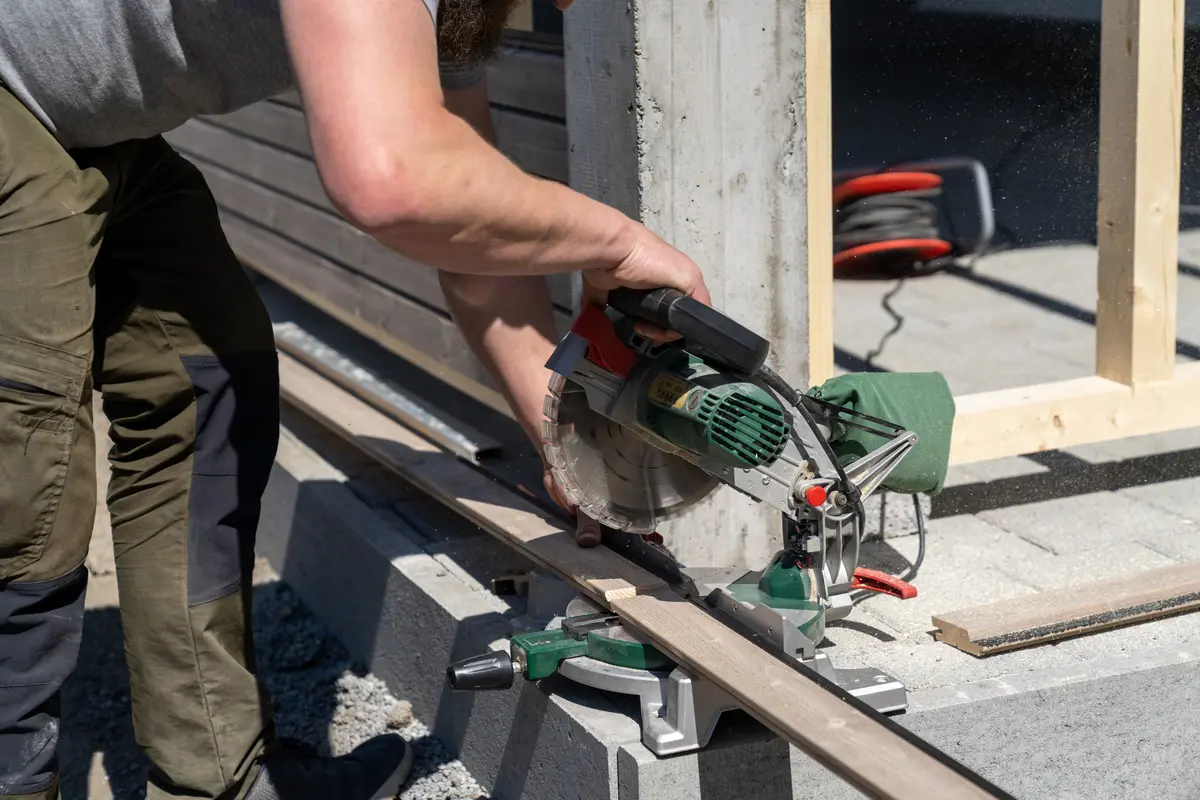
- Circular Saw:Use a circular saw with a diamond or carbide blade. It cuts straight and fast through fiber cement.
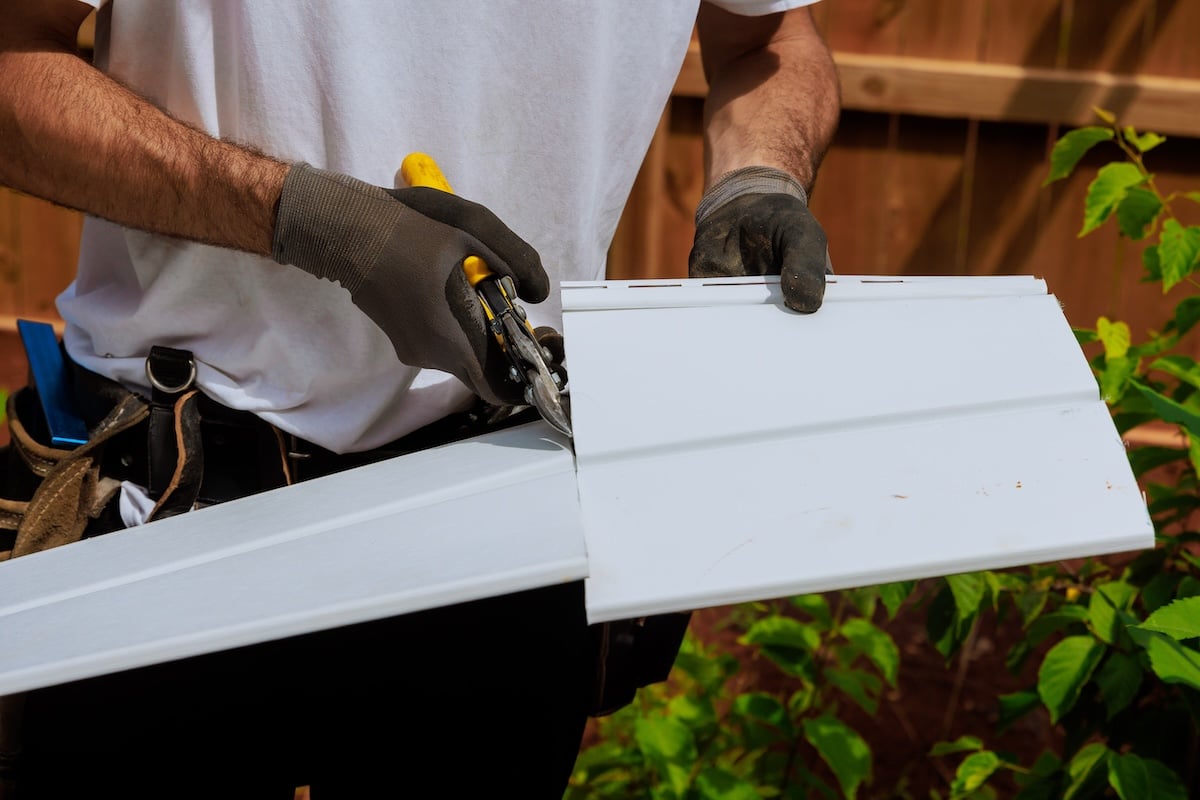
- Jigsaw:Best for curved or irregular cuts. Use a blade made for cutting cement or masonry.
- Score and Snap Knife:Good for thin boards. Score the board and then snap it along the cut line.
- Hand Saw:Can be used for small jobs but needs a special carbide-tipped blade.
Essential Safety Equipment
Cutting fiber cement board creates dust that can harm your lungs and eyes. Wear safety gear to protect yourself.
| Safety Gear | Purpose |
| Respirator Mask | Protects lungs from harmful dust |
| Safety Glasses | Shields eyes from dust and debris |
| Gloves | Protects hands from sharp edges and splinters |
| Ear Protection | Reduces noise from power saws |
| Long Sleeves and Pants | Protects skin from dust and scratches |
Credit: veteranscontractingllc.com
Preparing The Work Area
Cutting fiber cement board needs a safe and clean workspace. Preparing the area helps you work faster and avoid accidents.
This guide covers setting up a stable surface and ensuring proper ventilation.
Setting Up A Stable Surface
Use a flat, strong table or workbench to support the fiber cement board. A steady surface prevents slips and breaks.
- Clear the surface of dust and tools
- Place non-slip mats or clamps to hold the board
- Make sure the surface is level and wide enough
- Keep cutting tools within reach but out of the way
Ensuring Proper Ventilation
Cutting fiber cement board creates dust that is harmful to breathe. Work outside or in a well-ventilated area.
| Ventilation Tip | Reason |
| Open windows and doors | Let fresh air in and dust out |
| Use a fan blowing away from you | Push dust away from your breathing zone |
| Wear a dust mask | Protect your lungs from fine particles |
| Avoid enclosed rooms | Dust will build up and cause health risks |
Measuring And Marking
Cutting fiber cement board requires precise measuring and marking. These steps help ensure clean and accurate cuts.
Taking your time to measure and mark correctly reduces waste and improves the final look of your project.
Accurate Measurement Tips
Use a reliable tape measure for exact measurements. Double-check your numbers before marking.
- Measure the board carefully from edge to edge.
- Mark the cut line lightly to avoid confusion.
- Use a square tool to keep lines straight and even.
- Confirm measurements by comparing with your project plan.
Using Chalk Lines And Markers
Chalk lines and markers provide clear and straight guides for cutting. Choose the right tool for your surface.
| Tool | Best Use |
| Chalk Line | Long, straight cuts across large boards |
| Permanent Marker | Shorter cuts or detailed markings |
| Pencil | Temporary marks that can be erased |
Credit: bestexteriorsinc.com
Cutting Techniques
Cutting fiber cement board requires the right tools and methods. Choosing a technique depends on your tools and the cut type.
This guide covers three common cutting methods. Each method offers different benefits for your project.
Scoring And Snap Method
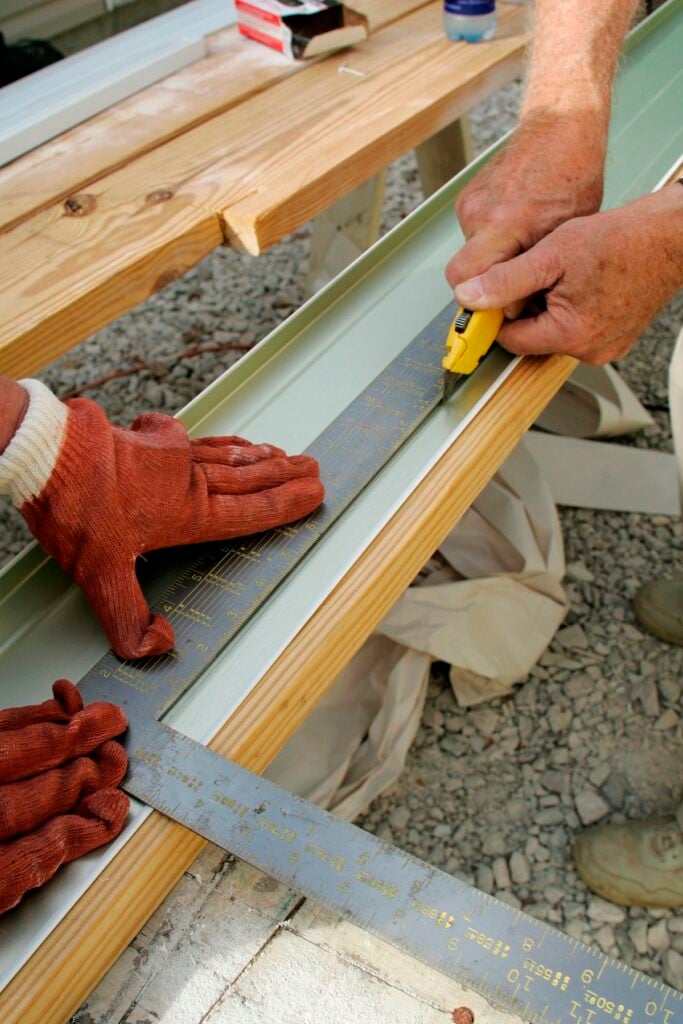
This method uses a utility knife to score the board’s surface deeply. Then, snap the board along the scored line.
- Place the board on a flat surface with support on both sides.
- Use a straight edge to guide the utility knife.
- Score the board firmly along the cut line.
- Apply pressure to snap the board cleanly.
Using A Circular Saw
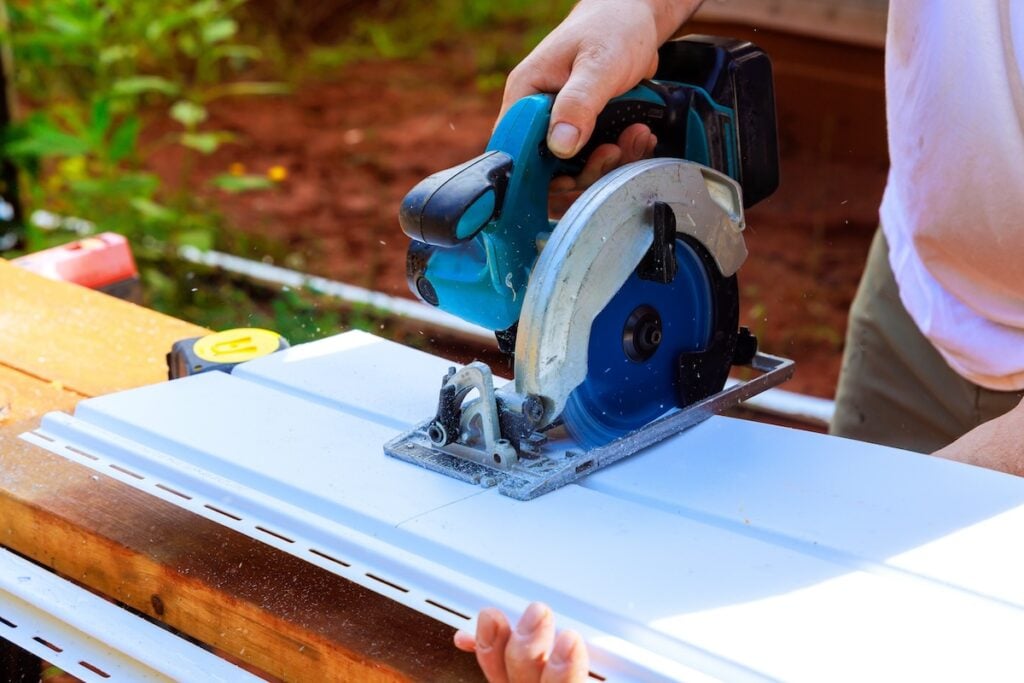
A circular saw makes straight cuts quickly. Use a blade designed for fiber cement to get clean edges.
| Blade Type | Speed | Dust Control |
| Diamond-tipped | Medium | Use vacuum attachment |
| Carbide-tipped | Fast | Wear mask and goggles |
Always wear safety gear. Cut slowly to avoid chipping the board.
Cutting With A Jigsaw
A jigsaw helps with curved or irregular cuts. Use a fine-toothed blade for best results.
- Secure the board firmly to prevent movement.
- Mark your cutting line clearly.
- Cut slowly along the line to avoid splintering.
- Keep the blade perpendicular to the board.
Handling Dust And Cleanup
Cutting fiber cement board creates a lot of dust. This dust can be harmful if not managed well. Proper dust control and cleanup help keep the work area safe and clean.
It is important to use the right tools and follow safety steps. This reduces dust and makes cleanup easier after cutting the board.
Dust Control Methods
Use dust control methods to limit the amount of dust in the air. This protects your lungs and keeps the workspace neat. Wet cutting and vacuum systems work well.
- Use a wet saw or spray water on the board before cutting to reduce dust.
- Attach a vacuum with a HEPA filter to your saw to capture dust as you cut.
- Wear a dust mask or respirator to protect your lungs from fine particles.
- Cut in a well-ventilated area or outside if possible.
- Use drop cloths to catch dust and make cleanup easier.
Proper Disposal Of Waste
Dispose of fiber cement dust and scraps safely. Do not sweep dust into the air. Use methods that prevent dust from spreading.
Follow local rules for disposing of construction waste. Keep the area clean to avoid accidents and health risks.
- Use a vacuum or damp cloth to clean dust instead of dry sweeping.
- Place dust and scraps in sealed bags or containers.
- Take waste to a recycling center or landfill allowed for construction debris.
- Do not burn fiber cement waste as it releases harmful fumes.
Finishing Touches
Cutting fiber cement board is only part of the job. The finishing touches make the board look neat and last longer.
Properly finishing the edges and sealing cut surfaces protect the board from damage and moisture.
Smoothing Edges
After cutting, the edges of fiber cement board can be rough or sharp. Smoothing them creates a clean look and safer handling.
Use sandpaper or a sanding block with medium grit to gently smooth the edges. Move in one direction for an even finish.
- Wear a dust mask to avoid inhaling dust
- Use 80-120 grit sandpaper for best results
- Sand lightly to avoid damaging the board surface
- Check edges often to ensure smoothness
Sealing Cut Surfaces
Cut surfaces absorb water more easily. Sealing these surfaces prevents moisture damage and extends board life.
Apply a suitable sealant or primer to all cut edges. Let it dry completely before installing or painting the board.
- Use a brush or roller to apply sealant evenly
- Seal all exposed edges and cut ends
- Choose sealants designed for fiber cement materials
- Allow drying time as per product instructions
Credit: bestexteriorsinc.com
Frequently Asked Questions
What Tools Are Needed To Cut Fiber Cement Board?
To cut fiber cement board, you’ll need a circular saw with a carbide-tipped blade. You can also use a jigsaw for intricate cuts. A dust mask is essential to avoid inhaling dust. Safety goggles and gloves will protect your eyes and hands during the cutting process.
Can You Cut Fiber Cement Board With A Regular Saw?
Using a regular saw is not recommended for cutting fiber cement board. A circular saw with a carbide-tipped blade is ideal. Regular saw blades may wear out quickly and produce rough edges. For best results, use tools specifically designed for fiber cement materials.
How Do You Reduce Dust When Cutting?
To reduce dust, use a circular saw with a dust-collecting attachment. Cut fiber cement board outdoors or in a well-ventilated area. A wet saw can also minimize dust. Always wear a dust mask to protect your respiratory system from harmful particles.
Is A Jigsaw Suitable For Cutting Curves?
Yes, a jigsaw is suitable for cutting curves in fiber cement board. Use a carbide-grit blade for best results. Mark the curve clearly before cutting. Move the jigsaw slowly and steadily to ensure a clean, precise cut. Always wear safety gear to protect against dust and debris.
Conclusion
Cutting fiber cement board is easier with the right tools and steps. Always wear safety gear to protect yourself. Measure carefully and mark your cuts clearly. Use a sharp blade or saw designed for fiber cement. Take your time to avoid mistakes and damage.
Clean up dust and debris after cutting. Following these tips helps you achieve smooth, accurate cuts. Now, you can handle your fiber cement projects with more confidence and safety.