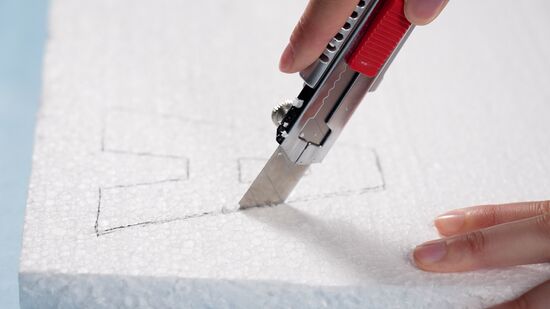
Cutting foam board might seem tricky at first, but with the right techniques, you can achieve clean, precise edges every time. Whether you’re working on a school project, a DIY craft, or a professional presentation, knowing how to cut foam board properly saves you time, effort, and frustration.
In this guide, you’ll discover simple tools and step-by-step methods that make the process easy and even enjoyable. Ready to master this skill and take your projects to the next level? Keep reading, and you’ll be cutting foam board like a pro in no time.
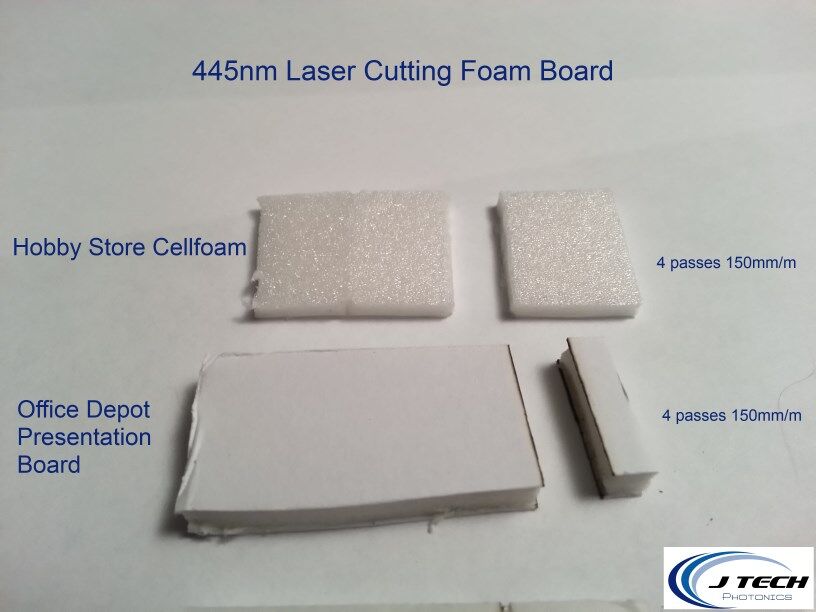
Credit: jtechphotonics.com
Choosing The Right Tools
Cutting foam board needs the right tools to get clean edges. Using the wrong blade can cause rough cuts and damage.
Selecting proper accessories also helps make the cutting process easier and safer. Let’s look at what tools work best.
Types Of Blades
Different blades cut foam board with varying results. Picking the right one depends on the cut type and detail needed.
- Utility Knife Blades:Sharp and replaceable, these work well for straight cuts.
- Craft Knife Blades:Thin and pointed, ideal for detailed or curved cuts.
- Hot Wire Cutters:Use heat to slice foam smoothly without much pressure.
- Jigsaw Blades:Good for thick foam board and complex shapes, but require care.
Essential Accessories
Along with blades, accessories improve cutting accuracy and safety. Some tools help keep the foam board steady or measure lines.
| Accessory | Purpose |
| Metal Ruler | Guides straight cuts and protects blades |
| Cutting Mat | Protects surfaces and keeps blades sharp longer |
| Clamps | Hold foam board steady during cutting |
| Safety Gloves | Protect hands from blade slips |
Preparing The Foam Board
Cutting foam board needs careful preparation. Proper setup helps you get clean, straight cuts.
Take time to prepare your board before cutting. This saves time and reduces mistakes.
Measuring And Marking
Measure your foam board carefully to get the right size. Use a ruler or measuring tape for accuracy.
Mark your cutting lines clearly with a pencil or fine marker. Make sure the lines are straight and easy to see.
- Use a metal ruler for straight lines
- Measure twice before marking
- Mark lightly to avoid visible marks
Securing The Board
Hold the foam board firmly while cutting. This keeps it from moving and helps make clean cuts.
Use clamps or weights to keep the board steady on your work surface. Make sure it stays flat and secure.
- Clamp the board to your table
- Use heavy objects to hold corners
- A flat surface prevents bending
Cutting Techniques
Cutting foam board requires care and the right tools. Good techniques help you get clean, smooth edges.
Using the right cut style makes your project look professional. Learn how to do straight, curved, and layered cuts.
Straight Cuts
Straight cuts are the easiest and most common cuts for foam board. Use a ruler or straight edge to guide your blade.
Make several light passes with a sharp craft knife instead of one deep cut. This prevents tearing and keeps edges clean.
- Place the foam board on a cutting mat
- Use a metal ruler for straight guidance
- Cut lightly multiple times rather than once
- Keep the blade sharp for smooth cuts
Curved Cuts
Curved cuts need more control and patience. You can use a flexible curve ruler or draw your shape freehand.
Cut slowly and carefully with a craft knife. Small, gentle cuts keep the foam from breaking or crumbling.
- Sketch the curve lightly on the foam board
- Use a sharp blade for precision
- Cut in short, slow strokes
- Support the foam board to avoid bending
Layered Cuts
Layered cuts combine multiple foam board pieces. Cut each layer carefully to fit together well.
Use pins or tape to hold layers in place while cutting. This keeps the layers aligned and prevents mistakes.
- Cut each foam board piece separately
- Check measurements before cutting
- Use pins or tape to secure layers
- Trim edges slowly for a good fit
Tips For Clean Edges
Cutting foam board cleanly can be tricky. Sharp edges make your project look neat and professional.
Using the right tools and techniques helps you get smooth, straight cuts every time.
Using A Straightedge
A straightedge guides your knife along a straight line. It keeps your cut even and accurate.
Use a metal ruler or a firm edge. Hold it tightly to stop slipping while cutting.
- Place the straightedge firmly on the foam board
- Align your knife blade against the straightedge
- Keep the straightedge steady during the cut
Applying Consistent Pressure
Press your knife with steady, even force. Too much pressure can cause rough edges.
Too little pressure may not cut through the foam board well. Find a balance for smooth cuts.
- Hold the knife firmly but gently
- Push forward evenly along the cut line
- Avoid pressing hard in some spots and light in others
Multiple Passes Vs Single Cut
Cutting foam board usually works best with multiple light passes. One deep cut may tear the board.
Make several shallow cuts. Each pass goes a little deeper until the board is cut through.
- Start with a light cut to mark the line
- Repeat passes without lifting the straightedge
- Finish when the blade cuts fully through the foam board
Safety Precautions
Cutting foam board requires care to avoid injuries. Always follow safety rules to protect yourself.
This guide covers important safety tips for handling tools and setting up your work area.
Handling Sharp Tools
Use sharp blades carefully to make clean cuts. Dull blades can slip and cause accidents.
- Always cut away from your body to prevent injuries.
- Wear cut-resistant gloves for extra protection.
- Keep blades sharp and replace them if they become dull.
- Store knives and cutters safely when not in use.
- Never rush; take your time with each cut.
Work Area Setup
Prepare your work space before cutting foam board. A clean, organized area reduces risks.
| Setup Item | Safety Tip |
| Flat Surface | Use a sturdy table to support the foam board evenly. |
| Good Lighting | Ensure the area is well lit to see cutting lines clearly. |
| Clear Space | Remove clutter to avoid knocking tools off the table. |
| Protective Mat | Place a cutting mat or scrap board to protect the surface below. |
| Ventilation | Work in a well-ventilated space to avoid inhaling dust. |

Credit: www.youtube.com
Common Mistakes To Avoid
Cutting foam board looks easy, but many make errors that ruin the project. Avoiding common mistakes helps you get clean, smooth edges.
This guide covers two big mistakes to watch out for when cutting foam board.
Rushing The Cut
Cutting foam board too fast often causes rough edges and mistakes. Take your time to guide the blade slowly and steadily.
Moving quickly can tear the foam or cause uneven lines. A slow cut keeps your work clean and precise.
Incorrect Blade Choice
Using the wrong blade can damage the foam board or make cutting harder. Always pick a sharp craft knife or utility blade made for foam.
Dull blades crush the foam and create jagged edges. Replace blades often to keep cuts smooth and easy.
- Use sharp blades for clean cuts
- Avoid scissors or dull knives
- Choose blades designed for foam board
Finishing Touches
Cutting foam board leaves edges that need extra care. Finishing touches make your project look neat and clean. This step improves the overall appearance and durability.
Simple tools help smooth rough edges and clean dust. These small efforts create professional results on your foam board.
Sanding Edges
Sanding removes bumps and rough spots on foam board edges. Use fine-grit sandpaper for gentle smoothing. Sand lightly to avoid damaging the foam surface.
Work in one direction to keep edges straight. Check often to see if the edge feels smooth to touch. Sanding helps paint or glue stick better later.
- Use 220-grit sandpaper for best results
- Sand edges slowly and carefully
- Wear a mask to avoid inhaling dust
- Wipe edges after sanding to remove loose particles
Cleaning Dust And Debris
Cleaning dust is important after sanding or cutting. Dust can make glue or paint stick poorly. Use a soft brush or cloth to remove all debris.
A vacuum with a brush attachment works well to clean small particles. Make sure the foam board is dry and free from dust before the next step.
- Brush off loose dust gently
- Use a damp cloth for sticky debris
- Vacuum edges to remove fine particles
- Let the foam board dry fully if using a damp cloth

Credit: www.wikihow.com
Frequently Asked Questions
What Tools Are Best For Cutting Foam Board?
Using a sharp utility knife or a hot wire cutter is ideal. These tools ensure clean, precise cuts without fraying. Always use a metal ruler as a guide for straight lines. For intricate designs, consider a craft knife. Ensure blades are sharp for the best results.
How Do You Safely Cut Foam Board?
Always work on a stable surface and use a cutting mat. Hold the foam board securely in place. Ensure the blade is sharp to reduce slipping. Cut slowly and steadily to maintain control. Wearing gloves can protect your hands from accidental cuts.
Can Foam Board Be Cut With Scissors?
Scissors can cut foam board, but they may not provide clean edges. The pressure can compress the foam, leading to uneven cuts. For best results, use a utility knife or hot wire cutter. Scissors are more suitable for smaller, less precise cuts.
How To Prevent Foam Board From Tearing?
Ensure your blade is sharp to reduce tearing. Cut slowly and apply even pressure. Use a metal ruler for straight cuts. A cutting mat can stabilize the board. Avoid excessive force, which can cause the foam to tear or crumble.
Conclusion
Cutting foam board becomes easy with the right tools and steps. Always measure twice to avoid mistakes. Use a sharp knife for clean, smooth edges. Take your time and work on a flat surface. Safety matters—cut away from your body.
Practice on scrap pieces before the final cut. These tips help you get neat and precise results. Enjoy your project with confidence and care.