Are you ready to tackle your next project but unsure how to cut Hardie board cement boards without making a mess or wasting materials? Cutting these tough boards might seem tricky, but with the right tools and techniques, you can do it cleanly and safely.
Imagine finishing your project faster, with straight cuts that fit perfectly every time. Keep reading, and you’ll discover simple steps and expert tips that make cutting Hardie boards easier than you thought. Your confidence and results will thank you.
Tools For Cutting Hardie Board
Cutting Hardie board requires the right tools to ensure clean, precise cuts. Using proper tools also helps to reduce dust and avoid damage to the board.
This guide covers the essential cutting tools and safety equipment you need before starting your project.
Essential Cutting Tools
Use tools designed to cut fiber cement boards effectively. These tools help you make straight and smooth cuts.
- Score and snap knife: For straight cuts on thin sheets.
- Carbide-tipped blade circular saw: For fast and accurate cutting.
- Angle grinder with diamond blade: For curved or detailed cuts.
- Jigsaw with carbide blade: For small or irregular cuts.
- Measuring tape and straightedge: To mark precise cutting lines.
- Clamps: To hold the board firmly in place.
Safety Equipment
Cutting Hardie board creates dust that can harm your lungs and eyes. Use safety gear to protect yourself from injury and irritation.
| Safety Item | Purpose |
| Dust mask or respirator | Protects lungs from harmful dust |
| Safety goggles | Shields eyes from dust and debris |
| Ear protection | Reduces noise from power tools |
| Gloves | Protects hands from sharp edges |
| Long sleeves and pants | Protects skin from dust and cuts |
Preparing The Work Area
Cutting Hardie Board cement boards needs a clean and safe work area. A good setup helps you work better and avoid accidents.
Dust from cutting cement boards can be harmful. It is important to control dust and keep your workspace tidy.
Setting Up A Clean Workspace
Clear the area of any clutter before cutting. This gives you more room to move and handle the boards safely.
Use a sturdy table or saw horses to hold the Hardie Board. Make sure the surface is flat and stable to prevent slips.
- Remove tools and objects not needed for cutting
- Keep a trash bin nearby for scraps and debris
- Check that all equipment is clean and in good condition
Dust Control Techniques
Cutting cement boards creates a lot of dust. Use dust control methods to protect your lungs and keep the area clean.
Wear a dust mask or respirator designed for fine particles. Use a saw with a dust collection system if possible.
- Cut outside or in a well-ventilated area
- Use a wet saw or spray water to reduce dust
- Use plastic sheets to cover nearby furniture and floors
- Clean up dust with a vacuum designed for fine dust, not a broom
Measuring And Marking
Cutting Hardie board cement boards requires careful measuring and marking. This helps you make clean and precise cuts. Accurate measurements reduce mistakes and wasted material.
Marking the board clearly guides your cutting tool. It ensures you follow the right lines for a perfect fit in your project.
Accurate Measurements
Use a tape measure for exact board size. Measure twice before marking to avoid errors. Measure from the edges and corners to get true dimensions.
Write down measurements on paper or use a marking tool to note them on the board. Keep your tape measure straight and tight for best results.
- Start measuring from a fixed point
- Check measurements twice
- Use a ruler or straight edge to verify
- Record measurements clearly
Marking Guidelines
Use a pencil or chalk to mark cutting lines on the board. Draw straight lines using a carpenter’s square or ruler. Clear marks help you cut with accuracy.
Make sure marks are visible but not too thick. Avoid smudging marks, so they stay clear during cutting. Mark all sides if needed for better guidance.
- Use a sharp pencil or chalk for fine lines
- Draw lines straight with a square or ruler
- Mark both sides if cutting through thickness
- Double-check marks before cutting
Credit: bestexteriorsinc.com
Cutting Methods
Hardie Board Cement Boards are strong and durable. Cutting them correctly is important for a good finish. There are different methods to cut these boards.
Each method has its own benefits. Choose the one that best suits your project needs.
Score And Snap Technique
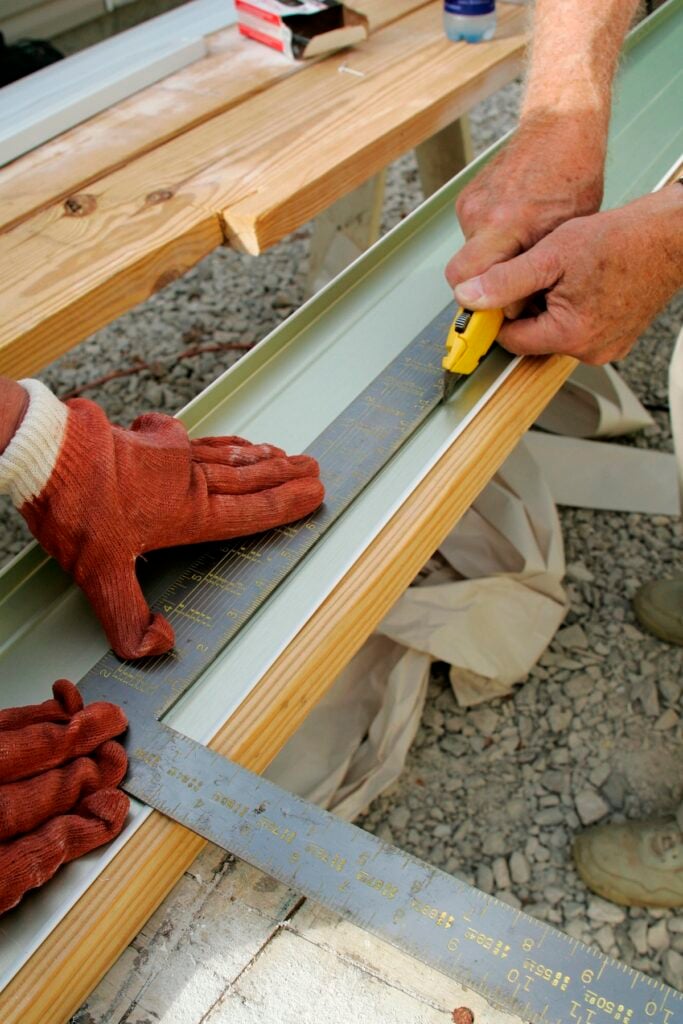
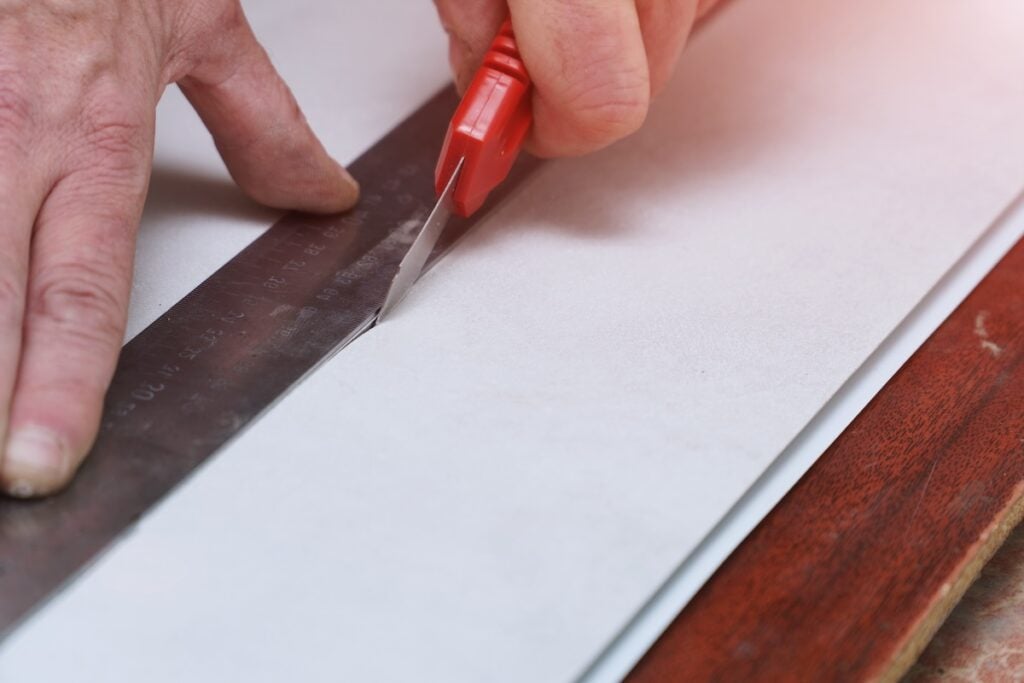
This method is simple and requires few tools. Use a utility knife to score the board along the cut line.
After scoring, apply pressure to snap the board along the line. This technique works best for straight cuts.
- Mark the cut line with a pencil
- Score with a utility knife along the line
- Snap the board by applying pressure
Using A Circular Saw
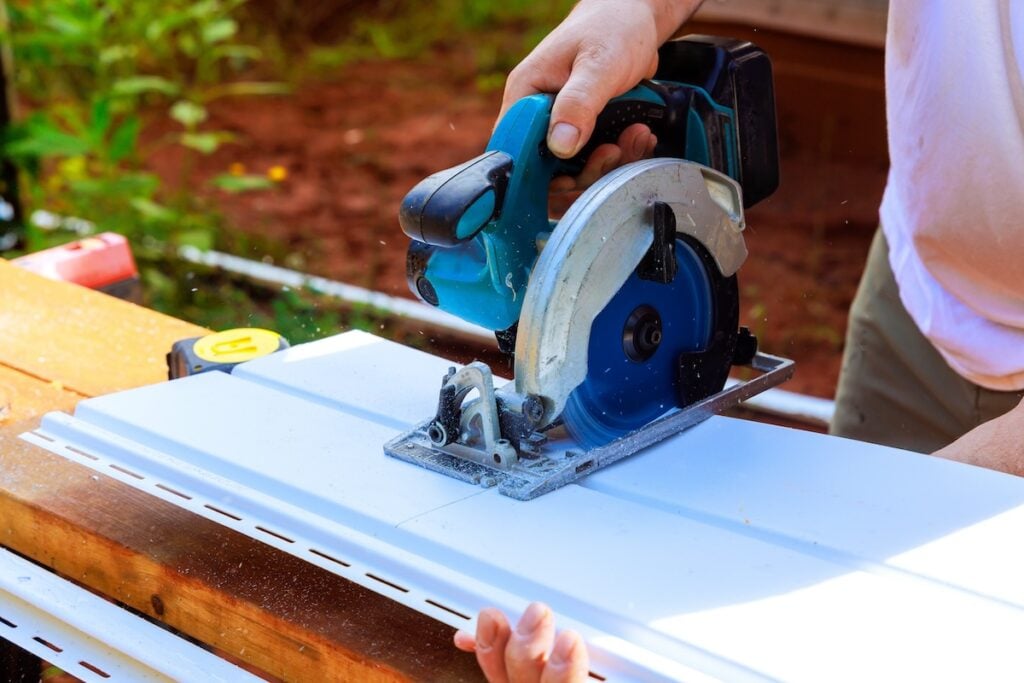
A circular saw is ideal for longer cuts. Use a blade designed for fiber cement to avoid damage.
Always wear a dust mask and goggles. This method creates a lot of dust.
- Set the saw to the correct depth
- Guide the saw along the marked line
- Ensure the board is supported to prevent breakage
Jigsaw For Curves And Details
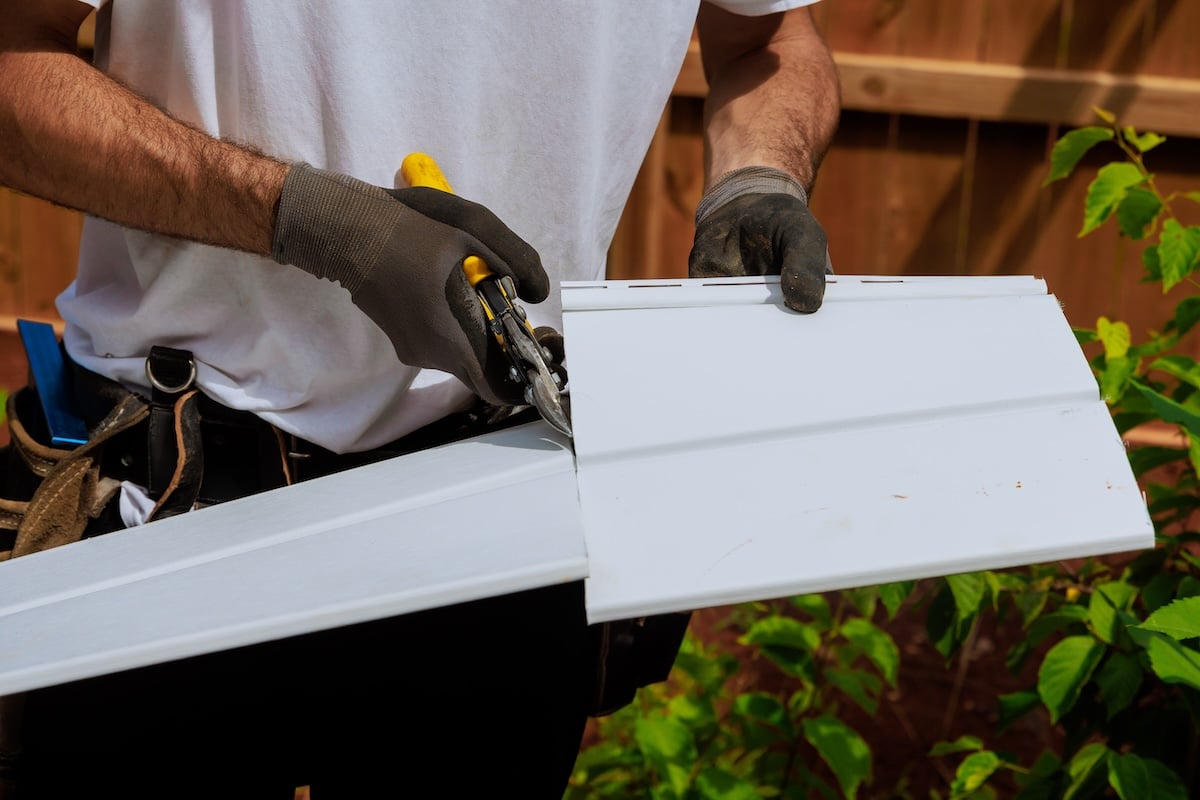
A jigsaw is great for cutting curves and details. Use a carbide-tipped blade for best results.
Go slowly to maintain control and accuracy. This helps achieve precise curves.
- Draw the curve or detail on the board
- Use the jigsaw to follow the line carefully
- Support the board to avoid breaking
Finishing Cuts And Edges
Cutting Hardie Board cement boards leaves rough edges. These edges need smoothing to avoid damage. Proper finishing helps the boards last longer.
Finishing cuts and edges improves the look and makes installation easier. Use the right tools and techniques for best results.
Sanding Rough Edges
Sanding removes sharp and rough spots on cut edges. It helps prevent chipping and makes the edges safer to handle.
Use medium-grit sandpaper or a sanding block. Lightly sand the edges until smooth. Do not over-sand, as it can damage the board.
- Wear a dust mask to avoid breathing dust
- Sand in a well-ventilated area
- Check edges often to avoid over-sanding
- Clean dust off after sanding
Sealing Cut Surfaces
Cut edges absorb moisture, which can cause damage. Sealing these surfaces protects the board and extends its life.
Apply a high-quality sealant or paint designed for cement boards. Cover all cut edges evenly and let it dry fully before installation.
- Use a brush to apply sealant carefully
- Seal both sides of the cut edge
- Allow sealant to dry according to instructions
- Reapply if needed for full protection
Common Mistakes To Avoid
Cutting Hardie board cement boards requires care and the right tools. Many people make mistakes that cause damage or health risks. Knowing what to avoid helps you get a clean cut safely.
This guide covers two common issues: inhaling dust and damaging the board. Avoiding these mistakes saves time and keeps you healthy.
Avoiding Dust Inhalation
Cutting cement boards creates fine dust that harms lungs. Many people forget to protect themselves properly.
- Wear a high-quality dust mask or respirator designed for fine particles.
- Cut the board outdoors or in a well-ventilated area.
- Use a wet cutting method to reduce dust spread.
- Keep bystanders away from the cutting area.
- Clean up dust carefully using a vacuum with a HEPA filter.
Preventing Chipping And Breakage
Hardie boards can chip or break if cut incorrectly. Many users apply too much pressure or use the wrong blade.
| Common Cause | How to Avoid |
|---|---|
| Using a dull blade | Always use a sharp carbide-tipped blade for clean cuts. |
| Cutting too fast | Cut slowly and steadily without forcing the saw. |
| Not supporting the board | Place the board on a flat, stable surface with support on both sides. |
| Incorrect cutting angle | Keep the saw blade perpendicular to the board for even cuts. |
Maintenance Of Cutting Tools
Keeping your cutting tools in good shape is important for cutting Hardie board cement boards. Well-maintained tools work better and last longer.
Regular care saves time and prevents damage to both tools and materials.
Blade Care
Clean blades after each use to remove dust and debris. This stops buildup that can dull the blade.
Check blades for damage or dullness. Replace or sharpen blades when needed to keep cuts smooth and safe.
- Use a wire brush or compressed air for cleaning
- Avoid cutting materials that can damage blades
- Sharpen blades regularly with the right tools
- Wear gloves when handling sharp blades
Tool Storage Tips
Store tools in a dry place to prevent rust and corrosion. Moisture can harm metal parts quickly.
Use protective covers or cases for blades and power tools. This keeps them safe from dust and damage.
- Keep tools in a toolbox or on a rack
- Separate blades to avoid dulling
- Label storage spots for easy finding
- Check tools before storage for cleaning needs
Credit: bestexteriorsinc.com
Credit: bestexteriorsinc.com
Frequently Asked Questions
How Do You Safely Cut Hardie Board Cement Boards?
Wear protective gear like gloves, goggles, and a dust mask. Use a carbide-tipped scoring knife or a circular saw with a diamond blade. Score or cut slowly to reduce dust and avoid damaging the board’s surface.
What Tools Are Best For Cutting Hardie Board?
A carbide-tipped scoring knife, circular saw with a diamond blade, or jigsaw work best. These tools ensure clean cuts and minimize dust. Choose based on your comfort and the cut type needed.
Can You Cut Hardie Board Without Power Tools?
Yes, you can score and snap Hardie Board using a carbide scoring knife. Score the board deeply on the front side, then snap it along the score. This method reduces dust and works well for straight cuts.
How Do You Minimize Dust When Cutting Hardie Board?
Cut outdoors or in a well-ventilated area. Use a wet saw or wet the board before cutting. Wear a dust mask and use dust control attachments on power tools to capture airborne particles.
Conclusion
Cutting Hardie board cement boards is easier than it seems. Use the right tools like a score-and-snap knife or saw. Take your time and measure carefully before cutting. Keep safety gear on to protect yourself from dust. Clean edges help your boards fit perfectly.
Practice a few cuts to gain confidence. With patience and care, your project will look great. Keep these tips in mind for smooth, accurate cuts every time.