Are you ready to tackle your next home project but unsure how to cut Hardie Board without making costly mistakes? Cutting this durable material can seem tricky, but with the right tools and techniques, you’ll get clean, precise cuts every time.
In this guide, you’ll discover simple steps that save you time, prevent damage, and help your project look professional. Keep reading, and you’ll gain the confidence to handle Hardie Board like a pro.
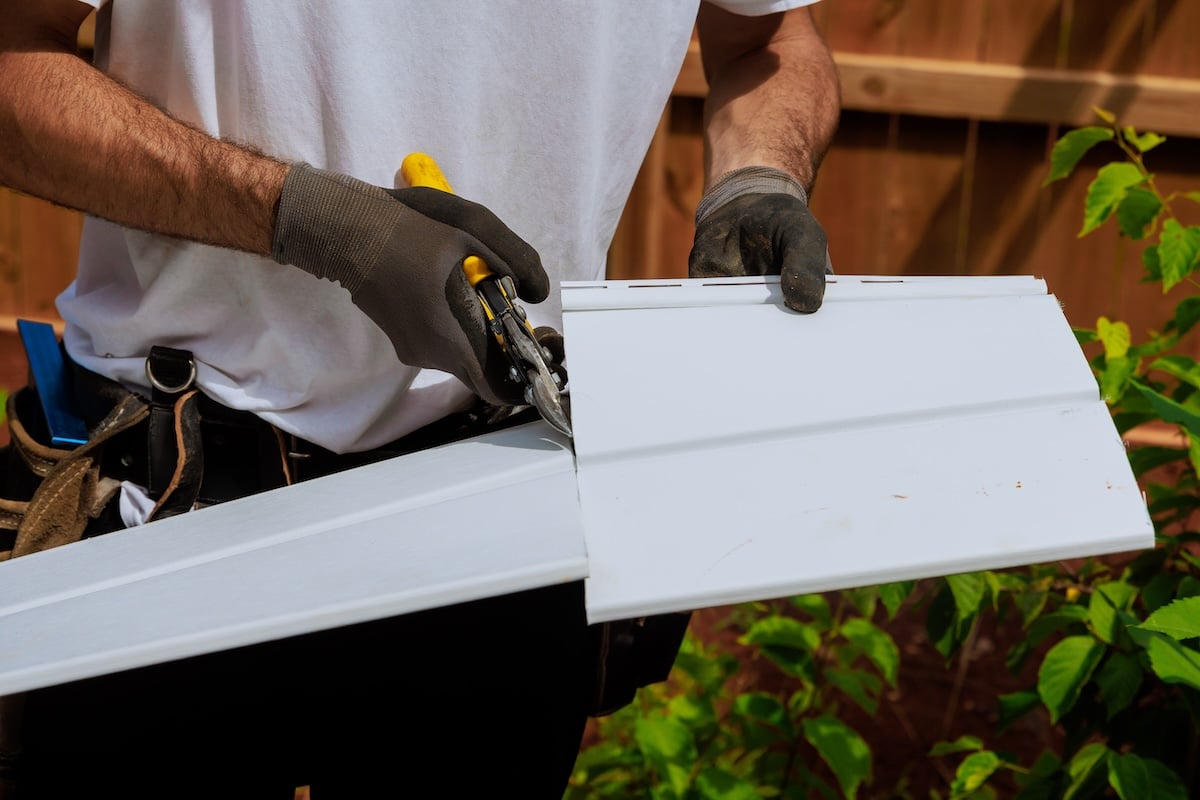
Credit: bestexteriorsinc.com
Tools For Cutting Hardie Board
Cutting Hardie board requires the right tools to get clean and accurate cuts. Using proper tools makes the work easier and safer.
This guide covers the power tools, hand tools, and safety gear you need for cutting Hardie board.
Essential Power Tools
Power tools help you cut Hardie board quickly and with less effort. They offer smooth and precise cuts.
- Circular saw with a carbide-tipped blade
- Jigsaw for curved or detailed cuts
- Angle grinder with a diamond blade
- Oscillating multi-tool for small cuts or adjustments
Make sure the blades are designed for fiber cement materials to avoid damage.
Hand Tools That Work
Hand tools can help with simple cuts and scoring. They are good for small projects or tight spaces.
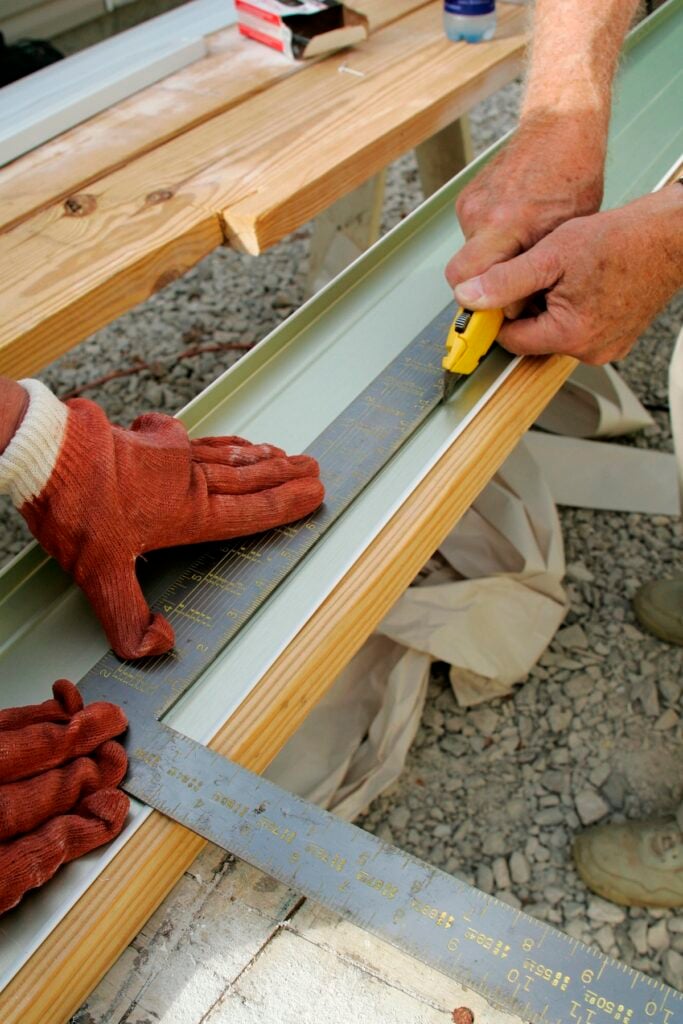
- Utility knife for scoring and snapping thin sheets
- Hand saw with fine teeth for small cuts
- Chalk line to mark straight cutting lines
- Measuring tape for accurate measurements
Use hand tools carefully to maintain clean edges and reduce dust.
Safety Gear To Use
Cutting Hardie board creates dust that can harm your lungs and eyes. Safety gear protects you from this dust.
- Dust mask or respirator rated for fine particles
- Safety goggles to protect your eyes
- Ear protection when using loud power tools
- Gloves to protect your hands from sharp edges
Always wear safety gear to reduce health risks and accidents during cutting.
Preparing For The Cut
Cutting Hardie board needs careful preparation. This helps you cut safely and accurately.
Before cutting, measure and mark the board well. Also, set up a workspace that keeps you safe and organized.
Measuring And Marking
Use a tape measure to find the exact length you want to cut. Mark the line with a pencil or chalk for clear visibility.
- Measure twice to avoid mistakes
- Use a straight edge or ruler for a clean line
- Mark both sides of the board if possible
- Check your marks before cutting
Setting Up A Safe Workspace
Clear your work area of all clutter. Make sure the surface is stable and at a comfortable height.
| Safety Item | Purpose |
|---|---|
| Protective Glasses | Shield eyes from dust and debris |
| Dust Mask | Prevent inhaling harmful particles |
| Gloves | Protect hands from sharp edges |
| Support Stands | Hold the board steady during cutting |
Keep children and pets away while cutting. Always unplug power tools when not in use.
Cutting Techniques
Cutting Hardie board requires specific methods to get clean edges. Using the right technique helps avoid damage. Safety and accuracy are very important.
This guide explains three main cutting techniques for Hardie board. Each method suits different shapes and cuts you need to make.
Straight Cuts
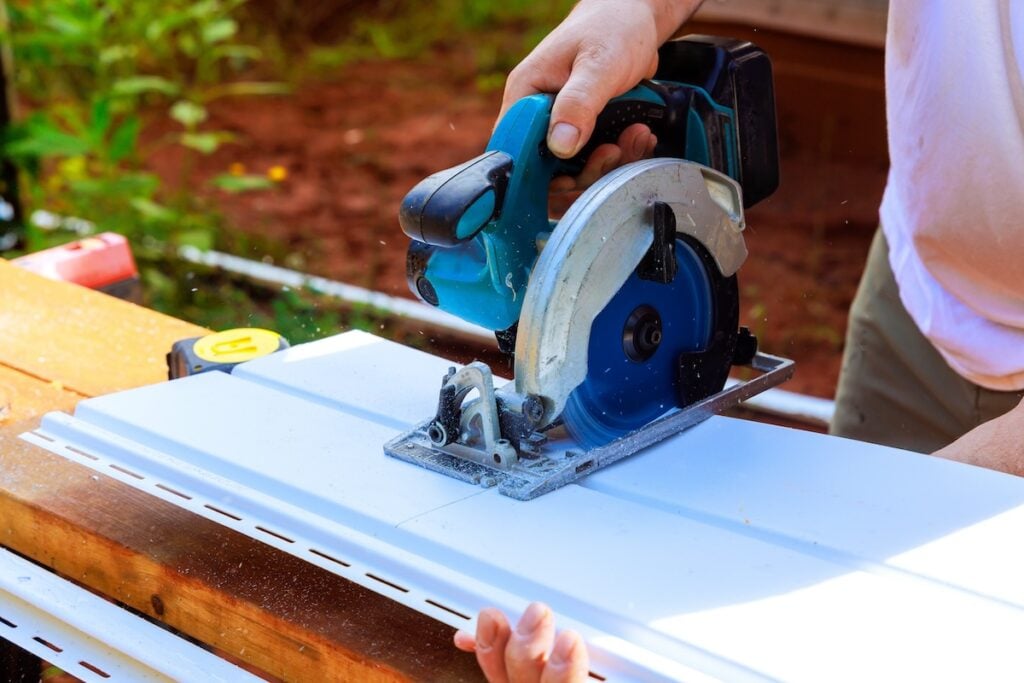
For straight cuts, use a circular saw with a carbide blade. Mark the cut line clearly before you start. Clamp the board to keep it steady while cutting.
- Set the saw blade depth to just pass through the board.
- Wear a dust mask and eye protection.
- Cut slowly along the marked line for a clean edge.
- Use a straight edge as a guide if needed.
Curved And Angled Cuts
Use a jigsaw with a carbide blade for curved or angled cuts. Draw your desired shape on the board first. Secure the board well to prevent movement.
Follow the line carefully and keep the jigsaw steady. Take your time to avoid chipping or breaking the board.
Using Scoring Methods
Scoring is a simple way to cut Hardie board for thin or small cuts. Use a utility knife and a straight edge. Score the surface deeply on the cut line.
| Step | Action | Tip |
|---|---|---|
| 1 | Measure and mark the cut line | Use a pencil for clear lines |
| 2 | Place a straight edge along the line | Hold it firmly to avoid slipping |
| 3 | Score the board with a utility knife | Make several passes for a deep cut |
| 4 | Snap the board along the scored line | Support both sides for a clean break |
Tips For Clean And Precise Cuts
Cutting Hardie Board correctly is important for a neat finish. Clean and precise cuts make installation easier and improve the look.
Using the right techniques helps avoid damage and reduces waste. Here are some tips for better cutting results.
Controlling Dust And Debris
Cutting Hardie Board creates a lot of dust. This dust can be harmful if inhaled and makes cleanup harder.
- Wear a dust mask or respirator to protect your lungs.
- Use a saw with a dust collection system or connect a shop vacuum.
- Cut outdoors or in a well-ventilated area.
- Wet the board slightly to reduce dust before cutting.
- Clean the work area frequently to prevent buildup.
Proper Speed And Pressure
Cut Hardie Board at the right speed and pressure to avoid chipping or rough edges. Too fast or hard can damage the board.
Use a steady and moderate feed rate. Let the saw blade do the work without forcing it. Maintain control throughout the cut.
| Speed | Pressure | Effect |
| Slow | Light | Clean cut with less dust |
| Fast | Heavy | Rough edges, more dust |
| Moderate | Moderate | Optimal cut quality |
Maintaining Tool Sharpness
Sharp blades make clean cuts and reduce dust. Dull blades tear the board and cause rough edges.
Check your blade before cutting. Replace or sharpen blades that look worn or dull.
Tips for blade care:
- Use carbide-tipped blades designed for Hardie Board.
- Clean blade teeth regularly to remove resin build-up.
- Avoid overheating the blade by cutting slowly.
- Store blades in a dry place to prevent rust.
Common Mistakes To Avoid
Cutting Hardie board requires care and the right approach. Avoiding common mistakes helps you get clean cuts and safer work.
Learn what to watch out for in tools, measuring, and safety before you start your project.
Incorrect Tool Choices
Using the wrong tools can damage the Hardie board or cause injury. Not all saws or blades work well with fiber cement materials.
- Avoid using dull or standard wood blades; they wear out fast on Hardie board.
- Do not use a handsaw; it often causes rough edges and dust clouds.
- Choose a circular saw with a carbide-tipped blade designed for fiber cement.
- Consider a score-and-snap tool for thin boards to reduce dust and mess.
Poor Measurement Practices
Incorrect measurements lead to wasted material and poor fit. Take your time to measure carefully and mark clearly.
| Common Error | Impact |
|---|---|
| Measuring only once | Increased chance of mistakes |
| Using a worn tape measure | Inaccurate dimensions |
| Marking with a thick marker | Hard to cut precisely |
| Ignoring the board’s thickness | Poor joint alignment |
Ignoring Safety Precautions
Hardie board dust contains silica and is harmful to breathe. Safety gear is essential to avoid health risks and injuries.
- Wear a NIOSH-approved respirator mask.
- Use safety goggles to protect your eyes from dust and chips.
- Wear gloves to protect your hands from sharp edges.
- Cut outdoors or in a well-ventilated area to reduce dust buildup.
- Keep a clean workspace to avoid slips and falls.
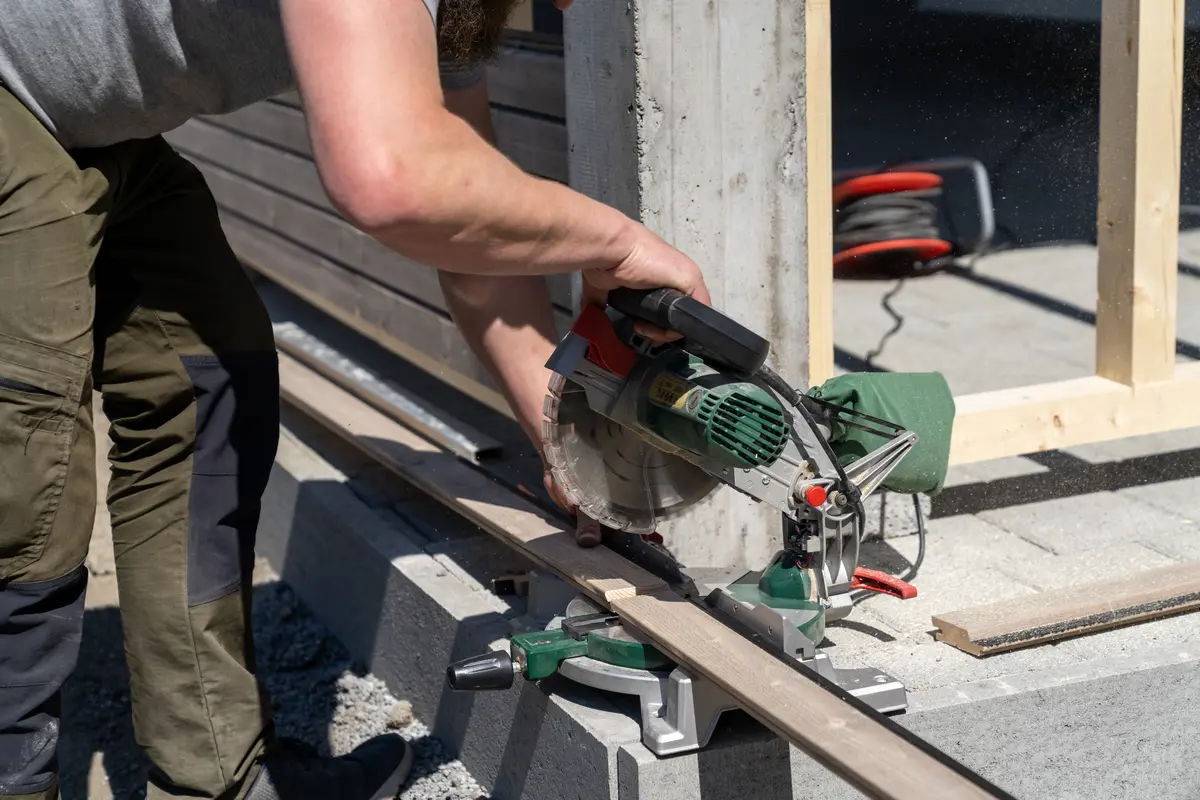
Credit: veteranscontractingllc.com
Credit: bestexteriorsinc.com
Frequently Asked Questions
What Tools Are Needed To Cut Hardie Board?
To cut Hardie Board, you need a circular saw with a carbide-tipped blade. You might also use shears or a utility knife for smaller cuts. Always wear safety goggles and a mask to protect yourself from dust. Ensure you have a stable work surface to prevent accidents.
Can You Score And Snap Hardie Board?
Yes, you can score and snap Hardie Board using a utility knife. First, mark your line and score it deeply. Then, apply firm pressure to snap the board along the scored line. This method is best for straight cuts and reduces dust compared to sawing.
How Do You Cut Curves In Hardie Board?
To cut curves, use a jigsaw with a carbide-grit blade. First, draw your curve line on the board. Then, carefully guide the jigsaw along the line. This method allows for precise curved cuts, ideal for unique design requirements or fitting around specific shapes.
Is Cutting Hardie Board Dusty?
Yes, cutting Hardie Board can create dust. This dust contains silica, which is harmful when inhaled. Always use dust-reducing cutting methods, like scoring or shears, and wear protective gear. Cutting outdoors or in a well-ventilated area is highly recommended to minimize dust inhalation.
Conclusion
Cutting Hardie board does not have to be hard. Use the right tools and take your time. Measure twice, cut once to avoid mistakes. Follow safety steps to protect yourself. Clean cuts make your project look better. Practice a few cuts before starting your work.
With patience and care, you will get good results. Now, you can handle Hardie board cutting with confidence.