
Are you ready to tackle your next home improvement project but unsure how to cut insulation foam board like a pro? Getting clean, precise cuts can make all the difference in how well your insulation fits and performs.
Whether you’re sealing gaps or creating custom shapes, knowing the right tools and techniques will save you time, money, and frustration. Keep reading, and you’ll discover simple steps that anyone can follow to achieve perfect cuts every time. Your project—and your comfort—will thank you.

Credit: www.reddit.com
Choosing The Right Foam Board
Insulation foam boards help keep buildings warm or cool. Picking the right foam board is key for good results. Different boards suit different jobs.
This guide explains common types of foam boards. It also shows how to select foam boards for your project needs.
Types Of Insulation Foam Boards
Foam boards come in several types. Each type has its own features and uses. Here are the main types:
- Expanded Polystyrene (EPS):Lightweight and affordable. Good for walls and roofs.
- Extruded Polystyrene (XPS):Dense and moisture-resistant. Used in basements and foundations.
- Polyisocyanurate (Polyiso):Offers the highest insulation value. Best for roofs and walls needing strong insulation.
- Phenolic Foam:Fire-resistant and has good insulation. Used in special construction projects.
Selecting Based On Project Needs
Choose foam boards based on where and how you will use them. Consider factors like moisture, temperature, and budget.
| Project Area | Recommended Foam Board | Key Features |
|---|---|---|
| Walls | Polyiso or EPS | Good insulation, easy to cut |
| Basements | XPS | Moisture resistant, durable |
| Roofs | Polyiso | High insulation value, fire resistant |
| Foundations | XPS | Strong, moisture resistant |
Essential Tools For Cutting
Cutting insulation foam board needs the right tools for clean and safe work. Using proper tools makes cutting easier and more accurate.
This guide covers the main tools you need. These include knives and blades, measuring and marking tools, and safety gear.
Knives And Blades
Sharp knives and blades give smooth cuts on foam board. Utility knives with replaceable blades work well. Hot wire cutters make precise cuts without much effort.
- Utility knife with sharp, replaceable blades
- Hot wire cutter for detailed shapes
- Hand saw with fine teeth for thick boards
- Scoring knife for thin foam boards
Measuring And Marking Tools
Accurate measurement and marking help you cut foam boards properly. Use tools that give clear lines and exact dimensions.
| Tool | Purpose |
| Steel ruler | Measure straight edges |
| Carpenter’s square | Mark right angles |
| Fine-tip marker or pencil | Draw cutting lines |
| Measuring tape | Measure longer lengths |
Safety Gear
Wear safety gear to protect yourself from cuts and dust. Foam dust can irritate eyes and lungs, so use proper protection.
- Safety gloves to avoid cuts
- Protective goggles to shield eyes
- Dust mask to prevent inhaling foam particles
- Long-sleeve shirt to protect skin
Preparing The Foam Board
Cutting insulation foam board starts with good preparation. Proper measuring and securing help make clean cuts.
This guide covers how to measure, mark, and stabilize the board before cutting.
Measuring And Marking The Cut Lines
Measure carefully to ensure the foam board fits your space. Use a tape measure for accuracy.
- Place the foam board on a flat surface.
- Use a pencil or marker to mark the cut lines clearly.
- Double-check your measurements before marking.
- Draw straight lines with a ruler or straight edge.
Securing The Board For Stability
Hold the foam board steady to avoid uneven cuts. Use clamps or weights to keep it from moving.
| Method | Description | Tip |
|---|---|---|
| Clamps | Attach the board to a workbench or table. | Use soft pads to prevent damage. |
| Weights | Place heavy objects on the board edges. | Distribute evenly for balance. |
| Non-slip Mat | Set the board on a rubber mat for grip. | Good for quick, light cuts. |
Cutting Techniques
Cutting insulation foam board correctly helps keep your project neat. Using the right tools and methods makes cutting easier and safer.
This guide explains how to cut straight lines, curved shapes, and avoid common mistakes. Follow these tips for better results.
Straight Cuts
Make straight cuts with a sharp utility knife or a foam saw. Use a metal ruler or straight edge to guide your blade.
Score the foam board lightly first, then cut deeper with several passes. This avoids tearing or breaking the foam.
- Place the foam board on a flat surface
- Align a metal ruler along the cutting line
- Score the line with a sharp knife
- Make multiple passes for a clean cut
- Do not rush the cutting process
Curved And Complex Shapes
Cutting curves and shapes needs more care. Use a fine-toothed saw or a hot wire cutter for smooth edges.
Draw your shape clearly on the foam. Cut slowly and follow the lines closely to keep the shape accurate.
- Sketch the shape with a marker
- Use a foam saw or hot wire cutter
- Move the blade slowly along curves
- Support the foam to avoid bending
- Clean edges with sandpaper if needed
Avoiding Common Mistakes
Cutting foam board can cause rough edges or uneven lines. Avoid pressing too hard or using dull blades.
Work in a well-lit area and measure twice before cutting. Keep your tools sharp and steady for the best results.
- Do not rush cuts or force the blade
- Replace dull blades often
- Measure carefully before cutting
- Use proper tools for different cuts
- Wear safety gloves to protect hands
Finishing Edges
Cutting insulation foam board leaves rough edges that need finishing. Properly finished edges improve fit and appearance.
Use sanding and sealing techniques to smooth and protect the foam board edges for long-lasting results.
Sanding And Smoothing
Start with medium-grit sandpaper to even out rough cuts on the foam board edges. Sand gently to avoid damaging the foam.
- Wear a dust mask to avoid inhaling foam particles.
- Use a sanding block for flat, even pressure.
- Finish with fine-grit sandpaper for a smooth surface.
- Clean the dust off the edges after sanding.
Sealing And Protecting
Sealing the edges protects the foam from moisture and damage. Use a compatible sealant or paint designed for foam board.
| Sealant Type | Benefits | Application Tips |
| Latex Paint | Easy to apply, water-resistant | Apply thin coats, allow drying between layers |
| Foam Board Sealant | Specifically made for foam, durable | Use a brush or spray, follow manufacturer instructions |
| Polyurethane | Strong protection, moisture resistant | Apply in well-ventilated area, avoid thick layers |

Credit: www.youtube.com
Tips For Safe And Efficient Cutting
Cutting insulation foam board requires care and the right tools. Safety and efficiency go hand in hand. This guide shares helpful tips to make your work easier and safer.
Proper preparation is key. Organize your tools and work space before you start. This reduces accidents and helps you cut cleanly.
Maintaining Tools
Sharp and clean tools make cutting easier and safer. Dull blades can slip and cause injuries. Keep your cutting tools in good condition by checking and cleaning them regularly.
- Inspect blades for damage or dullness before use.
- Clean blades after each use to remove foam residue.
- Sharpen blades or replace them if they are dull.
- Store tools in a dry place to prevent rust.
- Use the right tool, like a utility knife or hot wire cutter, for the job.
Work Area Setup
A well-organized work area helps you stay safe and work faster. Clear your space of clutter and make sure you have good lighting. Use a flat, stable surface to support the foam board.
| Tip | Reason |
| Clear the work surface | Prevents accidents and allows smooth cutting |
| Use clamps or weights | Keeps foam board steady during cutting |
| Wear safety gear | Protects eyes and hands from debris and cuts |
| Work in a well-ventilated area | Reduces inhaling dust or fumes |
| Keep a trash bin nearby | Maintains a clean space and easy disposal of scraps |
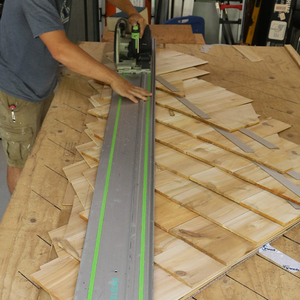
Credit: www.finehomebuilding.com
Frequently Asked Questions
How Do You Safely Cut Insulation Foam Board?
To safely cut insulation foam board, use a sharp utility knife or a specialized foam cutting tool. Ensure the surface is stable and wear protective gear, such as gloves and goggles. Cut along a straight edge to maintain precision. Always follow the manufacturer’s safety guidelines.
What Tools Are Best For Cutting Foam Board?
The best tools for cutting foam board include a utility knife, a hot wire cutter, or a saw. Each tool offers different benefits. A utility knife is great for straight cuts, while a hot wire cutter excels in making intricate shapes.
Choose based on your project’s needs.
Can You Cut Foam Board With A Saw?
Yes, you can cut foam board with a saw. A fine-toothed saw, like a jigsaw or handsaw, works best. Ensure steady, gentle pressure to avoid tearing. A saw is ideal for thicker foam boards or when cutting curved shapes. Always ensure the board is secured before cutting.
How To Achieve Clean Edges On Foam Board?
To achieve clean edges, use a sharp blade and a straight edge. Score the foam board lightly first, then make a deeper cut. Keep the blade steady and replace it if it dulls. Clean edges are crucial for a professional finish and precise fitting.
Conclusion
Cutting insulation foam board does not have to be hard. Use the right tools and take your time. Measure carefully and mark your cuts clearly. Follow safety steps to protect yourself while working. Clean, straight cuts help fit the foam board better.
Practice a little to get more comfortable. This simple skill can improve your home projects. Keep these tips in mind for smooth, easy cuts every time.