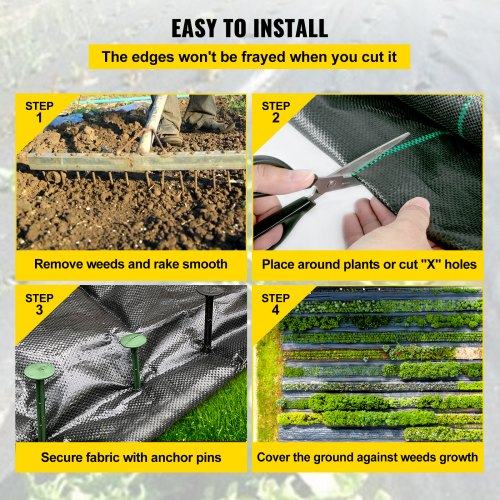
Are you ready to make your garden look neat and stay weed-free? Cutting landscaping fabric the right way can save you time and keep your plants healthy.
But if you’ve ever struggled with uneven cuts or wasted material, you know it’s not always easy. In this guide, you’ll discover simple tips and tricks to cut landscaping fabric quickly and accurately, so your outdoor space looks just the way you want.
Keep reading, and you’ll master this essential skill in no time!

Credit: www.amazon.ca
Choosing The Right Fabric
Landscaping fabric is essential for controlling weeds in your garden. Choosing the right type ensures better plant growth and less maintenance.
Consider factors like fabric type, thickness, and UV resistance. Each affects how well the fabric performs in your garden.
Types Of Landscaping Fabric
Different fabrics suit different needs. Some are woven, while others are non-woven. Woven fabrics are durable and allow water to pass through easily.
- Woven fabric: Best for areas needing high durability
- Non-woven fabric: Ideal for gardens with delicate plants
- Perforated fabric: Good for areas with heavy rainfall
Fabric Thickness And Durability
Thicker fabrics last longer and offer better weed control. They are more resistant to tearing and can handle rough terrain.
| Thickness (mil) | Durability |
| 1-3 mil | Low |
| 3-5 mil | Medium |
| 5+ mil | High |
Uv Resistance Considerations
UV resistance prolongs fabric life. Fabrics exposed to sunlight degrade faster without UV protection. Choose UV-resistant fabrics for sunny areas.
Gathering Essential Tools
Cutting landscaping fabric is easier when you have the right tools. Preparing these tools before starting saves time and effort.
Good tools help you make clean and accurate cuts. This guide covers the main tools needed for the job.
Sharp Scissors Vs Utility Knife
Sharp scissors and utility knives are the main cutting tools for landscaping fabric. Both have benefits depending on the task.
Scissors give more control on small cuts. Utility knives work well for long straight lines.
- Sharp scissors are easy to handle and precise.
- Utility knives need a steady hand for safety.
- Both tools should be sharp to avoid frayed edges.
- Use a cutting mat or board under the fabric with knives.
Measuring Tools
Measuring tools help you cut the fabric to the right size. Accurate measurements reduce waste and fit the fabric well.
Choose tools that are easy to read and use outdoors. Tape measures and rulers are common choices.
- Tape measure: flexible and long, good for large areas.
- Ruler or yardstick: good for short, straight cuts.
- Marking tape measure helps keep marks visible.
Marking Instruments
Marking tools show where to cut on the fabric. Clear marks help you cut straight and reduce mistakes.
Use pencils, chalk, or fabric markers that show well on the fabric surface.
- Chalk works well and is easy to erase.
- Pencils make light marks for clean cuts.
- Fabric markers can be permanent or washable.
Measuring And Planning
Cutting landscaping fabric needs careful measuring and planning. You want the fabric to fit your garden area well. This helps prevent weeds and keeps your plants healthy.
Planning ahead will save time and reduce waste. It also makes laying the fabric easier and neater.
Assessing The Area
Start by looking at the space where you will place the fabric. Measure the length and width of the area carefully. Check for any curves or odd shapes that need special attention.
Allowing For Overlaps And Edges
When cutting landscaping fabric, add extra inches to your measurements. This will allow for overlaps and edges. Overlaps help stop weeds from growing through gaps.
- Add 6 inches to each side for overlaps
- Include extra fabric for wrapping edges around beds or borders
- Plan for fabric to go under stones or mulch at edges
- Consider how fabric will meet paths or other landscape features
Marking Cutting Lines
Use a marker or chalk to draw cutting lines on the fabric. Make sure lines are straight and easy to follow. Mark the fabric on a flat surface to avoid mistakes.
| Tool | Purpose |
|---|---|
| Measuring tape | To get accurate length and width |
| Marker or chalk | To draw clear cutting lines |
| Flat surface | To lay fabric evenly while marking |

Credit: toolgirlsgarage.com
Cutting Techniques
Cutting landscaping fabric correctly helps keep your garden neat. Good cutting saves time and prevents fabric from tearing.
Use sharp tools and steady hands for the best results. Here are some easy cutting techniques.
Straight Cuts For Large Areas
Measure the area before cutting the fabric. Use a ruler or tape measure for accuracy.
Cut the fabric on a flat surface with sharp scissors or a utility knife. Keep the cut straight to cover large areas without gaps.
- Lay fabric flat and smooth out wrinkles
- Mark cutting lines with chalk or a marker
- Cut slowly along the marked lines
- Double-check measurements before cutting
Cutting Around Plants And Obstacles
Cut fabric carefully around plants or garden fixtures. Leave enough space to avoid damaging roots or stems.
Make small cuts or holes to fit the fabric snugly around obstacles. This keeps fabric tight and plants healthy.
- Cut slits just wider than plant stems
- Use scissors to trim fabric close to obstacles
- Fold back fabric edges near plants to avoid covering them too much
- Check for gaps and fix if needed
Creating Slits For Drainage
Drainage slits prevent water from pooling on top of the fabric. Proper drainage helps plants grow well.
Cut small, evenly spaced slits in the fabric. Avoid making them too large to keep weeds out.
- Make slits about 2-3 inches long
- Space slits 6-12 inches apart
- Use a sharp knife or scissors for clean cuts
- Place slits where water naturally flows
Securing The Fabric
Securing landscaping fabric properly keeps weeds out and helps plants grow well. This guide covers ways to keep the fabric in place for a neat garden.
Using the right tools and techniques ensures the fabric stays flat and does not move over time. Let’s explore how to do this effectively.
Using Landscape Staples
Landscape staples hold the fabric firmly to the ground. They are easy to use and prevent the fabric from lifting or shifting.
- Place staples every 12 to 18 inches along the edges and seams.
- Use U-shaped staples that are at least 6 inches long for strong hold.
- Push the staples deep enough to avoid tripping hazards.
- Secure corners with extra staples for added strength.
Avoiding Fabric Shifts
Fabric can move if not installed carefully. Avoid shifts by preparing the area and placing the fabric correctly.
| Tip | How to Do It |
| Clear the ground | Remove rocks, roots, and debris before laying fabric |
| Overlap edges | Overlap fabric pieces by 6 to 12 inches to block weeds |
| Weigh down fabric | Use stones or soil along edges before stapling |
| Secure all edges | Staple edges and seams to prevent lifting |
Checking For Proper Tension
Proper tension stops wrinkles and gaps in the fabric. It also helps water flow through without pooling.
Follow these tips for good tension:
- Pull fabric tight but do not stretch it too much.
- Staple fabric while keeping it smooth and flat.
- Adjust staples if fabric loosens over time.
- Check fabric tension regularly during garden maintenance.
Common Mistakes To Avoid
Cutting landscaping fabric seems simple, but mistakes can cause problems. These errors reduce fabric effectiveness and create extra work.
Knowing what to avoid helps you get better results. Read on to learn common mistakes and how to prevent them.
Cutting Too Small Or Too Large
Cutting fabric too small leaves gaps where weeds can grow. Cutting too large makes folding and fixing harder. Both cause trouble in your garden.
Measure the area carefully before cutting. Leave a little extra fabric on each side to cover edges well.
- Measure twice to avoid cutting errors
- Cut fabric slightly larger than the area
- Trim excess after placing the fabric
Ignoring Fabric Grain Direction
Landscaping fabric has a grain or weave direction. Cutting against the grain weakens the fabric. It may tear or stretch unevenly.
Pay attention to fabric lines and cut along the grain. This keeps fabric strong and easy to handle.
- Look for weave direction before cutting
- Cut fabric parallel to grain lines
- Test a small piece to check strength
Skipping Edge Reinforcements
Edges of landscaping fabric can fray or lift without support. Skipping edge reinforcements leads to fabric damage and weed growth.
Use staples, pins, or weights to secure edges. Reinforcing edges keeps fabric flat and durable.
- Secure edges with landscape staples or pins
- Cover edges with mulch or soil for weight
- Check edges regularly for lifting or damage
Maintaining Cut Fabric
Cutting landscaping fabric is just the first step. Taking care of the leftover pieces helps you save money and time. Proper maintenance keeps the fabric useful for future projects.
Good care also keeps the fabric strong and ready to protect your garden beds from weeds. Learn how to clean, repair, and store your cut fabric correctly.
Cleaning And Storing Leftovers
Remove dirt and debris from cut fabric before storing. Clean fabric stays free from mold and lasts longer. Shake off loose soil or hose it down gently.
Store fabric in a dry, cool place. Keep it rolled or folded neatly. Avoid sharp objects that can cause damage.
- Brush off dirt after use
- Let fabric dry fully before storing
- Roll fabric to prevent creases
- Store in a plastic bag or container
- Keep away from direct sunlight
Repairing Tears
Small tears reduce the fabric’s effectiveness. Fix rips quickly to keep weeds from growing through. Use waterproof tape or fabric patches to repair holes.
Clean the area around the tear before applying patches. Press firmly and let it dry. Check repaired spots regularly for new damage.
- Cut clean edges around the tear
- Use garden fabric tape or patches
- Apply patch on both sides if needed
- Press down firmly for a tight seal
- Inspect repairs after rain or wind
Extending Fabric Life
Handle landscaping fabric gently to avoid damage. Avoid walking on it or placing heavy objects on cut pieces. Use sharp scissors for clean cuts.
Rotate stored fabric regularly to prevent creases. Avoid exposing fabric to harsh chemicals or prolonged sun. Follow care tips to keep your fabric useful for years.
- Cut fabric with sharp scissors only
- Do not drag fabric on rough surfaces
- Store in shade or indoors
- Keep fabric dry and clean
- Check fabric before each use
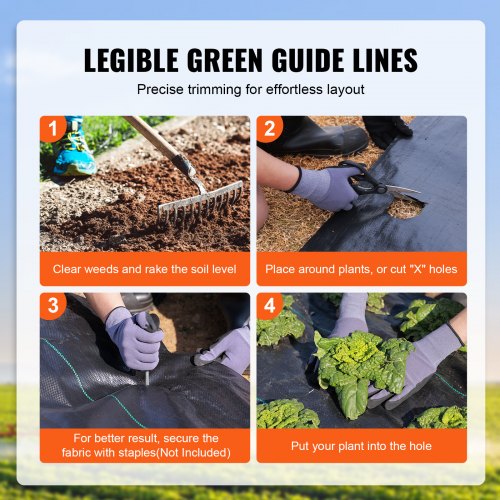
Credit: www.vevor.ca
Frequently Asked Questions
How Do You Measure Landscaping Fabric Before Cutting?
Measure the area where you want to place the fabric. Use a tape measure for accuracy. Mark the fabric with chalk or a marker before cutting. This ensures the fabric fits perfectly without waste or gaps.
What Tools Are Best For Cutting Landscaping Fabric?
Sharp scissors or a utility knife work best for cutting landscaping fabric. Use a straight edge for precise cuts. Avoid dull tools as they can fray or damage the fabric’s edges.
Can Landscaping Fabric Be Cut While On The Ground?
Yes, you can cut landscaping fabric while it’s laid on the ground. Secure the fabric to prevent shifting. Cutting this way helps you achieve an exact fit around plants and curves.
How Do You Prevent Landscaping Fabric From Fraying After Cutting?
Use sharp tools for clean cuts to minimize fraying. You can also seal the edges with fabric glue or tape. Proper cutting techniques keep the fabric durable and neat.
Conclusion
Cutting landscaping fabric is simple with the right tools and steps. Measure carefully before you cut to avoid waste. Use sharp scissors or a utility knife for clean edges. Keep the fabric tight as you cut to stay accurate. Remember to wear gloves to protect your hands.
Following these tips helps your garden stay neat and weed-free. Start your project with confidence and enjoy a tidy outdoor space.