Are you ready to tackle your next DIY project but unsure how to cut MDF board at home? Cutting MDF might seem tricky, but with the right tips and tools, you can achieve clean, precise cuts without professional help.
Imagine saving time and money by doing it yourself, while creating perfect pieces for your furniture, shelves, or crafts. Keep reading, and you’ll discover simple steps and expert tricks that make cutting MDF easy and safe—even if you’ve never done it before.
Your next project is about to get a whole lot smoother!

Credit: m.youtube.com
Choosing The Right Tools
Cutting MDF board at home needs the right tools. Choosing tools carefully makes your work easier and safer.
Different saws and safety gear suit different projects. Learn what works best for your needs.
Hand Saws Vs Power Saws
Hand saws work well for small cuts and detailed work. They need more effort but cost less and are quiet.
Power saws make fast and straight cuts. They are best for big projects but need power and careful handling.
- Hand saws are easy to control for fine cuts.
- Power saws save time on large boards.
- Hand saws require physical strength and patience.
- Power saws need a power source and safety checks.
- Both saws work well if used correctly.
Essential Safety Gear
Safety gear protects you from dust, noise, and sharp edges. Always wear safety equipment when cutting MDF.
| Gear | Purpose |
| Safety glasses | Protect eyes from dust and chips |
| Dust mask | Prevent inhaling harmful dust particles |
| Ear protection | Reduce noise from power tools |
| Gloves | Protect hands from splinters and cuts |
| Long sleeves | Shield skin from dust and scratches |
Preparing The Mdf Board
Cutting an MDF board at home starts with good preparation. This helps you make clean and accurate cuts.
Take your time to get the board ready before using any tools. Proper prep keeps your work safe and neat.
Measuring And Marking
First, measure the MDF board carefully. Use a tape measure for exact lengths and widths.
Mark your cut lines clearly with a pencil. Straight lines help guide your saw during cutting.
- Use a ruler or straight edge for straight lines
- Mark both sides of the board if possible
- Double-check measurements before marking
Securing The Board
Hold the MDF board firmly to stop it from moving. This keeps your cut line accurate and safe.
Use clamps to fix the board onto a stable surface. Avoid holding the board by hand during cutting.
- Place clamps near the cutting line but not in the way
- Use a workbench or sturdy table for support
- Check that the board does not wobble before cutting
Cutting Techniques
Cutting MDF board at home requires careful methods. Using the right technique makes your work cleaner and safer.
This guide explains key cutting techniques for straight cuts, curved cuts, and how to prevent chipping.
Straight Cuts
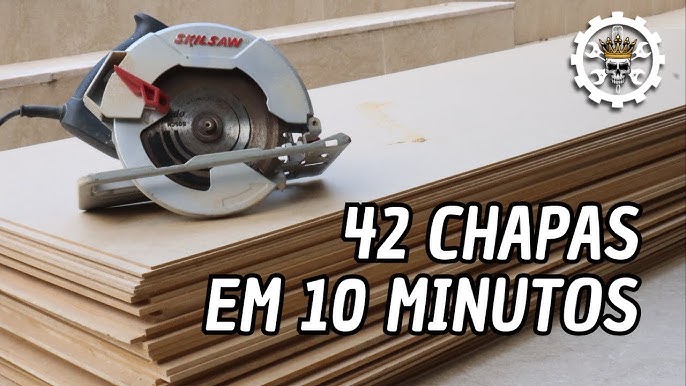
For straight cuts, use a circular saw or table saw. Mark the cut line clearly with a pencil and ruler.
Clamp the MDF board to a stable surface. Cut slowly along the line to keep the edge smooth.
Curved Cuts
Curved cuts are best done with a jigsaw. Draw the curve on the board before cutting.
- Use a fine-tooth blade for smooth edges
- Cut outside the line to allow sanding later
- Go slow to avoid splintering the MDF
- Support the board well to prevent bending
Preventing Chipping
| Technique | How It Helps |
| Use masking tape on cut line | Holds fibers to reduce chipping |
| Cut with the good side down | Protects the visible face from splinters |
| Use sharp blades | Produces cleaner cuts and less tear-out |
| Cut slowly and steadily | Prevents rough edges and breaks |
Finishing The Edges
Cutting MDF board at home leaves rough edges that need smoothing. Finishing the edges makes your project look neat and lasts longer.
Use simple tools and methods to prepare the edges before sealing. This helps protect the board and gives a clean finish.
Sanding Tips
Sand the cut edges gently to remove roughness and splinters. Smooth edges help sealants stick better and improve appearance.
- Start with medium-grit sandpaper (120 grit) for rough edges
- Move to fine-grit sandpaper (220 grit) for a smooth finish
- Sand in the direction of the edge, not across the board
- Wear a dust mask to avoid breathing MDF dust
- Use a sanding block or sponge for even pressure
Sealing The Cut Edges
Sealing protects MDF edges from moisture and damage. Choose the right sealant based on your project needs.
| Sealant Type | Use | Drying Time |
|---|---|---|
| Wood Primer | Prepares edges for paint | 1-2 hours |
| Shellac | Seals and blocks moisture | 30 minutes |
| Polyurethane | Protective top coat | 2-4 hours |
| Wood Glue + Sawdust Mix | Fills small gaps before sealing | 1 hour |
Troubleshooting Common Issues
Cutting MDF board at home can be tricky. Some common problems may happen during the process.
Knowing how to fix these issues helps you get better results and saves time.
Dealing With Splinters
Splinters happen when the blade tears the MDF instead of cutting cleanly. This makes edges rough and unsafe.
You can reduce splinters by using the right blade and cutting techniques.
- Use a fine-tooth blade designed for MDF or plywood.
- Cut slowly and steadily to avoid tearing.
- Apply masking tape along the cut line to protect the surface.
- Score the cut line lightly before full cutting.
- Cut with the good side of MDF facing down for circular saws.
Fixing Uneven Cuts
Uneven cuts occur when the saw moves off the line or the board shifts during cutting.
To fix uneven cuts, you need to stabilize the board and guide the saw carefully.
- Secure the MDF board firmly with clamps before cutting.
- Use a straight edge or guide rail to follow the cut line.
- Mark the cut line clearly with a pencil or chalk.
- Sand uneven edges lightly with fine sandpaper after cutting.
- If needed, trim the edge with a hand saw or a router for a smoother finish.

Credit: www.youtube.com

Credit: www.workshop.bunnings.com.au
Frequently Asked Questions
What Tools Do I Need To Cut Mdf Board?
To cut MDF board at home, you’ll need a circular saw or jigsaw, a straight edge or guide, and safety gear like goggles and a dust mask. A fine-toothed blade is essential for smooth cuts. Sandpaper can help in finishing edges for a clean look.
How Can I Ensure A Straight Cut On Mdf?
To ensure a straight cut on MDF, clamp a straight edge or guide to your board. Use a circular saw with a fine-toothed blade. Move slowly and steadily to maintain control. Always double-check your measurements before cutting to avoid mistakes.
Is Mdf Board Safe To Cut At Home?
Cutting MDF board at home is generally safe if precautions are taken. Always wear safety goggles and a dust mask to protect against dust particles. Ensure your workspace is well-ventilated. Using sharp blades reduces kickback and provides cleaner cuts, enhancing safety.
How Do I Reduce Dust When Cutting Mdf?
To reduce dust when cutting MDF, use a saw with a dust collection system. Wearing a dust mask helps prevent inhalation. Work in a well-ventilated area and clean up immediately after cutting. Applying masking tape over the cut line can also help minimize dust.
Conclusion
Cutting MDF board at home is simple with the right tools and steps. Always measure twice to avoid mistakes. Use a sharp blade to get clean cuts every time. Take your time and work safely to prevent accidents. Practice on scrap pieces before the main project.
Following these tips helps you finish your work neatly. Enjoy creating with MDF, and keep improving your skills.