Cutting particle board can feel tricky if you don’t have the right tips and tricks. You might worry about rough edges, splinters, or even ruining your board altogether.
But what if you could learn a simple way to make clean, precise cuts every time? In this guide, you’ll discover easy steps and expert advice that will save you time, effort, and frustration. Keep reading, and you’ll gain the confidence to handle your particle board like a pro.

Credit: www.reddit.com
Choosing The Right Tools
Cutting particle board requires the right tools to get clean and accurate cuts. Using the wrong tools can cause splintering and damage.
Choosing the best saw and accessories makes your work easier and safer. This guide helps you pick tools for cutting particle board.
Types Of Saws For Particle Board
Different saws work better for particle board depending on the cut you need. Some saws offer more control and cleaner edges.
Common saw types include circular saws, jigsaws, and table saws. Each has benefits for particle board cutting.
- Circular Saw:Great for straight cuts and quick work.
- Jigsaw:Useful for curves and detailed shapes.
- Table Saw:Best for precise, straight cuts on large sheets.
Essential Safety Equipment
Safety is important when cutting particle board. Dust and sharp blades can cause injury or health problems.
Wear proper safety gear to protect yourself during cutting tasks.
- Safety Glasses:Protect eyes from dust and chips.
- Dust Mask:Prevent inhaling harmful dust particles.
- Hearing Protection:Reduce noise from power tools.
- Gloves:Protect hands from splinters and cuts.
Recommended Blades And Accessories
Choosing the right blade helps make clean cuts and reduces damage to particle board. Blades designed for wood or laminates work best.
Additional accessories improve cutting quality and ease your work.
- Fine-Tooth Blades:Reduce splintering on edges.
- Carbide-Tipped Blades:Last longer and cut smoothly.
- Zero Clearance Inserts:Minimize tear-out by supporting the board near the blade.
- Clamps:Hold the particle board firmly while cutting.
- Guide Rails:Help make straight and accurate cuts.
Preparing The Particle Board
Cutting particle board needs careful preparation. Proper steps make cutting easier and cleaner.
Good preparation helps avoid mistakes and damage to the board surface.
Measuring And Marking Accurately
Measure the board carefully before cutting. Use a tape measure and a straight edge.
Mark the cut line clearly with a pencil or chalk. Double-check your measurements.
- Measure twice to avoid errors
- Use a ruler or square for straight lines
- Mark lines lightly to erase if needed
Securing The Board For Stability
Keep the particle board steady while cutting. Use clamps or a workbench to hold it.
Stable boards reduce the risk of slipping and uneven cuts.
- Clamp the board firmly to the surface
- Check that clamps do not block the cut path
- Use supports under long boards to prevent bending
Avoiding Common Surface Damage
Protect the board surface from scratches and chipping. Use painter’s tape along the cut line.
Cut slowly and carefully to reduce splintering and rough edges.
- Apply tape to prevent surface chipping
- Use a fine-tooth blade for cleaner cuts
- Cut with steady, even pressure
Cutting Techniques
Cutting particle board needs careful handling to get clean edges. Use the right tools and methods for best results.
This guide covers how to make straight and curved cuts. It also shares tips for smooth edge finishes.
Straight Cuts With A Circular Saw
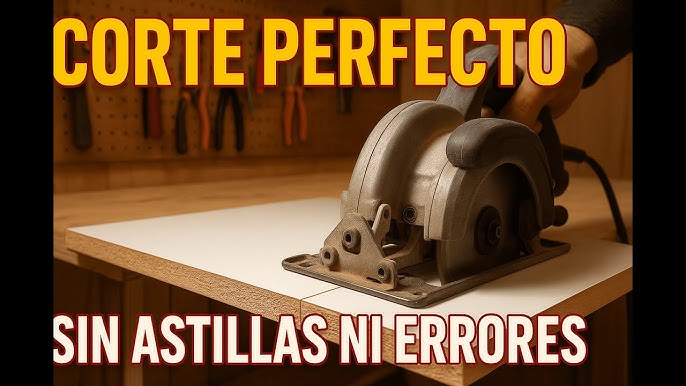
A circular saw works well for straight cuts on particle board. Use a sharp blade designed for wood.
Clamp the board firmly and mark your cut line clearly. Cut slowly to avoid chipping the edges.
- Use a guide or straight edge for accuracy
- Set the blade depth just below board thickness
- Wear safety glasses and a dust mask
- Support the board to prevent splintering
Using A Jigsaw For Curves
A jigsaw is best for cutting curves in particle board. Choose a fine-tooth blade for smoother cuts.
Draw the curve on the board. Cut slowly and guide the saw steadily along the line.
- Use a blade made for wood or laminate
- Keep the base plate flat on the board
- Make relief cuts in tight curves to reduce stress
- Wear ear protection for long cuts
Tips For Smooth Edge Finishes
Particle board edges can be rough after cutting. Sand the edges to make them smooth and safe.
Use fine-grit sandpaper and sand along the edge. You can also apply edge banding for a clean look.
- Start with medium grit sandpaper (120-150)
- Finish with fine grit (220) for a smooth feel
- Apply wood filler to fill gaps if needed
- Seal the edges with paint or varnish to protect

Credit: www.reddit.com
Preventing Splintering And Chipping
Cutting particle board without damage can be tricky. Splintering and chipping reduce the board’s quality and ruin your project.
Using the right techniques helps keep edges clean. Follow these tips to get smooth, professional cuts every time.
Applying Masking Tape
Masking tape helps protect the surface from splintering. Place tape along the cut line before cutting. This holds fibers in place and prevents chips from breaking off.
- Use low-tack masking tape to avoid residue
- Press tape firmly to the board surface
- Mark the cut line clearly on the tape
- Remove tape slowly after cutting
Scoring The Cut Line
Scoring the cut line creates a clean break. Use a utility knife to lightly cut the surface along the line. This reduces splintering as the saw cuts through the board.
| Tool | Purpose | Tip |
|---|---|---|
| Utility Knife | Score surface | Use a straight edge for accuracy |
| Handsaw | Make final cut | Follow scored line carefully |
| Sanding Block | Smooth edges | Lightly sand after cutting |
Choosing The Right Cutting Speed
Cutting too fast causes chips and rough edges. Cutting too slow burns the board. Find the right speed to balance clean cuts and smooth edges.
- Set saw speed to medium for particle board
- Let the blade do the work without forcing
- Keep steady, even pressure during cutting
- Pause and check cut progress to avoid mistakes
Post-cut Finishing Tips
Cutting particle board creates rough edges that need extra care. Finishing these edges helps improve the look and strength of your project. Good finishing also protects the board from damage.
Use the tips below to get smooth, clean edges and keep your workspace tidy after cutting.
Sanding Edges For Cleanliness
Sanding removes rough spots and splinters from the cut edges. Start with medium-grit sandpaper to smooth the surface. Then use fine-grit sandpaper for a cleaner finish. Always sand along the edge, not against it.
- Use a sanding block or electric sander for even pressure
- Wear a mask to avoid breathing dust
- Check edges with your hand to feel for smoothness
- Sand both sides of the cut edge if possible
Sealing And Protecting Cut Surfaces
Particle board absorbs moisture easily at cut edges. Sealing these edges stops water damage and swelling. Use wood sealers or edge banding to protect the board. Paint or varnish can also add extra defense.
| Sealing Method | Benefits |
| Wood sealer | Prevents moisture absorption |
| Edge banding | Hides rough edges and adds strength |
| Paint or varnish | Protects and improves appearance |
Handling Dust And Cleanup
Cutting particle board creates a lot of dust. Cleaning up quickly keeps your workspace safe and your tools working well. Use a vacuum or dust collector if available.
- Wear a dust mask and eye protection during cleanup
- Use a damp cloth to wipe surfaces after vacuuming
- Dispose of dust safely to avoid spreading it in the air
- Clean tools and sanding pads to prevent clogging
Troubleshooting Common Issues
Cutting particle board can be tricky because it is prone to damage. Many people face problems like rough edges or uneven cuts.
Knowing how to fix these common issues saves time and improves your project quality. Here are some tips to help you.
Dealing With Tear-out
Tear-out happens when the particle board surface chips along the cut line. It looks rough and can ruin the finish.
To reduce tear-out, use a sharp blade with many teeth. Cutting slowly and using painter’s tape on the cut line helps hold the surface together.
- Apply painter’s tape on the cutting line
- Use a fine-toothed blade
- Cut slowly and steadily
- Score the board surface before cutting
Fixing Uneven Cuts
Uneven cuts happen when the saw blade moves off track or the board shifts. This can cause one side to be longer or rough.
Check that your saw guide is straight and secure before cutting. Clamp the particle board firmly to keep it from moving during the cut.
- Use a straight edge or guide for the saw
- Clamp the particle board securely
- Keep steady pressure on the saw
- Check blade alignment before cutting
Managing Blade Dullness
A dull blade makes rough cuts and increases tear-out. It also strains your saw and can be unsafe.
Replace or sharpen your blade regularly. Clean the blade from resin or dust to keep it cutting smoothly.
- Replace dull blades quickly
- Sharpen blades if possible
- Clean blade teeth after use
- Use blades designed for particle board

Credit: www.onsungroup.com
Frequently Asked Questions
What Tools Are Best For Cutting Particle Board?
A circular saw or jigsaw is ideal for cutting particle board. They provide clean and precise cuts. Use a fine-tooth blade to minimize chipping. Always wear safety gear and ensure the board is well-supported.
How Do I Prevent Chipping When Cutting?
To prevent chipping, use a fine-tooth blade and cut slowly. Secure the board firmly to avoid movement. Applying masking tape along the cut line can also help reduce chipping.
Can I Cut Particle Board With A Hand Saw?
Yes, you can use a hand saw for cutting particle board. However, it requires more effort and may result in rough edges. Opt for a sharp, fine-tooth saw for better results.
Is It Safe To Cut Particle Board Indoors?
Cutting particle board indoors can be dusty and messy. Ensure proper ventilation and use a dust mask. Consider using a vacuum or dust collector to minimize particles in the air.
Conclusion
Cutting particle board can be simple with the right tools and steps. Always measure carefully to avoid mistakes. Use a sharp blade for clean, smooth cuts. Take your time and work safely to protect yourself. Practice makes cutting easier and more accurate.
Now, you can handle particle board projects with confidence and good results. Keep these tips in mind for your next woodworking task.