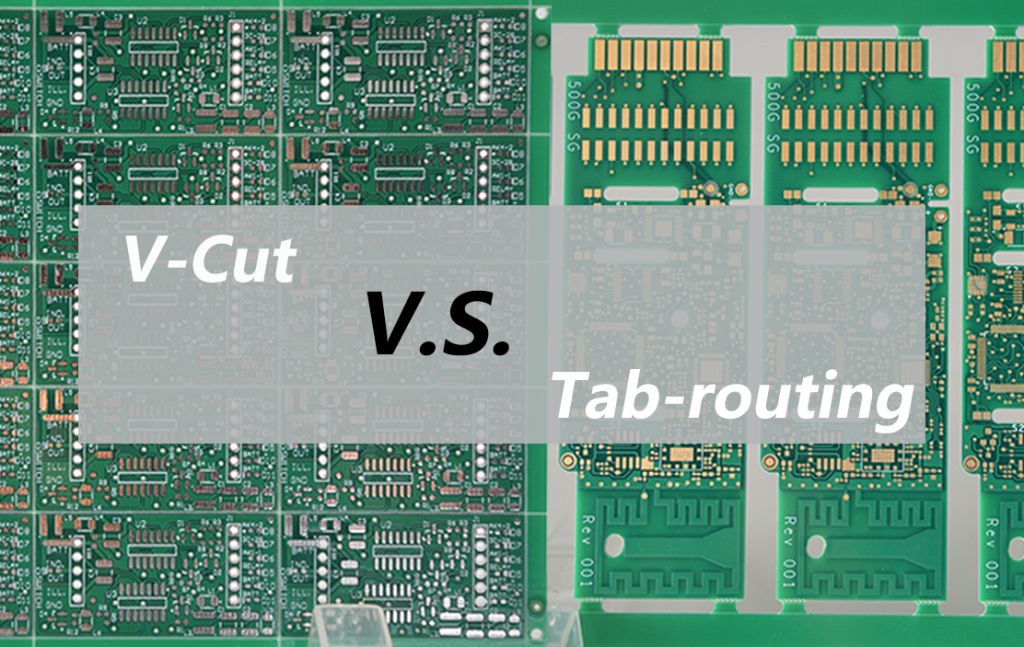
Are you ready to learn how to cut a printed circuit board (PCB) like a pro? Whether you’re working on a DIY project or fixing your electronics, knowing the right way to cut a PCB can save you time and avoid costly mistakes.
You’ll discover simple, effective techniques that anyone can follow. By the end, you’ll feel confident handling your boards with precision and care. Keep reading to unlock the secrets to clean, accurate PCB cuts that make your projects look professional.
Tools Needed For Pcb Cutting
Cutting a printed circuit board (PCB) requires the right tools. Using proper equipment helps make clean, precise cuts.
This guide covers the essential tools and safety gear you need for PCB cutting tasks.
Essential Cutting Tools
You need tools that can cut through the fiberglass and copper layers of a PCB without damaging it.
- Coping saw or fine-toothed hacksaw for straight cuts
- Rotary tool with a cutting disc for curves and detailed cuts
- PCB shear for quick and clean straight edges
- Utility knife or scoring tool for thin boards
- Sandpaper or file to smooth rough edges after cutting
Safety Equipment
Protecting yourself while cutting PCBs is very important. Small particles and sharp edges can cause injury.
| Safety Gear | Purpose |
| Safety goggles | Protect eyes from flying debris |
| Dust mask | Prevent inhaling fiberglass dust |
| Gloves | Shield hands from sharp edges and cuts |
| Long sleeves | Protect skin from irritants and cuts |

Credit: www.electronicsandyou.com
Preparing The Pcb For Cutting
Cutting a printed circuit board (PCB) requires careful preparation. Proper steps help avoid damage to the board and components.
This guide covers how to mark the cut lines and secure the board before cutting.
Marking The Cut Lines
Marking the cut lines clearly helps you cut the PCB accurately. Use a fine-tip permanent marker or a scribe tool for precision.
- Clean the PCB surface to remove dust and oil.
- Identify the exact points where the board needs to be cut.
- Draw straight lines on the board with a ruler or straight edge.
- Double-check measurements before proceeding.
- Mark both sides of the PCB if possible.
Securing The Board
Securing the PCB firmly prevents slipping and ensures a straight cut. Use clamps or a vise to hold the board in place.
| Tool | Purpose | Tip |
| Clamps | Hold PCB on work surface | Use soft pads to avoid board damage |
| Vise | Provide a strong grip | Do not overtighten to avoid bending |
| Non-slip mat | Prevent movement under the board | Place under PCB before clamping |
Cutting Techniques
Cutting a printed circuit board (PCB) requires care and the right tools. You can choose from several methods to get a clean cut.
Each technique has its own benefits depending on your tools and the precision you need. Read about four common cutting methods below.
Using A Pcb Shear
A PCB shear is a tool designed to cut boards quickly and cleanly. It works like a pair of scissors but with stronger blades.
To use a PCB shear, place the board between the blades and press firmly. The shear creates a straight cut without much effort.
Scoring With A Utility Knife
Scoring means making a shallow cut along the line where you want to break the PCB. Use a sharp utility knife for this.
- Place the PCB on a flat surface with a cutting mat underneath.
- Draw a straight line where you want to cut.
- Run the knife along the line several times to score the board.
- Snap the board gently along the scored line.
Employing A Rotary Tool
A rotary tool with a cutting wheel can trim a PCB for detailed shapes. It works well for curves and small cuts.
Use safety glasses and work slowly to avoid cracks. Keep the tool steady for clean edges.
Laser Cutting Options
| Laser Type | Precision | Cost | Speed |
|---|---|---|---|
| CO2 Laser | High | Medium | Fast |
| Fiber Laser | Very High | High | Medium |
| UV Laser | Extreme | Very High | Slow |
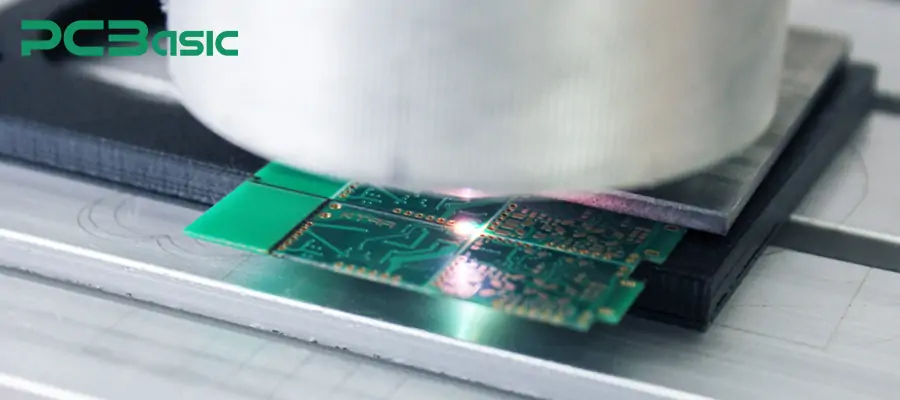
Laser cutting offers precise and clean cuts without physical contact. It suits complex designs and thin PCBs.
Handling Different Pcb Materials
Cutting printed circuit boards (PCBs) needs care and the right tools. Different PCB materials react differently to cutting methods.
This guide explains how to handle FR4 boards, flexible PCBs, and metal-core PCBs safely and correctly.
Fr4 Boards
FR4 is a common material made from woven fiberglass and epoxy resin. It is rigid and strong but can chip if cut wrongly.
- Use a fine-toothed saw or a PCB cutter for straight cuts.
- Support the board fully to avoid bending or cracking.
- Cut slowly to reduce dust and prevent overheating.
- Wear safety glasses to protect from tiny fiberglass particles.
Flexible Pcbs
Flexible PCBs are thin and bendable. They need gentle handling to avoid damage to the copper traces.
Tips for cutting flexible PCBs:
- Use sharp scissors or a craft knife with a new blade.
- Cut on a flat, stable surface to keep the board steady.
- Avoid bending the board near the cut line.
- Mark your cut line clearly to prevent mistakes.
Metal-core Pcbs
Metal-core PCBs have a metal base for heat dissipation. Cutting needs special tools because metal is tough.
| Tool | Use | Notes |
|---|---|---|
| Diamond blade saw | Cutting metal base | Provides clean cuts; reduces metal burrs |
| Metal snips | Small adjustments | Good for thin metal layers only |
| File | Smoothing edges | Removes sharp edges after cutting |
Post-cutting Finishing Tips
After cutting your printed circuit board, it is important to finish the edges and clean the surface. This helps prevent damage and ensures good electrical connections.
Follow these tips to make your board safer to handle and ready for use in your projects.
Smoothing Edges
Cut edges of a printed circuit board can be rough and sharp. Smoothing them reduces the risk of cuts and helps avoid damage to other parts.
- Use fine-grit sandpaper to gently smooth the edges.
- File any sharp corners carefully with a small metal file.
- Clean dust from sanding before handling the board.
- Wear gloves if the edges still feel sharp after smoothing.
Cleaning The Board
Cleaning your printed circuit board removes dust, oils, and debris. This makes soldering easier and improves electrical contact.
| Cleaning Method | Materials Needed | Purpose |
|---|---|---|
| Isopropyl Alcohol Wipe | Isopropyl alcohol, lint-free cloth | Removes oils and grease |
| Compressed Air | Compressed air can | Blows away dust and particles |
| Brush Cleaning | Soft brush | Clears debris from tight spots |
| Water Rinse | Distilled water | Removes loose dirt (dry quickly after) |

Credit: blog.gespcb.com
Common Mistakes To Avoid
Cutting a printed circuit board (PCB) requires care and precision. Mistakes can damage the board or parts.
Knowing the common errors helps you work safely and get good results every time.
Using The Wrong Tools
Not all tools are fit for cutting PCBs. Using dull or incorrect tools can cause rough edges or cracks.
Always use a fine-toothed saw or a PCB cutter designed for the job. Avoid scissors or large blades.
Ignoring Safety Precautions
Cutting PCBs creates dust and sharp edges. Not protecting yourself risks injury or health issues.
- Wear safety goggles to protect your eyes.
- Use gloves to avoid cuts from sharp edges.
- Work in a well-ventilated area to reduce dust inhalation.
Cutting Without A Guide
Freehand cutting often results in uneven or crooked edges. This can cause fitting problems later.
Use a ruler or straight edge to mark the cut line. Secure the PCB before cutting to keep it steady.
Applying Too Much Pressure
Pressing hard while cutting can crack the board or damage the copper tracks.
| Mistake | Effect |
| Too much pressure | Board cracks or breaks |
| Too little pressure | Uneven cuts or prolonged work |
| Incorrect angle | Slanted cuts and poor fit |
Not Cleaning The Board After Cutting
Cutting leaves dust and small debris on the PCB surface. Leaving this can cause shorts or poor soldering.
Clean the board with a soft brush or cloth. Use isopropyl alcohol for better results.
Maintaining Your Cutting Tools
Cutting printed circuit boards (PCBs) requires sharp and precise tools. Keeping your tools in good shape helps you cut clean lines and avoid damage.
Regular care extends the life of your tools and makes your work easier. Learn how to maintain your cutting tools properly.
Clean Your Tools After Each Use
Dust and debris build up on cutting tools after working on PCBs. Clean them to keep blades sharp and accurate.
Use a soft brush or cloth to remove small particles. Avoid water on metal parts to prevent rust.
Sharpen Blades Regularly
Dull blades cause rough cuts and damage your PCB. Sharpen blades often to keep cuts smooth and precise.
- Use a sharpening stone or tool made for blades
- Follow the blade’s angle when sharpening
- Check blade sharpness before each project
Store Tools Properly
Store your cutting tools in a dry and safe place. This prevents damage and rust over time.
Use protective cases or covers to keep blades safe and prevent accidents.
Lubricate Moving Parts
Some cutting tools have moving parts that need oil to work smoothly. Lubricate these parts regularly.
Use light machine oil and apply only a small amount. Wipe off extra oil to avoid attracting dust.
Inspect Tools For Damage
Check your tools before each use for cracks, chips, or loose parts. Damaged tools can cause poor cuts or injury.
- Look for bent blades or handles
- Tighten screws and fasteners
- Replace parts that are worn out
Credit: www.pcbasic.com
Frequently Asked Questions
How Do You Safely Cut A Printed Circuit Board?
Use a fine-toothed saw or PCB cutter to score the board gently. Wear safety glasses and cut slowly to avoid damage and injury.
What Tools Are Best For Cutting Pcbs?
A PCB shear, rotary tool, or fine-toothed saw are ideal. Choose based on board thickness and desired cut precision for best results.
Can I Cut A Pcb Without Damaging Circuits?
Yes, by scoring the board along the designated line and cutting slowly. Avoid applying excessive pressure to protect circuit traces.
How To Prepare A Pcb Before Cutting?
Clean the board to remove dust and oils. Mark the cutting line clearly with a permanent marker for accuracy.
Conclusion
Cutting a printed circuit board takes care and the right tools. Small mistakes can cause damage or poor connections. Always measure twice before cutting to avoid errors. Use a steady hand and follow safety steps closely. Clean the board after cutting to remove dust and debris.
Practice on scrap pieces to build confidence. With patience, you can cut boards neatly and safely. Keep your workspace organized and stay focused. This helps you make precise cuts every time. Your projects will look better and work well.