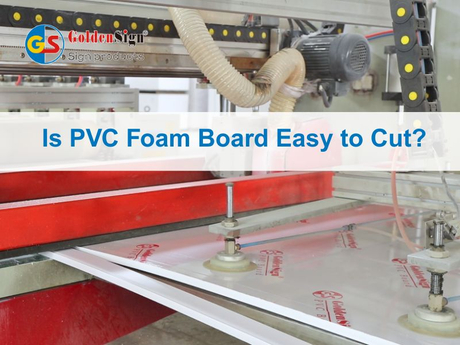
Are you ready to work with PVC board but unsure how to cut it cleanly and safely? Cutting PVC board might seem tricky at first, but with the right tools and simple steps, you can get perfect cuts every time.
Whether you’re tackling a DIY project or fixing something around the house, knowing the right cutting techniques saves you time, effort, and frustration. Keep reading, and you’ll discover easy tips that make cutting PVC board straightforward and stress-free. Your next project is about to get a whole lot smoother.

Credit: m.youtube.com
Choosing The Right Tools
Cutting PVC board requires the right tools to get clean and accurate cuts. Using improper tools can damage the board or cause injury. It is important to understand which tools work best and how to use them safely.
This guide explains the differences between hand saws and power saws. It also covers the essential safety gear you should wear when cutting PVC boards.
Hand Saws Vs Power Saws
Hand saws are simple tools that work well for small PVC boards or thin sheets. They give you more control but require more effort and time. Power saws are faster and better for thick or large boards. They need careful handling to avoid mistakes.
| Tool Type | Best For | Advantages | Disadvantages |
|---|---|---|---|
| Hand Saw | Thin PVC sheets, small cuts | More control, low cost, no power needed | Slower, more effort, less precise on thick boards |
| Power Saw | Thick boards, long or many cuts | Fast, precise, less physical effort | Needs power, higher risk, more expensive |
Essential Safety Gear
Safety gear protects you from injuries while cutting PVC boards. Always wear the right equipment before starting your work. This helps prevent accidents and keeps you safe.
- Safety goggles to protect your eyes from dust and chips
- Gloves to shield your hands from sharp edges and tools
- Dust mask to avoid breathing in fine plastic particles
- Ear protection if using noisy power saws
- Long sleeves to protect your arms from scratches
Preparing The Pvc Board
Cutting a PVC board starts with careful preparation. This helps ensure smooth and precise cuts.
Two important steps before cutting are measuring and marking accurately, and securing the board properly.
Measuring And Marking Accurately
Measure the PVC board carefully using a tape measure or ruler. Mark the cut lines clearly with a pencil or marker.
- Use a straight edge for drawing lines.
- Double-check all measurements before marking.
- Mark both sides of the board if possible.
- Keep your marks thin to avoid confusion.
- Use masking tape on the cut line for cleaner edges.
Securing The Board For Cutting
Hold the PVC board firmly in place before cutting. This prevents slips and ensures a straight cut.
| Method | Description | Tip |
| Clamps | Use clamps to fix the board to a stable workbench. | Place clamps near the cut line but not in the path. |
| Non-slip mat | Put a rubber mat under the board to stop sliding. | Works well on smooth surfaces. |
| Assistant | Have someone hold the board steady if clamps are not available. | Make sure they keep fingers away from the blade. |
Cutting Techniques
Cutting PVC board requires the right tools and methods for clean results. Using proper techniques saves time and prevents damage.
This guide covers straight cuts, curved cuts, and tips to avoid common mistakes.
Straight Cuts
For straight cuts, use a fine-tooth saw or a utility knife. Measure carefully and mark your cut line clearly. Clamp the board to keep it steady.
Cut slowly along the line to avoid rough edges or cracks. Sand the edge lightly after cutting for a smooth finish.
Curved Cuts
Curved cuts need more control. A jigsaw with a fine blade works well. Draw your curve clearly before cutting.
- Use a slow speed on the jigsaw to prevent chipping.
- Keep the blade perpendicular to the board for a clean edge.
- Support the board firmly to avoid bending.
- Sand curves carefully to smooth rough spots.
Avoiding Common Mistakes
| Mistake | Cause | Tip |
|---|---|---|
| Cracked Edges | Cutting too fast | Cut slowly and steadily |
| Uneven Cuts | Improper marking | Use a straight edge or template |
| Blade Damage | Wrong blade type | Use fine-tooth or plastic blades |
| Board Bending | Insufficient support | Clamp board firmly |
Credit: www.pvcfoamsheet.com
Finishing The Edges
Cutting PVC board leaves rough edges that need smoothing. Finishing edges improves the look and safety of your project.
Use sanding, smoothing, and cleaning to get clean, even edges on your PVC board.
Sanding Methods
Sanding helps remove rough spots and sharp edges from the PVC board. Use fine-grit sandpaper for best results.
Sand in one direction to avoid scratches. Check the edge often to see if it is smooth enough.
- Start with 120-grit sandpaper for rough edges
- Use 220-grit sandpaper for a smoother finish
- Finish with 400-grit sandpaper to polish the edge
- Use a sanding block to keep the surface even
Smoothing And Cleaning
After sanding, smooth the edges with a plastic scraper or file. This removes any leftover rough spots.
Clean the edge with a damp cloth to remove dust. This keeps your project neat and ready for use or painting.
Tips For Best Results
Cutting PVC board can be easy with the right tools and safety steps. Using sharp tools and a clean workspace helps you get smooth cuts. Careful preparation makes the job faster and safer.
Keep your tools in good shape and always protect yourself. This guide shares useful tips for best results when cutting PVC boards.
Maintaining Tools
Sharp, clean tools cut PVC boards better. Dull blades cause rough edges and waste material. Check your saw blades and knives before starting. Replace or sharpen them if needed.
- Clean tools after each use to avoid build-up.
- Sharpen blades regularly for smooth cuts.
- Lubricate moving parts to keep tools working well.
- Store tools in a dry place to prevent rust.
Working In Safe Environments
Safety is key when cutting PVC boards. Always work in a well-lit, clean space. Wear protective gear like gloves and safety glasses to avoid injuries.
| Safety Tip | Reason |
| Wear safety glasses | Protect eyes from flying debris |
| Use gloves | Protect hands from sharp edges |
| Keep workspace clean | Prevent slips and trips |
| Use dust mask | Avoid inhaling plastic dust |
| Secure PVC board firmly | Prevent movement while cutting |
Credit: www.jlconline.com
Frequently Asked Questions
What Tools Do You Need To Cut Pvc Board?
To cut PVC board, you’ll need a measuring tape, pencil, straight edge, and a saw. Use a handsaw for small projects. A circular saw is ideal for larger cuts. Ensure your saw blade is fine-toothed for a smooth finish.
Can You Cut Pvc Board With A Jigsaw?
Yes, a jigsaw can cut PVC board effectively. Use a fine-toothed blade for cleaner cuts. Ensure the board is secured before cutting. Move the jigsaw steadily along the marked line for accuracy. This tool is great for curved or intricate cuts.
How To Ensure Straight Cuts On Pvc Board?
To ensure straight cuts, use a straight edge as a guide. Mark your cut line clearly with a pencil. Secure the board firmly to prevent movement. Cut slowly and steadily, following the marked line closely. A circular saw with a guide rail can enhance precision.
Is It Safe To Cut Pvc Board Indoors?
Cutting PVC board indoors is safe with proper precautions. Ensure good ventilation to reduce dust inhalation. Wear safety goggles and a dust mask for protection. Clean up dust immediately to maintain a safe workspace. Using a vacuum attachment on your saw can also help.
Conclusion
Cutting PVC board is simple with the right tools and care. Always measure twice to avoid mistakes. Use a sharp blade and steady hands for clean cuts. Take your time and work safely to protect yourself. Practice on a scrap piece before the final cut.
This way, your project will look neat and professional. Now, you can cut PVC boards confidently and get great results.