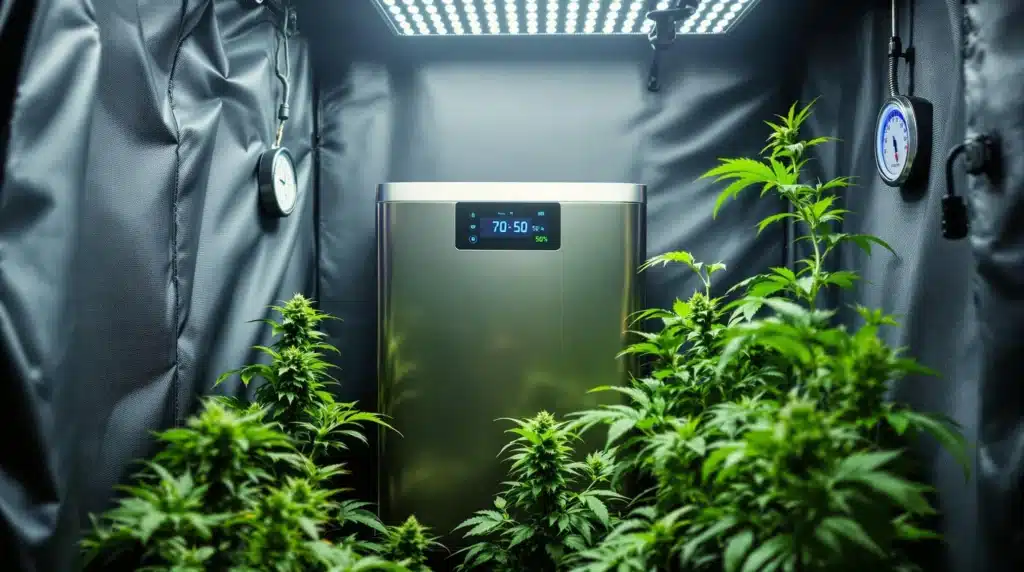
Are you struggling with high humidity in your grow tent? Excess moisture can harm your plants, cause mold, and stunt growth.
But don’t worry—there are simple, effective ways to bring humidity down and create the perfect environment for your plants to thrive. You’ll discover easy steps you can take right now to control humidity and boost your grow tent’s success. Keep reading to learn how to protect your plants and get the best results from your indoor garden.

Credit: www.reddit.com
Causes Of High Humidity In Grow Tents
Humidity levels inside grow tents can rise due to many reasons. High humidity may harm plants by causing mold or slowing growth.
Understanding what raises humidity helps growers control the environment better. This guide covers four main causes.
Plant Transpiration Effects
Plants release water vapor through tiny pores called stomata. This process is called transpiration. It adds moisture to the air inside the tent.
More leaves or larger plants increase transpiration. This raises humidity, especially during warm parts of the day.
Watering Practices
Overwatering plants or spilling water inside the tent can cause high humidity. Wet soil and standing water evaporate and add moisture.
- Water plants only when needed
- Use proper drainage to avoid standing water
- Water early in the day to allow drying
Ventilation Issues
Poor airflow traps humid air inside the grow tent. Without fresh air, moisture builds up quickly.
- Condensation on tent walls
- Stale or musty smell
- Leaves curling or wilting
Environmental Factors
| Factor | Effect on Humidity |
| Outside Temperature | Warm air holds more moisture |
| Outdoor Humidity | High external humidity raises tent humidity |
| Season | Rainy seasons increase moisture levels |
| Location | Basements or humid areas raise tent moisture |
Tools To Measure Humidity
Measuring humidity in your grow tent is important for plant health. It helps you keep the right moisture levels.
There are different tools to check humidity. Each tool has its own way to show you the moisture in the air.
Hygrometers
Hygrometers are simple tools that measure humidity. They often use a dial or needle to show the level.
These are easy to use and do not need batteries. You can place them inside the grow tent to watch humidity changes.
Digital Meters
Digital meters give a quick and clear humidity reading. They show numbers on a screen, making it easy to read.
Many digital meters also measure temperature. They need batteries and can be more accurate than basic hygrometers.
- Displays humidity in percent
- Often includes temperature readings
- Portable and easy to reset
Smart Sensors
Smart sensors connect to your phone or computer. They send humidity data so you can check it remotely.
These sensors often track humidity and other conditions. Some can alert you if levels go too high or low.
- Wi-Fi or Bluetooth connection
- Real-time monitoring on apps
- Custom alerts for humidity changes
Ventilation Strategies
Controlling humidity in a grow tent is important for healthy plants. Good ventilation helps lower moisture levels.
Using the right airflow tools can keep humidity in the right range. This guide explains key ventilation strategies.
Using Exhaust Fans
Exhaust fans remove moist air from the grow tent. They pull humid air out and bring fresh air in.
Place the exhaust fan near the top of the tent where hot, moist air rises. Run it regularly to keep humidity low.
- Choose a fan size that fits your tent volume
- Use a fan speed controller for better humidity control
- Keep the fan clean to maintain airflow
Intake Airflow
Fresh air must enter the grow tent to replace exhausted air. This lowers humidity and provides oxygen to plants.
Use passive or active intake vents at the bottom of the tent. Make sure the intake is large enough for good airflow.
- Passive intake uses open vents without a fan
- Active intake uses a small fan to pull air in
- Keep intake areas clean and free of blockages
Oscillating Fans
Oscillating fans move air inside the grow tent. This helps dry wet leaves and stops stagnant air pockets.
Place fans so they create a gentle breeze over plants. Avoid pointing fans directly at plants to prevent stress.
- Use small oscillating fans for even air movement
- Run fans continuously or on a timer
- Adjust fan speed to keep airflow gentle
Dehumidifiers For Grow Tents
Controlling humidity in a grow tent is important for plant health. Dehumidifiers help maintain ideal moisture levels.
Choosing the right dehumidifier ensures your plants thrive. Let’s explore key factors to consider.
Choosing The Right Size
Selecting the correct size dehumidifier is crucial. It should match your grow tent’s capacity for effective humidity control.
- Measure your grow tent’s volume in cubic feet.
- Check the dehumidifier’s capacity, usually in pints per day.
- Ensure it handles the tent’s volume comfortably.
Placement Tips
Where you place the dehumidifier affects its performance. Proper placement ensures even humidity reduction.
Ensure air can flow freely around the unit. Avoid blocking vents with plants or equipment.
Maintenance Guidelines
Regular maintenance keeps your dehumidifier efficient. Follow these simple steps to ensure longevity.
| Task | Frequency |
| Clean filters | Weekly |
| Empty water tank | Daily |
| Check for leaks | Monthly |
Keep the dehumidifier in top shape for consistent humidity control in your grow tent.
Watering Techniques To Reduce Humidity
Managing humidity in a grow tent is important for healthy plants. Watering methods affect humidity levels inside the tent.
Using the right watering techniques helps keep the air dry and plants thriving.
Timing And Frequency
Water plants early in the day to allow moisture to evaporate. Avoid watering late at night to reduce dampness.
Water only when soil feels dry. Too much watering increases humidity inside the tent.
Drainage Importance
Good drainage prevents water from sitting in pots. Standing water raises humidity and harms roots.
| Drainage Tip | Reason |
| Use pots with holes | Allows excess water to escape |
| Place trays under pots | Catch runoff but empty daily |
| Add perlite to soil mix | Improves soil drainage |
Avoiding Overwatering
Overwatering causes excess moisture in the grow tent. It raises humidity and risks mold growth.
- Check soil moisture before watering
- Water only the amount plants need
- Use moisture meters for accuracy
- Let soil dry out between watering

Credit: www.reddit.com
Temperature Control And Humidity
Keeping the right temperature and humidity in a grow tent is important. It helps plants grow healthy and strong.
This guide covers heating options, cooling methods, and how they affect moisture levels inside your tent.
Heating Options
Heating keeps the grow tent warm during cold weather. Proper heat control prevents high humidity and mold growth.
- Use a small electric heater with a thermostat.
- Place heat mats under plant trays for root warmth.
- Seal any gaps to keep warm air inside the tent.
- Avoid overheating to stop humidity from rising.
Cooling Methods
Cooling lowers the temperature and helps control humidity. It stops plants from getting too hot or stressed.
| Cooling Method | Description | Effect on Humidity |
| Inline Fans | Move air out of the tent | Reduces moisture |
| Oscillating Fans | Circulate air inside the tent | Prevents stagnant, moist air |
| Air Conditioners | Lower temperature and remove moisture | Significantly lowers humidity |
| Dehumidifiers | Extract water vapor from air | Controls high humidity levels |
Impact On Moisture Levels
Temperature changes affect how much water vapor stays in the air. Warm air holds more moisture than cool air.
- Heating can dry the air if not too high.
- Cooling lowers temperature and reduces moisture.
- Poor ventilation traps moisture and raises humidity.
- Use fans and dehumidifiers to balance moisture levels.
Using Absorbent Materials
Humidity can harm plants in your grow tent. Using absorbent materials helps lower moisture in the air. These materials soak up water and keep the environment dry.
Absorbent materials are easy to use and do not need power. They work well with other ways to control humidity.
Silica Gel Packs
Silica gel packs are small packets filled with silica beads. These beads absorb moisture from the air. They help keep the grow tent dry and safe for plants.
You can place silica gel packs around your grow tent. Replace them when they become full of water. Some packs can be dried and reused.
- Easy to place anywhere in the tent
- Works well in small spaces
- Reusable if dried properly
- Safe and odorless
Charcoal Bags
Charcoal bags use activated charcoal to absorb moisture and odors. They help keep air fresh and reduce humidity. Charcoal also prevents mold growth in the tent.
Place charcoal bags near plants or air vents. They usually last a few months before needing replacement. These bags are natural and safe to use.
- Absorbs moisture and odors
- Natural and eco-friendly
- Prevents mold and mildew
- Long-lasting for several months
Desiccant Options
Desiccants are materials that absorb or adsorb moisture. Common desiccants include clay, calcium chloride, and silica gel. They help control humidity levels in grow tents.
Choose a desiccant based on your tent size and humidity level. Some desiccants need to be replaced often. Others can be reactivated by drying them out.
| Desiccant Type | Features | Replacement |
|---|---|---|
| Clay | Natural and affordable | Replace monthly |
| Calcium Chloride | Very effective for high humidity | Replace as needed |
| Silica Gel | Reusable after drying | Dry and reuse |
Plant Selection And Arrangement
Humidity control is important inside a grow tent. Choosing the right plants and arranging them well helps reduce moisture in the air.
This guide explains how low transpiration plants, good spacing, and pruning can lower humidity effectively.
Low Transpiration Plants
Some plants release less water through their leaves. These plants create less humidity in the grow tent.
Choosing low transpiration plants helps keep the air drier and better for all your crops.
- Succulents like aloe vera and jade plant
- Herbs such as rosemary and thyme
- Cacti varieties that store water inside
- Snake plants that need little water
Spacing For Airflow
Plants too close together block airflow. This traps moisture and raises humidity levels.
Leave enough space between plants to let air flow freely around them.
- Keep at least 6-12 inches between small plants
- Space larger plants 12-18 inches apart
- Use shelves or tiers to separate plants vertically
- Arrange taller plants on one side for better air movement
Pruning Techniques
Pruning removes extra leaves and branches. This lowers the total leaf area that releases water vapor.
Regular pruning helps keep plants healthy and reduces humidity inside the tent.
- Trim dead or yellow leaves to prevent decay
- Cut back dense growth to open up airflow
- Remove lower leaves that touch the soil or floor
- Prune after watering to avoid stress on plants
Routine Maintenance For Humidity Control
Keeping humidity in check inside your grow tent is important for plant health. Routine maintenance helps you control moisture levels effectively.
Simple upkeep tasks can prevent high humidity that causes mold and mildew. Regular checks keep your grow environment stable.
Cleaning Fans And Filters
Fans and filters move air and reduce moisture buildup. Dust and dirt on them lower their efficiency and raise humidity.
- Turn off and unplug fans before cleaning
- Remove dust with a soft brush or cloth
- Wash filters gently with water and let them dry fully
- Check for damaged parts and replace if needed
- Clean fans and filters every two weeks
Inspecting Seals
Seals keep your grow tent airtight. Broken seals let humid air enter, raising moisture inside.
| Seal Area | What to Check | Action |
| Zippers | Look for gaps or tears | Replace or repair damaged zipper |
| Corners and Edges | Check for loose seams | Use tape or sewing to fix leaks |
| Vents | Ensure vents close tightly | Adjust or seal vent covers |
Monitoring Humidity Levels
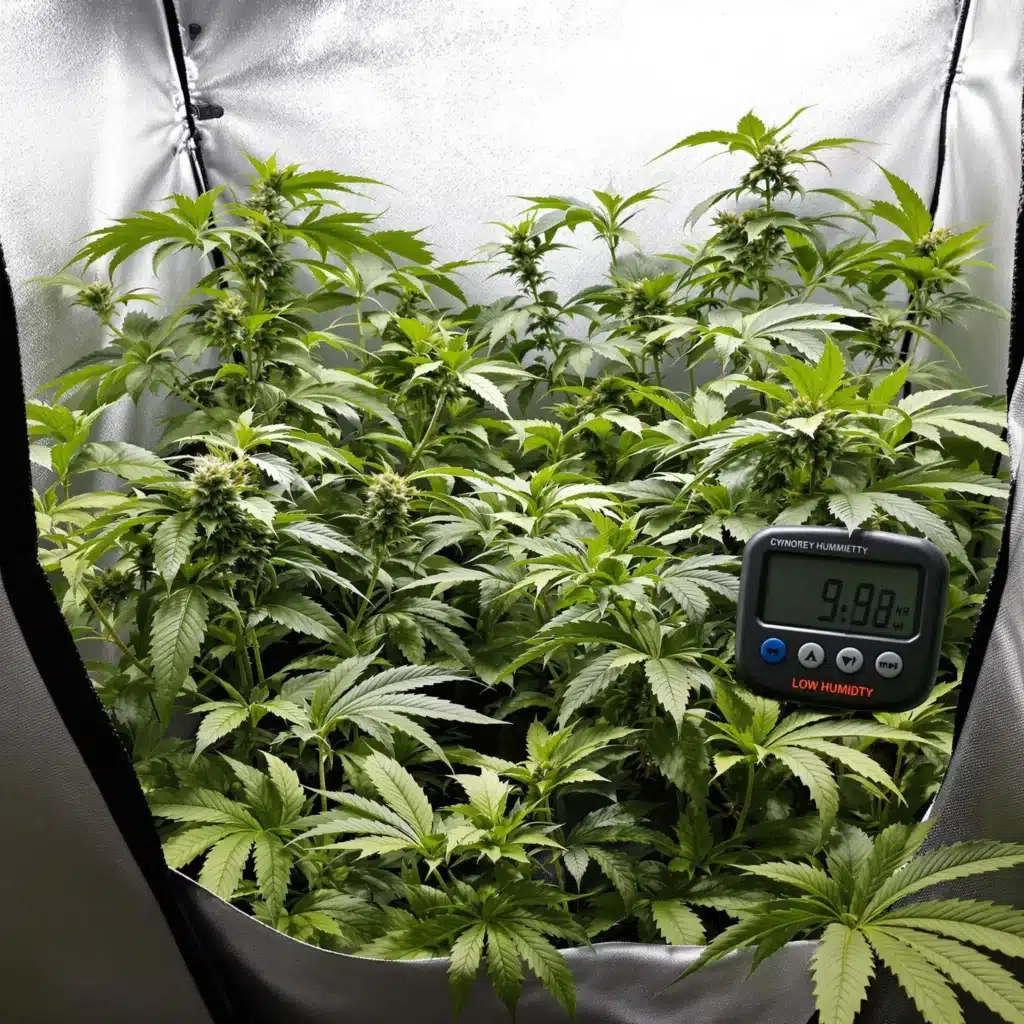
Watch humidity levels daily to keep them in the ideal range. Use tools to track and adjust as needed.
- Use a reliable hygrometer inside the tent
- Place the device at plant canopy height
- Record humidity readings twice a day
- Adjust ventilation or add dehumidifiers if levels rise
Credit: blimburnseeds.com
Frequently Asked Questions
How Can I Reduce Humidity In My Grow Tent Naturally?
To reduce humidity naturally, improve ventilation with exhaust fans and intake vents. Use moisture-absorbing materials like silica gel or activated charcoal inside the tent. Avoid overwatering plants and prune excess foliage to increase airflow and reduce moisture buildup.
What Role Does Ventilation Play In Controlling Grow Tent Humidity?
Ventilation helps remove moist air and introduces fresh, dry air. Proper airflow prevents condensation and mold growth. Exhaust fans and oscillating fans maintain consistent air movement, lowering humidity levels effectively inside the grow tent.
Can A Dehumidifier Effectively Lower Grow Tent Humidity?
Yes, a dehumidifier can efficiently reduce humidity by extracting excess moisture. It is ideal for controlling humidity in enclosed grow tents, especially in humid climates or during flowering stages when low humidity is crucial.
How Does Temperature Affect Humidity In A Grow Tent?
Higher temperatures increase humidity as warm air holds more moisture. Maintaining optimal temperature controls condensation and reduces humidity spikes. Use heaters or air conditioners to stabilize temperature and manage humidity levels precisely.
Conclusion
Controlling humidity keeps your plants healthy and strong. Use fans and vents to move air inside the tent. A dehumidifier helps reduce moisture quickly. Avoid overwatering to stop excess humidity. Check humidity levels daily to keep them balanced. Small steps make a big difference in your grow tent.
Keep these tips in mind for better plant growth. Stay patient and watch your garden thrive.