
Is your washer and dryer working harder than they should? Over time, dirt, soap scum, and lint build up inside, making your machines less efficient and even causing unpleasant odors.
You might not realize it, but a deep clean can bring your appliances back to life, saving you money and extending their lifespan. In this guide, you’ll learn simple, step-by-step methods to deep clean your washer and dryer like a pro.
Keep reading to discover how a little effort can make a big difference in your laundry routine.

Credit: thesavvysparrow.com
Preparing For Deep Cleaning
Deep cleaning your washer and dryer helps them work better. It also removes dirt and smells.
Before you start, you need to get ready. This guide covers what to do first.
Gathering Cleaning Supplies
Collect all cleaning items before you begin. This saves time and makes cleaning easier.
- White vinegar
- Baking soda
- Soft cloths or sponges
- Old toothbrush
- Bucket or bowl
- Rubber gloves
- Mild detergent
- Vacuum cleaner with hose attachment
Safety Precautions
Cleaning machines can be risky without care. Follow safety rules to avoid accidents.
Wear gloves to protect your hands. Avoid mixing strong chemicals that can cause fumes.
- Use gloves to protect skin
- Work in a well-ventilated area
- Do not mix vinegar with bleach
- Keep cleaning supplies away from children
- Read labels on cleaning products
Unplugging And Moving Appliances
Unplug your washer and dryer before cleaning. This prevents electric shocks.
Carefully move the machines away from the wall. This helps you clean behind and under them.
- Turn off power at the outlet
- Unplug the washer and dryer
- Disconnect water hoses from the washer
- Move machines slowly to avoid damage
- Have a towel ready for any water spills

Credit: www.selecthomewarranty.com
Cleaning The Washer
Keeping your washer clean helps it work better and last longer. Dirt, detergent, and mold can build up inside. Regular deep cleaning removes these problems.
This guide explains how to clean key parts of your washer. Follow these simple steps to keep your machine fresh and efficient.
Removing And Cleaning Detergent Dispensers
Detergent dispensers collect soap and softener residue. Take them out carefully before cleaning. This helps stop clogs and bad smells.
Use warm water and a soft brush to scrub away buildup. Rinse well to remove soap leftovers. Dry the dispensers fully before putting them back.
- Remove dispenser trays according to your washer’s manual
- Soak trays in warm soapy water for 15 minutes
- Scrub with an old toothbrush to reach small corners
- Rinse with clean water and dry with a cloth
- Reinstall trays firmly in their slots
Cleaning The Drum And Door Seal
The drum and door seal hold dirt and lint after many washes. Clean them to prevent smells and damage. Use a soft cloth and mild cleaner.
Check the door seal for small objects or mold. Wipe the rubber seal carefully to remove all dirt and moisture. This keeps the washer safe and clean.
- Open the washer door fully
- Use a damp cloth with mild detergent to wipe the drum
- Inspect the rubber door seal for debris and mold
- Wipe inside the folds of the seal gently
- Dry the seal and drum with a clean towel
Running A Cleaning Cycle
Many washers have a cleaning cycle designed to clear dirt inside. Use it regularly for a deep clean. This helps keep your washer fresh.
If your washer lacks this cycle, run a hot water wash with cleaning agents. This removes soap and grime from hidden parts.
- Check your washer’s manual for a cleaning cycle option
- Use washing machine cleaner or white vinegar
- Run the cleaning cycle or a hot wash at 60°C or higher
- Leave the door open after the cycle to dry inside
Dealing With Mold And Mildew
Mold and mildew cause bad smells and stains. They grow in damp areas like the drum and door seal. Clean these areas often to stop growth.
Use a mixture of water and white vinegar or baking soda to kill mold. Wipe affected parts well and keep the door open to dry after use.
- Mix equal parts water and white vinegar in a spray bottle
- Spray moldy areas and let sit for 10 minutes
- Scrub with a soft brush or cloth
- Rinse with clean water and dry thoroughly
- Leave the washer door open after each use to air dry
Cleaning The Dryer
Regularly cleaning your dryer keeps it safe and working well. Dust and lint can build up and cause problems.
Cleaning the dryer improves drying time and lowers fire risk. It also helps your clothes last longer.
Cleaning The Lint Trap
Remove the lint trap from the dryer. Use your fingers or a soft brush to clear lint from the screen.
Wash the lint trap with warm, soapy water if it is very dirty. Let it dry before putting it back.
Vacuuming The Dryer Vent
Unplug the dryer and pull it away from the wall. Detach the vent hose carefully from the back of the dryer.
Use a vacuum with a hose attachment to clean inside the vent hose and the wall vent. Remove as much lint as possible.
- Vacuum inside the vent hose
- Clean the vent opening in the wall
- Check for blockages and remove them
Wiping Down The Drum And Exterior
Open the dryer door and wipe the inside drum with a damp cloth. Use mild soap for any stains or residue.
Clean the dryer’s outside surfaces with a soft cloth and gentle cleaner. Dry all parts before use.
Checking And Cleaning The Dryer Duct
Inspect the dryer duct for damage or cracks. Replace it if you find any holes or tears.
Use a dryer duct brush to clean inside the duct. This removes lint and improves airflow.
- Look for damaged or loose sections
- Use a brush to clear lint inside
- Secure all connections tightly
Maintenance Tips For Fresh Laundry
Keeping your washer and dryer clean helps your clothes smell fresh. Regular maintenance prevents bad odors and damage.
Simple care steps can extend your appliances’ life. Follow these tips to get the best results from your laundry routine.
Regular Cleaning Schedule
Clean your washer and dryer often to stop dirt and soap buildup. This keeps your machines working well.
- Run a cleaning cycle on your washer every month using a washer cleaner or white vinegar.
- Wipe down the dryer drum and door seal weekly to remove lint and dust.
- Check and clean the lint trap after every dryer use to improve airflow.
- Inspect hoses and vents every few months to prevent clogs and leaks.
Using The Right Detergents
Choose detergents that match your washer type. Use the right amount to avoid residue and damage.
| Washer Type | Recommended Detergent | Amount per Load |
| High-Efficiency (HE) | HE detergent | Use less than regular detergent |
| Standard Washer | Regular detergent | Follow label instructions |
| Front Load Washer | HE or gentle detergent | Use small amounts |
Avoiding Overloading
Do not put too many clothes in the washer or dryer. Overloading stops proper cleaning and drying.
- Sort laundry by size and fabric type.
- Fill the washer drum no more than three-quarters full.
- Leave space in the dryer for air to circulate.
- Check the user manual for load size limits.
Keeping Appliances Dry
Moisture in washers and dryers causes mold and rust. Keep your machines dry to avoid this.
After using the washer, leave the door open for a few hours. This helps dry out the inside.
Wipe dry any wet areas around the door seals and detergent drawer.
Check the dryer vent for moisture and clean it regularly.
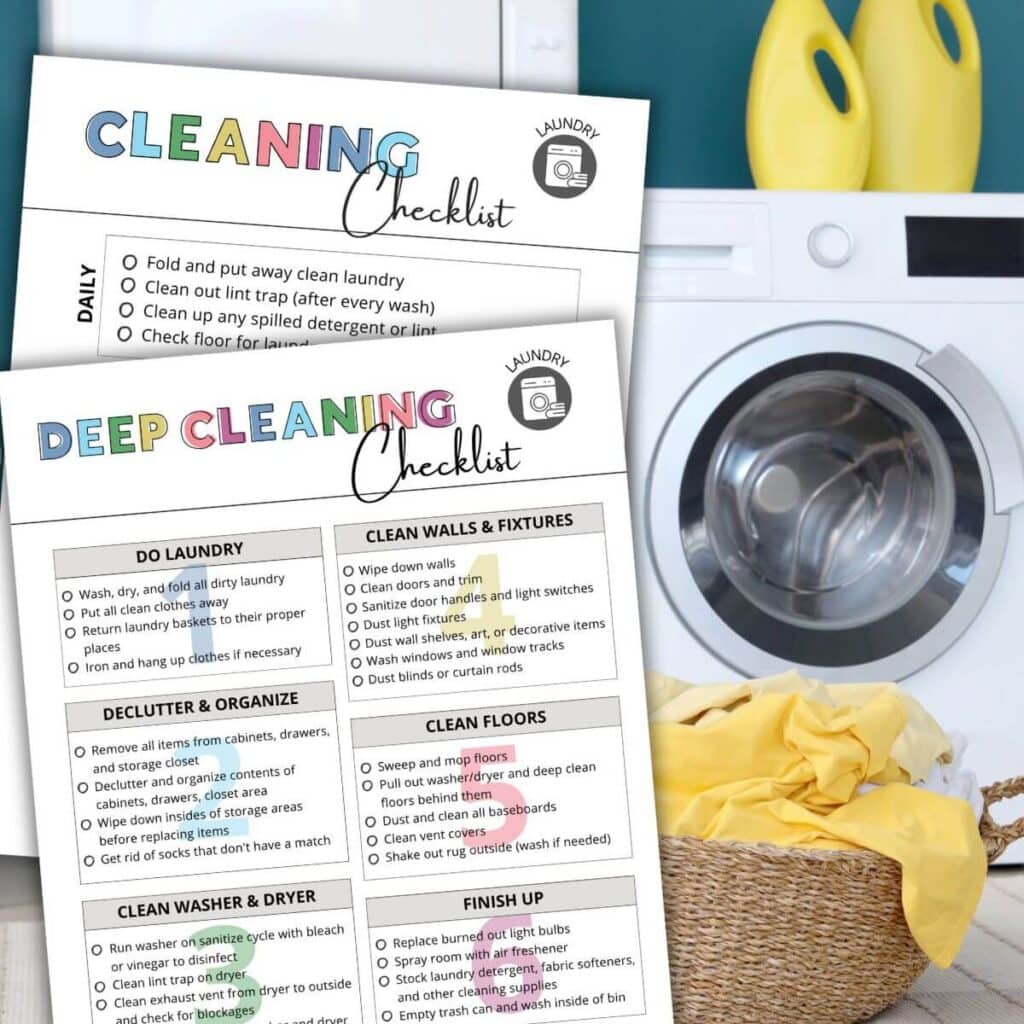
Credit: thesavvysparrow.com
Frequently Asked Questions
How Often Should I Deep Clean My Washer And Dryer?
Deep clean your washer and dryer every 3 to 6 months. Regular cleaning prevents mold, odors, and buildup. It ensures optimal performance and extends appliance life.
What Products Are Safe For Deep Cleaning Washers?
Use white vinegar, baking soda, and mild detergent. Avoid harsh chemicals that can damage parts. These natural cleaners effectively remove grime and odors safely.
How Do I Clean The Washer Drum Thoroughly?
Run a hot water cycle with 2 cups of white vinegar. Pause midway to let it soak. Then run another cycle with baking soda for full cleaning.
Can I Clean The Dryer Vent Myself?
Yes, use a vacuum or vent brush to remove lint. Clean the vent at least once a year to prevent fire hazards and improve efficiency.
Conclusion
Keeping your washer and dryer clean helps them work better and last longer. Regular deep cleaning stops bad smells and mold from growing. It also keeps your clothes fresh and bright after washing. Set a schedule to clean these machines every few months.
Small efforts now save you from big repairs later. Clean machines mean cleaner clothes and a healthier home. Start today, and enjoy the benefits of a fresh laundry routine. Simple steps make a big difference.