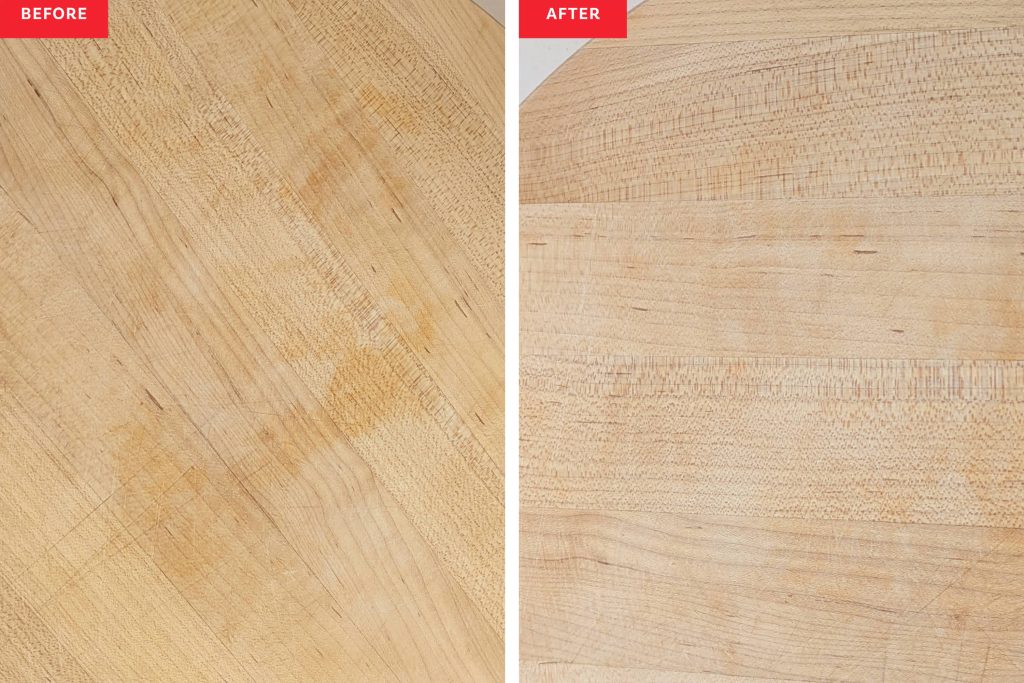
Your wooden cutting board is more than just a kitchen tool—it’s where you prepare your meals and bring flavors to life. But if it’s not cleaned properly, it can hide bacteria and stains that affect your food’s safety and taste.
You might think a quick rinse is enough, but deep cleaning your wooden cutting board is essential to keep it fresh, safe, and long-lasting. You’ll discover simple, effective steps to deep clean your cutting board, protect it from damage, and make it look like new again.
Keep reading to unlock the secrets to a cleaner, healthier kitchen!
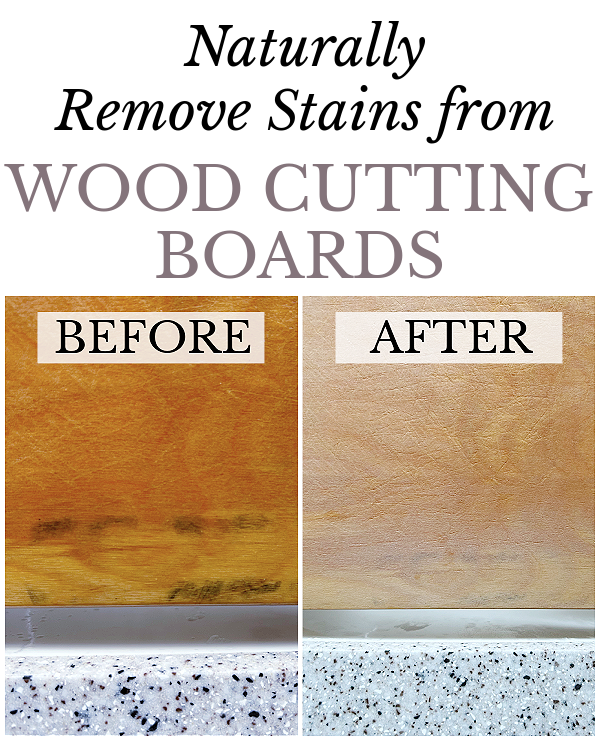
Credit: www.lemonslavenderandlaundry.com
Why Deep Clean Wooden Boards
Wooden cutting boards need more than quick surface cleaning. Deep cleaning removes hidden dirt and bacteria. It keeps the board safe for food preparation.
Regular deep cleaning also helps the wood last longer. It stops stains and bad smells from building up on the board.
Risks Of Surface Cleaning
Surface cleaning only removes dirt on the top layer. Bacteria can stay deep inside the wood. This can cause food to get contaminated.
Surface cleaning does not remove oils and stains. These can trap germs and cause bad smells. It also leads to cracks and damage in the wood.
- Bacteria stay inside wood pores
- Oils and stains build up over time
- Board may develop cracks and odors
- Food safety risks increase
Benefits Of Deep Cleaning
Deep cleaning removes bacteria and food particles from inside the board. It keeps the wood fresh and safe for cooking.
It also removes stains and odors. Deep cleaning helps the board stay strong and look new for longer.
- Kills hidden bacteria and germs
- Removes stains and bad smells
- Prevents cracks and wood damage
- Extends the life of your cutting board

Credit: www.aol.com
Tools And Materials Needed
Deep cleaning a wooden cutting board needs the right tools and materials. These help keep the board safe and last longer.
Below are the main items you will use to clean your wooden cutting board deeply and naturally.
Natural Cleaning Agents
Using natural cleaners is gentle on wood and effective. They remove stains and odors without harsh chemicals.
- White vinegar: good for disinfecting
- Baking soda: removes stains and odors
- Lemon juice: natural bleach and freshener
- Coarse salt: helps scrub and absorb dirt
Scrubbing Tools
Choose scrubbing tools that clean well but do not damage the wood surface.
| Tool | Purpose |
| Soft-bristle brush | Removes food particles gently |
| Non-abrasive sponge | Works with cleaning agents to scrub stains |
| Coarse cloth | Used with salt or baking soda for scrubbing |
Drying Equipment
Proper drying stops wood from cracking or warping. Use tools that allow air flow around the board.
- Clean dish towel for wiping excess water
- Dish rack or stand for upright drying
- Well-ventilated counter space
Step-by-step Deep Cleaning Process
Wooden cutting boards need deep cleaning to stay safe and last long. Dirt and bacteria can hide in the wood grain. Cleaning well removes germs and keeps your board fresh.
This guide shows you how to deep clean your wooden cutting board in easy steps. Follow each part for the best results.
Initial Rinse And Scrape
Start by rinsing your cutting board with warm water. This removes loose food bits and dirt.
Use a scraper or a plastic spatula to gently remove stuck-on food. Avoid metal tools to protect the wood.
Applying Cleaning Solutions
Use a natural cleaning solution to kill germs. Mix white vinegar and water in equal parts. Vinegar is safe and disinfects well.
Pour the solution on the board or spray it evenly. Let it sit for 5 to 10 minutes to work properly.
Scrubbing Techniques
Use a soft brush or sponge to scrub the board. Clean all sides, including edges and corners.
- Scrub with the grain to avoid damage.
- Apply gentle pressure to remove stains.
- Use coarse salt for extra scrubbing power.
Rinsing And Drying Properly
Rinse the board well with warm water to remove all cleaning solution and dirt. Make sure no residue stays.
Dry your cutting board upright or on its side. Air drying stops moisture buildup and prevents warping or cracking.
Removing Stains And Odors
Wooden cutting boards can hold stains and smells from food. Cleaning them well keeps your kitchen fresh and safe.
Use simple household items to deep clean and remove odors. These easy ways help keep your board looking new.
Lemon And Salt Method
Cut a lemon in half and sprinkle salt on the board. Rub the lemon over the surface using the salt as a scrub.
The lemon’s acid helps remove stains. Salt works as a gentle scrub to lift dirt and odors.
- Cut a lemon in half
- Sprinkle coarse salt on the board
- Rub lemon on the board with salt
- Let sit 5 minutes
- Rinse with warm water and dry
Baking Soda Paste
Mix baking soda with water to form a thick paste. Spread the paste on the board’s surface to cover stains and smells.
Let the paste sit for 10 minutes. Baking soda absorbs odors and helps lift stains. Rinse and dry after cleaning.
- Mix 3 parts baking soda with 1 part water
- Apply paste on stained or smelly areas
- Let sit for 10 minutes
- Scrub gently with a sponge
- Rinse with warm water and dry
Vinegar Soak
Soak a cloth in white vinegar and wipe the entire board. Vinegar kills bacteria and removes odors from wood.
Let the vinegar sit for a few minutes before rinsing. This method refreshes your board without harsh chemicals.
- Soak a clean cloth in white vinegar
- Wipe the entire surface of the board
- Let it sit for 5 minutes
- Rinse with warm water
- Dry thoroughly with a clean towel
Maintaining Board Freshness
Wooden cutting boards need special care to stay fresh and last longer. Cleaning is not enough. You must keep the wood from drying out or getting too wet.
Proper care helps prevent cracks, stains, and bad smells. Follow simple tips to keep your board clean and fresh.
Regular Oiling Routine
Oiling your wooden board keeps the wood strong and shiny. It stops the board from drying and cracking. Use food-safe mineral oil for best results.
Apply oil once a month or when the board looks dry. Rub the oil evenly and let it soak overnight. Wipe off any extra oil before use.
- Choose food-safe mineral oil
- Apply a thin layer with a soft cloth
- Let the oil soak for several hours or overnight
- Wipe off excess oil before using the board
- Repeat monthly or as needed
Avoiding Excess Moisture
Too much water can damage wooden boards. It causes warping, cracking, and mold growth. Avoid soaking your board in water or putting it in a dishwasher.
After washing, dry the board immediately with a towel. Let it air dry standing up to allow air circulation on all sides.
- Do not soak the board in water
- Never put the board in a dishwasher
- Dry the board with a clean towel after washing
- Store the board standing up to air dry fully
Proper Storage Tips
Store your wooden cutting board in a dry place with good airflow. Avoid placing it near heat sources or damp areas. This helps stop mold and warping.
Keep the board separate from other kitchen items to avoid scratches and stains. Use a rack or vertical holder if possible.
- Store the board in a dry, cool place
- Keep it away from direct sunlight and heat
- Use a rack or stand to store vertically
- Keep it separate from other kitchen tools
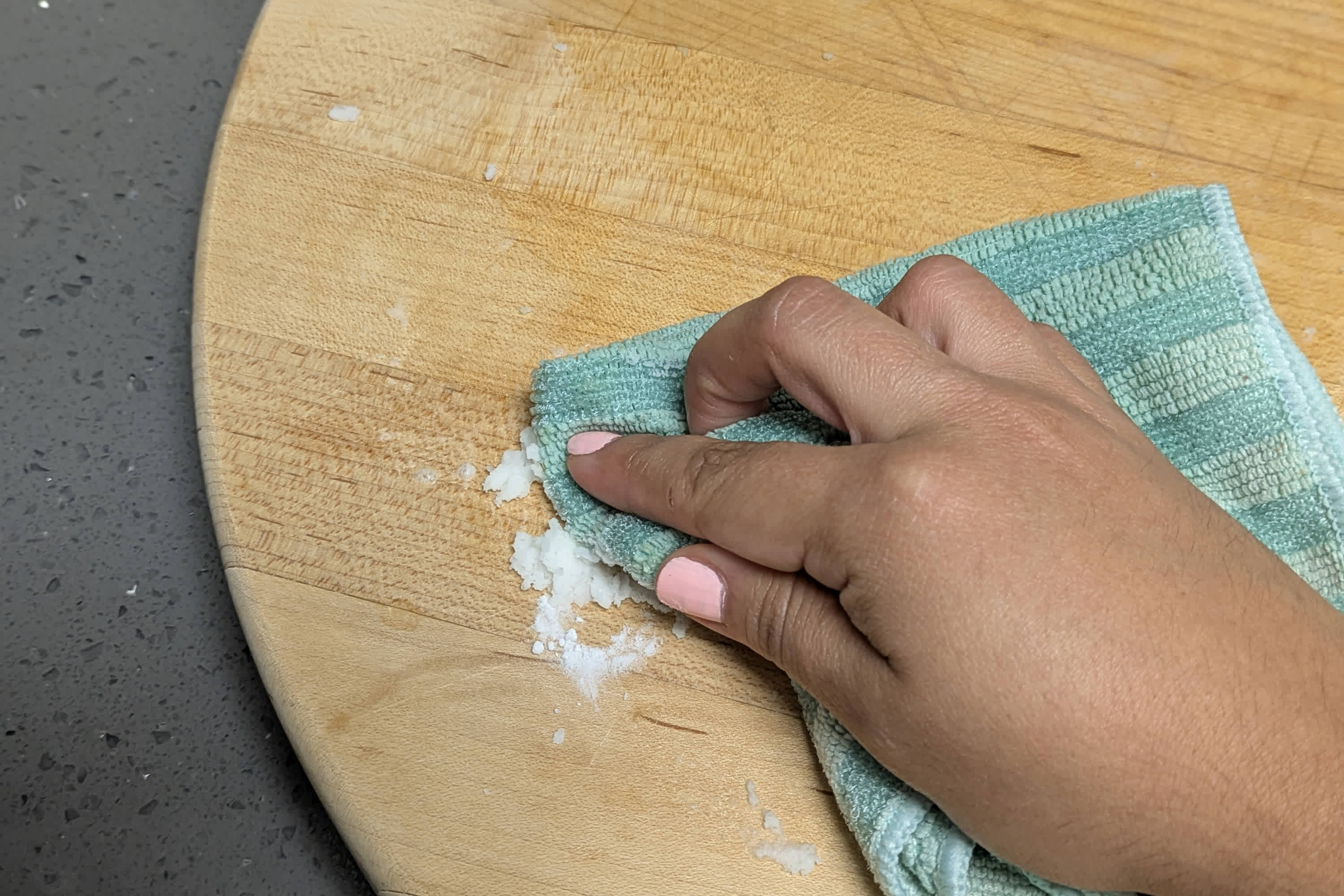
Credit: www.thekitchn.com
When To Replace Your Wooden Board
Wooden cutting boards are durable but not forever. Knowing when to replace yours keeps food safe.
Inspect your board often for signs of wear and health risks. This helps avoid bacteria buildup.
Signs Of Damage
Damaged boards can harm your food and kitchen tools. Look for cracks, deep cuts, and warping.
- Cracks where water or food can hide
- Deep grooves that are hard to clean
- Warped or uneven surface that causes instability
- Loose pieces or splinters coming off
Health Considerations
Old wooden boards can harbor bacteria. This puts your health at risk if not replaced on time.
| Health Risk | Cause | Effect |
| Bacterial Growth | Cracks and grooves | Food poisoning |
| Mold | Moisture trapped in wood | Allergic reactions |
| Cross-contamination | Hard-to-clean surfaces | Spread of germs |
Frequently Asked Questions
How Often Should I Deep Clean My Wooden Cutting Board?
Deep clean your wooden cutting board at least once a month. Regular maintenance prevents bacteria buildup. If used frequently, consider cleaning more often. Always ensure the board is completely dry before storing. Proper care extends the board’s lifespan and maintains its quality.
Can I Use Vinegar To Clean A Wooden Cutting Board?
Yes, vinegar is effective for cleaning wooden cutting boards. Mix equal parts of vinegar and water. Wipe the board with the solution, then rinse with warm water. Vinegar naturally disinfects and deodorizes, ensuring a clean and safe surface for food preparation.
What Natural Methods Clean Wooden Cutting Boards?
Natural methods include using lemon, salt, and baking soda. Sprinkle salt on the board, scrub with half a lemon. Rinse with warm water. Baking soda can also be used to remove stubborn stains and odors. These methods are eco-friendly and effective.
Can Oiling Extend The Life Of A Cutting Board?
Yes, oiling regularly extends the life of your wooden cutting board. Use food-grade mineral oil to maintain moisture. Apply oil and let it absorb overnight. Oiling prevents warping and cracking, keeping the board in top condition. It also enhances the board’s appearance and longevity.
Conclusion
Deep cleaning your wooden cutting board keeps it safe and lasting longer. Regular care stops bacteria and removes stains well. Use simple tools like salt, lemon, and vinegar for best results. Dry the board completely to avoid cracks and warping.
A clean board helps prepare healthy meals every day. Small steps make a big difference in kitchen hygiene. Keep your wooden cutting board fresh and ready for use. Your food and family will thank you.