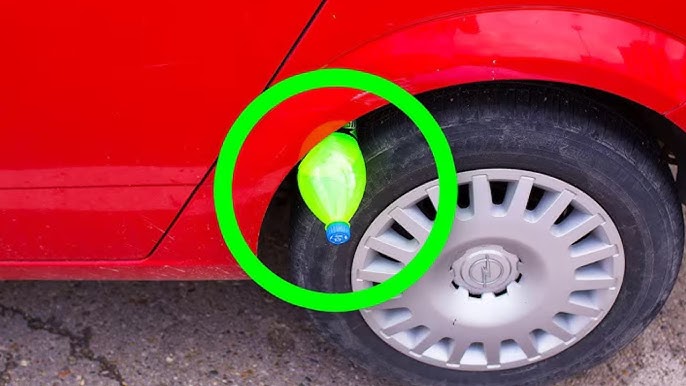
Have you ever found yourself needing to deflate a car tire but didn’t know where to start? Whether you want to adjust your tire pressure for better traction, prepare for off-road driving, or simply fix an overinflated tire, knowing how to do it correctly can save you time and hassle.
In this guide, you’ll discover simple, step-by-step instructions that anyone can follow. By the end, you’ll feel confident handling your tires like a pro—keeping your car safe and ready for the road. Keep reading to learn the easy tricks that make deflating your car tire quick and stress-free.
Reasons To Deflate A Car Tire
Deflating a car tire means letting some air out of the tire. This can be important in certain situations. Knowing when to deflate a tire helps keep your car safe and working well.
Below are key reasons why you might need to deflate a car tire. Each reason has safety tips to follow.
When Deflation Is Necessary
You may need to deflate your tire for different reasons. Some common reasons include driving on soft surfaces, fixing a flat tire, or adjusting tire pressure for better control.
- Driving on sand or snow to increase tire grip
- Preparing to change or repair a tire
- Adjusting pressure for off-road driving
- Balancing tire pressure after overinflation
Lower tire pressure helps increase the contact area of the tire with the road. This can improve traction in some conditions. It can also prevent tire damage on rough terrains.
Safety Considerations
Deflating tires needs care. Too little air can cause tire damage or accidents. It is important to check pressure often and keep it within safe limits.
| Safety Tip | Explanation |
| Use a reliable pressure gauge | Check tire pressure before and after deflating. |
| Do not deflate too much | Keep pressure above the minimum recommended level. |
| Check tire condition regularly | Inspect for cuts, bulges, or uneven wear. |
| Drive slowly on soft surfaces | Lower speed reduces tire stress and improves control. |

Credit: gosportsoutdoors.com
Tools Needed For Deflation
Deflating a car tire needs the right tools to do it safely. Using proper equipment helps control the air release and avoids damage.
This guide covers the basic tools you need and some optional accessories that can make deflation easier.
Essential Equipment
These tools are necessary for most tire deflation tasks. They help you release air quickly and safely.
- Pressure Gauge: Checks the current air pressure inside the tire.
- Valve Core Remover: Removes the valve core to let air out fast.
- Air Compressor (for reinflation): Useful if you need to re-inflate the tire after deflation.
- Gloves: Protect your hands during the process.
- Wheel Chocks: Keep the car from rolling while you work on the tire.
Optional Accessories
These items are not required but can make deflating tires easier and safer, especially in tricky situations.
| Accessory | Purpose |
|---|---|
| Tire Deflator Tool | Allows precise control over air release for gradual deflation. |
| Portable Air Pump | Good for topping off air after deflating to the desired pressure. |
| Flashlight | Helps see the valve stem clearly in low light or at night. |
| Protective Eye Gear | Shields eyes from dirt or debris during the process. |
Preparing Your Vehicle
Before deflating a car tire, prepare your vehicle to stay safe. Proper preparation stops the vehicle from moving.
Taking these steps helps you work on the tire without risks. Safety is important before you start.
Parking On A Flat Surface
Always park your car on a flat surface before deflating a tire. This keeps the car steady and prevents rolling.
A flat surface reduces the chance of accidents while you work on the tire.
- Look for a level driveway or parking lot
- Avoid slopes or uneven ground
- Check that the tire is easy to reach
Engaging The Parking Brake
After parking, always engage the parking brake. This stops the vehicle from rolling unexpectedly.
Pull the parking brake lever or press the button firmly. Make sure it is fully set before you begin.
- Apply the parking brake right after parking
- Check that the brake holds the car still
- Use wheel chocks for extra safety if available

Credit: www.crossroadshelpline.com
Step-by-step Deflation Process
Deflating a car tire safely requires care and attention. Follow these steps to lower the tire pressure slowly and correctly.
Take your time to avoid damage to the tire and to keep control of the air release.
Locating The Valve Stem
Find the valve stem on your tire. It is a small metal or rubber tube sticking out from the rim. This is where you let the air out.
- Look around the tire edge for the valve stem.
- Clean any dirt or dust from the valve cap.
- Unscrew and remove the valve cap carefully.
Releasing Air Slowly
To deflate the tire, press down on the valve core pin inside the valve stem. Do this gently to control air release.
- Use a small tool like a flathead screwdriver or valve core remover.
- Press the valve core pin carefully to start the air flow.
- Release air in short bursts to avoid rapid deflation.
- Stop periodically to check the tire pressure.
Checking Tire Pressure
Use a tire pressure gauge to measure the air pressure. This helps you reach the correct pressure safely.
| Tire Pressure Level | Action Needed |
| Above recommended | Continue slow deflation |
| At recommended | Stop deflation |
| Below recommended | Stop and inflate tire |
Tips For Safe Deflation
Deflating a car tire safely is important to avoid damage. It also helps keep you and others safe on the road.
Use the right tools and follow simple steps to control how much air leaves the tire. This guide will help you deflate your tire the safe way.
Avoiding Over-deflation
Over-deflating a tire can cause poor handling and damage. It makes the tire too soft and weak on the road.
Check the recommended tire pressure before you start. Use a pressure gauge to measure air pressure often while deflating.
- Stop deflating when the tire reaches the right pressure
- Do not let the tire go below the recommended pressure
- Deflate slowly to control air release
- Use a reliable tire pressure gauge
Protecting The Valve Core
The valve core controls air flow in and out of the tire. Damaging it can cause leaks and make the tire unsafe.
Be gentle when pressing the valve stem to release air. Avoid using sharp tools that can break the valve core.
- Use a valve core tool if needed
- Do not apply too much pressure on the valve stem
- Replace damaged valve cores quickly
- Keep valve caps on when finished
When To Reinflate Your Tire
Knowing when to reinflate your car tire keeps your ride safe and smooth. Tires lose air over time, so checking pressure often is important.
If your tire feels soft or the ride feels bumpy, it might be time to add air. Use a pressure gauge to be sure.
Recommended Pressure Levels
Each car tire has a recommended pressure level. This is usually listed on a sticker inside the driver’s door or in the owner’s manual.
| Vehicle Type | Recommended Pressure (PSI) |
| Small Cars | 30-35 |
| SUVs | 35-40 |
| Trucks | 40-45 |
If the tire pressure falls below these levels, you should reinflate the tire soon to avoid damage.
Using A Pressure Gauge
A pressure gauge helps you know the exact air pressure inside your tire. Check tires when they are cold for the best reading.
- Remove the valve cap from the tire.
- Press the gauge onto the valve stem firmly.
- Read the pressure value on the gauge.
- Compare it with the recommended pressure.
- Add air if the pressure is too low.
Reinflate your tire whenever the gauge shows a pressure below the recommended level. Check regularly for safety.
Common Mistakes To Avoid
Deflating a car tire may seem easy, but mistakes can cause problems. Knowing what to avoid keeps you safe and protects your tire.
This guide highlights common errors when letting air out of tires. Avoid these to ensure proper tire care and safety.
Ignoring Tire Damage
Do not deflate a tire if you see damage like cuts, cracks, or bulges. Damaged tires can be unsafe and may fail suddenly.
Check your tire carefully before deflating. If you spot damage, get it checked by a professional instead of deflating it yourself.
Deflating In Unsafe Locations
Never deflate your tire in dangerous places like busy roads or steep hills. This puts you and others at risk of accidents.
Find a flat, quiet spot away from traffic. Use hazard lights and safety cones if possible to alert others nearby.
- Avoid highways and busy streets
- Stay clear of slopes and uneven ground
- Choose well-lit and open areas at night
- Use emergency signals while working
Credit: americandreamautoprotect.com
Frequently Asked Questions
How Do You Safely Deflate A Car Tire?
To safely deflate a car tire, locate the valve stem. Remove the cap and press the pin inside with a tool. Allow air to escape until the desired pressure is reached. Use a tire pressure gauge to check the pressure regularly.
Be cautious to avoid over-deflating the tire.
Why Would You Need To Deflate A Car Tire?
Deflating a car tire might be necessary for off-roading, improving traction on certain surfaces, or for maintenance purposes. It’s essential when adjusting tire pressure for specific driving conditions. However, always ensure tires are inflated correctly afterward for safe driving.
What Tools Are Needed To Deflate A Tire?
To deflate a tire, you need a valve stem tool or a flathead screwdriver. A tire pressure gauge is essential for checking pressure accurately. These tools are widely available and easy to use, ensuring you can adjust tire pressure as needed.
Can Deflating Tires Improve Off-road Performance?
Yes, deflating tires can improve off-road performance by increasing traction. Lowering tire pressure enlarges the contact patch with the ground. This helps in navigating through sand, mud, or uneven terrain. However, be careful not to deflate too much to avoid tire damage.
Conclusion
Deflating a car tire is simple and useful. Follow the steps carefully for safety. Always check tire pressure with a gauge. Avoid letting out too much air at once. Proper tire pressure helps your car run better. Practice this skill to handle emergencies easily.
Stay safe and keep your tires in good shape.