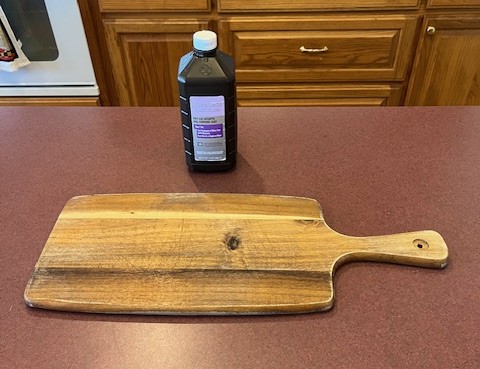
Your wooden cutting board is a kitchen essential, but it can sometimes hold onto strong smells from garlic, onions, or fish. Those odors can make cooking less enjoyable and even affect the taste of your food.
Luckily, you don’t have to live with these unwanted smells. You’ll discover simple and effective ways to deodorize your wooden cutting board, using easy ingredients you probably already have at home. Keep reading, and you’ll learn how to refresh your board quickly, so it’s ready for your next meal without any lingering odors.

Credit: ca.style.yahoo.com
Causes Of Odors On Wooden Boards
Wooden cutting boards can absorb smells from many sources. These odors come from foods and other factors. Understanding these causes helps keep your board fresh.
Odors on wooden boards mainly come from food residues and moisture. Both create conditions that make smells stick.
Common Smelly Foods
Certain foods leave strong odors on wooden boards. These smells get trapped in the wood pores. The following list shows common smelly foods that cause odors.
- Garlic
- Onions
- Fish and seafood
- Strong cheeses
- Spices like curry and cumin
Moisture And Bacteria Build-up
Wood can hold moisture if not dried well. This wetness allows bacteria to grow. Bacteria cause bad smells and can harm the board.
| Cause | Effect |
| Wet wood after washing | Traps moisture inside |
| Stored in damp places | Encourages bacterial growth |
| Food particles left on surface | Feed bacteria and cause odor |
Daily Cleaning Tips
Keeping your wooden cutting board clean helps stop smells. Daily care keeps it fresh and safe for food.
Use simple methods to wash and dry your board. This stops odors and keeps wood strong.
Proper Washing Techniques
Wash your wooden board with warm, soapy water after every use. Avoid soaking it to stop wood damage.
- Use a soft sponge or cloth to clean the surface.
- Rinse well with warm water to remove soap.
- Do not put wooden boards in the dishwasher.
- Use lemon or vinegar for extra deodorizing once a week.
Drying To Prevent Smells
Dry your cutting board fully to stop bad smells. Moisture can cause wood to rot and smell.
| Drying Method | Tip |
| Air Dry | Place board upright in a rack for full air flow. |
| Towel Dry | Use a clean towel to wipe off water quickly. |
| Avoid | Do not leave board flat on wet surfaces. |
Natural Deodorizing Methods
Wooden cutting boards can absorb strong smells from food. Natural methods help remove odors safely. You can use simple kitchen items to refresh your board.
These natural solutions clean and deodorize without harsh chemicals. Try lemon, salt, baking soda, or vinegar to keep your board smelling fresh.
Using Lemon And Salt
Lemon and salt work well together to clean and deodorize wood. Lemon juice breaks down smells, and salt scrubs the surface.
- Cut a lemon in half.
- Sprinkle coarse salt on the cutting board.
- Rub the lemon over the salted board, squeezing juice as you scrub.
- Let it sit for 5 minutes.
- Rinse with warm water and dry well.
Baking Soda Applications
Baking soda neutralizes odors and absorbs moisture. It is gentle and safe for wood surfaces.
| Method | Instructions |
|---|---|
| Sprinkle and scrub | Sprinkle baking soda on board, scrub with damp cloth, rinse, dry. |
| Baking soda paste | Mix baking soda and water to paste, apply, let sit 15 minutes, wipe off, rinse. |
White Vinegar Rinse
White vinegar kills bacteria and removes smells. It is a quick rinse that refreshes the board.
- Pour white vinegar over the cutting board.
- Let it sit for 5 minutes.
- Wipe with a clean cloth.
- Rinse with water and dry completely.

Credit: food52.com
Deep Cleaning For Stubborn Odors
Wooden cutting boards can hold strong smells after cutting pungent foods. Deep cleaning helps remove these stubborn odors. This keeps your board fresh and safe to use.
Simple washing may not get rid of deep smells. Using special treatments can clean inside the wood. Let’s look at two effective ways to deodorize your board deeply.
Hydrogen Peroxide Treatment
Hydrogen peroxide kills bacteria and removes odors inside wood pores. It is safe and easy to use at home. This treatment helps clean boards that smell strongly after regular washing.
Pour 3% hydrogen peroxide on the board surface. Let it sit for 5 to 10 minutes. Then wipe it off with a clean cloth. Rinse the board with warm water and dry well.
- Use only 3% hydrogen peroxide for safety.
- Do not soak the board; use a small amount.
- Test on a small area first to check for color changes.
- Dry the board fully after treatment to prevent warping.
Sanding And Refinishing
Sanding removes the top wood layer where odors hide. This method works well for very old boards or strong smells. After sanding, refinishing protects the wood and keeps it clean.
Use fine-grit sandpaper to sand the board surface evenly. Wipe off the dust with a damp cloth. Apply food-safe mineral oil or beeswax to seal and protect the wood.
- Sand gently to avoid thinning the board too much.
- Wear a mask to avoid breathing dust.
- Apply oil after sanding to keep the board from drying out.
- Repeat oiling regularly to maintain the finish.
Preventing Future Odors
Wooden cutting boards can absorb smells from food. Preventing odors keeps your board fresh and safe for cooking.
Regular care and proper storage help stop bad smells from building up over time.
Regular Maintenance
Clean your wooden board right after use. Dry it fully to avoid damp spots that cause odors. Oil the board often to protect the wood.
- Wash with warm soapy water after each use
- Dry with a clean towel and air dry standing up
- Rub with food-safe mineral oil once a month
- Use lemon and salt to scrub away smells as needed
Proper Storage Practices
Store your board in a dry place with good air flow. Avoid stacking it under heavy items or in damp areas.
| Storage Tip | Reason |
| Keep board upright | Allows air to circulate and dry the board |
| Store away from sink | Prevents moisture buildup |
| Do not stack heavy items | Avoids warping and trapping odors |
| Use a drying rack if possible | Keeps board dry and odor-free |
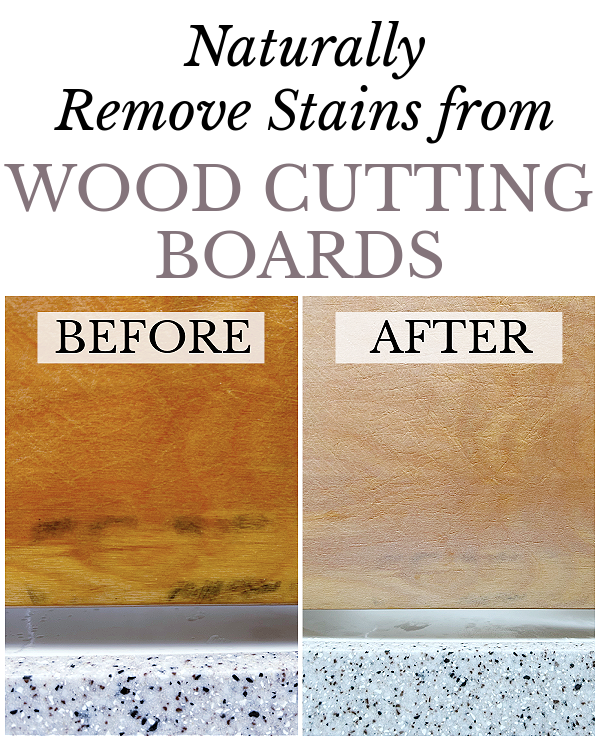
Credit: www.lemonslavenderandlaundry.com
Frequently Asked Questions
What Causes Odor On Wooden Cutting Boards?
Wooden cutting boards can absorb food particles and moisture, leading to odors. Over time, these odors intensify, especially if not cleaned properly. Bacteria from raw meats and residues from strong-smelling foods like garlic or onions can also contribute to unpleasant smells.
Regular maintenance helps prevent odor buildup.
Can Vinegar Deodorize A Cutting Board?
Yes, vinegar is an effective deodorizer for wooden cutting boards. Its natural acidity helps neutralize odors and kill bacteria. Simply wipe the board with undiluted white vinegar and let it air dry. This method not only deodorizes but also sanitizes your cutting board.
How Often Should I Deodorize My Board?
Deodorize your wooden cutting board at least once a month. However, if you use it frequently, consider deodorizing it weekly. Regular maintenance prevents odor buildup and ensures your board remains fresh. Additionally, always clean it after each use to prevent bacteria and odor accumulation.
Is Lemon Juice Good For Cutting Board Odors?
Yes, lemon juice is excellent for removing odors from wooden cutting boards. Its natural acidity neutralizes unpleasant smells and adds a fresh scent. Rub half a lemon over the board, let it sit for a few minutes, then rinse and dry.
This simple method leaves your board smelling fresh.
Conclusion
Deodorizing a wooden cutting board keeps it fresh and safe. Regular cleaning helps stop bad smells from building up. Natural ingredients like lemon and baking soda work well. Dry the board completely to avoid moisture problems. Use these simple steps to maintain your board’s quality.
Enjoy cooking with a clean, odor-free cutting board every day. Small efforts bring great results in kitchen care. Keep your wooden board smelling fresh with easy routines.