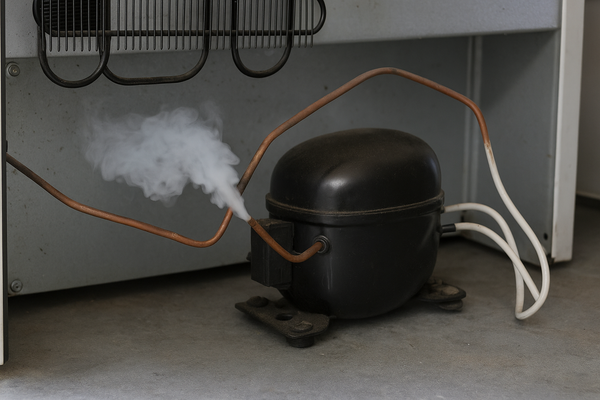
Is your refrigerator not cooling like it used to? You might have a Freon leak, and catching it early can save you from costly repairs or a spoiled fridge.
But how do you know if Freon is leaking? Detecting this problem isn’t as hard as you think. You’ll learn simple, practical ways to spot a Freon leak in your refrigerator before it gets worse. Keep reading to protect your food, your wallet, and your peace of mind.

Credit: www.searshomeservices.com
Signs Of A Freon Leak
Detecting a Freon leak early is vital for your refrigerator’s health. Freon, a cooling gas, helps keep the fridge cold. A leak reduces its cooling power and can cause damage. Recognizing the signs helps you act fast and avoid costly repairs.
Unusual Refrigerator Performance
The fridge may not stay cold enough. Food might spoil faster than usual. The compressor might run longer or cycle more often. These changes suggest the cooling system struggles. Reduced efficiency often points to a Freon leak.
Visible Frost Or Ice Buildup
Look inside the freezer for frost or ice patches. Excess frost can form near the cooling coils. Ice buildup may block airflow inside the fridge. These signs often appear when Freon levels drop. It causes the system to work harder and freeze moisture.
Hissing Or Bubbling Sounds
Listen closely near the fridge’s back or bottom. A leaking Freon often makes a faint hissing sound. Bubbling noises can also appear if the gas escapes. These sounds mean the sealed system is broken. Prompt repair is necessary to stop further damage.
Tools Needed For Detection
Detecting a Freon leak in your refrigerator requires the right set of tools to ensure accuracy and safety. Having these tools at hand can save you time and prevent further damage to your appliance. Let’s look at some essential equipment that will help you identify the leak efficiently.
Leak Detection Kits
Leak detection kits are a popular choice for spotting Freon leaks. They usually include a UV dye that you add to the refrigerant system and a UV light to spot the dye escaping through leaks. Using this kit is straightforward and gives you a clear visual indication of where the problem lies.
I once used a leak detection kit on an old fridge, and the UV dye highlighted a tiny crack I hadn’t noticed before. This small tool made the repair process much easier and faster. Do you have a flashlight with UV capabilities? If not, this might be the first tool to get.
Soapy Water Solution
A simple and cost-effective way to detect leaks is with a soapy water solution. You just mix water with dish soap, then apply it to areas where you suspect the leak. If bubbles form, you’ve found the leak.
This method is surprisingly reliable for small, slow leaks and requires no special equipment. Have you tried this before? It’s a good first step before investing in more advanced tools.
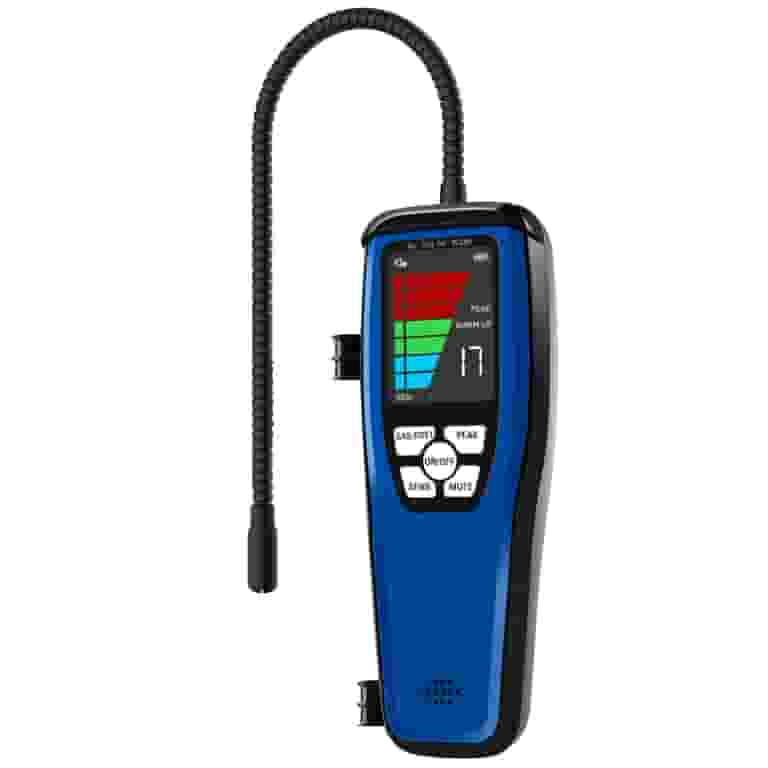
Electronic Leak Detectors
For those who want precision, electronic leak detectors are highly effective. These handheld devices sense the presence of refrigerant gases and alert you with sound or light signals. They work well even for very small leaks that other methods might miss.
While they cost more, electronic detectors provide quick and accurate results, especially if you deal with refrigeration often. Think about how much time you could save with this technology in your toolkit.
Step-by-step Leak Detection
Detecting a Freon leak in your refrigerator requires careful observation and the right tools. Taking a systematic approach helps you pinpoint the exact location of the leak before it causes more damage. Let’s walk through the process step-by-step to make it easier and more effective.
Preparing The Refrigerator
Start by unplugging your refrigerator to ensure safety. Clear out any food items near the back and sides where the coils and refrigerant lines are located. This not only gives you better access but also prevents accidental spills or contamination during inspection.
Next, clean the exterior surfaces of the coils and lines with a dry cloth. Dirt and dust can hide small leaks, so a clean surface makes spotting any damage easier. Have a flashlight ready to help you see into tight or dark spaces.
Applying Soapy Water
Mix a small amount of dish soap with water to create a soapy solution. Using a spray bottle or sponge, apply this mixture to the refrigerant lines and connections. Bubbles will form at the exact spot where Freon is escaping.
Watch carefully for bubbling after application. Even tiny bubbles indicate a leak that needs attention. This method is affordable and can be done with common household items, making it a great first step.
Using Electronic Detectors
Electronic Freon leak detectors sense escaping refrigerant gases with high sensitivity. Turn on the detector and slowly move the sensor along refrigerant lines and joints. The device will beep or light up when it detects a leak.
Electronic detectors are especially useful if the leak is small or hard to see. They provide quick feedback and help you avoid guesswork. If you’ve never used one, consider renting or borrowing one before buying.
Inspecting Refrigerant Lines
Carefully examine all refrigerant lines for signs of wear, corrosion, or damage. Look for oily residue or discoloration, which often accompany leaks. Pay special attention to joints, bends, and connection points where leaks frequently occur.
Ask yourself: Are there any unusual sounds like hissing near these areas? Such noises can hint at a Freon leak. Keeping a keen eye on these details helps you catch problems early and saves costly repairs.
Safety Precautions
Detecting a Freon leak in your refrigerator requires caution. Handling refrigerants carelessly can lead to health risks and environmental harm. Before you start, understanding essential safety precautions can protect you and those around you.
Handling Refrigerants Safely
Refrigerants like Freon are chemicals that can be harmful if inhaled or if they come in contact with your skin. Always avoid direct contact by not touching the refrigerant or any leaking areas. If you spot a leak, do not try to fix it by yourself unless you have proper training.
Think about this: Have you ever underestimated a simple household repair? Refrigerants need professional handling because they can cause frostbite or respiratory problems. It’s better to call a certified technician than risk your health.
Protective Gear Recommendations
Wearing the right gear can make a big difference when you suspect a Freon leak. Use safety goggles to protect your eyes from any splashes or fumes.
Gloves made of nitrile or neoprene are your best bet to prevent skin irritation. Also, consider wearing a long-sleeved shirt to cover your arms fully. If you don’t have these, even a thick layer of clothing can offer some protection.
Ventilation Tips
Freon is heavier than air, so leaks can cause the gas to settle near the floor. Always work in a well-ventilated area. Open windows and doors to allow fresh air to circulate and push the gas out.
If your kitchen or repair area feels stuffy, use a fan to help move the air. Have you checked your ventilation before starting any repair? It might be the simplest step that ensures your safety.
When To Call A Professional
Knowing when to call a professional for a Freon leak in your refrigerator can save you time, money, and stress. While some signs might seem manageable on your own, certain situations require expert skills and equipment. Understanding these scenarios helps you avoid worsening the problem or voiding your warranty.
Complex Leak Locations
Leaks hidden deep inside coils or behind panels are tough to find and fix. These areas often require specialized tools like electronic leak detectors or UV dye kits. If you notice your fridge is losing cooling power but can’t spot the source, it’s time to call a professional who can pinpoint and repair these hard-to-reach leaks safely.
Refrigerant Recharge Needs
Adding Freon isn’t just pouring in more gas—it’s a precise task requiring the right type and amount. Overcharging or undercharging can damage your fridge’s compressor or reduce efficiency. Professionals know the exact specifications for your model and have the proper equipment to recharge refrigerant correctly and legally.
Warranty And Repair Considerations
Attempting DIY repairs might void your refrigerator’s warranty, leading to costly replacements later. Many manufacturers require repairs to be done by authorized technicians to keep warranties valid. Before you start fixing a suspected Freon leak, check your warranty terms and consider calling an expert to protect your investment.

Credit: www.allaustinrepairs.com
Credit: www.walmart.com
Frequently Asked Questions
What Are Common Signs Of A Freon Leak In Refrigerators?
Common signs include warm fridge interior, ice buildup, and hissing sounds. You may notice food spoiling faster or higher energy bills. Detecting these signs early helps prevent costly repairs and maintains fridge efficiency.
How Can I Test For Freon Leaks At Home?
You can use soapy water to check for bubbles around fridge coils. A leak detector tool also helps identify Freon leaks accurately. If unsure, contact a professional technician for precise diagnosis and repair.
Is A Freon Leak Dangerous To Health?
Yes, Freon leaks can cause headaches, dizziness, and breathing problems. Prolonged exposure may lead to serious health risks. Always ensure proper ventilation and repair leaks immediately to keep your home safe.
Can I Fix A Freon Leak Myself?
Fixing Freon leaks requires special tools and certifications. DIY repairs risk improper handling and can worsen the issue. It’s best to hire a licensed technician for safe and effective Freon leak repair.
Conclusion
Detecting a Freon leak in your refrigerator is important. It keeps your fridge running smoothly. A small leak can lead to bigger problems. Check for unusual smells or hissing sounds. Test your fridge’s cooling efficiency regularly. These signs help you spot leaks early.
Always prioritize safety. If unsure, call a professional for help. Regular maintenance also extends your fridge’s life. Stay attentive to changes. This approach ensures optimal performance. Protect your food and save on repair costs. With these tips, you can manage potential leaks effectively.
Keep your refrigerator in top shape.