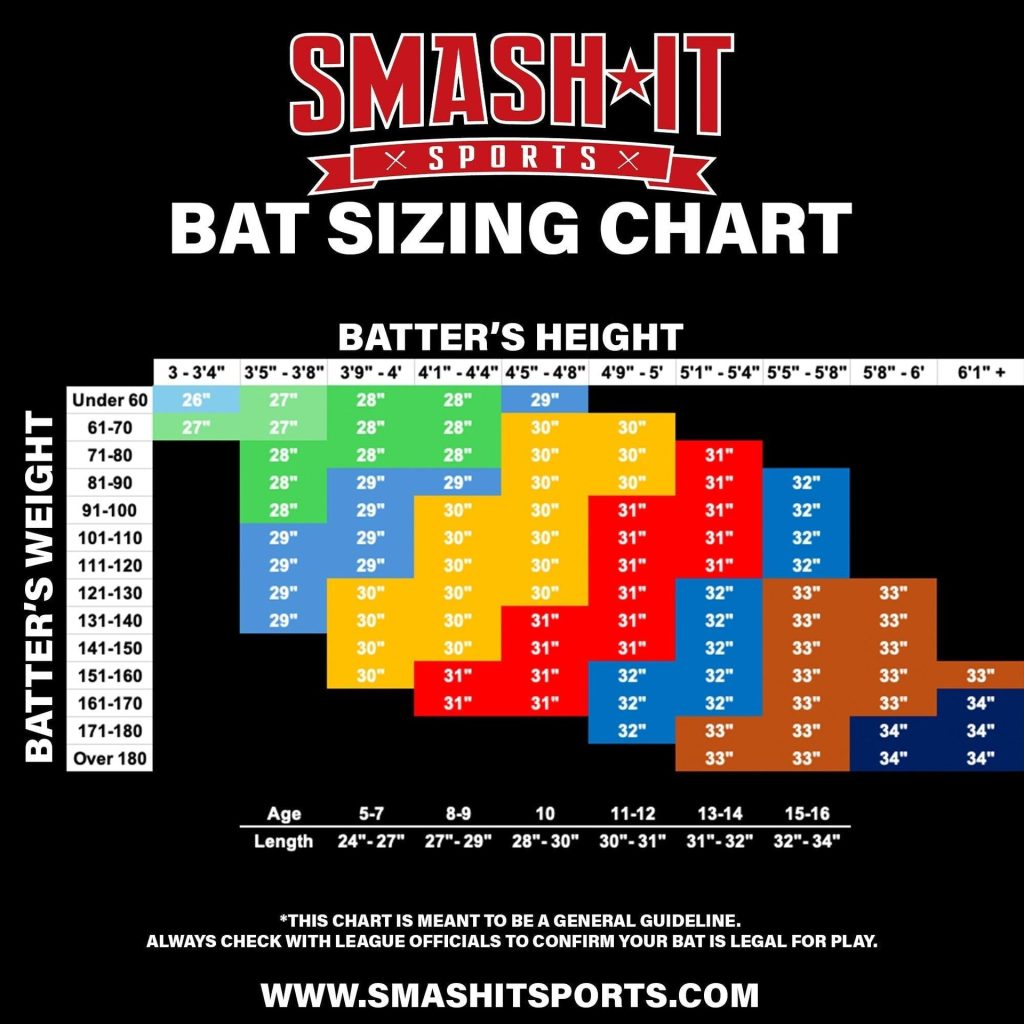
Choosing the right bat size for youth baseball can feel tricky. But getting it right is key to your child’s comfort, confidence, and performance on the field.
If the bat is too heavy or too long, it can slow your swing and make hitting the ball harder. On the other hand, the perfect bat will help you swing faster, hit farther, and play better. You’ll discover simple steps to find the ideal bat size for your young player.
Keep reading, and you’ll learn how to make a choice that sets your child up for success every time they step up to the plate.
Factors Affecting Bat Size
Choosing the right bat size is important for youth baseball players. The correct bat helps improve hitting skills and comfort. Several factors affect the best bat size for a player.
Understanding these factors can guide parents and coaches to pick the right bat. This guide explains the main points to consider.
Player’s Age And Height
Age and height are basic measures to find the right bat length. Younger and shorter players usually need shorter bats. Older and taller players often use longer bats.
Choosing a bat that matches height helps the player swing more easily and accurately.
- Players under 8 years old often use bats 24 to 26 inches long.
- Players 9 to 12 years old may need bats 27 to 30 inches long.
- Taller players might use bats closer to 30 inches or more.
Weight Considerations
The bat’s weight affects how fast a player can swing. Lighter bats allow faster swings and better control. Heavier bats can add power but may slow the swing.
Players should choose a bat weight they can handle comfortably. This helps avoid injury and improves hitting.
- Younger players usually need lighter bats for speed.
- Players with more strength can try bats with higher weight.
- The “drop” weight shows the difference between length and weight (e.g., -10).
Skill Level Impact
Skill level changes the best bat size for a player. Beginners need lighter, shorter bats for easier swinging. Skilled players may use heavier bats for more power.
Choosing a bat that fits the player’s skill helps build confidence and improves performance.
- New players benefit from bats that are easier to control.
- Intermediate players can try bats with balanced weight and length.
- Advanced players may select bats for power and speed combined.

Credit: www.reddit.com
Measuring For The Right Length
Choosing the right bat length is important for youth baseball players. A bat that is too long or too short can affect performance. Measuring correctly helps players swing comfortably and safely.
This guide shows two simple ways to find the right bat length: using height and weight charts, and hands-on measurement techniques.
Using Height And Weight Charts
Height and weight charts give a good starting point for bat length. These charts match a player’s size to a recommended bat length. They are easy to use and help avoid guesswork.
| Player Height | Player Weight | Suggested Bat Length |
|---|---|---|
| 3’6″ – 4’0″ | 40 – 60 lbs | 26″ – 28″ |
| 4’1″ – 4’6″ | 61 – 80 lbs | 28″ – 30″ |
| 4’7″ – 5’0″ | 81 – 100 lbs | 30″ – 31″ |
| 5’1″ – 5’6″ | 101 – 130 lbs | 31″ – 32″ |
| 5’7″ and above | 131+ lbs | 32″ – 34″ |
Hands-on Measurement Techniques
Hands-on methods check bat length by physical measurement. These methods ensure the bat feels right for the player’s height and reach.
- Have the player stand straight with their arm extended down.
- Place the bat next to the player’s body, with the knob near the palm.
- The bat’s tip should reach the player’s hip or mid-thigh.
- Test the bat by having the player swing slowly to check comfort.
- Adjust length if the bat feels too heavy or hard to control.
Choosing The Correct Weight
Selecting the right bat weight is crucial for young players. It affects their swing and overall performance. This guide helps you understand how to choose the correct bat weight.
Consider the player’s strength and hitting style when picking a bat. The right weight can enhance their experience and confidence on the field.
Understanding Drop Weight
Drop weight is the difference between the bat’s length and weight. It is a key factor in choosing the right bat. A higher drop weight means a lighter bat, which is easier to swing.
| Bat Length (inches) | Bat Weight (oz) | Drop Weight |
| 30 | 20 | -10 |
| 32 | 22 | -10 |
| 28 | 18 | -10 |
Balancing Power And Control
A bat that is too heavy may slow down a player’s swing. A lighter bat offers more control, but might reduce hitting power. Balance is essential for success.
- Test different bat weights to find the best fit
- Consider the player’s age and strength
- Ensure the player can comfortably hold and swing the bat

Credit: www.amazon.com
Material Types And Their Effects
Choosing the right bat material affects youth baseball performance. Different materials change the bat’s weight, durability, and feel.
Understanding these materials helps players pick the best bat size and type for their needs.
Aluminum Vs. Composite Bats
Aluminum and composite bats are popular choices for young players. Each type offers different benefits and drawbacks.
- Aluminum batsare lighter and often less expensive. They provide good power and control.
- Composite batsuse layered materials for better balance and a larger sweet spot.
- Composite bats tend to be quieter and reduce vibration on contact.
- Aluminum bats usually require less break-in time than composite ones.
Choosing between these depends on player strength, budget, and comfort with the bat’s feel.
Wooden Bat Options
Wooden bats give a traditional feel and require precise contact for good hits. They come in several wood types.
| Wood Type | Weight | Durability | Performance |
| Ash | Light | Flexible but less durable | Good pop and feel |
| Maple | Heavier | Very durable | Powerful hits but less forgiving |
| Bamboo | Light to medium | Strong and flexible | Balanced performance |
Wood bats require more care and can break more easily than metal or composite bats.
Testing Bat Comfort And Swing
Choosing the right bat size is important for young baseball players. Testing bat comfort and swing helps find the best fit.
Comfort and swing feel affect how well a player hits the ball. Try different bats to see which one feels right.
Swing Speed Trials
Practice swinging bats of different sizes to check swing speed. A lighter bat may increase speed, but feel is key.
Use a stopwatch or app to measure swing time. Faster swings help players react better during the game.
- Swing each bat 5-10 times
- Note which bat feels easiest to swing fast
- Choose a bat that balances speed with control
Grip And Balance Checks
Hold the bat with a natural grip and check its balance. The bat should feel steady and comfortable in the hands.
Test if the bat feels too heavy near the handle or the end. Good balance helps with better control and power.
- Grip the bat firmly but not too tight
- Feel how weight spreads along the bat
- Pick a bat that feels smooth and balanced

Credit: www.betweenthelinesaz.com
League Regulations And Standards
Choosing the right bat size is important for youth baseball players. Leagues set rules to keep the game fair and safe. These rules help coaches and parents pick the correct bat.
Each league has specific standards about which bats players can use. Knowing these rules helps you follow league guidelines and improve play.
Approved Bat Lists
Leagues approve certain bats based on safety and performance tests. Only bats on these lists are allowed during games. Using an unapproved bat can lead to disqualification.
- Most leagues require bats to have an official certification mark.
- Common approved lists include USABat, USA Baseball, and BBCOR.
- Check the league website for the current approved bat list.
- Approved bats must meet weight and length standards.
Size Limits By League
Leagues set size limits to match player age and skill level. These limits include bat length, weight, and drop (weight minus length). Staying within these limits is mandatory.
| League | Max Bat Length | Max Drop | Notes |
|---|---|---|---|
| Little League | 33 inches | -10 | Must be USA Baseball approved |
| Cal Ripken Baseball | 33 inches | -13 | USABat logo required |
| USSSA Baseball | 34 inches | -5 | Certified USSSA 1.15 BPF bats only |
| High School (NFHS) | 36 inches | -3 | BBCOR certified bats required |
Maintaining And Replacing Bats
Keeping a youth baseball bat in good shape helps players perform well. It also extends the bat’s life. Knowing when to replace a bat is just as important.
Proper care and timely upgrades keep young players safe and ready to play. Let’s look at how to spot damage and know when to switch bats.
Signs Of Wear And Tear
Check bats often for damage. Look for cracks, dents, or dents on the barrel. The handle should not be loose or splintered. Worn grips can reduce control and cause blisters.
- Cracks or splits on the barrel or handle
- Dents or deep scratches on the bat surface
- Loose or damaged grip tape
- Unusual sounds when the bat hits the ball
- Rust or corrosion on metal bats
When To Upgrade
Replacing a bat depends on how much it is used and its condition. A worn-out bat can affect hitting power and safety. If damage is found, it is time to look for a new bat.
| Condition | Action |
| Minor scratches or scuffs | Continue use but monitor closely |
| Small cracks or loose parts | Stop use and repair or replace |
| Large dents or broken handle | Replace immediately |
| Grip worn or slipping | Replace grip tape or bat |
Frequently Asked Questions
What Is The Right Bat Length For Youth Baseball Players?
The right bat length depends on the player’s height and age. Generally, taller players need longer bats for better reach. Using a bat too long or too short affects swing control and power. Measure the player’s height and weight to find the ideal bat length.
How To Choose The Correct Bat Weight For Youth Baseball?
Bat weight should balance power and control. Lighter bats allow faster swings and better control for younger players. Heavier bats offer more power but can slow the swing. Choose a bat weight that the player can swing comfortably and confidently.
Why Is Bat Size Important For Youth Baseball Performance?
Proper bat size improves swing accuracy and power. A correctly sized bat helps develop good hitting mechanics. Using the wrong size can cause poor contact and increase injury risk. It boosts player confidence and overall performance on the field.
Can I Use A Bat Size Chart For Youth Baseball?
Yes, bat size charts are helpful guides. They match height and weight to recommended bat length and weight. Always combine chart info with player comfort and skill level. Bat size charts simplify finding the best bat for youth players.
Conclusion
Choosing the right bat size helps young players hit better and stay safe. Measure height and weight carefully before buying a bat. Test different sizes to find the best fit and comfort. A good bat supports skill and confidence on the field.
Keep these tips in mind for smarter bat choices. Enjoy watching youth baseball grow with the right equipment. Simple steps lead to better play and more fun.