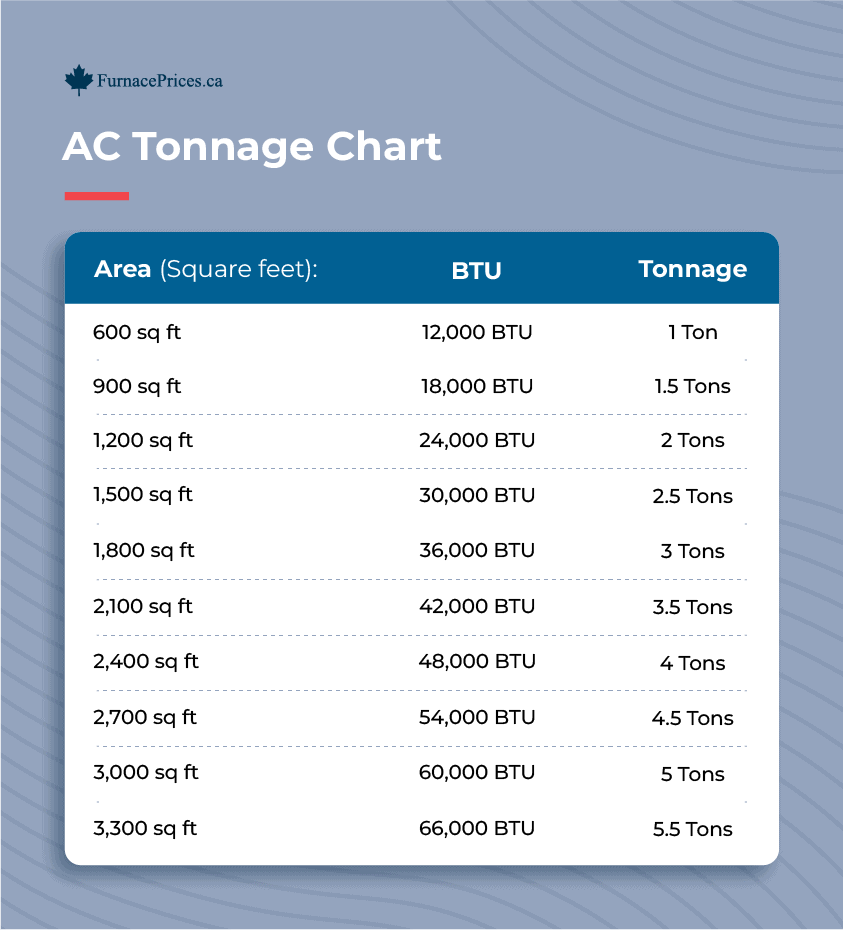
Are you struggling to figure out the right size for your heating and air conditioning system? Choosing the correct size is crucial—it affects your comfort, energy bills, and the lifespan of your system.
Too big, and you’ll waste energy; too small, and your home won’t stay comfortable. You’ll discover simple, clear steps to determine the perfect size for your space. By the end, you’ll feel confident making a smart choice that keeps your home cozy year-round without breaking the bank.
Keep reading to find out how!
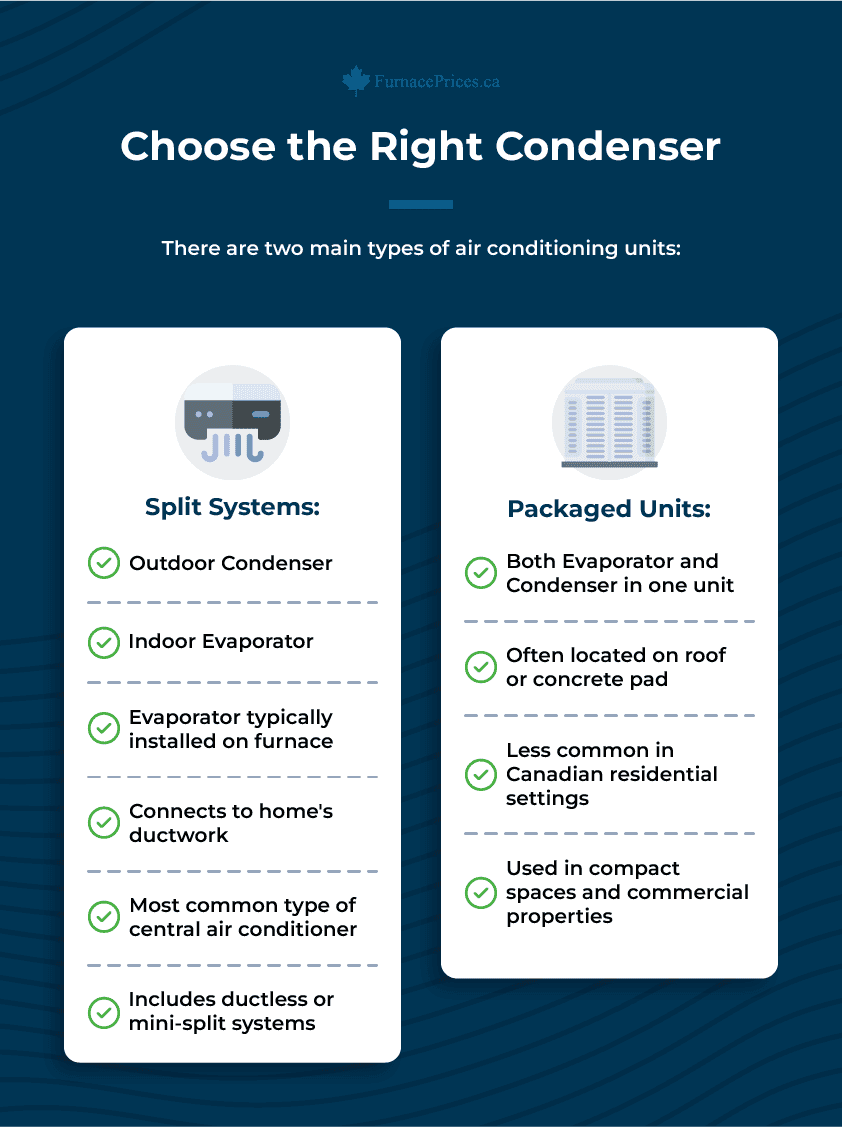
Credit: www.furnaceprices.ca
Importance Of Proper Sizing
Choosing the right size for your heating and air conditioning system is very important. A system that fits well works better and lasts longer.
Improper sizing can cause many problems. It can waste energy, make your home uncomfortable, and cost you more money.
Energy Efficiency Benefits
A properly sized system uses energy in the best way. It runs smoothly without working too hard or too little. This saves electricity and lowers bills.
- Reduces energy waste
- Maintains steady temperature
- Lowers utility costs
- Extends system lifespan
Comfort And Air Quality
A system that fits your space keeps the air fresh and comfortable. It avoids hot or cold spots and controls humidity well. This improves your home’s air quality.
| Problem | Too Large System | Too Small System |
| Comfort | Short cycles, uneven heating/cooling | Long cycles, poor temperature control |
| Air Quality | Less moisture removal, stuffy air | Excess humidity, mold risk |
| Noise | Loud on/off cycling | Constant running noise |
Cost Implications
Choosing the right size can save money in many ways. It lowers energy bills and reduces repair costs. It also avoids replacing the system early.
- Lower energy bills
- Fewer repairs and breakdowns
- Longer system life
- Better return on investment
Factors Affecting System Size
Choosing the right size for a heating and air conditioning system is important. The system must cool or heat your home efficiently. Several factors affect the size needed for your system.
Understanding these factors helps you select a system that saves energy and keeps your home comfortable all year.
Home Size And Layout
The size of your home is the main factor in choosing a system size. Larger homes need bigger systems to heat and cool all rooms.
The layout also matters. Open floor plans may need less power than many small rooms. High ceilings can require a bigger system to fill the space with warm or cool air.
Insulation And Air Leakage
Good insulation helps keep heat inside during winter and outside during summer. Poor insulation makes your system work harder.
- Check wall and attic insulation quality
- Seal gaps around windows and doors
- Use weather stripping to reduce air leaks
- Inspect ducts for leaks and blockages
Local Climate Conditions
The weather where you live affects system size. Hot or cold climates need stronger systems to keep your home comfortable.
| Climate Type | System Size Need |
| Mild | Small to Medium |
| Hot | Large |
| Cold | Large |
| Mixed | Medium |
Number Of Occupants
More people in a home produce more heat. This can reduce heating needs in winter but increase cooling needs in summer.
Consider these points about occupants:
- Each person adds body heat to the space.
- More occupants may mean more appliances running.
- Higher humidity from more people affects cooling load.
Calculating Heating Load
Calculating the heating load helps find the right size for your heating system. It measures how much heat your home loses and how much heat you need to add.
This calculation ensures your heating system keeps your home warm without using too much energy.
Heat Loss Through Walls And Windows
Heat escapes your home through walls and windows. The amount lost depends on materials and insulation quality.
Windows usually lose more heat than walls because they have less insulation.
- Thick walls with good insulation reduce heat loss
- Double or triple-pane windows keep heat inside
- Older windows and thin walls lose more heat
Ventilation And Infiltration Losses
Ventilation brings fresh air into your home but also lets warm air out. Infiltration is air leaking through cracks and gaps.
These losses increase heating needs because warm air escapes and cold air enters.
- Seal cracks around doors and windows
- Use weather stripping to reduce leaks
- Control ventilation to balance fresh air and heat loss
Using Manual J Calculation
Manual J is a standard way to find your home’s heating load. It uses detailed data like room size, insulation, and climate.
This calculation helps pick a heating system that matches your home’s exact needs.
- Measure each room’s size and insulation
- Include windows, doors, and ventilation
- Use climate data for your location
- Calculate total heat loss for the whole house
Calculating Cooling Load
Calculating the cooling load helps find the right size of heating and air conditioning systems. It measures the amount of heat to remove from a building.
Several factors affect the cooling load. These include heat from the sun, heat inside the building, and moisture in the air.
Solar Heat Gain
Solar heat gain comes from sunlight entering through windows and walls. It raises indoor temperatures, adding to the cooling load.
- South-facing windows get the most sun
- Window size and glass type affect heat gain
- Roof and wall colors also change heat absorption
Internal Heat Sources
Heat inside the building comes from appliances, lighting, and people. This heat adds to the total cooling load.
| Source | Heat Output (BTU/hr) |
| Light Bulb (60W) | 205 |
| Refrigerator | 500 |
| Person (resting) | 230 |
| Computer | 300 |
Humidity Considerations
Humidity affects how cool air feels. High moisture makes the air warmer and harder to cool.
To calculate humidity impact, use this formula:
Cooling Load Increase = Volume of Air × Humidity Ratio × 4840
This gives extra BTUs needed to remove moisture from the air.
Choosing The Right Hvac System
Choosing the right heating and air conditioning system helps keep your home comfortable. The size and type of the system affect energy use and cost.
This guide explains types of heating and cooling systems. It also shows how to match system size to your home’s needs.
Types Of Heating Systems
Heating systems warm your home in cold weather. You can pick from several common types based on your needs and home layout.
- Furnaces use fuel like gas or electricity to heat air.
- Boilers heat water to provide warmth through radiators.
- Heat pumps move heat from outside to inside your home.
- Electric heaters use electric coils to generate heat.
Types Of Cooling Systems
Cooling systems keep your home cool during hot days. Different types work for different home sizes and climates.
- Central air conditioners cool air and distribute it through ducts.
- Window units cool single rooms and are easy to install.
- Heat pumps can also work as air conditioners in warm months.
- Ductless mini-split systems cool rooms without ducts.
Matching System Capacity To Load
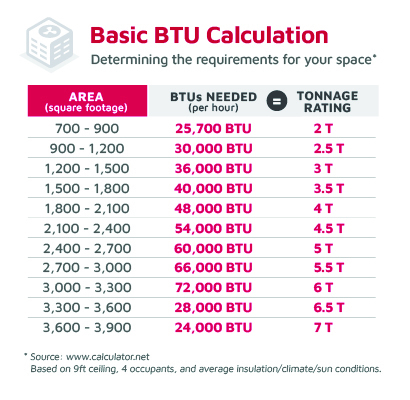
To size your HVAC system correctly, calculate the heating and cooling load of your home. This prevents too big or too small systems.
| Load Factor | Description | Impact on System Size |
| High | Large home with poor insulation | Needs larger system capacity |
| Medium | Average home with standard insulation | Needs moderate system capacity |
| Low | Small or well-insulated home | Needs smaller system capacity |
Consult a professional to get an accurate load calculation. They use factors like home size, insulation, and climate.
Credit: www.lennox.com
Professional Assessment And Tools
Choosing the right size for your heating and air conditioning system is important. A system that is too big or small wastes energy and money.
Professional assessment and the right tools help find the perfect system size for your home or business.
When To Consult An Hvac Expert
Call an HVAC expert if you are unsure about your current system size. Experts know how to assess your building’s needs accurately.
- When installing a new system
- If your current system runs too long or too short
- After remodeling your home or workspace
- If you notice uneven heating or cooling
Using Load Calculation Software
Load calculation software helps HVAC experts find the right system size. It uses data from your building to make detailed calculations.
| Data Input | Purpose |
| Building size | Determine volume to heat or cool |
| Insulation quality | Estimate heat loss or gain |
| Window types | Assess heat transfer through windows |
| Climate zone | Adjust for outside temperature variations |
Importance Of Accurate Measurements
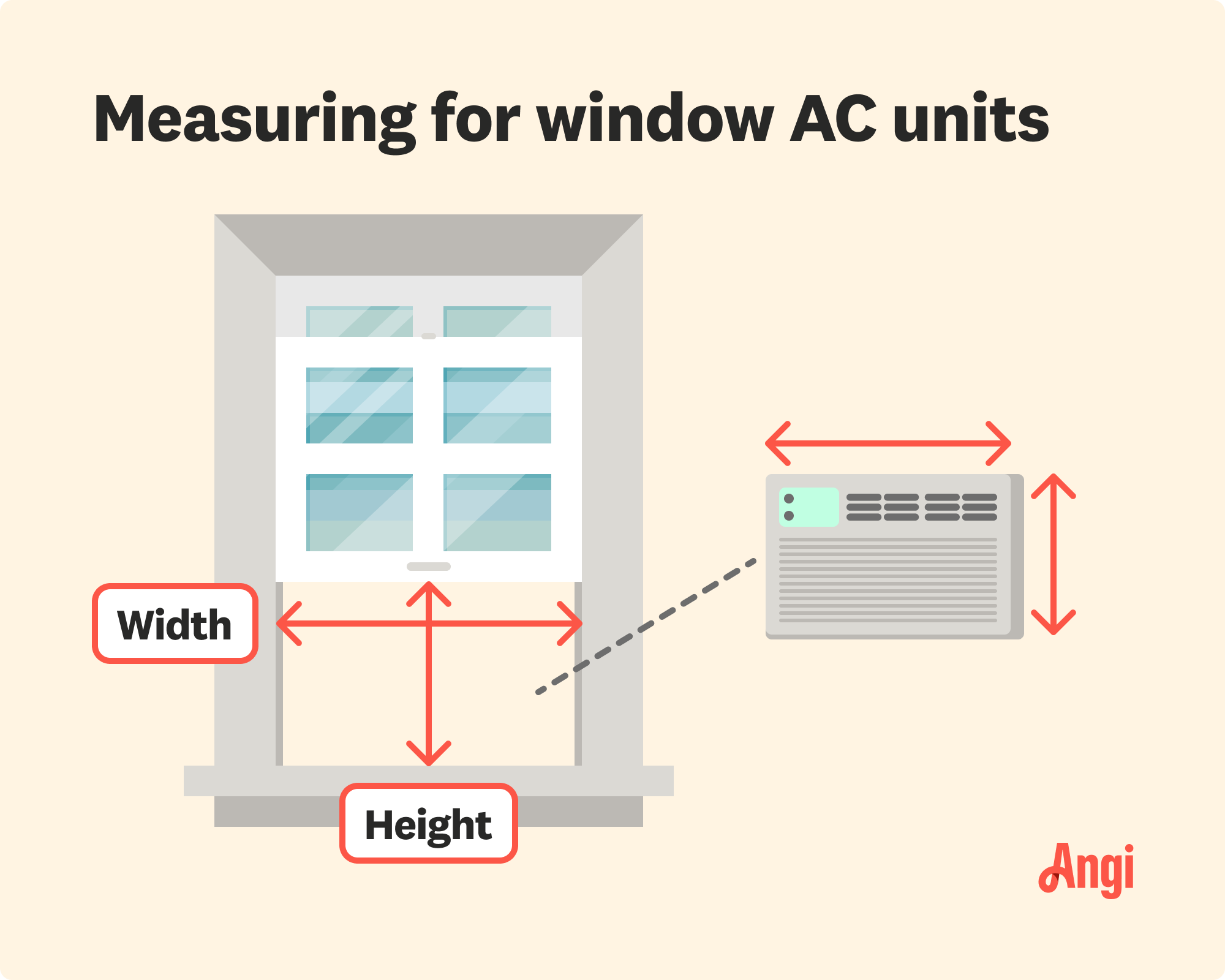
Precise measurements are key for a correct system size. Small errors can cause a system to underperform or waste energy.
- Measure room dimensions carefully
- Check ceiling heights
- Note window size and location
- Record door types and openings
- Include insulation levels in walls and roof
Common Sizing Mistakes To Avoid
Choosing the right size heating and air conditioning system is important. A system that is too big or too small can cause problems. Many people make mistakes when sizing their systems.
This guide explains common errors and what to avoid for better comfort and efficiency.
Oversizing Risks
Oversizing your heating or cooling system can cause short cycling. The system turns on and off too often. This wastes energy and wears out parts faster.
- Higher energy bills
- Uneven room temperatures
- Increased noise from frequent starts
- Reduced humidity control
- More frequent repairs
Undersizing Consequences
Undersized systems run constantly but fail to reach the desired temperature. This causes discomfort and higher energy costs. The system works harder and may break down sooner.
| Issue | Effect |
| Constant operation | Increased energy use |
| Poor temperature control | Rooms stay too hot or cold |
| System stress | Shorter equipment lifespan |
| Humidity problems | Possible mold growth |
Ignoring Maintenance Needs
Regular maintenance keeps your system running well. Ignoring maintenance can cause sizing issues to worsen. Dirty filters and clogged parts reduce system efficiency.
- Change air filters every 1-3 months
- Clean coils and vents yearly
- Check refrigerant levels regularly
- Inspect ductwork for leaks
- Schedule professional tune-ups annually
Credit: www.angi.com
Tips For Energy-efficient Operation
Choosing the right size heating and air conditioning system is important. It helps save energy and keeps your home comfortable. Proper use and care of your system lower energy bills.
This guide shares simple ways to run your system efficiently. Follow these tips to get the best performance and save energy.
Regular System Maintenance
Keep your heating and cooling system clean and checked often. This helps it work well and use less energy. Change filters every one to three months. Clean vents and coils to avoid blockages.
- Replace air filters regularly
- Clean air vents and ducts
- Check for leaks or damage
- Schedule professional inspections yearly
- Keep outdoor units free from debris
Programmable Thermostats
Using a programmable thermostat helps control your system better. Set it to lower heating or cooling when you are away. This saves energy without losing comfort. You can program different temperatures for day and night.
| Time of Day | Recommended Temperature |
| Day (when home) | 68-72°F (20-22°C) |
| Day (away) | 60-65°F (15-18°C) |
| Night | 62-68°F (17-20°C) |
Sealing And Insulating Your Home
Seal gaps and cracks around windows and doors. Good insulation keeps warm or cool air inside. This reduces the work your system must do. Use weatherstripping and caulk to close leaks.
- Check for air leaks in doors and windows
- Add weatherstripping around frames
- Use caulk to seal cracks and holes
- Insulate walls, attic, and floors
- Cover windows with insulating curtains
Frequently Asked Questions
What Factors Determine Hvac System Size?
The size of an HVAC system depends on several factors, including your home’s square footage, insulation quality, and climate zone. These factors influence the heating and cooling load requirements, ensuring optimal system efficiency. Proper sizing prevents energy waste and maintains indoor comfort.
How Does Square Footage Affect Hvac Size?
Square footage is crucial in sizing an HVAC system. Larger areas require more heating and cooling capacity to maintain comfort. An HVAC professional calculates the load, considering square footage, to recommend the right system size for energy efficiency and effective climate control.
Why Is Insulation Important For Hvac Sizing?
Insulation affects how well your home retains heat or cool air. Better insulation reduces the load on your HVAC system, allowing for a smaller, more efficient unit. Proper insulation helps achieve desired indoor temperatures and enhances energy efficiency, lowering utility bills.
How Does Climate Influence Hvac System Size?
Climate significantly impacts HVAC sizing as different regions have varying temperature extremes. In colder climates, larger heating capacity is essential, while hotter areas require more cooling power. Understanding local climate conditions helps in selecting an appropriately sized HVAC system for year-round comfort.
Conclusion
Choosing the right size for your heating and air system saves energy and money. It keeps your home comfortable all year long. Too big or too small systems can cause problems. Measure your space carefully and consider insulation and windows.
Consult a professional if unsure about calculations. A properly sized system runs efficiently and lasts longer. Take your time to get it right. Your home will thank you with better comfort and lower bills. Simple steps lead to smart decisions.