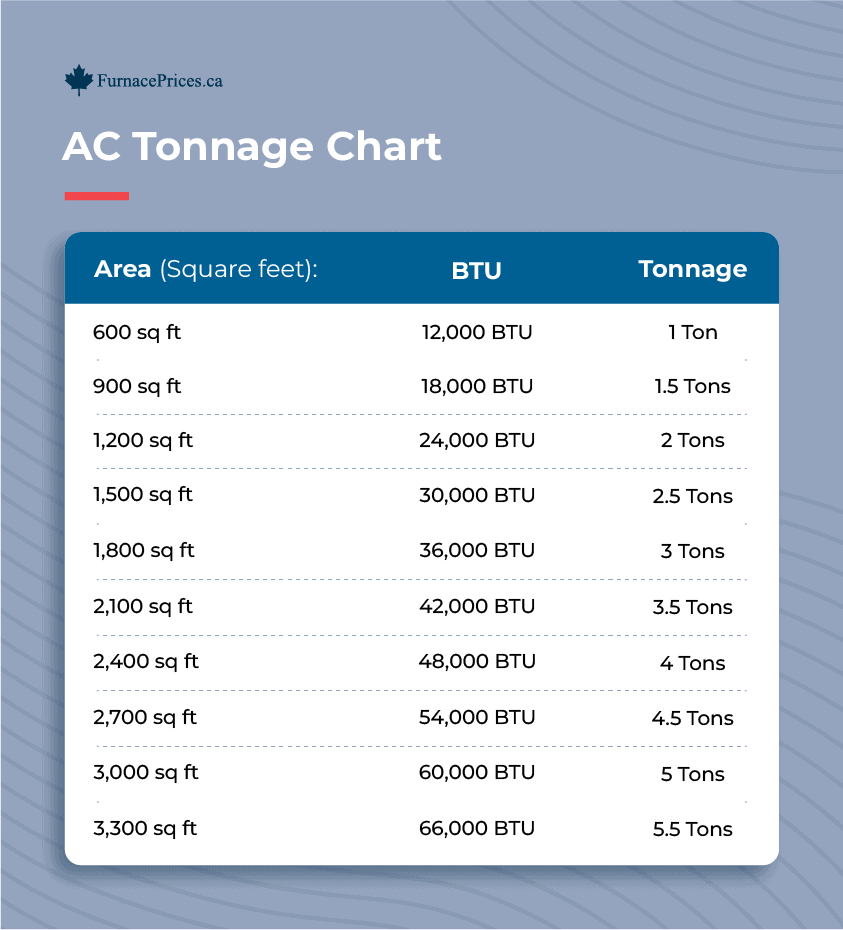
Choosing the right size air conditioner for your space is more important than you might think. If your unit is too small, it won’t cool your room properly.
If it’s too big, you’ll waste energy and money. You want to feel comfortable without breaking the bank. You’ll learn simple, practical steps to find the perfect air conditioner size for your needs. By the end, you’ll be confident in making a smart choice that keeps you cool and saves you money.
Keep reading to discover how easy it can be!
Factors Affecting Ac Size
Choosing the right air conditioner size is important for comfort and energy use. Several factors affect the size of the AC you need.
Understanding these factors helps you pick an air conditioner that cools your space well without wasting energy.
Room Dimensions
The size of the room affects the air conditioner size. Bigger rooms need more cooling power to stay comfortable.
Measure the length and width of the room to find its area. This helps estimate the AC capacity needed.
Ceiling Height
Taller ceilings mean more air space to cool. This requires a larger AC unit or higher cooling capacity.
Standard ceiling height is about 8 feet. If your ceiling is higher, increase the AC size accordingly.
Insulation Quality
Good insulation keeps cool air inside and hot air out. Poor insulation makes the AC work harder.
If your home has old or thin insulation, you may need a bigger AC to maintain comfort.
Window Size And Placement
Large or many windows let in more heat, especially if they face the sun. This increases cooling needs.
South and west-facing windows usually bring in more heat than north or east-facing ones.
- Large windows increase heat gain
- Window direction affects sun exposure
- Shaded windows reduce cooling load
Sun Exposure
Rooms with direct sunlight get warmer. This raises the cooling load on the AC.
Consider window treatments or shading to reduce sun heat and lower AC size needs.
Number Of Occupants
More people in a room produce more body heat. This adds to the cooling requirement.
Plan for extra cooling if several people regularly use the space.
Heat-generating Appliances
Appliances like computers, ovens, and lights release heat. This raises room temperature.
Account for these heat sources when choosing your air conditioner size.
- Kitchen appliances add significant heat
- Electronics produce steady heat
- Lighting type affects heat output
Credit: www.angi.com
Calculating Cooling Capacity
Choosing the right size air conditioner is important for comfort. An AC that is too small will not cool well. One that is too large wastes energy.
Cooling capacity helps you find the right size. It tells you how much heat the AC can remove from a room.
What Is Btu?
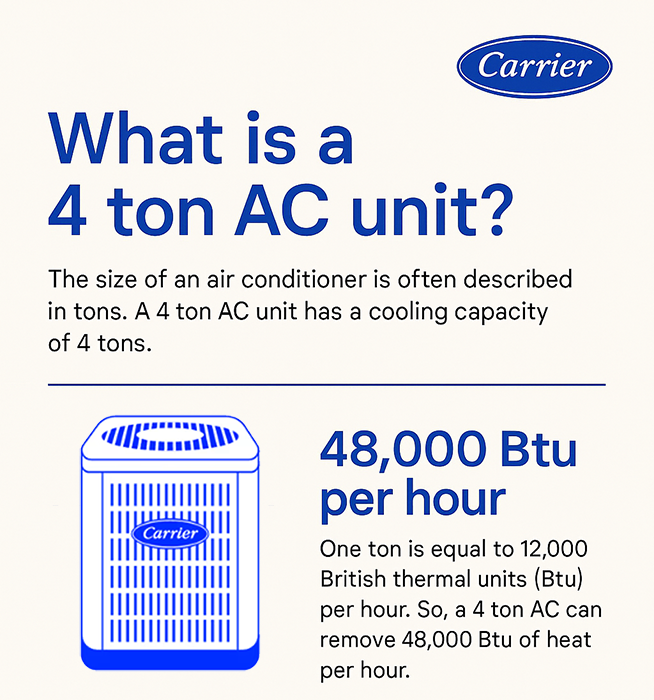
BTU means British Thermal Unit. It measures energy needed to cool or heat a space.
In air conditioners, BTU tells how much heat the unit can remove per hour.
Btu Requirements By Room Size
The size of your room helps decide how many BTUs you need. Bigger rooms need more cooling power.
| Room Size (sq ft) | BTU Needed |
|---|---|
| Up to 150 | 5,000 BTU |
| 150 – 250 | 6,000 BTU |
| 250 – 350 | 8,000 BTU |
| 350 – 450 | 10,000 BTU |
| 450 – 550 | 12,000 BTU |
Adjusting For Climate
Climate affects how much cooling you need. Hotter areas need stronger air conditioners.
- If your area is very hot, add 10-20% more BTUs.
- If your area is cooler, you can reduce BTUs by 10%.
Considering Humidity Levels
Humidity makes rooms feel warmer. High humidity means the AC must work harder.
In humid places, choose an AC with a higher BTU rating. This helps remove moisture too.
Types Of Air Conditioners
Choosing the right air conditioner size depends on the type of unit. Different air conditioners suit different rooms and needs. Knowing the types helps you pick the best one for your space.
This guide explains four common types of air conditioners. Each has features that affect cooling power and installation.
Window Units
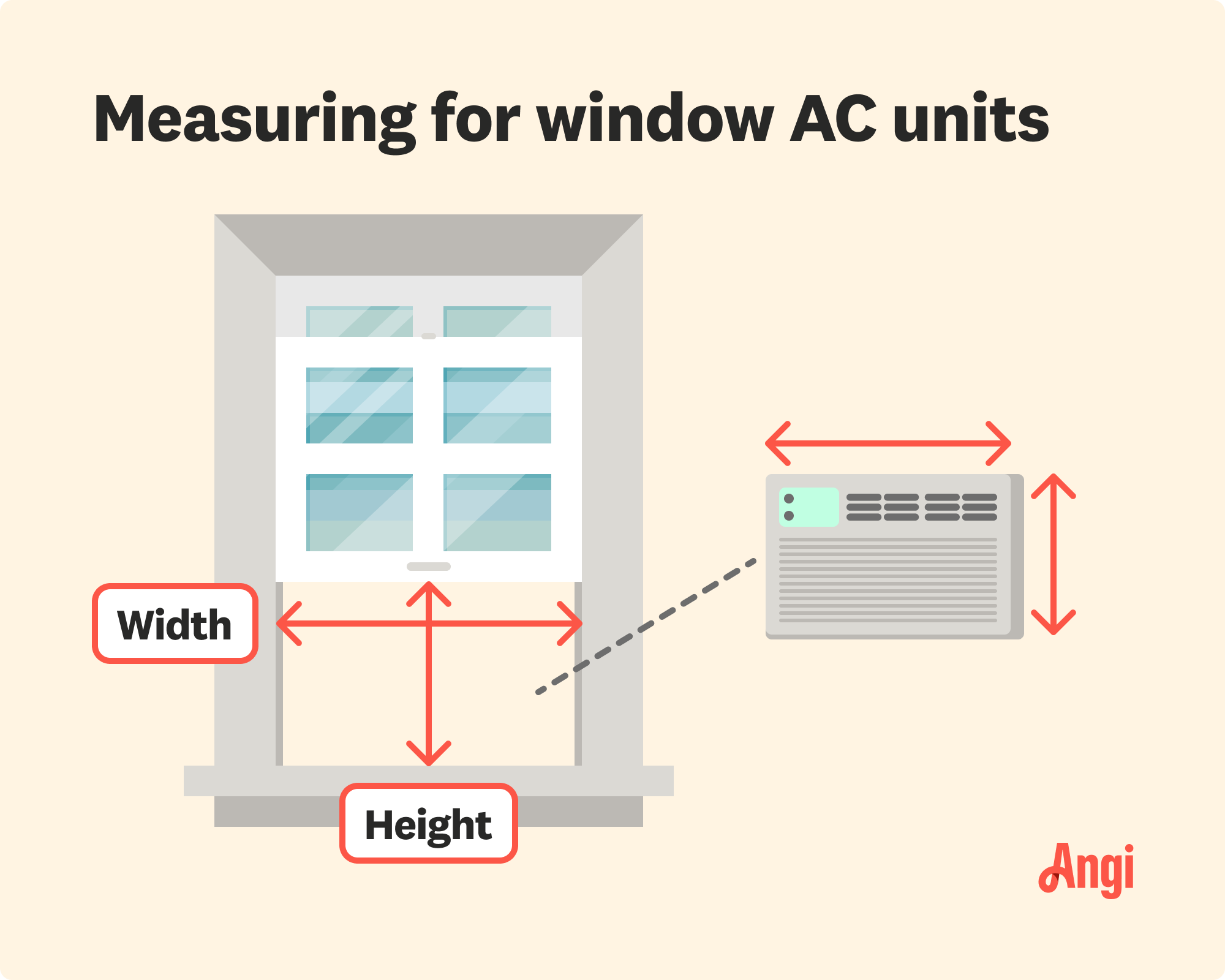
Window air conditioners are compact and fit into window openings. They cool a single room and are easy to install. These units are cost-effective for small spaces.
- Best for small rooms
- Simple installation
- Affordable option
- Limited cooling area
Split Systems
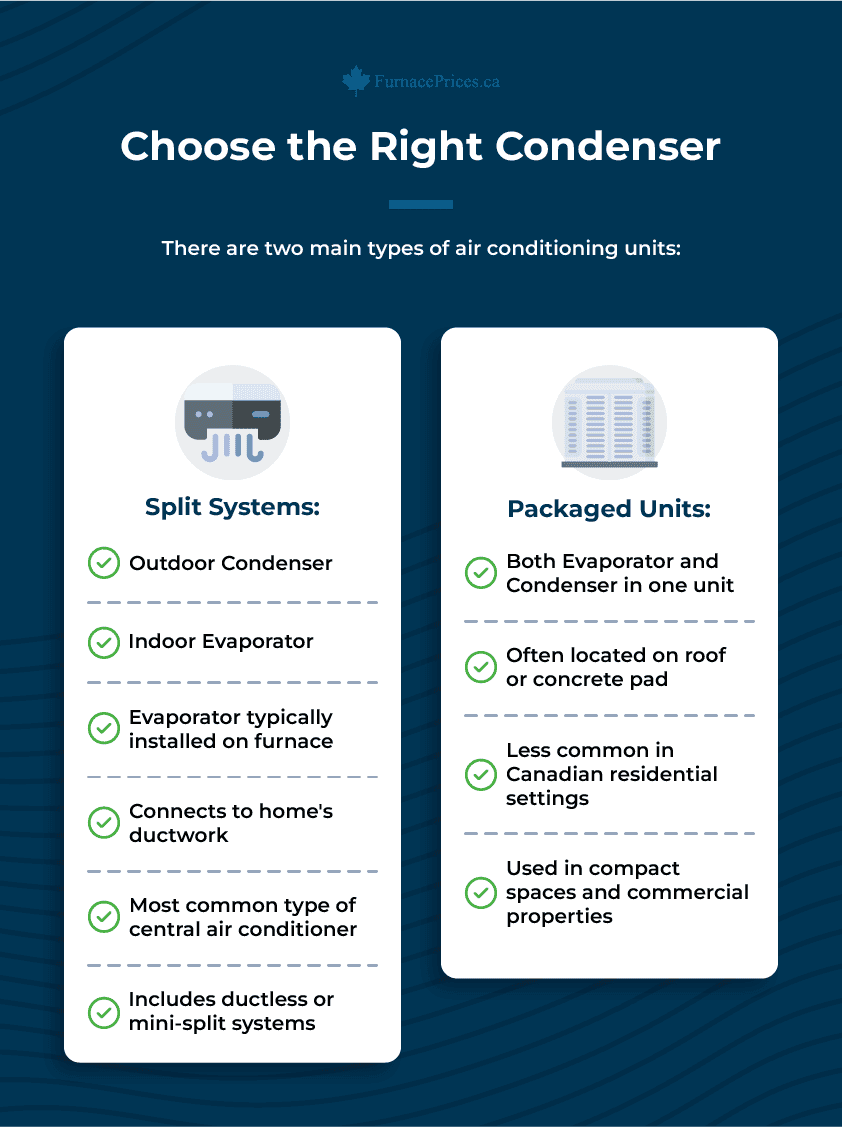
Split systems have two parts: an indoor unit and an outdoor compressor. They cool one or more rooms quietly. These units offer flexible placement and better efficiency than window units.
Split systems are good for homes without window space. They require professional installation and regular maintenance.
Portable Acs
Portable air conditioners stand on the floor and can move between rooms. They need a vent hose connected to a window or wall opening. These units are easy to use but less efficient than fixed systems.
| Feature | Portable AC | Window Unit | Split System |
|---|---|---|---|
| Mobility | High | Low | Fixed |
| Installation | Easy | Moderate | Professional |
| Cooling Area | Small to medium | Small | Small to large |
| Noise Level | Moderate | Loud | Quiet |
Central Air Conditioning
Central air conditioning cools the entire house through ducts. It uses a large outdoor unit connected to indoor vents. This system provides even cooling and works best for big homes.
- Cools multiple rooms at once
- Requires ductwork installation
- Higher installation cost
- Efficient for large spaces
Energy Efficiency And Costs
Choosing the right size air conditioner helps save energy and reduce costs. A unit that fits well cools your space without wasting power.
Energy efficiency lowers monthly bills and protects the environment. Understanding ratings and certifications guides you to smart choices.
Seer Ratings
SEER stands for Seasonal Energy Efficiency Ratio. It measures how much cooling a unit provides for the energy it uses.
Higher SEER ratings mean better efficiency. You get more cooling with less electricity.
- SEER 13 is the minimum for new units
- SEER 16 to 20 offers good energy savings
- Above SEER 20 is highly efficient but costs more upfront
Energy Star Certification
Energy Star is a label for energy-efficient products. It shows that an air conditioner meets strict energy-saving standards.
Choosing Energy Star units ensures you use less energy. This reduces your environmental impact and lowers bills.
- Energy Star units often have higher SEER ratings
- They use advanced technology to save power
- Certified models help you qualify for rebates
Impact On Utility Bills
Efficient air conditioners use less electricity to cool your home. This reduces your monthly utility costs.
A properly sized unit runs less often. It avoids short cycling, which wastes energy and increases bills.
- Small units run longer and may not cool well
- Oversized units turn on and off too often
- Right-sized units balance comfort and cost
Long-term Savings
Buying an efficient air conditioner may cost more upfront. You save money over time with lower energy bills.
Regular maintenance keeps units running efficiently. This extends their life and avoids costly repairs.
- Higher SEER reduces electric bills yearly
- Energy Star units may qualify for tax credits
- Proper sizing avoids early replacements
Common Sizing Mistakes
Choosing the right size air conditioner is important for comfort and energy use. Many people make mistakes when picking a unit size.
These errors cause higher costs and poor cooling. Learn about common sizing problems to avoid them.
Oversizing Issues
An air conditioner that is too big cools the room too fast. It turns off before removing enough humidity.
This leaves the air feeling damp and uncomfortable. Oversized units also use more electricity and wear out quicker.
- Short cooling cycles reduce humidity control
- Higher energy bills from frequent starts and stops
- Increased wear and tear on the unit
- Uneven room temperatures
Undersizing Consequences
A unit that is too small runs all the time but never cools well. It may fail to reach the desired temperature.
This causes discomfort and wastes energy. The air conditioner can overheat and need repairs sooner.
- Long running times increase electricity costs
- Failure to cool the room properly
- Higher risk of breakdowns
- Shorter equipment lifespan
Ignoring Ventilation
Good ventilation helps the air conditioner work better. Without it, heat builds up and cooling becomes harder.
Ignoring airflow needs can cause your unit to work too hard. This lowers its efficiency and comfort level.
- Poor airflow reduces cooling effectiveness
- Increased energy use due to strain on the unit
- Potential for hot spots in the room
- More dust and allergens inside the space
Neglecting Maintenance
Not cleaning and checking your air conditioner causes problems. Dirt and dust block airflow and reduce cooling.
Neglected units use more energy and break down faster. Regular care keeps your system running well and saves money.
- Clogged filters lower air flow
- Dirty coils reduce cooling power
- Worn parts increase repair costs
- Shorter life for the air conditioner
Professional Help And Tools
Choosing the right size air conditioner is important for comfort and energy use. Too small or too big units cause problems.
Professional help and special tools make it easier to find the correct air conditioner size for your home.
Using Online Calculators
Online calculators help estimate the air conditioner size you need. They ask for details about your room or house.
These tools use simple formulas based on room size, windows, and climate to give a cooling capacity estimate.
- Enter room or home square footage
- Provide number of windows and sun exposure
- Note the local climate or temperature range
- Get an estimated cooling capacity in BTUs
Hiring Hvac Experts
HVAC experts have training to measure and recommend the right air conditioner size. They know local climate needs.
Experts visit your home to check insulation, windows, and room layout. They use special tools for accurate results.
- Inspect your home’s cooling needs
- Use precise measurement tools
- Recommend the best size air conditioner
- Offer advice on energy savings
Load Calculation Methods
Load calculation means finding out how much cooling your home needs. It helps pick the right air conditioner size.
This method looks at heat from the sun, people, lights, and appliances. It calculates the total cooling load in BTUs.
- Measure square footage of rooms
- Check window types and shading
- Count number of people usually inside
- Consider heat from appliances and lights
- Calculate total cooling load needed
Getting Multiple Quotes
Getting multiple quotes helps compare prices and advice from different HVAC companies. It ensures fair pricing.
Quotes often include size recommendations, installation costs, and warranty details. This information helps you decide.
- Ask for detailed pricing on air conditioner sizes
- Compare installation and service fees
- Check warranty and maintenance offers
- Choose the best value for your needs
Installation Tips
Choosing the right size air conditioner is just the start. Proper installation is key to making it work well. Follow these tips to get the best cooling and save energy.
Each part of the installation affects how your air conditioner performs. Pay attention to placement, airflow, sealing, and upkeep.
Proper Placement
Place your air conditioner where it can cool the room evenly. Avoid spots near heat sources or direct sunlight. Higher spots on walls often work best.
Ensuring Adequate Airflow
Good airflow helps your air conditioner cool efficiently. Keep vents and filters clear of dirt and objects. Make sure nothing blocks the air inside and outside the unit.
- Do not cover or block vents
- Clean or replace filters regularly
- Keep furniture away from air paths
- Trim plants near outdoor units
Sealing And Insulation
Seal windows and doors well to stop cool air from leaking out. Good insulation keeps your room at a steady temperature and lowers energy use.
| Area | Recommended Action |
| Windows | Use weather stripping or caulk |
| Doors | Install door sweeps |
| Walls | Add insulation if thin or drafty |
| Attic | Ensure proper insulation and ventilation |
Regular Maintenance
Keep your air conditioner running well with regular care. Check for leaks, clean parts, and schedule yearly professional service.
- Inspect for refrigerant leaks
- Clean coils and fins
- Check electrical connections
- Replace filters monthly during use
Credit: www.carrier.com
Credit: www.furnaceprices.ca
Frequently Asked Questions
What Factors Affect The Size Of An Air Conditioner Needed?
Room size, ceiling height, insulation, sunlight, and appliance heat affect AC size. Properly sizing ensures efficient cooling and energy savings.
How Do I Calculate The Right Ac Size For My Room?
Measure your room’s square footage and multiply by 25 to get BTU needs. Adjust for windows, insulation, and occupancy for accuracy.
Why Is Choosing The Correct Ac Size Important?
The right AC size cools efficiently, saves energy, and reduces wear. Oversized or undersized units cause discomfort and higher bills.
Can An Ac Be Too Big For A Room?
Yes, oversized AC cools quickly but causes humidity and energy waste. Proper sizing balances comfort and efficiency.
Conclusion
Choosing the right air conditioner size is crucial. It ensures comfort and efficiency. Measure your room carefully. Check the BTU chart for guidance. Consider factors like sunlight and insulation. These affect cooling needs. A too-small unit struggles to cool. A too-large unit wastes energy.
Both options cost more long-term. Invest time in research. You’ll save money and enjoy better comfort. Remember, a perfect fit means better air quality. A professional can always help if unsure. With the right size, your home stays comfortable and energy bills stay low.