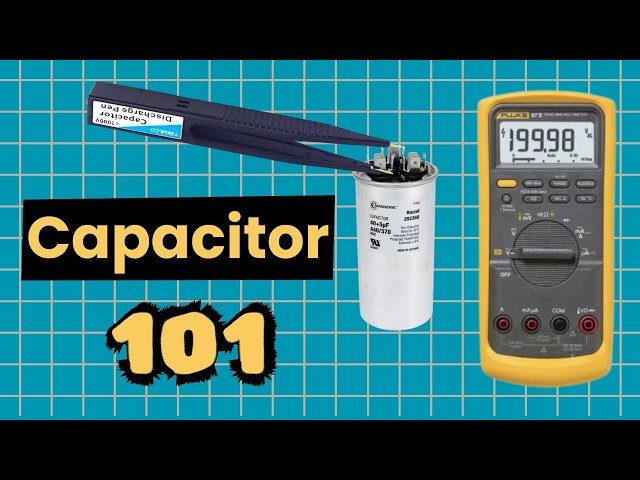
If you’ve ever worked on your air conditioner, you know the capacitor is a small but powerful part that helps your unit start and run smoothly. But before you touch it, there’s an important safety step you can’t skip: discharging the capacitor.
Skipping this step can lead to serious shocks that might harm you or damage your system. You’ll learn exactly how to safely discharge your air conditioner capacitor, step by step. By the end, you’ll feel confident handling this task with ease and keep your AC running safely.
Ready to get started? Let’s dive in.
Safety Precautions
Always turn off the power supplybefore handling the capacitor. This stops any electrical flow and keeps you safe.
Wear protective gearlike gloves and safety glasses. This protects your hands and eyes from sparks or shocks.
Use insulated toolsto avoid electric shock. Tools with plastic or rubber handles work best.
- Check the power is off with a tester.
- Wear gloves to protect your skin.
- Put on glasses to guard your eyes.
- Choose tools with insulation covers.
- Work carefully and slowly to stay safe.

Credit: www.reddit.com
Identify The Capacitor
The capacitoris a small, round, or oval part inside the air conditioner. It stores electrical energy to help start the motor. Find it near the compressor or fan motor. It usually has two or three wires attached.
Check the label on the capacitor. It shows the type and rating. The rating tells how much electricity it can hold. Common types are run capacitorsand start capacitors. The label also shows voltage and microfarad (µF) values.
| Capacitor Type | Purpose | Common Rating |
|---|---|---|
| Run Capacitor | Keeps motor running smoothly | 5-50 µF, 370-440V |
| Start Capacitor | Helps start the motor | 70-400 µF, 250-450V |
Prepare For Discharge
Gathering the right toolsis important for safety. You will need:
- A multimeterto check voltage
- Insulated screwdriverfor discharge
- Safety glovesto protect your hands
- Safety glassesto protect your eyes
Setting up a safe workspacehelps avoid accidents. Choose a dry, flat area with good light. Make sure no children or pets are nearby. Clear the area of any clutter. Turn off the air conditioner and unplug it from power. Wait a few minutes to let the capacitor cool down. Always work on a non-conductive surfaceto prevent shocks.

Credit: www.youtube.com
Discharge The Capacitor
To safely discharge an air conditioner capacitor, use a resistor with a rating between 20,000 to 50,000 ohmsand a power rating of at least 5 watts. Attach the resistor’s leads to the capacitor’s terminals carefully. Hold the resistor for about 30 secondsto allow the charge to drain.
Other methods include using a screwdriver with an insulated handle to short the terminals, but this can cause sparks and damage the capacitor. Using a multimeter with a discharge function can also help, but it requires the correct tool.
Always verify discharge completion before touching the capacitor. Use a multimeterset to measure voltage across terminals. A reading near 0 voltsmeans the capacitor is fully discharged and safe to handle.
Post-discharge Steps
Carefully check the capacitor for any visible signs of damage. Look for bulges, cracks, or leaks. These signs mean the capacitor is unusableand must be replaced.
Use a multimeter to test the capacitor’s capacitance. This confirms if it is working properly. If the readings are off, the capacitor needs replacement.
- Wear insulated glovesbefore touching the capacitor.
- Always discharge the capacitor again before handling it further.
- Do not try to repair a damaged capacitor; always replace it.
- Dispose of old capacitors according to local electronic wasterules.

Credit: www.youtube.com
Common Mistakes To Avoid
Safety is key.Never skip wearing insulated gloves and goggles. Capacitors store a lot of energy. They can give a strong shock if not handled right.
Use proper tools.Only use a screwdriver with an insulated handle. Avoid metal tools without insulation. This stops electric shock and damage.
Take your time. Rushing the discharge process is risky.Slowly connect the tool to the capacitor terminals. Allow enough time for the charge to leave safely.
Frequently Asked Questions
How To Safely Discharge An Ac Capacitor?
To safely discharge an AC capacitor, first, turn off the power supply. Use a screwdriver with an insulated handle to short the terminals. This will release any stored charge. Always wear safety gloves and goggles. Ensure the capacitor is fully discharged before handling further.
Why Discharge An Air Conditioner Capacitor?
Discharging an air conditioner capacitor prevents electrical shock. Capacitors store electricity even when the unit is off. Without proper discharge, touching a charged capacitor can be dangerous. Always discharge before repairs to ensure safety. It’s a crucial step in maintaining your air conditioner’s components.
Can I Discharge A Capacitor Without A Tool?
It’s not recommended to discharge a capacitor without a tool. Use an insulated screwdriver for safety. Tools ensure the stored charge is safely released. Without them, you risk electrical shock. Always prioritize safety and use appropriate equipment when dealing with capacitors.
What Tools Are Needed To Discharge A Capacitor?
To discharge a capacitor, you’ll need an insulated screwdriver and safety gear. Safety gloves and goggles are essential. These tools ensure safe and effective discharge. Avoid using makeshift tools, as they can be unsafe. Proper tools protect you from potential electrical hazards during the process.
Conclusion
Discharging an air conditioner capacitor is safe and simple with care. Always turn off power before starting work. Use a screwdriver with an insulated handle to avoid shocks. Follow the steps slowly and carefully for best results. Taking these precautions helps protect you and your AC unit.
Now, you can handle capacitor discharge with confidence and safety. Remember, safety always comes first when working with electrical parts. This small task helps maintain your air conditioner’s performance.