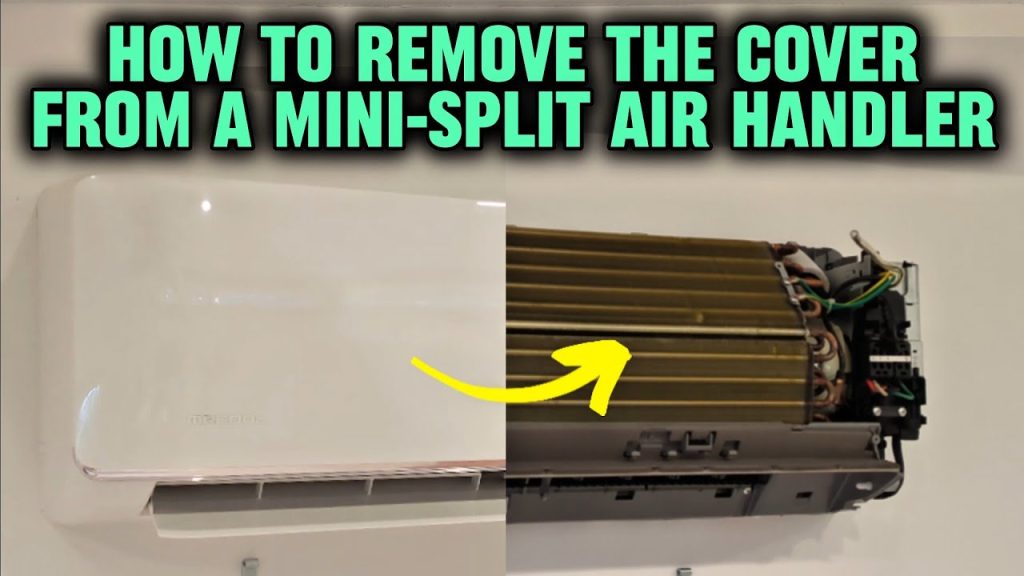
Is your air conditioner acting up, or do you need to safely disconnect it for maintenance? Knowing how to disconnect your air conditioner properly can save you time, money, and even prevent accidents.
In this guide, you’ll learn simple, step-by-step instructions to disconnect your AC without stress or confusion. Whether you’re a beginner or just want to do it right, this article will give you the confidence to handle your air conditioner safely.
Keep reading to make sure you don’t miss any important steps!

Credit: www.youtube.com
Prepare The Workspace
Before disconnecting an air conditioner, it is important to prepare the workspace. This helps keep the process safe and smooth.
Preparing your workspace reduces risks and makes the job easier to manage.
Gather Necessary Tools
Collect all tools needed for disconnecting the air conditioner before you start. This saves time and avoids interruptions.
- Screwdrivers (flat and Phillips)
- Wrench set
- Voltage tester
- Insulated gloves
- Safety glasses
- Bucket or container for draining water
Turn Off Power Supply
Switch off the power to the air conditioner at the circuit breaker. This prevents electric shock while working.
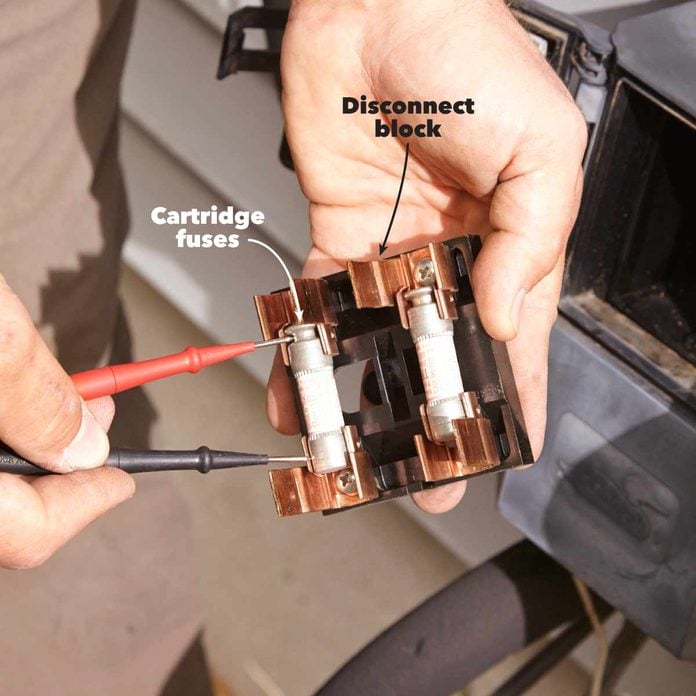
Use a voltage tester to make sure the power is off before touching any wires or parts.
Clear Surrounding Area
Remove any furniture or objects near the air conditioner. This gives you enough space to work safely.
Keep the area dry and clean to avoid slips or accidents during the disconnection.

Credit: www.reddit.com
Drain The Refrigerant
Draining the refrigerant is an important step when disconnecting an air conditioner. It helps to avoid releasing harmful gases into the air.
You must follow the right process and use proper tools to drain refrigerant safely and correctly.
Locate Refrigerant Lines
Find the refrigerant lines on your air conditioner unit. These are usually copper tubes that carry the refrigerant.
Look for two lines: a thicker suction line and a thinner liquid line. These connect the indoor and outdoor units.
Use Proper Equipment
Use a refrigerant recovery machine to drain the refrigerant safely. This machine captures and stores the gas.
Wear gloves and safety goggles to protect yourself. Use proper gauges and hoses to connect the system.
- Refrigerant recovery machine
- Protective gloves
- Safety goggles
- Pressure gauges
- Hoses and fittings
Follow Safety Precautions
Turn off the air conditioner and unplug it before starting. Make sure the area is well ventilated.
Do not release refrigerant into the air. Follow local laws for refrigerant handling and disposal to protect the environment.
- Wear protective gear
- Work in a ventilated area
- Use approved recovery tools
- Never vent refrigerant outside
- Follow local regulations
Disconnect Electrical Connections
Disconnecting the electrical connections of an air conditioner is important for safety. You must turn off power before starting.
Carefully handle wires and connectors to avoid damage or electric shock. Follow the steps below to disconnect safely.
Identify Wiring
Look at the wires connected to the air conditioner. Each wire has a color or label to show its purpose.
Find the main power wires and any control wires. Knowing which wire is which helps prevent mistakes.
- Black or red wires often carry power
- White wires usually are neutral
- Green or bare wires are ground wires
Remove Wire Connectors
Wire connectors join wires together. You need to carefully remove them to disconnect the wires.
Use a screwdriver or pliers to loosen the connectors. Pull wires out gently without damaging them.
- Turn off the circuit breaker before touching connectors
- Loosen screws on wire nuts or terminal blocks
- Handle wires gently to avoid breaking insulation
Secure Loose Wires
After removing connectors, some wires may be loose. Secure them to prevent hazards or shorts.
Use electrical tape or wire caps to cover exposed wire ends. Keep wires away from metal parts.
- Wrap wire ends with electrical tape
- Use wire caps to cover bare wires
- Keep wires organized to avoid tangles
Detach Air Conditioner Unit
Detaching your air conditioner unit is important for cleaning or moving it. Doing this carefully keeps the unit safe.
Follow simple steps to remove the unit without damage or injury.
Remove Mounting Screws
Find the screws that hold the air conditioner to the wall or window frame. These screws keep the unit steady.
Use a screwdriver to turn and remove all mounting screws. Keep the screws safe for reinstallation.
Handle Unit Carefully
Air conditioner units can be heavy and fragile. Hold the unit firmly with both hands when removing it.
Avoid dropping or tilting the unit too much. This can cause damage to internal parts.
Check For Obstructions
Look around the air conditioner for any wires or parts that block removal. These can be power cords or brackets.
Clear away any objects before pulling the unit out. This prevents damage to the unit and nearby walls.
Seal Refrigerant Lines
Sealing refrigerant lines is important when disconnecting an air conditioner. It stops leaks and keeps dirt out.
This process protects the system and prepares it for future use or disposal.
Cap Or Plug Lines
After disconnecting the refrigerant lines, you must cap or plug them tightly. This prevents refrigerant from escaping.
Use proper caps or plugs designed for refrigerant lines to ensure a secure seal.
Prevent Contamination
Contamination can damage the air conditioner system. Keep dirt, moisture, and air out of the lines.
- Clean the area around the lines before sealing.
- Use dry, sealed caps or plugs to avoid moisture entry.
- Store the disconnected lines in a dry place.
- Check seals regularly if the lines stay disconnected for long.
Prepare For Reinstallation Or Disposal
| Action | Purpose |
| Label the sealed lines | Identify the system during reinstallation |
| Store lines in a safe place | Prevent damage or loss |
| Dispose of old lines properly | Follow local environmental rules |
| Inspect seals before reuse | Ensure no leaks or contamination |
Credit: www.familyhandyman.com
Dispose Or Store Unit Safely
Disconnecting your air conditioner requires care. Proper disposal or storage keeps you safe and protects the environment.
Follow these tips to handle your unit the right way after disconnecting it.
Follow Local Disposal Guidelines
Check local rules before disposing of your air conditioner. Different areas have unique laws about electronic waste and refrigerants.
Contact your city or waste management office to learn how to dispose of your unit safely.
Consider Recycling Options
Recycling your air conditioner helps save materials and reduce pollution. Many parts can be reused or recycled.
- Remove refrigerants safely with a professional
- Recycle metal and plastic components
- Find certified e-waste recycling centers
- Avoid dumping the unit in landfills
Store For Future Use
If you plan to keep your air conditioner, store it in a dry, cool place. Proper storage stops damage and keeps it ready to use.
| Storage Tip | Reason |
| Cover unit with plastic sheet | Keeps dust and moisture out |
| Place on pallets or blocks | Prevents ground moisture damage |
| Keep away from direct sunlight | Prevents material degradation |
| Store indoors if possible | Protects from weather and pests |
Final Safety Checks
Disconnecting an air conditioner requires careful attention to safety. Final checks help prevent accidents and damage.
Review your workspace and tools before finishing the job. Confirming power is off is very important.
Inspect Workspace
Look around the area where you worked. Make sure nothing is left that could cause harm or damage.
Check for loose wires, sharp edges, or spills. Clear any obstacles that might cause trips or falls.
- Remove any tools not in use
- Clear away debris or trash
- Secure cables and wires
- Check for water or coolant leaks
Confirm Power Is Off
Double-check that the air conditioner is completely disconnected from power. This step is key to your safety.
Use a voltage tester or multimeter to be sure. Never assume the power is off without testing.
- Switch off the circuit breaker for the AC unit
- Test wires and terminals with a voltage tester
- Verify no electricity flows before proceeding
Clean Up Tools And Debris
Put away all tools used during disconnection. Cleaning up keeps the area safe and ready for use.
Dispose of any debris or waste properly. Leaving a clean space helps avoid accidents later.
- Gather all hand tools and power tools
- Store tools in their proper place
- Throw away packaging and scraps
- Wipe down surfaces if needed
Frequently Asked Questions
How Do I Safely Disconnect My Air Conditioner?
To safely disconnect your air conditioner, first, turn off the power at the circuit breaker. Then, unplug the unit or disconnect the power source. Ensure all electrical connections are properly insulated. Finally, remove any mounting hardware if necessary. Always consult the user manual for specific instructions related to your model.
What Tools Are Needed To Disconnect An Air Conditioner?
To disconnect an air conditioner, you’ll typically need a screwdriver, wrench, and possibly pliers. These tools help in removing mounting brackets and disconnecting electrical connections. Always ensure you have safety gloves and goggles. Check your air conditioner’s manual for any additional tool requirements specific to your model.
Can I Disconnect The Air Conditioner Myself?
Yes, you can disconnect your air conditioner yourself. Ensure you follow the manufacturer’s instructions carefully. Turn off the power before starting. Use the appropriate tools and safety gear. If unsure, consult a professional to avoid potential hazards or damage to the unit.
Why Should I Disconnect My Air Conditioner?
Disconnecting your air conditioner might be necessary for maintenance, relocation, or during off-seasons. It helps in preventing electrical hazards and prolonging the unit’s lifespan. Additionally, it allows for thorough cleaning and inspection, ensuring optimal performance when reconnected.
Conclusion
Disconnecting an air conditioner can be safe and simple. Always turn off the power before you start. Follow the steps carefully to avoid damage or injury. Use the right tools and work slowly. If unsure, ask a professional for help.
Taking your time helps prevent mistakes. Keep your AC in good shape by disconnecting it properly. This way, you protect your home and yourself. Remember, safety is the top priority in every step. Now, you can handle this task with more confidence.