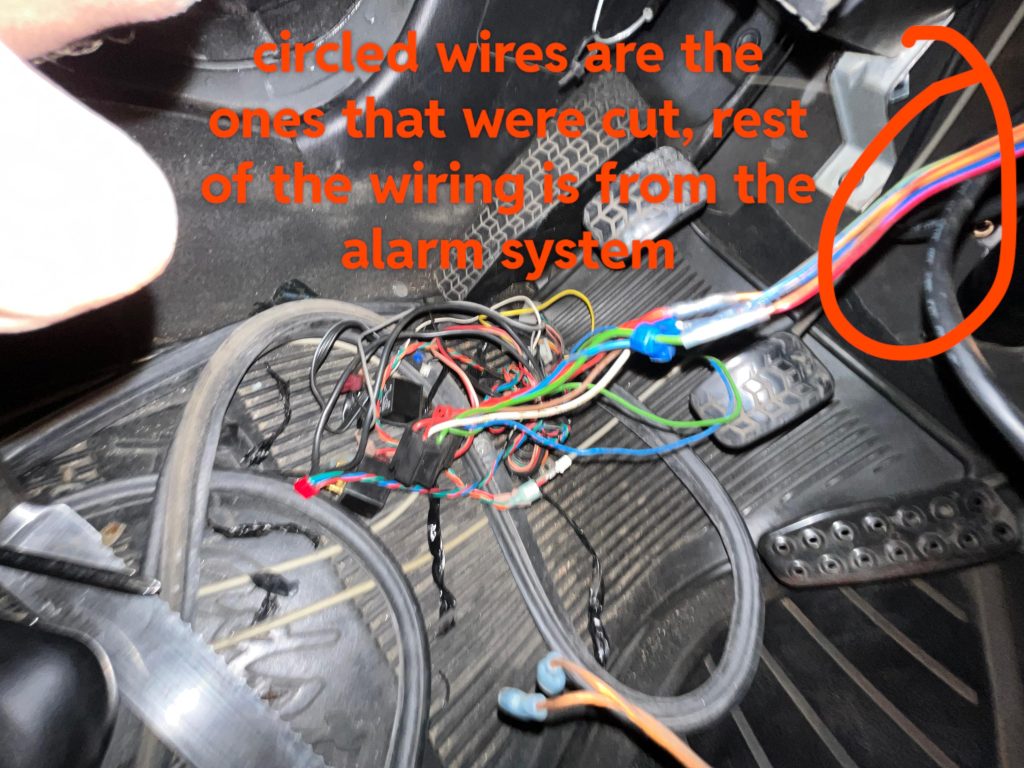
Your car alarm can be a lifesaver, but sometimes it goes off at the worst moments. Maybe it’s malfunctioning, or you need to disable it quickly for repairs or maintenance.
Knowing how to disconnect your car alarm system can save you frustration and prevent unnecessary noise. In this guide, you’ll find clear, simple steps to turn off your car alarm safely and effectively. Keep reading, and you’ll gain control over your car’s security system in no time.

Credit: www.reddit.com
Car Alarm Basics
A car alarm helps protect your vehicle from theft and damage. It uses sounds and lights to warn you and others.
Knowing how your car alarm works is important if you need to disconnect it safely.
Common Alarm Types
There are different kinds of car alarms. Some are simple, and others have many features.
- Shock Sensor Alarms: Triggered by impact or vibration.
- Door Sensor Alarms: Activate when doors open without key.
- Motion Sensor Alarms: Detect movement inside the car.
- Glass Break Sensors: React to the sound of broken glass.
- GPS Alarms: Track the car’s location and send alerts.
How Alarms Work
Car alarms use sensors to detect threats. When triggered, they send a signal to the control unit.
The control unit then activates the siren or horn to make noise. It may also flash the lights.
- Sensors detect a break-in or movement.
- Control unit processes sensor signals.
- Siren or horn sounds to alert owners and others.
- Lights flash to attract attention.
- Some alarms notify the owner via phone or app.
When To Disconnect The Alarm
Car alarms protect your vehicle from theft. Sometimes, you need to disconnect the alarm. Knowing when to do this helps avoid problems.
Disconnecting the alarm can be temporary or permanent. The right choice depends on the situation and alarm condition.
Signs Alarm Malfunctions
Car alarms can malfunction and cause trouble. You may want to disconnect the alarm if you notice these signs.
- The alarm sounds randomly without reason
- It does not stop when you use the key or remote
- The alarm does not activate at all
- Battery drains quickly when the alarm is on
- False alarms disturb neighbors or yourself
Temporary Vs Permanent Disconnection
Decide if you need to disconnect the alarm for a short time or forever. Each option has different steps and effects.
| Type | When to Use | Effect |
| Temporary | During car repairs or battery changes | Alarm will work again after reset |
| Permanent | Alarm is faulty and cannot be fixed | Alarm system stays off permanently |
Temporary disconnection lets you fix or check the car without alarm disturbance. Permanent disconnection stops the alarm but may reduce car security.
Tools Needed
Disconnecting a car alarm system requires the right tools to do the job safely and efficiently. Having these tools ready will save time and reduce damage to your vehicle.
Below is a list of basic tools and safety gear you should have before starting the work on your car alarm system.
Basic Tools Checklist
- Flathead screwdriver
- Phillips screwdriver
- Wire cutters
- Electrical tape
- Multimeter for testing circuits
- Socket wrench set
- Trim removal tools
These tools help you open panels, cut wires, and test electrical connections safely and effectively.
Safety Gear
| Safety Gear | Purpose |
| Safety glasses | Protect eyes from sparks and debris |
| Insulated gloves | Prevent electric shocks |
| Long sleeves | Protect skin from cuts and burns |
| Work boots | Provide foot protection |
Wearing the right safety gear helps prevent injuries while working with electrical components and sharp tools.
Disconnecting The Alarm
Disconnecting a car alarm can stop unwanted noise or reset the system. It can also help if the alarm is faulty.
Before you start, make sure you have basic tools like screwdrivers and gloves. Work carefully to avoid damaging your car.
Locate The Alarm Unit
Find the alarm unit inside your car. It is usually under the dashboard or near the steering wheel.
Check for a small box with wires connected to it. This box is the alarm control module.
Disconnecting The Battery
Turn off your car before disconnecting the battery. This prevents electrical shocks and damage.
Use a wrench to loosen the negative battery terminal. Remove the cable from the battery post carefully.
- Wear gloves to protect your hands
- Always remove the negative terminal first
- Do not touch both battery terminals at the same time
Unplugging The Alarm Fuse
Locate the fuse box in your car. It is often under the dashboard or in the engine bay.
Find the fuse linked to the alarm. Pull it out gently using a fuse puller or pliers.
- Check the fuse diagram on the fuse box cover
- Do not use metal tools to pull fuses
- Replace the fuse if you want to restore the alarm later
Removing The Alarm Module
After disconnecting power, remove screws or clips holding the alarm module in place.
Disconnect all wires from the module carefully. Keep track of where each wire goes.
- Use a screwdriver to remove mounting screws
- Label wires with tape for easy reconnection
- Store the module safely if you plan to reuse it
Troubleshooting Tips
Car alarms can be helpful but sometimes they cause trouble. Knowing how to disconnect them safely is important. This guide offers tips to fix common problems.
Follow these steps to stop your car alarm and reset the system if needed. These tips are simple and clear.
Alarm Still Sounds
If your car alarm keeps going off, first check the key fob battery. A weak battery can cause false alarms.
Try locking and unlocking the car with the key manually. This can sometimes stop the alarm from sounding.
- Replace the key fob battery if it is low
- Use the car key to lock and unlock the doors
- Check all doors, trunk, and hood for proper closing
- Disconnect the car battery if the alarm won’t stop
Resetting The Alarm System
Sometimes the alarm system needs a reset to work properly again. Find your car’s manual to locate the alarm fuse or module.
Remove the fuse for a few minutes, then put it back. This resets the alarm and can fix false alarms or sensor errors.
- Turn the ignition off before removing the fuse
- Wait 5 to 10 minutes before reinserting the fuse
- Lock and unlock the car to check if the alarm resets
- If the problem continues, consider professional help
Credit: www.maseratilife.com
Preventing Future Issues
Disconnecting your car alarm system can stop unwanted noise and false alerts. To avoid problems later, proper care is important.
Following simple steps keeps your alarm working well. It also helps protect your car from theft or damage.
Regular Maintenance
Check your car alarm system often. Regular checks can find small faults before they grow into big issues.
- Test the alarm sensors monthly to ensure they work.
- Clean alarm components to prevent dirt buildup.
- Replace worn or dead batteries in remote controls.
- Check wiring for loose or damaged connections.
- Keep the alarm system software updated if possible.
Upgrading Alarm Systems
Older alarm systems may fail more often. Upgrading can improve security and reduce false alarms.
| Upgrade Option | Benefit |
| Smart alarms with smartphone control | Remote monitoring and control |
| Shock and motion sensors | Better detection of break-ins |
| Backup battery systems | Alarm works even if car battery dies |
| Silent alarms | Alert owner quietly without noise |
Safety Precautions
Disconnecting a car alarm system can be tricky and dangerous. You must follow safety steps to protect yourself and your vehicle.
Taking proper precautions helps avoid damage and injury during the process.
Avoiding Electrical Hazards
Car alarm systems connect to your vehicle’s electrical parts. Working on them can cause electric shocks or short circuits.
Always disconnect the car battery before starting. This stops electricity flow and lowers risk of shock.
- Wear insulated gloves to protect from electric shocks
- Use tools with insulated handles only
- Avoid working in wet or damp conditions
- Do not touch metal parts with bare hands
- Check for damaged wires before handling
Protecting Vehicle Electronics
Modern cars have sensitive electronic systems. Disconnecting the alarm incorrectly can cause damage to these parts.
Handle wires and connectors gently to avoid breaking or shorting circuits.
- Use the car manual to identify alarm wires correctly
- Do not cut wires unless you are sure of their purpose
- Keep metal tools away from circuit boards
- Reconnect the battery only after finishing all steps
- Test the vehicle systems after disconnecting the alarm

Credit: www.reddit.com
Frequently Asked Questions
How Do I Safely Disconnect My Car Alarm System?
To safely disconnect your car alarm, first locate the alarm fuse or relay in the fuse box. Remove it carefully to cut power. Alternatively, disconnect the car battery’s negative terminal. Always consult your vehicle manual and ensure the engine is off before starting.
Can I Disconnect A Car Alarm Without A Key?
Yes, but it’s challenging. You may need to access the alarm fuse or disconnect the battery. Some cars require a special reset procedure. Avoid damaging the wiring and consult the vehicle manual or a professional for guidance.
What Tools Are Needed To Disconnect A Car Alarm?
You typically need a fuse puller or pliers to remove the alarm fuse. A wrench or socket set is required to disconnect the battery terminal. Always have your vehicle’s manual handy for specific instructions and safety precautions.
Will Disconnecting The Car Alarm Affect The Vehicle’s Electronics?
Disconnecting the car alarm can affect other electronics if integrated with the security system. It may disable features like remote keyless entry. Always check your vehicle’s manual and consider professional help to avoid unintended issues.
Conclusion
Disconnecting a car alarm system doesn’t have to be difficult. Follow the steps carefully to ensure safety and success. Always refer to your car’s manual for guidance. Tools needed are usually simple and easily available. Remember, patience is key when working on your car.
Check connections twice to avoid future issues. If unsure, consult a professional to prevent damage. Properly managing your car alarm enhances vehicle security. Enjoy a quieter and more peaceful driving experience. Stay informed and keep learning about your car’s features.
This knowledge helps in future DIY projects.