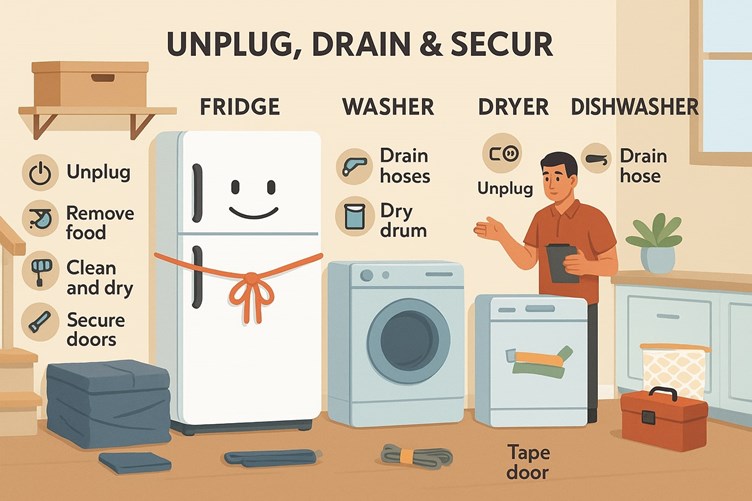
Are you ready to disconnect your washer and dryer but unsure where to start? Whether you’re moving, upgrading, or just need to clean behind your machines, knowing how to safely and correctly disconnect them is key.
This guide will walk you through each step with simple instructions, so you can avoid damage and save time. Keep reading, and you’ll gain the confidence to handle this task like a pro.

Credit: www.youtube.com
Tools Needed
Disconnecting a washer and dryer safely requires some basic tools. Having the right tools makes the job easier and faster.
Use tools designed for plumbing and electrical work. This helps avoid damage to your appliances and home.
Adjustable Wrench
An adjustable wrench helps you loosen and tighten water supply connections. It fits different sizes of nuts and bolts.
- Used for water hose connections
- Helps prevent stripping nuts
- Easy to adjust for various fittings
Pliers
Pliers grip and turn small parts or connectors. They help remove clamps or secure hoses.
- Useful for hose clamps
- Good for tight spaces
- Provides extra grip strength
Screwdriver
A screwdriver removes screws that hold panels or covers. You may need a flathead or Phillips type.
- Used for removing dryer vent covers
- Needed to open access panels
- Choose correct head to avoid stripping screws
Bucket Or Towels
A bucket or towels catch water from disconnected hoses. This prevents water from spilling on the floor.
- Place under hoses before removal
- Use towels to soak up small spills
- Keep area dry for safety
Voltage Tester
A voltage tester checks if power is off. It ensures the dryer is safe to disconnect from electricity.
- Test electrical outlets before unplugging
- Prevents electric shock accidents
- Simple device to use
Credit: www.angi.com
Prepare The Area
Before disconnecting your washer and dryer, get the space ready. This helps keep you safe and makes the job easier.
Take time to organize the area around the appliances. Make sure you have clear access to power and water sources.
Clear Surroundings
Remove items near your washer and dryer. This prevents accidents and gives you room to work.
Clear the floor space and move any furniture or boxes away from the appliances.
- Unplug nearby electronics
- Move rugs or mats
- Keep cleaning supplies away
- Ensure good lighting in the area
Turn Off Power And Water
Switch off the power to your washer and dryer to avoid electric shock. Use the circuit breaker or unplug the units.
Shut off the water supply to stop leaks. Find the valves near the machines and turn them clockwise.
- Locate the main power switch or breaker
- Unplug washer and dryer from outlets
- Turn off hot and cold water valves
- Check hoses for water leaks before disconnecting
Disconnect Washer
Disconnecting your washer safely is important before moving or servicing it. Follow simple steps to avoid damage or leaks.
This guide covers unplugging the washer, detaching water hoses, and removing the drain hose.
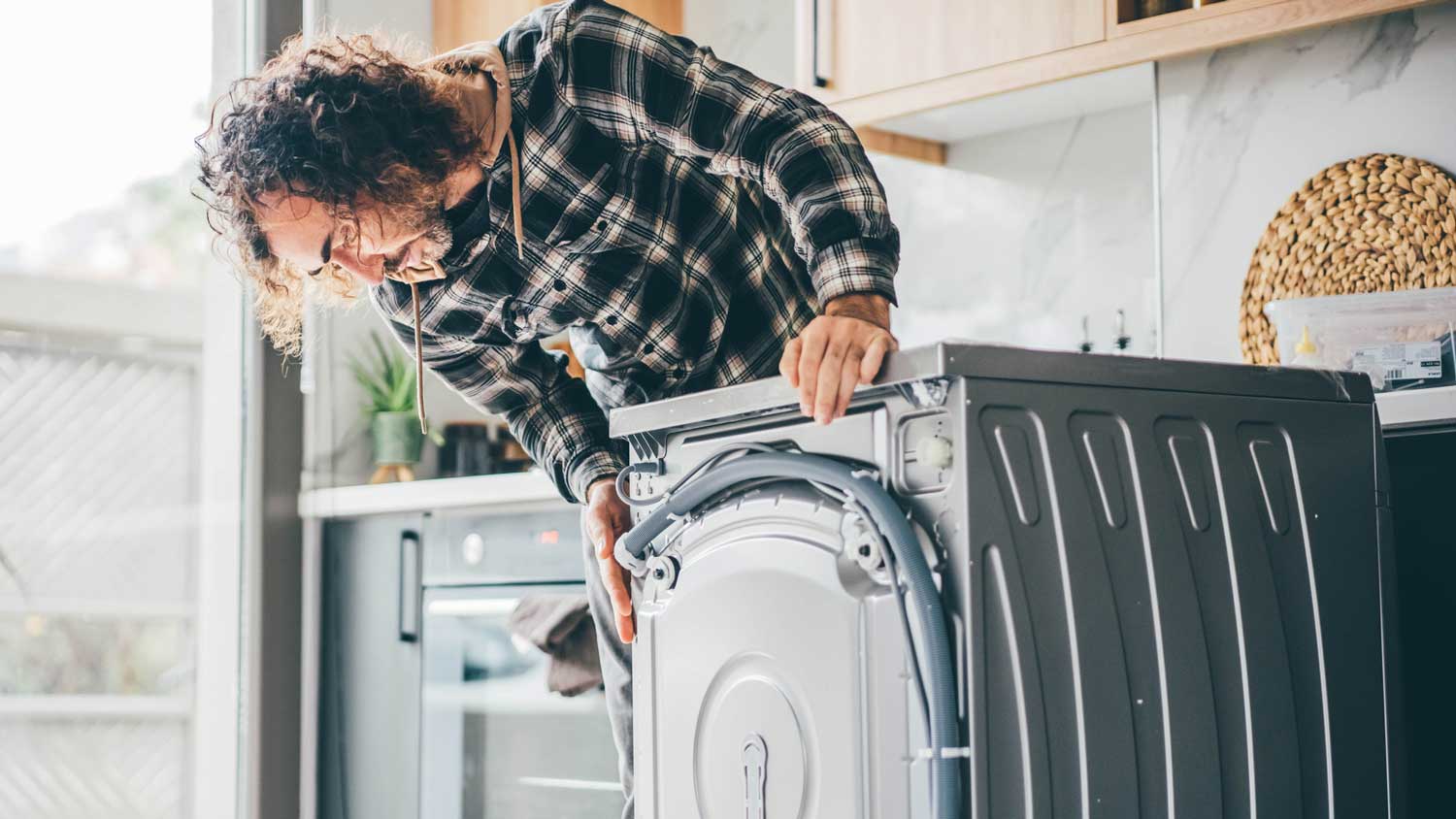
Unplug Washer
Always unplug the washer from the electrical outlet before starting any disconnection. This prevents electric shock or injury.
Detach Water Hoses
Turn off the water supply valves behind the washer. Then, disconnect both hot and cold water hoses carefully.
- Use a towel to catch any water dripping from hoses.
- Turn the hose connectors counterclockwise to loosen.
- Keep the hoses upright to avoid spills.
Remove Drain Hose
Locate the drain hose attached to the washer. Pull it out gently from the standpipe or laundry tub.

Credit: www.reddit.com
Disconnect Dryer
Disconnecting your dryer safely is important to avoid damage or injury. Follow these simple steps to unplug and detach your dryer properly.
Make sure you have the right tools before starting. Turn off the power and any gas supply if needed.
Unplug Dryer
Locate the dryer’s power cord at the back of the unit. Firmly grasp the plug and pull it straight out from the wall outlet. Do not yank the cord to avoid damage.
Detach Vent Hose
The vent hose connects your dryer to the outside vent. Disconnect it carefully to avoid tearing or bending the hose.
- Locate the vent hose at the back of the dryer.
- Use a screwdriver to loosen the clamp or tape holding the hose.
- Gently pull the hose away from the dryer vent.
- Check the hose for any damage or blockage.
Remove Gas Line (if Applicable)
If your dryer uses gas, you must disconnect the gas line safely. Turn off the gas valve before removing the line.
| Action | Details |
| Turn off gas valve | Locate the valve and close it to stop gas flow. |
| Disconnect gas line | Use a wrench to unscrew the gas line connection. |
| Check for leaks | After removal, inspect the valve and line for damage. |
Move Appliances Safely
Disconnecting your washer and dryer requires care. Moving these appliances safely prevents damage and injury.
Take time to prepare the area and use the right tools for a smooth move.
Protect Floors
Floors can scratch or dent during appliance moves. Use protective materials to keep floors safe.
Place cardboard, plywood, or furniture sliders under the appliances before moving them.
- Clear the path of obstacles
- Use thick cardboard or plywood sheets
- Slide furniture pads under appliance feet
- Move slowly to avoid sudden drops
Use Proper Lifting Techniques
Lift with your legs, not your back, to avoid injury. Keep your back straight when lifting heavy appliances.
Ask for help if the washer or dryer is too heavy to lift alone.
- Bend your knees and squat down
- Keep the appliance close to your body
- Lift slowly and steadily
- Use handles or grips if available
- Work with a partner for large appliances
Final Checks
Before you disconnect your washer and dryer, make sure everything is safe and secure. These final checks will help ensure a smooth process.
Follow these steps to avoid any mishaps or damage to your appliances and plumbing.
Inspect For Leaks
Leaks can cause water damage and should be addressed immediately. Check all hose connections and seals.
- Look for any signs of moisture around hoses.
- Ensure hose connections are tight and secure.
- Replace any damaged or worn-out seals.
Secure Loose Parts
Loose parts can cause noise and damage during transport. Make sure all parts are firmly in place.
Use this simple checklist to ensure all parts are secured:
- Check that knobs are tightened.
- Ensure the drum is stable and not wobbling.
- Fasten any loose panels or covers.
Frequently Asked Questions
How Do I Safely Disconnect A Washer And Dryer?
First, unplug both appliances from the power source. Turn off the water supply to the washer. Disconnect water hoses carefully to avoid leaks. For the dryer, detach the vent hose and electrical connections. Follow manufacturer instructions for specific models.
What Tools Are Needed To Disconnect Washer And Dryer?
You typically need pliers or a wrench to loosen hose connections. A screwdriver may be required to remove vent clamps. Have a bucket or towels ready to catch water drips. Use gloves for safety and to protect your hands.
Can I Disconnect Washer And Dryer Without Professional Help?
Yes, most homeowners can disconnect these appliances safely by following guidelines. Ensure the power and water supplies are off before starting. Carefully remove hoses and vents. If unsure, consult the user manual or seek professional assistance.
How Do I Prevent Water Damage When Disconnecting Washer?
Turn off the water supply valves before disconnecting hoses. Use towels or a bucket to catch any remaining water in hoses. Slowly loosen connections to avoid sudden water release. Check for leaks after disconnecting to ensure no drips remain.
Conclusion
Disconnecting your washer and dryer is easier than it seems. Turn off the power and water first. Unplug the machines carefully to avoid shocks. Detach the hoses and drain any leftover water. Keep track of all parts for easy reinstallation.
Doing this yourself saves time and money. Stay safe by following each step slowly. You can handle this task with confidence. Ready for your next home project?