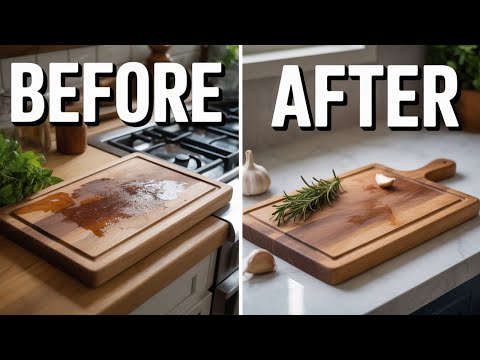
Your wood cutting board is a kitchen essential, but it can also harbor harmful bacteria if not cleaned properly. You might think washing it with soap and water is enough, but that’s not always the case.
Knowing how to disinfect your wood cutting board safely will keep your food fresh and your family healthy. You’ll discover simple and effective ways to protect your board and yourself. Keep reading to learn the easy steps that will make your cutting board cleaner than ever before.
Credit: www.thekitchn.com
Choosing The Right Cleaning Supplies
Keeping a wood cutting board clean is important for food safety. The right cleaning supplies help remove bacteria without damaging the wood.
Some cleaners work well on wood, while others can harm the surface. Choose supplies that disinfect safely and keep your board strong.
Safe Disinfectants For Wood
Use disinfectants that kill germs but do not harm wood fibers. Mild bleach solutions and vinegar are good choices. Avoid soaking the board for a long time.
- Diluted bleach (1 tablespoon bleach per gallon of water)
- White vinegar
- Hydrogen peroxide (3% solution)
- Dish soap with warm water
Avoiding Harsh Chemicals
Strong chemicals can dry out or crack wood. Avoid cleaners with ammonia, bleach concentrates, or abrasive powders. These can damage the board’s surface and shorten its life.
| Chemical | Effect on Wood |
| Ammonia | Dries and weakens fibers |
| Concentrated Bleach | Causes discoloration and cracks |
| Abrasive Powders | Scratch and wear surface |
| Oven Cleaners | Harsh and corrosive |
Natural Cleaning Alternatives
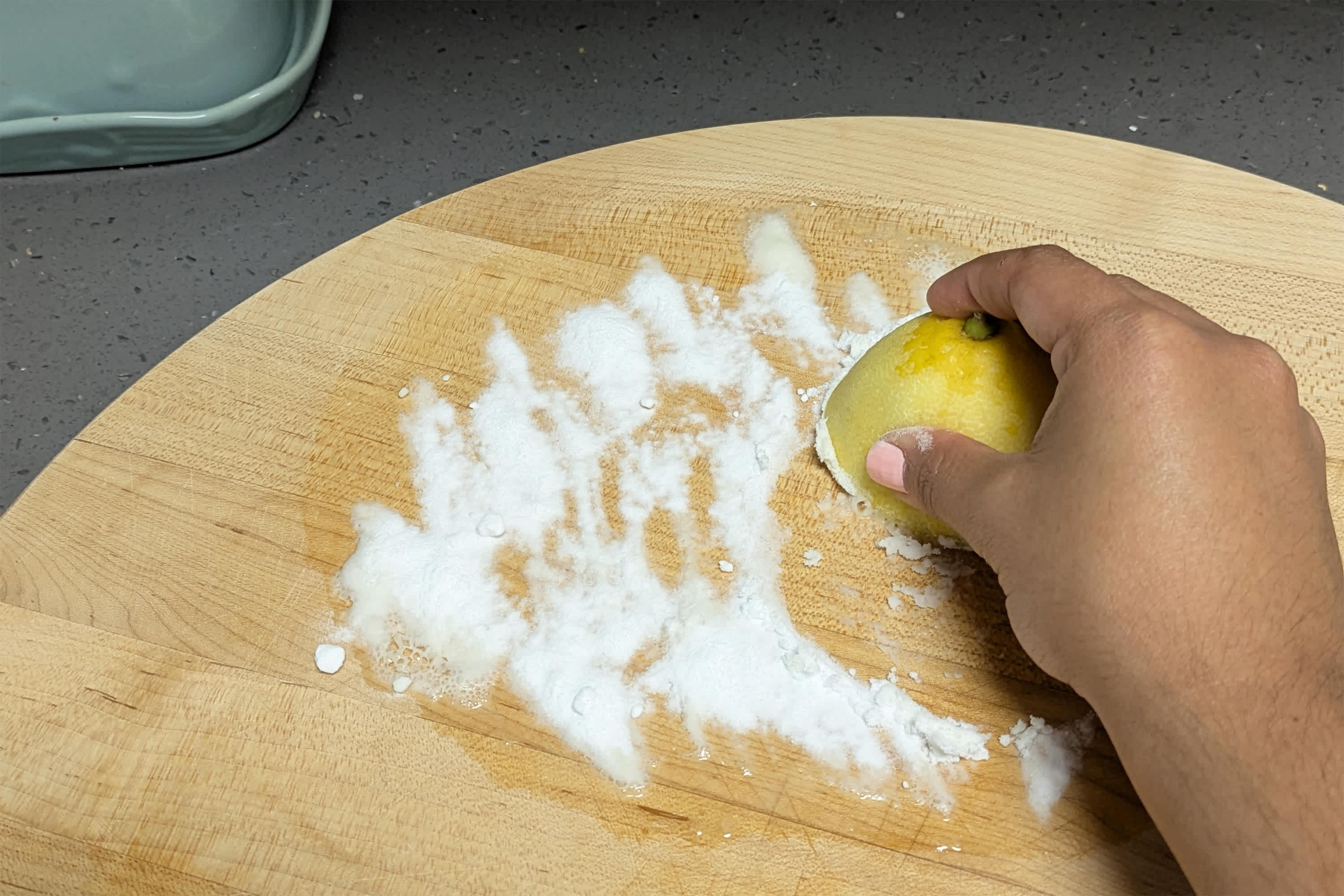
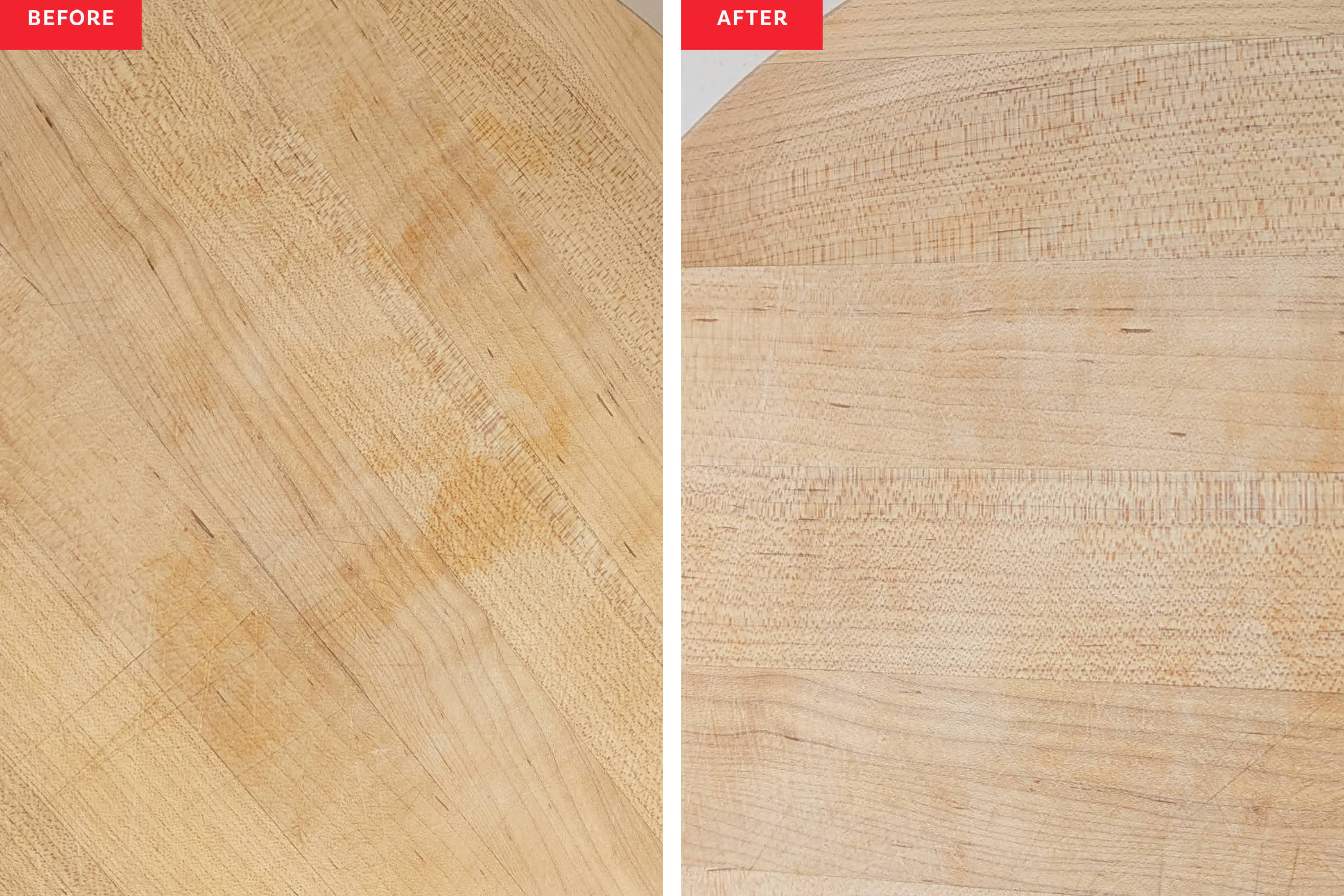
Natural cleaners work well and are gentle on wood. Lemon juice and salt can scrub away stains and kill bacteria. These options keep your board fresh without chemicals.
- Sprinkle coarse salt on the board
- Rub with half a lemon to scrub stains
- Let sit for 5 minutes, then rinse
- Dry the board completely before storing
Daily Cleaning Routine
Keeping your wood cutting board clean is important for food safety. A daily cleaning routine helps stop germs from growing.
Cleaning the board properly also keeps the wood strong and lasting longer. Follow simple steps every day after use.
Washing With Soap And Water
Start by rinsing the board with warm water to remove food bits. Use mild dish soap and a soft sponge to clean it well.
Scrub both sides of the board, even if you only used one side. This stops germs from spreading and keeps the board safe.
- Use warm water, not hot, to avoid warping
- Choose a gentle dish soap to protect the wood
- Scrub with a soft sponge or cloth, not abrasive pads
- Rinse thoroughly to remove all soap
Drying Techniques To Prevent Damage
After washing, dry the board quickly with a clean towel. Avoid letting water sit on the wood for a long time.
Stand the board upright or lean it against a wall to air dry. Make sure both sides get air to stop moisture buildup.
- Use a dry towel to remove excess water
- Place the board in a well-ventilated area
- Keep the board standing to air dry fully
- Do not leave the board soaking or flat with water
Deep Disinfection Methods
Wood cutting boards can hold bacteria deep inside their surface. Simple washing may not remove all germs. Deep disinfection helps keep your board safe and clean.
Use natural ingredients to kill germs without harming the wood. These methods reach deep into the board’s pores to disinfect well.
Using White Vinegar
White vinegar is a natural disinfectant that kills many types of bacteria. It is safe to use on wood and helps remove odors too.
Spray or wipe white vinegar on the board. Let it sit for a few minutes to kill germs. Then rinse and dry the board well.
Applying Hydrogen Peroxide
Hydrogen peroxide is a strong disinfectant that breaks down bacteria and viruses. Use 3% concentration for safety on wood boards.
Pour or spray hydrogen peroxide on the surface. Let it foam and sit for 5 minutes. Rinse with water and dry the board completely.
Salt And Lemon Scrub
Salt and lemon work together to clean and disinfect wood boards. Salt acts as a scrub, and lemon kills bacteria with its acid.
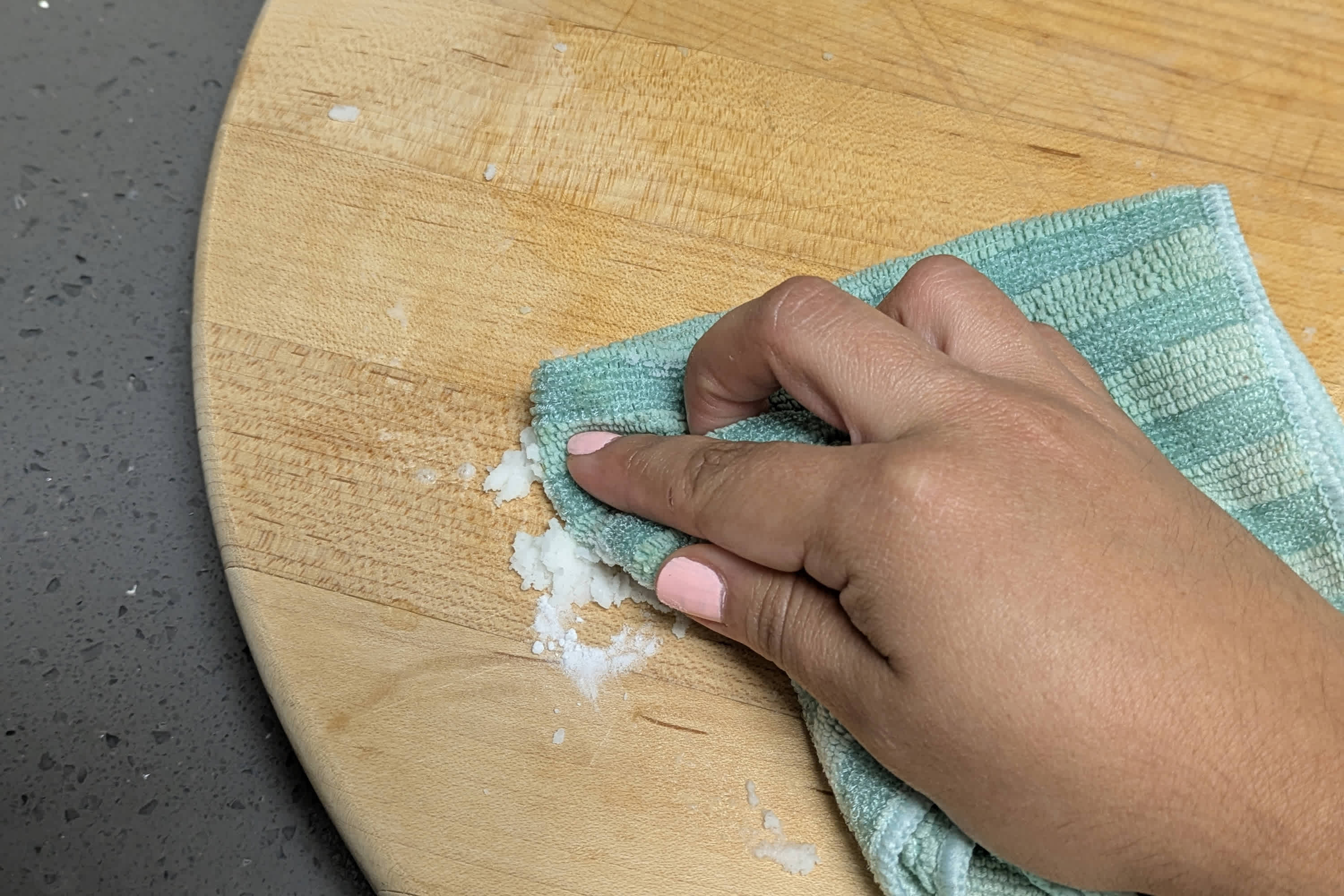
Sprinkle coarse salt on the board. Cut a lemon in half and scrub the salt into the wood. Let it sit for 5 minutes, then rinse and dry.
Credit: www.thekitchn.com
Maintaining Board Hygiene
Keeping your wood cutting board clean is very important. It helps stop germs and bacteria from growing. Regular cleaning and care can make your board last longer.
Wood is natural and strong but can soak up water and smells. You must clean and dry it well to keep it safe for food.
Regular Oil Treatments
Oiling your wood cutting board keeps it from drying out. This stops cracks where germs can hide. Use food-safe mineral oil or beeswax for best results.
Apply oil once a month or when the board looks dry. Rub the oil all over the surface. Let it soak in, then wipe off extra oil with a clean cloth.
Avoiding Cross-contamination
Cross-contamination happens when germs spread from one food to another. Use separate boards for raw meat and vegetables. This keeps food safe and clean.
- Use different boards for raw meat, fish, and veggies
- Clean boards well after each use
- Wash hands before and after handling food
- Use hot, soapy water to clean the board
Storage Tips
Store your wood cutting board in a dry place. Avoid keeping it near the sink or stove where moisture is high. Proper storage stops mold and warping.
Stand the board up or place it flat with space to air out. Do not stack heavy items on top of it. Good storage keeps the board clean and strong.
Signs To Replace Your Cutting Board
Wood cutting boards need regular cleaning and care. Over time, they can wear out and become unsafe to use.
Knowing when to replace your cutting board helps keep your kitchen safe and clean.
Cracks And Deep Grooves
Cracks and deep grooves in a cutting board can trap food and bacteria. These areas are hard to clean properly.
When you see many cracks or deep cuts, it is time to replace the board to avoid health risks.
Persistent Odors
A strong, bad smell that won’t go away means bacteria may be trapped inside the board. This can spoil food.
If washing and disinfecting do not remove the odor, replace the cutting board for safety.
Warping And Splitting
Warping happens when a board bends or twists unevenly. Splitting means the wood is breaking apart.
These problems make the board unstable and unsafe to use. Replace warped or split boards promptly.
Credit: www.thekitchn.com
Frequently Asked Questions
How Often Should I Disinfect My Wood Cutting Board?
You should disinfect your wood cutting board after each use, especially when cutting raw meat. Regular disinfection prevents bacterial buildup. This ensures food safety and prolongs the board’s lifespan. Always clean with a mild detergent before disinfecting.
What Natural Methods Disinfect Wood Cutting Boards?
Vinegar and lemon are effective natural disinfectants for wood cutting boards. Simply spray vinegar or rub lemon juice onto the board. Let it sit for a few minutes, then rinse with warm water. These methods are eco-friendly and safe for daily use.
Can I Use Bleach On A Wood Cutting Board?
It’s not recommended to use bleach on wood cutting boards. Bleach can damage the wood fibers and affect its longevity. Instead, use hydrogen peroxide for disinfection. Apply it with a cloth, let it sit briefly, and rinse thoroughly with water.
Why Is It Important To Dry The Board Completely?
Drying your wood cutting board completely prevents bacterial growth and mold formation. Moisture can seep into the wood, causing warping and cracks. Always use a clean towel to dry the board immediately after washing and disinfecting.
Conclusion
Cleaning a wood cutting board keeps your kitchen safe and healthy. Use simple steps to remove germs and stains. Regular disinfecting stops bacteria from spreading. Dry the board well to avoid damage. Small efforts protect your food and family. Keep your cutting board fresh and ready for every meal.
Easy habits make a big difference in kitchen hygiene. Stay safe, clean, and confident while cooking.